





 Portuguese
  English
  Spanish
  2 min of reading


Crucial Ruling For Exporters Defines Use Of ICMS Credits
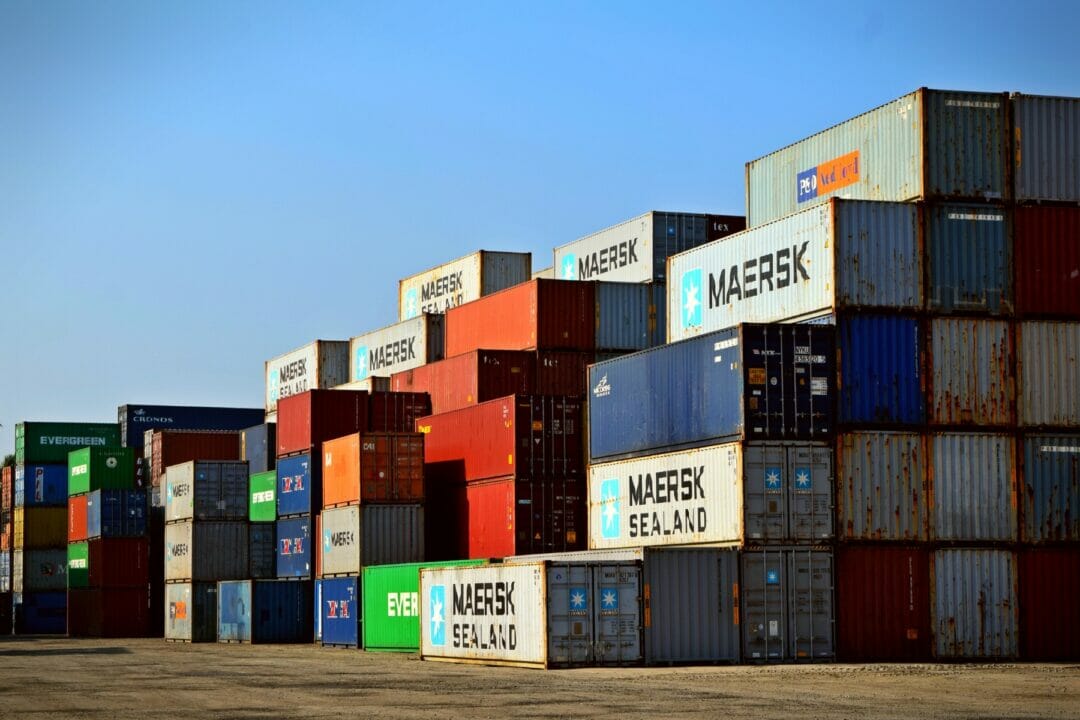
At the end of this month, the eyes of exporters will be on the Federal Supreme Court (STF). The reason? A decision that could change the financial landscape for those operating in the foreign market. The discussion involves the possibility of generating ICMS credits on the acquisition of fixed assets and materials for use and consumption employed in the production of goods intended for export. As it has General Repercussion, the verdict will affect all taxpayers, and the ruling will take place between September 22 and 29 in the virtual plenary.
What Is At Stake?
To better understand, materials for use and consumption, such as office and cleaning supplies, are not used as inputs nor sold. On the other hand, fixed assets, also known as non-current assets, refer to long-lasting goods used for exploitation, such as facilities and equipment.
-
Unemployment rises again to 5.8% at the beginning of 2026, raising alarms about the end of temporary positions and its impact on the Brazilian job market.

-
Document organization can cut invisible costs in small businesses, a simple step that prevents waste, rework, and losses in daily operations.

-
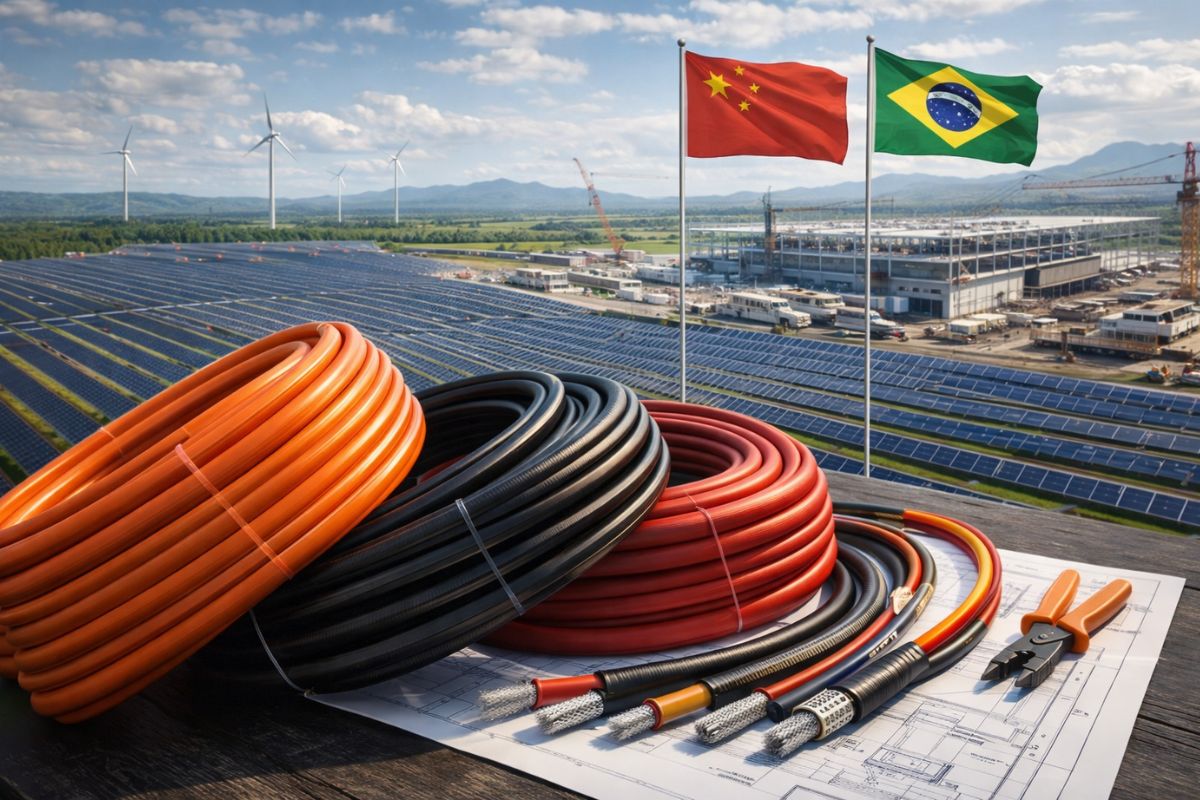
Chinese giant worth nearly R$ 4 billion that manufactures cables for electric cars, solar energy, and robotics wants to open a factory in SC.
-
Many employers do not know, but the law guarantees domestic workers a 25% increase in salary during trips, 50% for overtime, 20% for night shifts, and 17 additional benefits that can lead to labor lawsuits if not paid.


Henrique Munia and Erbolato, a specialist in tax law, explains: “It is not simple to determine if a material for use and consumption or a fixed asset is used exclusively in an exported product. However, through specific criteria, it is possible to propose the portion of ICMS paid that would be linked to products for export.” This would mean that, in these cases, the taxpayer could obtain more ICMS credits.
Perspectives And Recommendations
Within the STF, while taxpayers argue that fixed assets and materials for use and consumption are crucial for the production of the exported good, the states counter that only inputs that comprise the final product should generate ICMS credit. However, the trend is that the STF will likely lean favorably towards taxpayers, supported by an opinion from the Attorney General aligned with this view.
In light of this scenario, Erbolato advises: “For exporters seeking ICMS credits on acquisitions of fixed assets and goods for use and consumption, it is prudent to initiate a legal action by 09/21/2023, considering the risk of decision modulation, which may impact the utilization of credits generated in the last 5 years.”
Photo: Priscyla Costa










Seja o primeiro a reagir!