





 Português
  Inglês
  Espanhol
  3 min de leitura


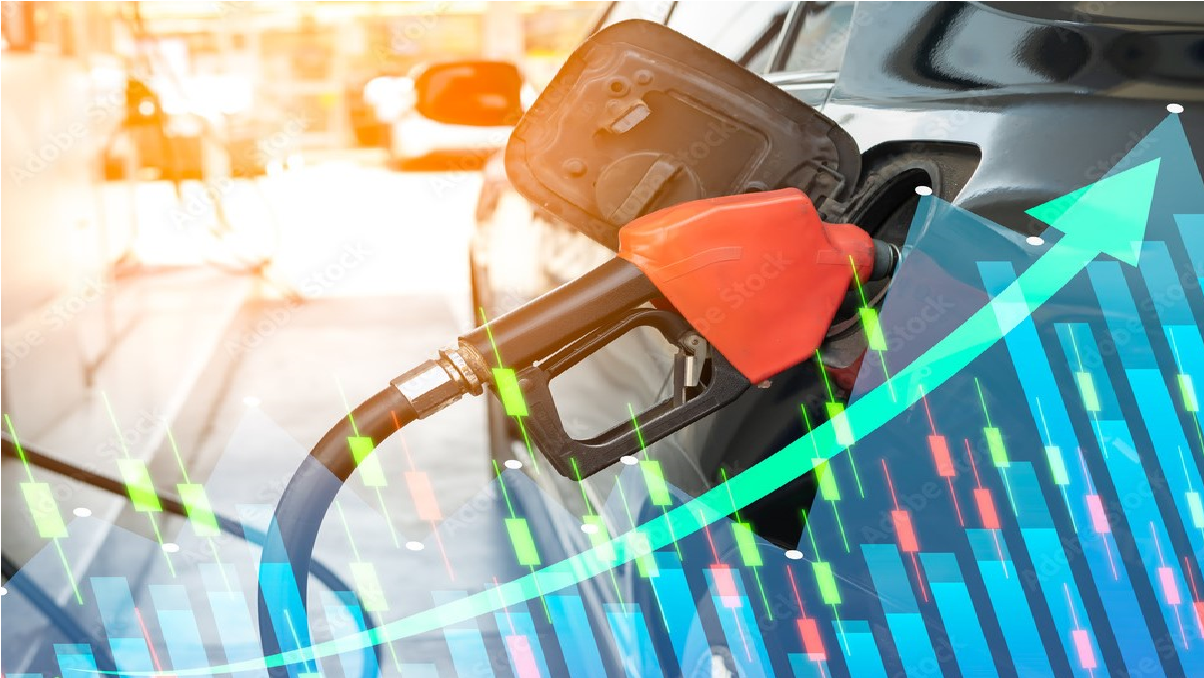
André Mendonça, STF Minister, Temporarily Established That Fuel ICMS Must Be Uniform Across All Brazilian States
The Brazilian states decided they will appeal against the decision made last Friday (the 17th) by the Supreme Federal Court (STF) minister, André Mendonça, regarding the rates of the Tax on Circulation of Goods and Services (ICMS) collected on fuels. Mendonça determined temporarily that the ICMS on fuels, such as diesel, gasoline, ethanol, and GLP, must be uniform throughout the national territory.
The decision establishes that the ICMS calculation base should be set according to the average prices practiced over the last 60 days. Furthermore, states must wait a minimum period of 12 months from the first fixation to make the first adjustment of the rates, and 6 months to carry out subsequent adjustments.
Décio Padilha Discusses The Revenue Loss Caused By The STF Measure And Its Impact On State Policies
In light of this scenario, the President of the National Committee of State and Federal District Finance Secretaries (Comsefaz), Décio Padilha, declared that the STF’s decision will result in a revenue loss for the states of R$ 31 billion over a 12-month period.
-
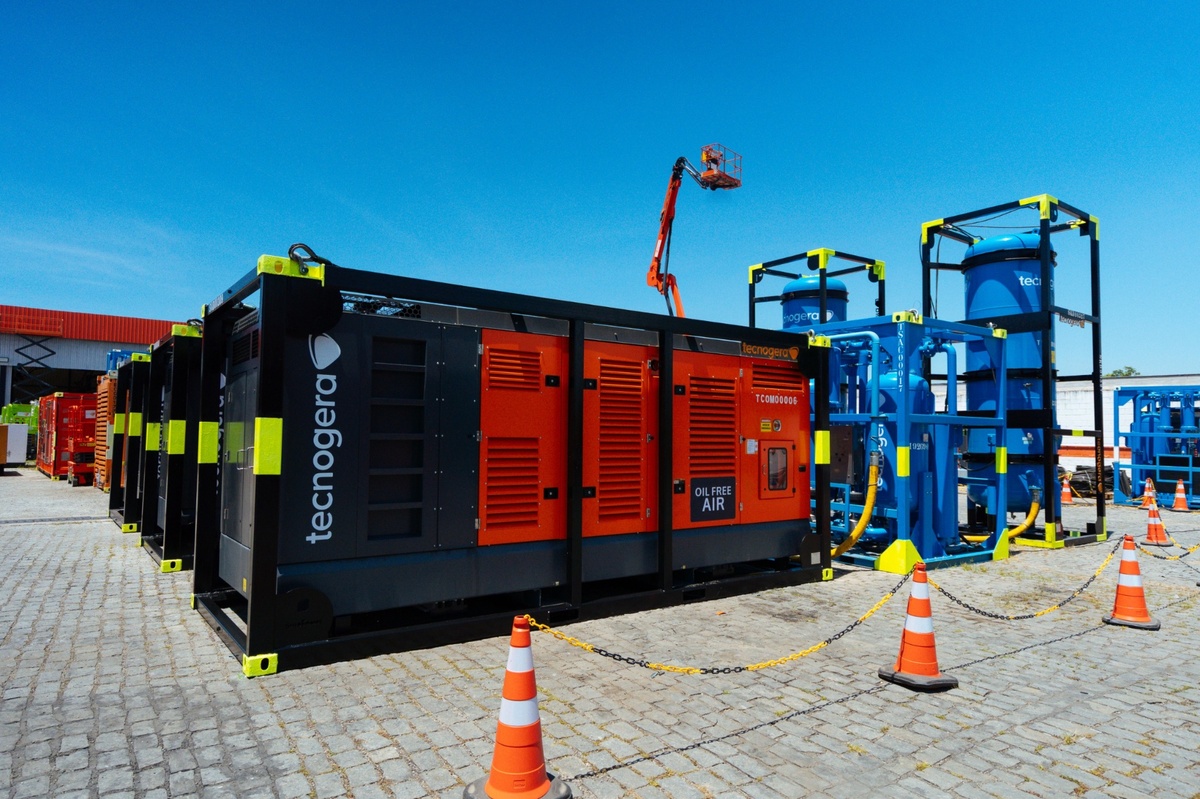
Offshore industrial demand in Macaé skyrockets with the recovery of oil and gas and could grow by up to 396% by 2026 in the Campos Basin.
-
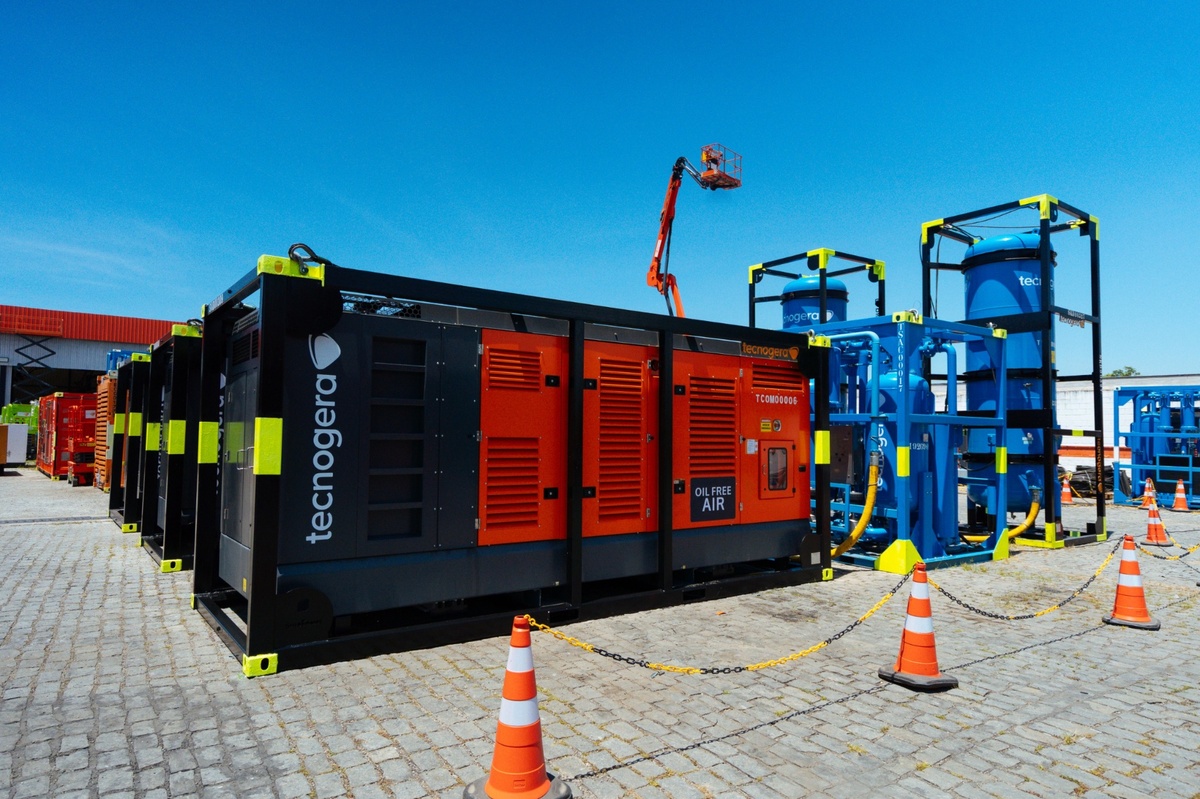
Offshore industrial demand in Macaé surges with the recovery of oil and gas and could grow by up to 396% by 2026 in the Campos Basin.
-
Brazilian giant expands borders in the Southeast: Petrobras confirms new oil discovery in ultra-deep waters in the pre-salt of the Campos Basin.

-
Alert in the global energy market: Severe tropical cyclone hits the coast and disrupts gas production at major plants in Australia, threatening global supply.


According to the Comsefaz president, there will be serious impacts on state policies for education, health, and security, since approximately 70% of state revenues come from ICMS collection.
Padilha also highlighted that, when adding the effect caused by the approval of the bill limiting the tax rate on fuels, public transport, electricity, and telecommunications to 17%, the observed reduction in state revenues could exceed R$ 131 billion within 12 months.
He explained that ICMS revenue is earmarked, with 25% of the total going to education, 12% to health, and 25% to municipalities. Thus, the impacts will make public policies of states and municipalities unfeasible.
Padilha Advocates For The Creation Of An Equalization Account And The Vote On Tax Reform As Solutions To The Problematic Issue
According to Padilha, the increase in fuel prices is caused by the rising price of oil, which has been influenced by the war in Ukraine. In this sense, he believes that the most appropriate solution to this issue is not to reduce state taxes but to develop an equalization account with Petrobras dividends.
According to the Comsefaz president, since January, diesel prices have accumulated a 60% increase due to Petrobras’ adjustment policy. Padilha adds that, therefore, it is important to take technical paths and move away from the narrative war, in order to create a conjunctural solution that consists of the equalization account and the vote on tax reform, PEC 110, which is currently stalled in the Senate.
The injunction established by the STF was motivated by an action filed by the Attorney General’s Office (AGU) to suspend a resolution from the National Council of Fiscal Policy (Confaz) regarding the collection of ICMS. Therefore, the determined measures should remain in place until Confaz issues new rules in accordance with the guidelines defined by André Mendonça, the Supreme Minister.
It is also important to mention that the STF minister additionally determined that Petrobras must send internal documents to the STF justifying the formation of fuel prices.









Seja o primeiro a reagir!