





 Portuguese
  English
  Spanish
  3 min of reading
  0 comments


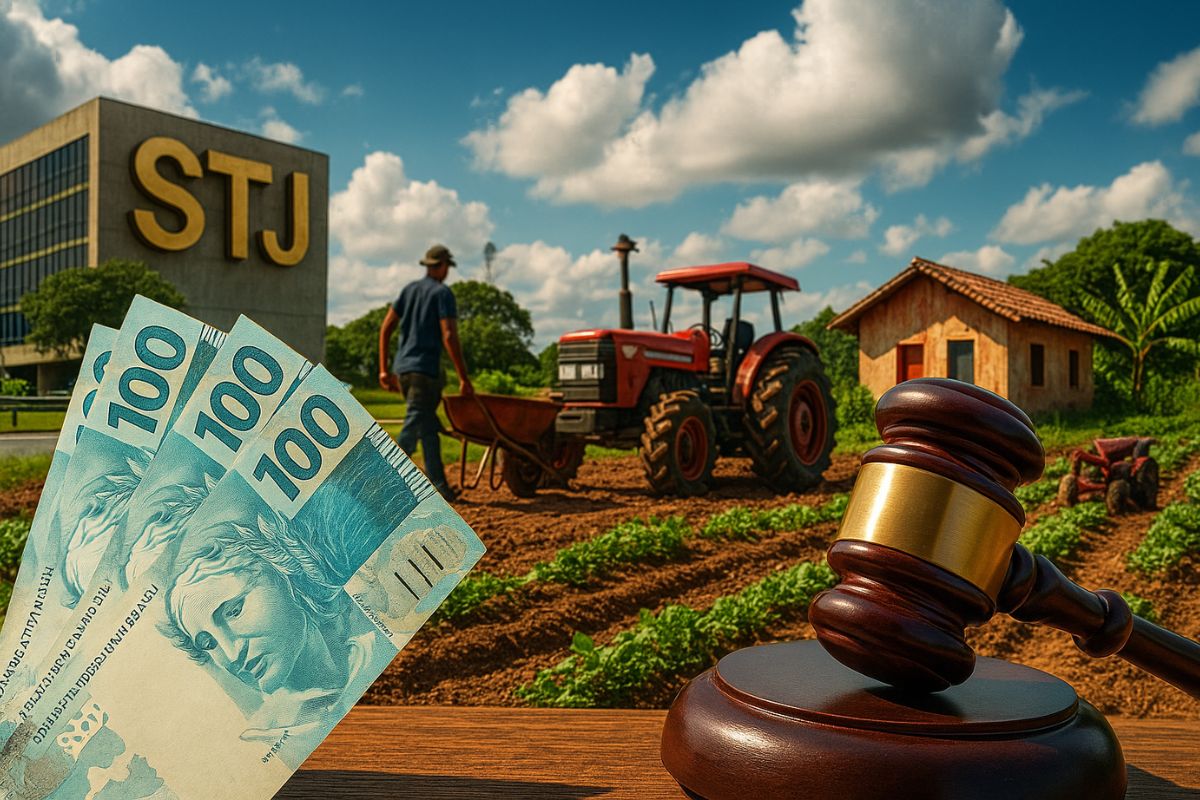
Decision of the STJ Authorizes Attachment of Part of Agricultural and Poultry Production from Small Rural Properties, But with a Clear Limit: Measure Is Only Valid If It Does Not Compromise the Survival of the Debtor’s Family and Respects the Social Function of the Land
The STJ decided that the production from small rural properties can be attached in judicial executions, as long as there is no risk of compromising the livelihood of the farmer and their family. The decision from the 3rd Panel, reported by Minister Nancy Andrighi, equates the fruits of rural production to the remuneration of self-employed workers.
The measure responds to a creditor’s request in a case in Paraná and reversed a previous understanding of the state court, which had expanded the constitutional protection of the land to the fruits produced on it. Now, the case returns to the TJ-PR for specific analysis regarding the feasibility of the attachment without harming the so-called “existential minimum.”
Legal Context of the Decision
The Federal Constitution guarantees the non-attachability of small rural properties when worked by the family, but the STJ clarified that this protection does not automatically extend to the production obtained from them.
-
The Senate approves a bill that criminalizes misogyny, hatred, or aversion towards women, and includes the crime in the Racism Law with a penalty of up to 5 years.

-
Chamber Approves Bill That Allows Pepper Spray for Women Over 16 and Imposes Strict Rules for Purchase, Possession, and Use as Self-Defense

-
Chamber Approves Law to Combat Leucaena, Fast-Growing Plant That Dominates Land and Threatens Native Species in Various Regions of the Country

-
Asset Division: Know What Cannot Be Divided in Case of Divorce

In other words, the land itself remains protected, but part of the fruits and income can be subject to attachment.
The interpretation is based on Article 834 of the Code of Civil Procedure, which allows the possibility of attaching the fruits and income of inalienable goods when there are no other available assets for execution.
However, the application must be made restrictively and cautiously.
Rural Production as Remuneration
Minister Nancy Andrighi emphasized that agricultural production represents the direct income of the small rural producer, who works independently and fully assumes the risks of the activity.
Thus, the applied logic is similar to the attachment of salaries: there is a general rule of non-attachability, but an exception is allowed when there is no threat to the family’s survival.
This point is fundamental, as it recognizes the alimentary nature of rural production, but also prevents debts from going unexecuted due to a lack of formally available assets.
Limits and Precautions Established
According to the understanding of the panel, indiscriminate attachment of the harvest or rural income cannot be admitted, under the risk of jeopardizing the debtor’s own subsistence and distorting the social function of the small property.
The analysis must be done on a case-by-case basis, considering the volume of production, income generated, and essential costs of the family.
Even if part of the production is marketed, the amounts obtained generally go towards covering basic items, such as food, health, and maintenance of rural activity.
Therefore, the rule is that only a fraction can be affected by the attachment, as long as it is proven that it will not impact the dignity of the producer.
Impact of the Decision in the Field
The decision of the STJ creates a relevant precedent for rural creditors and debtors.
For family farmers, it is clear that the land remains non-attachable, but the protection is not absolute regarding production.
For creditors, a new avenue for debt satisfaction opens up in scenarios where no other assets exist.
However, experts remind that practical application tends to be restrictive.
Small properties usually generate limited income, often only sufficient for the family’s survival, which may practically hinder the attachment of a significant portion of the harvest.
The decision of the STJ regarding the attachability of rural production reinforces the need to balance creditor rights and debtor dignity, especially in the context of family agriculture.
The challenge will be to apply the rule without distorting the social function of the land and without worsening the vulnerability of the field.
And what about you, do you believe that the decision of the STJ brings legal security or could increase pressure on small producers? Share your views in the comments — your experience in the field or in law can further enrich this debate.










-

-

-

-

-

-

78 pessoas reagiram a isso.