





 Portuguese
  English
  Spanish
  4 min of reading
  4 comments


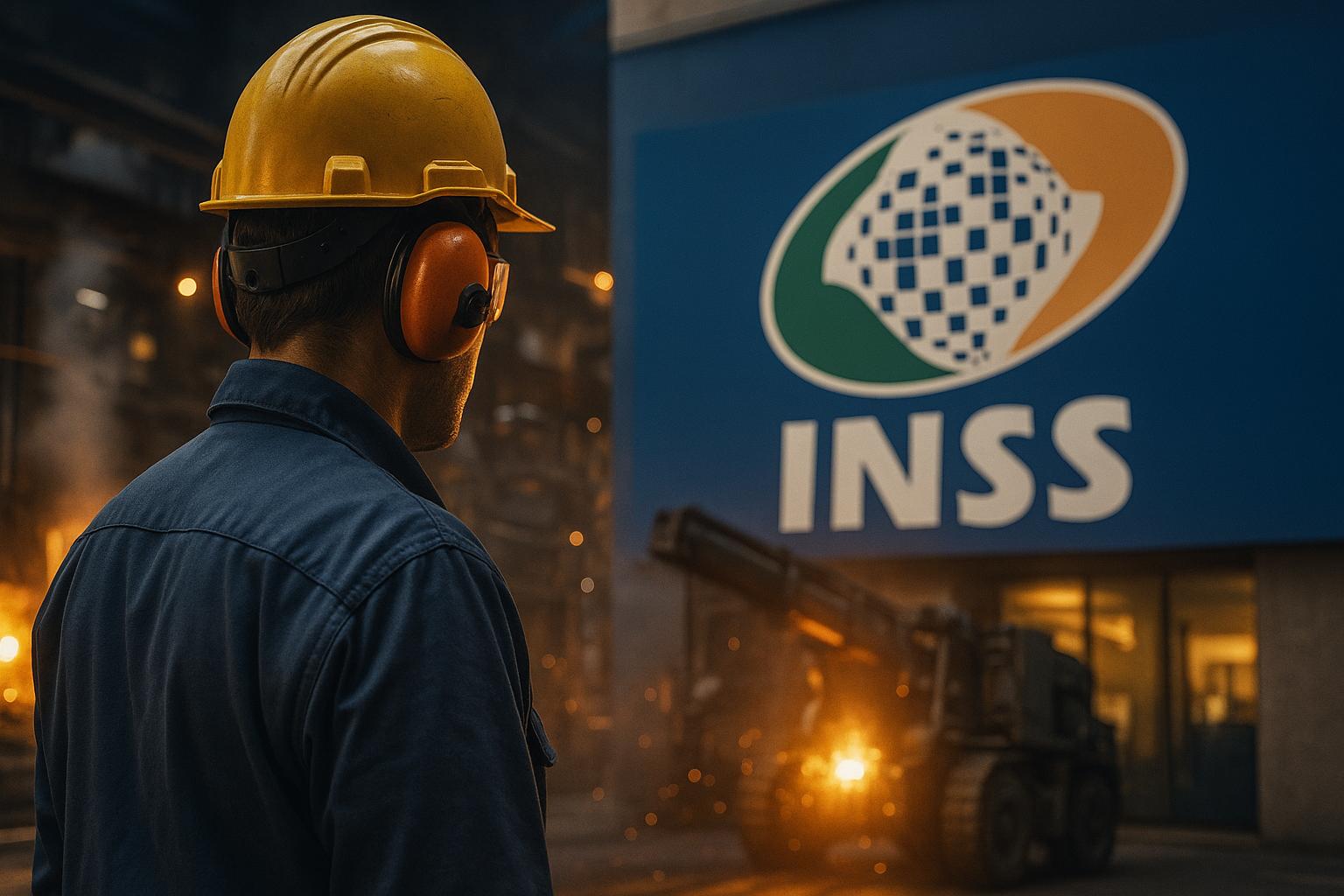


STJ and STF Confirm Special Retirement for Workers Exposed to Noise Above 85 Decibels, Even Without Complete Company PPP.
Millions of Brazilians spend years of their lives in noisy work environments: factories, production lines, civil construction, metalworking, mechanical workshops, and even activities related to transportation and energy. What many do not know is that this constant noise above legal limits may guarantee a special right in retirement.
The Superior Court of Justice (STJ) and the Supreme Federal Court (STF) have already established understanding: those who worked exposed to noise above 85 decibels are entitled to special retirement, even when the company does not provide all the documentation required by INSS.
This decision paves the way for thousands of workers whose requests were denied due to lack of complete reports but who can prove exposure to risk.
-
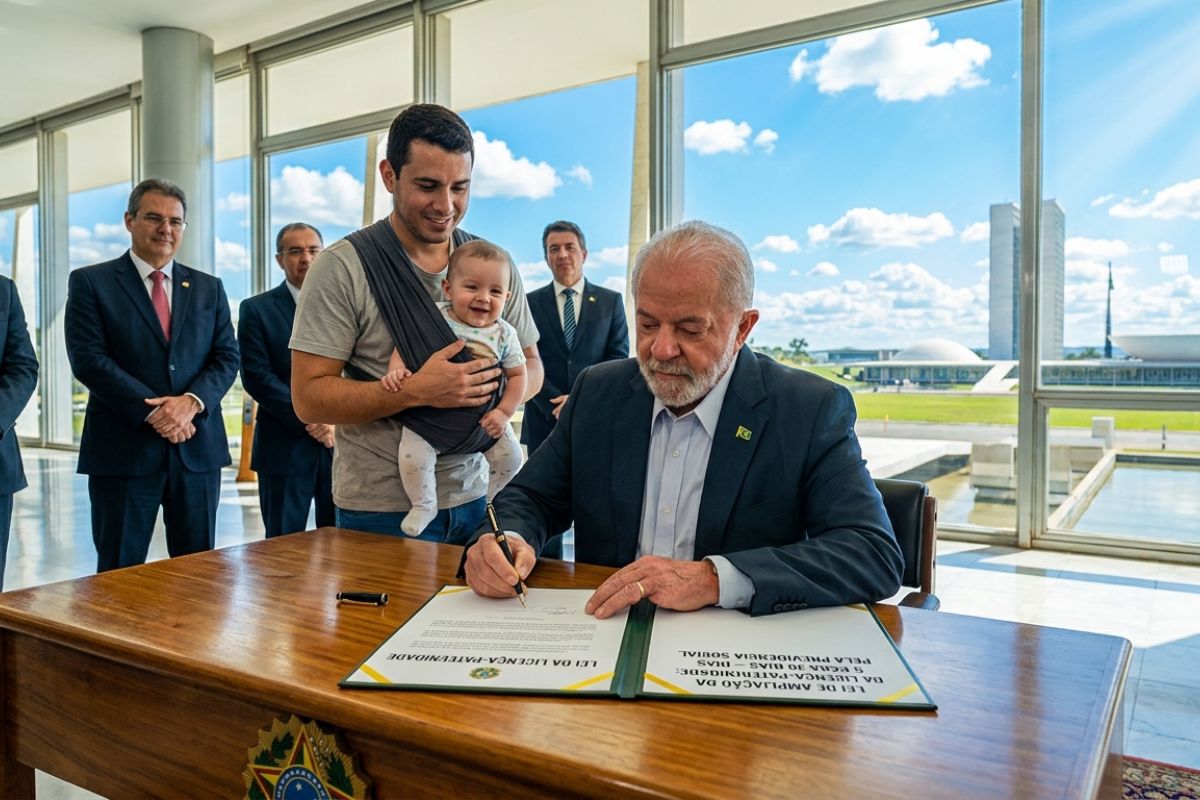
Government enacts new law: paternity leave increases from 5 to 20 days with gradual increases until 2029, and Social Security pays the paternity salary; companies no longer bear the absence cost, estimated at R$ 5.4 billion.
-
End of the 1-hour lunch break in the CLT? Current labor law maintains the break, allows for negotiated reductions, and defines rules for working hours and home office in Brazil.

-
Employee Fired After Accumulating 114 Days of Medical Leave in One Year, Labor Court Upholds Company’s Decision

-
Employee Fired While Treating Depression Wins in Court and Vale Is Required to Rehire Him Following Decision Based on the CLT and INSS Benefits


What Is Special Retirement
Special retirement is a benefit granted to INSS policyholders who work in conditions harmful to health or physical integrity.
While regular retirement requires 35 years of contributions for men and 30 for women, special retirement can be granted with 15, 20, or 25 years of unhealthy activity, depending on the risk.
In the case of noise, the minimum time is 25 years of continuous exposure.
The Legal Limit: 85 Decibels
Brazilian legislation has undergone changes over the years:
- Until 1997, exposure above 80 decibels was considered harmful.
- Between 1997 and 2003, the limit was raised to 90 decibels.
- Since 2003, the current limit is 85 decibels.

Above this threshold, health and work safety agencies consider there is effective risk to hearing and health. Continuous exposure can cause irreversible hearing loss, stress, increased blood pressure, and chronic fatigue.
The Documentation Impasse
To prove the right to special retirement, INSS requires documents such as PPP (Professional Profile for Social Security) and LTCAT (Technical Report of Working Conditions), issued by the company.
The problem is that many companies do not provide the PPP correctly, omit information, or present incomplete reports, complicating the worker’s situation.
It was in this context that the STJ and STF positioned themselves: the lack of documentation cannot harm the insured when there are other valid proofs of exposure to noise.
The Courts’ Decisions
- The STJ, in REsp 1.797.175/SC, established the thesis that it is sufficient to prove noise through technical reports, judicial expertise, or similar documents, even if not issued by the company.
- The STF, in the ruling of Theme 555, consolidated that exposure to noise above legal limits entitles one to special retirement, regardless of the formal presentation of the PPP.
These precedents provide greater legal certainty for workers and reduce the number of unjust denials by INSS.
The Impact on INSS
In practice, the decisions mean that thousands of cases that were stalled due to lack of documents can now be reviewed judicially.
Social security lawyers emphasize that independent technical expertise can replace the company’s PPP, ensuring that the worker is not penalized for the employer’s negligence.
Moreover, courts have accepted even old labor inspection documents or work safety records as proof of the unhealthy condition.
Practical Examples
- A metalworker who worked 25 years exposed to noisy machinery, but whose company closed without issuing a PPP, can prove exposure through an onsite inspection or in a similar company.
- A bus driver who worked for decades exposed to internal noise exceeding 85 decibels may secure the special benefit even without a report provided by the transport company.
- Construction workers, frequently exposed to jackhammers, saws, and drills, are also part of this group of potential beneficiaries.
The Value of Special Retirement
Another relevant point: special retirement is not subject to the application of the previdentiary factor, which generally ensures a higher amount compared to regular retirement.
Today, the benefit is calculated based on the average of contribution salaries, respecting the INSS ceiling, which in 2025 will be R$ 7,786.02.
Thus, workers exposed to noise may not only retire earlier but also receive more advantageous amounts.
What to Do in Case of INSS Denial
Many insured individuals have their requests denied administratively. In this case, the steps are:
- Request a complete copy of the administrative process.
- Seek support from a lawyer or public defender specialized in social security.
- Produce technical proof (expertise or report).
- File a lawsuit, citing precedents from STJ and STF.
The chances of success have greatly increased following the general repercussion judgments.
A Right Won by Brazilian Workers
The decisions of STJ and STF reinforce the protection of the Brazilian worker against harmful work environments. The message is clear: no employee should lose a right because the company failed to fulfill its obligation to provide documents.
More than a legal victory, it is a social triumph. It ensures that people who have spent their lives exposed to risks have access to a fairer and more dignified retirement.










Tem que ser feito isso mesmo pois tem advogado que só enrolam a gente e que ganha pelo INSS para não aprovar. Sou prova disso pois tenho 52 anos e trabalho com metalúrgica e já trabalhei em áreas insalubre como frigorífico também.
Parabéns a justiça do trabalho, por reconhecer o direito dos trabalhadores, sobre trabalho nocivos a saúde dos trabalhadores.
As empresas omitem informações para não pagar os impostos devidos ao governo.trabalhei por vários anos transportes públicos, onde a ruído do motor do ônibus chega de 91 a 103 decibéis e a empresa deu no ppp.81.