





 Português
  Inglês
  Espanhol
  3 min de leitura
  2 comentários


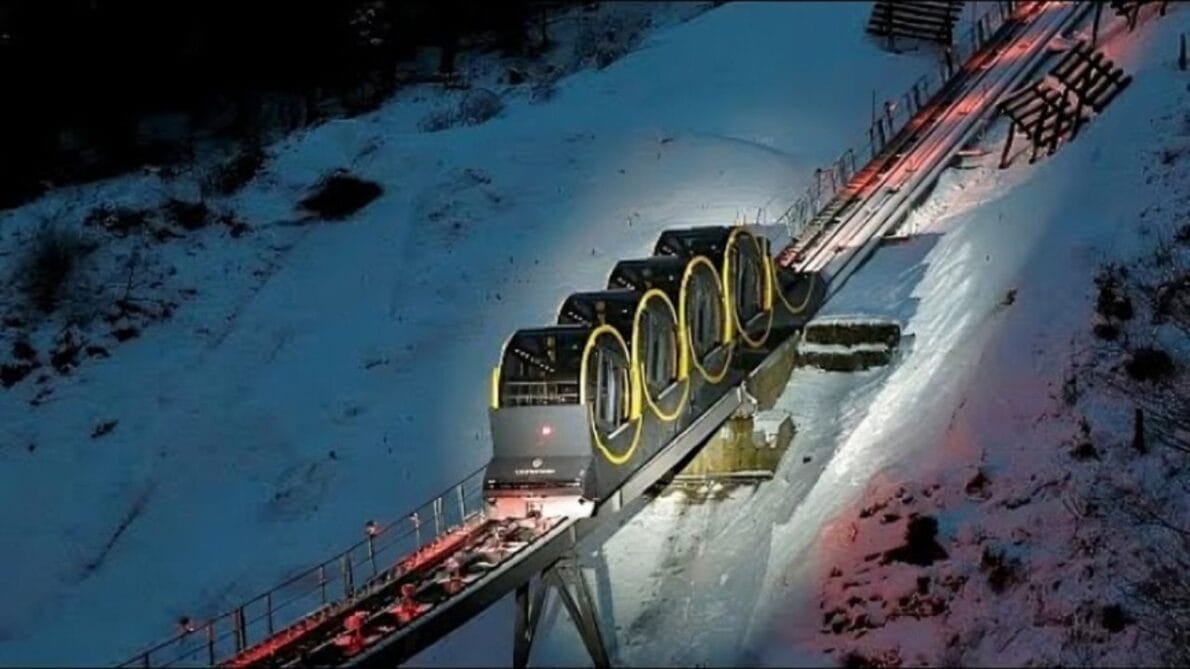


In an Innovation That Redefines Ecological Transportation, the Stoosbahn, the Steepest Funicular Railway in the World, Not Only Transports Passengers Through Alpine Heights but Also Converts Energy from Regenerative Braking into Heating for a Swiss Hotel.
Located in the heart of Switzerland, the Stoosbahn, the steepest funicular railway in the world, is more than just a tourist attraction; it is an example of engineering and sustainability. On a journey that defies gravity, this funicular train ascends at a gradient of 110%, traveling the distance from the municipality of Schwyz to the Stoos ski station, at an altitude of 1,300 meters.
The most notable feature of the Stoosbahn, aside from its steepness, is the regenerative braking technology. “When braking on steep terrain, the system not only safely reduces speed but also captures this kinetic energy, converting it into heat,” explains the chief engineer in the machine room.
Regenerative Braking Energy


Annually, 410,000 kWh of energy is generated through this process, equivalent to what would be obtained by burning 41,000 liters of heating oil. This energy is used to heat water, which is then distributed to heat the 100 rooms of the hotel located next to the station. The proximity of the hotel to the station minimizes heat loss, maximizing the efficiency of this system.
-
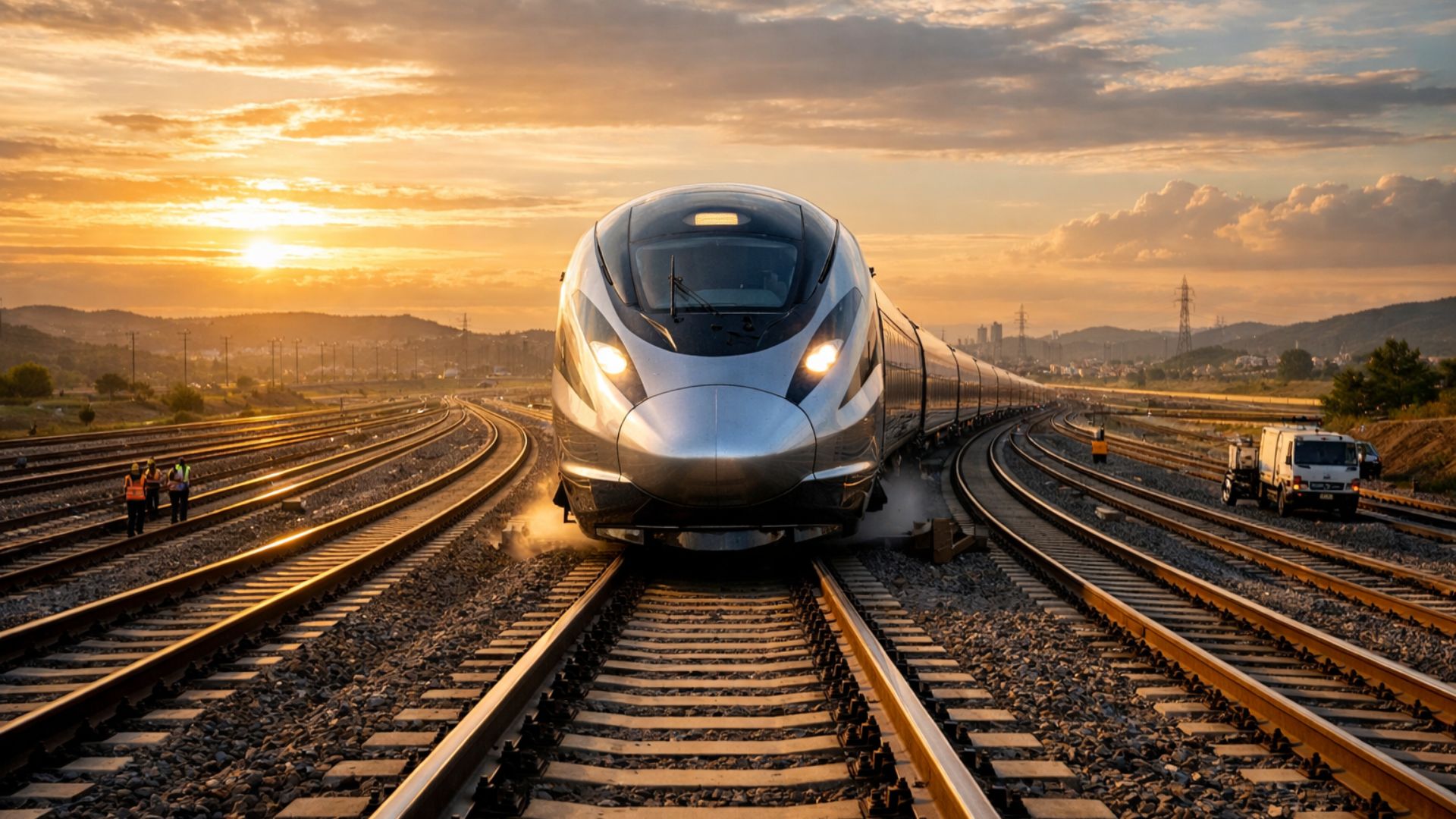
São Paulo surprises the world with a colossal railway network project that promises over 1,000 km of tracks, R$ 194 billion in investments, and 40 projects connecting the capital to the interior with fast and sustainable trains.
-
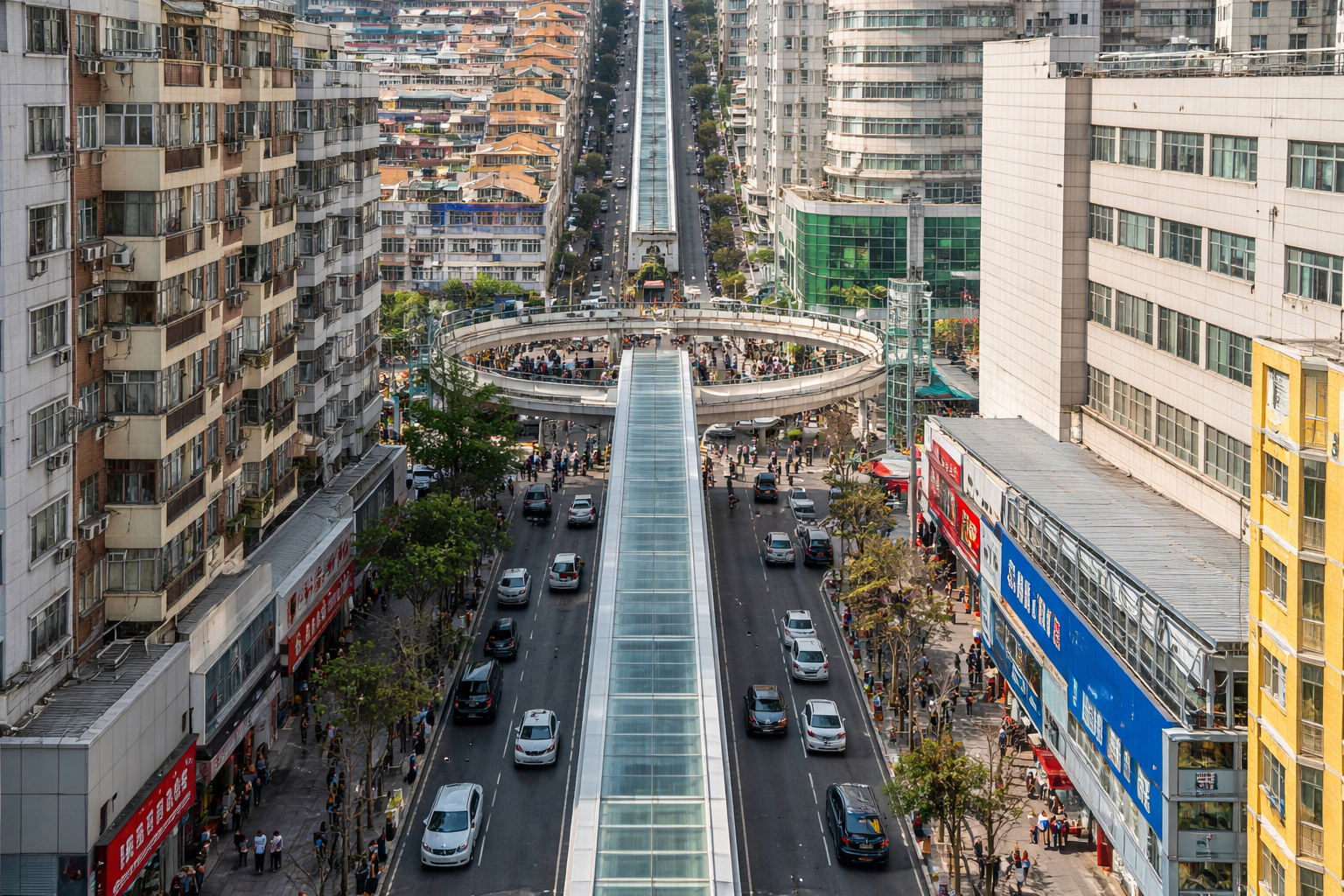
The world’s largest escalator, measuring 905 meters in China, reduces urban travel time from 1 hour to about 20 minutes and transforms mobility in mountainous regions with an engineering solution adapted to the terrain.
-
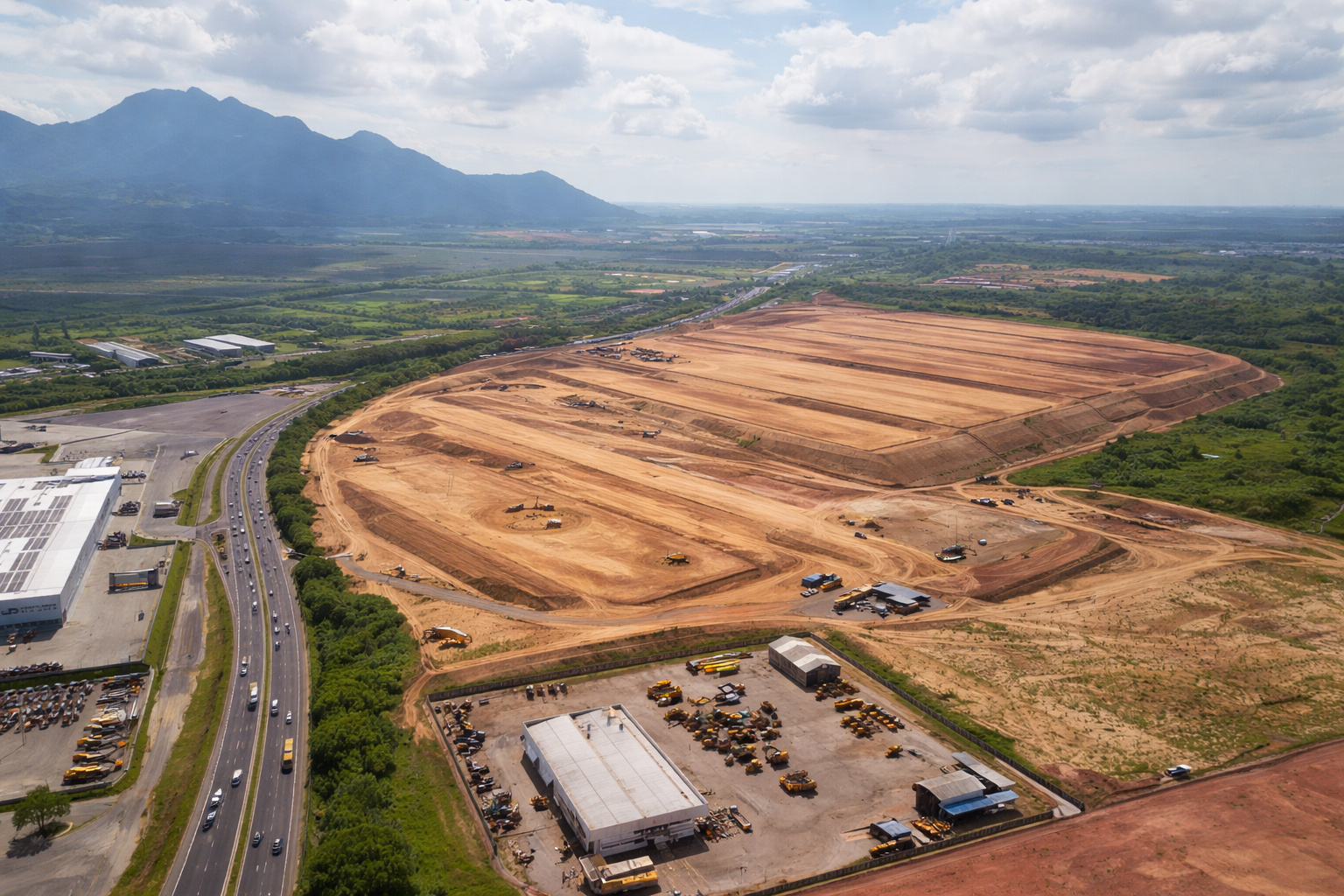
A R$ 300 million logistics giant is taking shape in Serra with over 100,000 m² and raises a question: how can this transform e-commerce and distribution in the state?
-
Could Uber Rides Lose Minimum Fare? Understand What’s Happening!


The hotel’s managing director highlights the economic benefits of this integration. “With high energy prices, being able to buy electricity at a discount from the funicular not only saves money but also bolsters the local economy, creating a kind of perfect circular economy for our community.”
Practical and Simple Example
Imagine a common electric car, like a Tesla. Normally, when you press the brake pedal, the car slows down through the mechanical resistance of the brakes, dissipating the car’s kinetic energy as heat, which is lost to the environment. With regenerative braking, instead of simply dissipating this energy, the car’s braking system reverses the electric motor, turning it into a generator.
During deceleration, the vehicle’s wheels continue to spin, and this rotation is used to turn the motor in the opposite direction. This converts the motor from an energy consumer into an energy producer. The motor generates electricity while slowing down the vehicle, and this electricity is then sent back to the car’s battery, recharging it. This process not only helps recharge the battery but also provides more efficient braking and extends the lifespan of the mechanical brakes, as they are less stressed during deceleration.
Project Has Immense Potential for Expansion
According to engineers, the project has immense potential for the expansion of this technology. The application of regenerative braking is simple and can be adapted to other locations that have funiculars and similar energy demands.
Back in Stoos, where the alpine cold is intense, visitors to the newly renovated hotel can enjoy a warm bath, knowing that the energy used comes from a clean and renewable source. The Stoosbahn is not just a means of transportation; it is a symbol of sustainable innovation that warms bodies and hearts amidst the rigors of the Swiss mountains.
The Stoosbahn, the Steepest Funicular Railway in the World
This remarkable example of engineering and innovation was designed to overcome the challenges of the Swiss mountainous terrain, linking the municipality of Schwyz to the Stoos ski station. The Stoosbahn achieves an impressive maximum gradient of 110%, making it a marvel for both engineers and train enthusiasts.
The journey of the Stoosbahn, which culminates at an altitude of 1,300 meters, was meticulously planned to offer not only safety but also energy efficiency through the use of technologies such as regenerative braking. This technology allows the energy generated during braking processes to be captured and converted into heat, an initiative that underscores the railway’s commitment to sustainable practices.









Sou angolano
Preciso de uma oportunidade de trabalho