





 English
  Francês
  Alemão
  Italiano
  Japonês
  Norueguês
  Portuguese
  Spanish
  3 min of reading


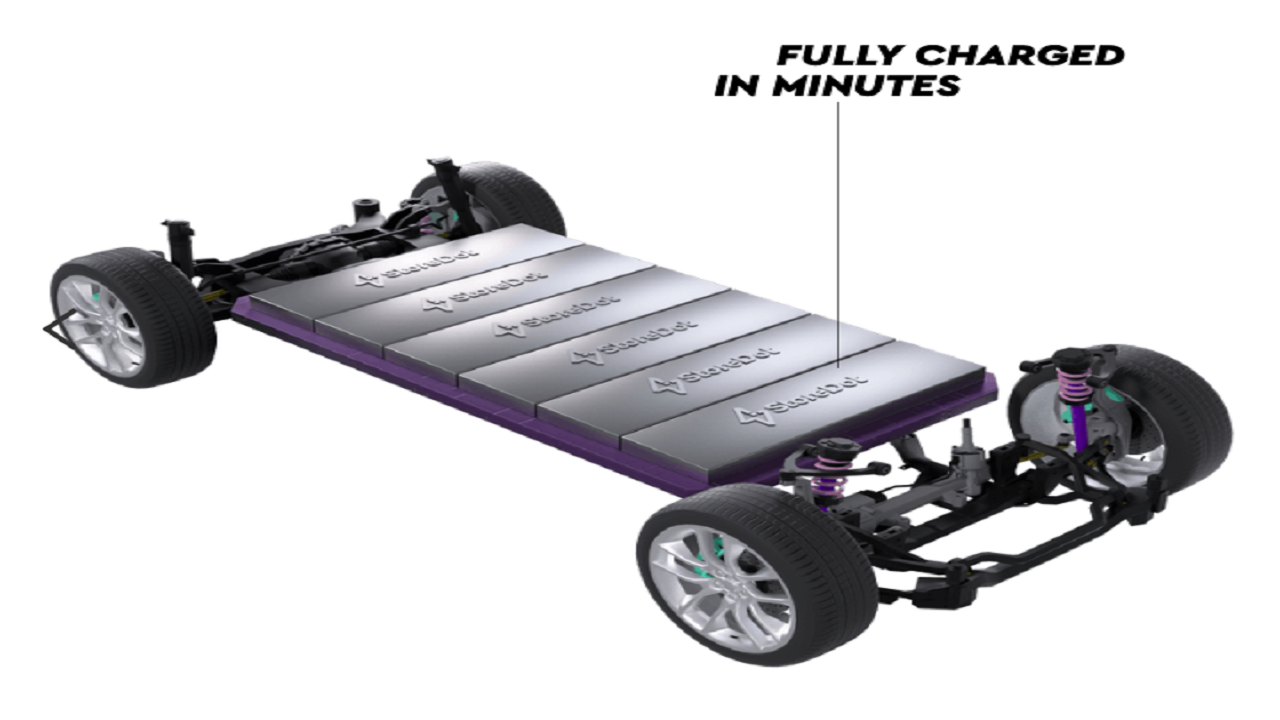
The Israeli Manufacturer of Fast Chargers for Electric Car Batteries StoreDot Aims to Achieve 160 km of Range with a 5-Minute Charge by 2024, and 2 Minutes in a Decade
StoreDot is developing a series of new technologies, reporting that it is also on track for its first milestone – the production of its lithium-ion batteries with extremely fast charging (XFC), with a silicon-dominant anode at scale by 2024, which will be capable of providing 160 km of range in just 5 minutes of charging for electric cars.
Read Other Related News
- AION is Developing the First Electric Cars with Graphene Batteries in the World
- Partnership Between the Largest Niobium Producer on the Planet CBMM and Canadian Multinational Nano One Foresees New Investments in Lithium-Ion Batteries
- Startup Launches Battery for Electric Cars with 5-Minute Charging Power
- StoreDot Breaks Tesla’s Standard and Develops Battery for Electric Cars That Can Be Charged in Just 10 Minutes
- Company Develops Battery That Regenerates Even During Constant Use in Electric Cars
StoreDot’s Ultra-Fast Charging Is in the Final Stages

Meanwhile, the company says it is in the advanced stages of developing semi-solid state technologies that will further enhance electric car batteries by 40% in 4 years – providing 160 km of charging time in just 5 minutes and ready for mass production by 2028. This will be followed by complete solid-state technologies, with an additional 33% improvement, to provide the target charging range of 2 minutes by 2032.
Describing this last goal as the ultimate aim and “absolutely within our reach,” Dr. Doron Myersdorf, CEO of StoreDot, says: we are working to overcome the main barrier to the widespread adoption of electric vehicles – long charging times and range anxiety.” He adds that the company’s technology roadmap extends well beyond 2024, “where each milestone represents an impressive performance improvement – a significant impact on the driver’s experience.”
-
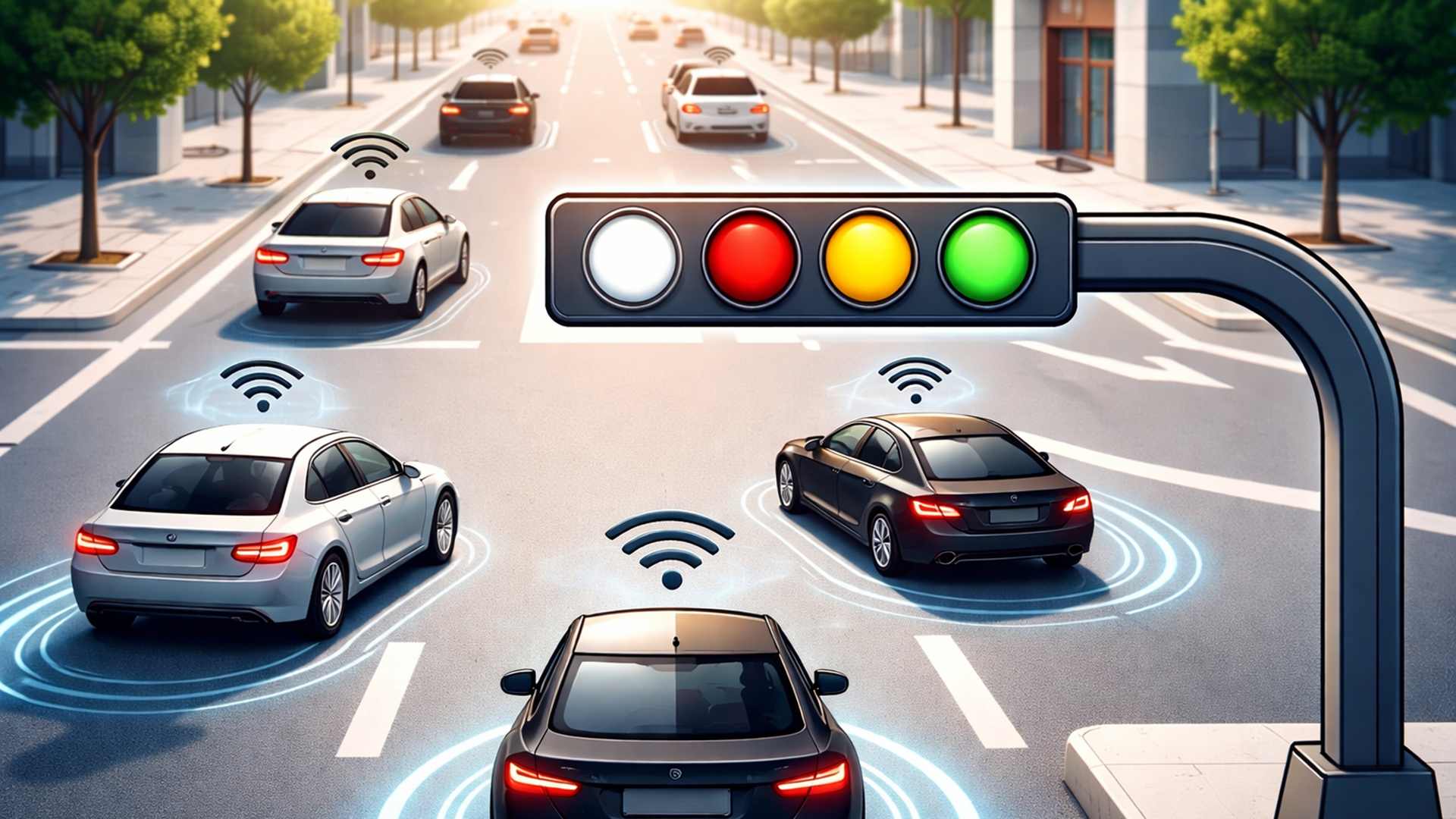
Engineers propose a fourth traffic light for intersections – the change promises to affect crossings, queues, and waiting times.
-
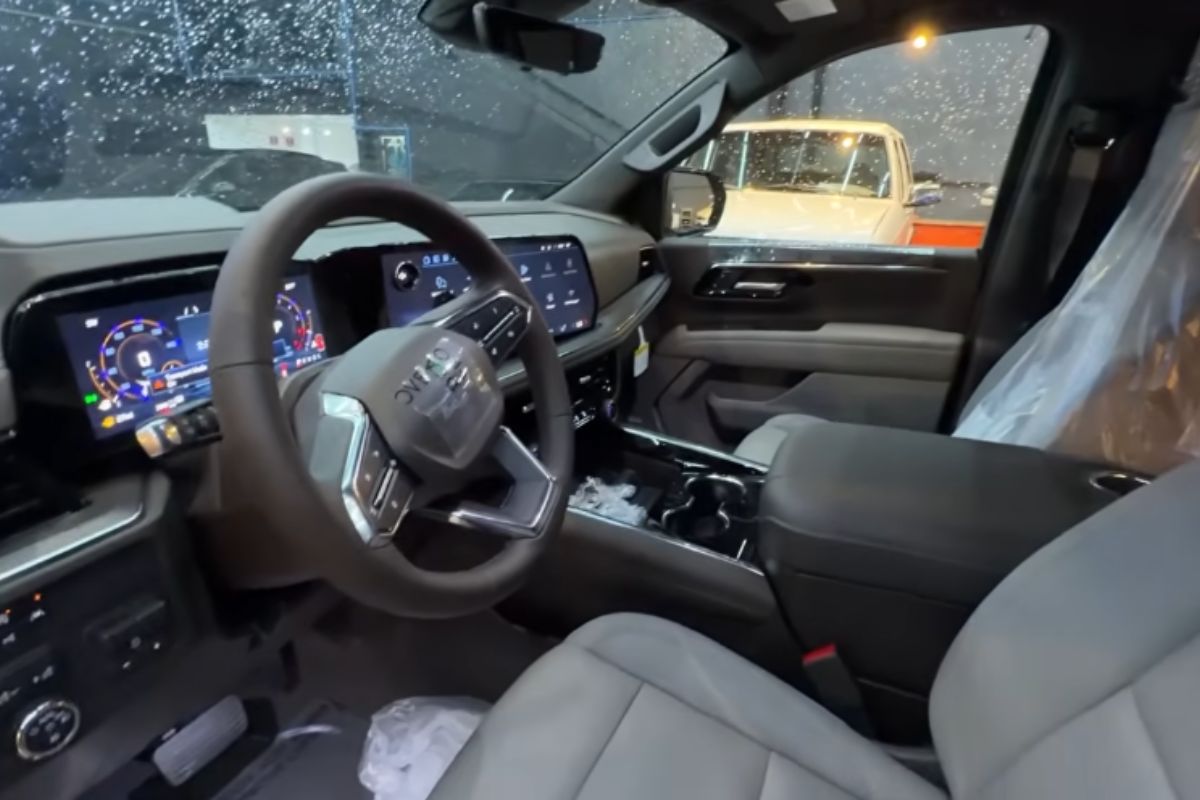
Chevrolet Suburban Z71 lands in Brazil with a V8 engine, off-road design, air suspension, seven seats, and colossal size, a rare version imported for around R$ 1.3 million with luxury and exclusivity.
-
The Chevrolet Onix 1.0 turbo achieves 17.7 km per liter on the highway and ranks among the three most economical cars in Brazil in 2026, alongside two more expensive Toyota hybrids available at dealerships.
-
Little sister of the Hilux: Toyota launches Land Cruiser FJ with 4 radical versions, 2.7 engine with 166 hp and 4×4 traction with locking.

Understand More About StoreDot’s Solid-State Batteries for Electric Cars
The battery chemistry of StoreDot essentially replaces the traditional graphite anode of lithium-ion with nanosized silicon particles, synthesized together with small-molecule organic compounds. This results in a highly potent active material that accommodates silicon changes, such as volume expansion during electric car battery charging, issues with energy decline, prominent rate capacity limitations, and enhanced safety, according to the company’s website.
“The secret lies in our integration of molecular composition and nanoparticles, carefully assembled in an optimized XFC battery cell, achieved over a decade-long research and development process utilizing rigorous machine learning and AI-based data science.”
StoreDot’s XFC cells will be available in pouch and 4680 family formats, the preferred formats by most global automakers. Pioneering work on the cells has been done with the participation of global experts from Israel, the UK, the USA, and China. The ‘100in5’ cells are already being tested in real-world applications by several automotive electric vehicle manufacturers.
Over 100 km of Range in Just 5 Minutes
100in5, 100in3, and 100in2 km per minute charging are three generations of StoreDot’s silicon-dominant XFC, semi-solid state, and complete solid-state technologies.
The company’s goal by 2024 will be achieved using silicon-based batteries with about 300 Wh/kg energy density, while the second phase, in 2028, will require solid-state batteries with 450 Wh/kg energy density. Planned for 2032, the 100in2 battery will mark the transition to the post-lithium era, with over 550 Wh/kg energy density. They represent respectively:
- 100in5 – Over 100 km of range in 5 minutes;
- 100in3 – Over 100 km of range in 3 minutes;
- 100in2 – Over 100 km of range in 2 minutes.









Seja o primeiro a reagir!