Portuguese
  Spanish


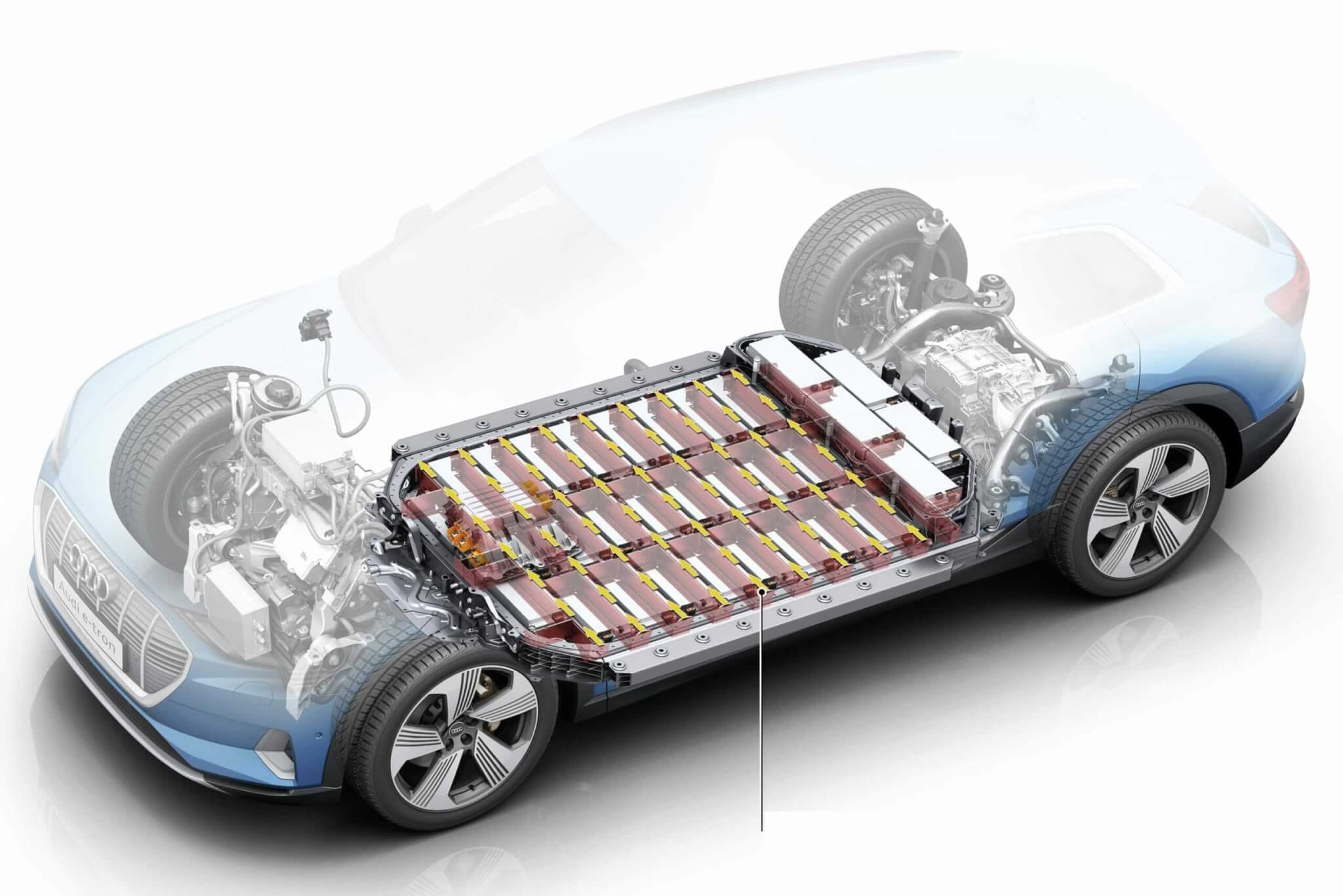

StoreDot Decided to Invest in Battery Autonomy Solutions for Electric Cars. Thus, It Developed a Technology That Regenerates the Battery Even While the Vehicle Is in Use
The evolution of electric cars has some hurdles, and surely the biggest one may be the durability and autonomy that the batteries provide. However, the way to make them more durable, with greater autonomy, may have been found by StoreDot, which developed cells that can automatically regenerate. The technology, patented by the company, ensures that electric car batteries recharge even when the vehicle is in use. Through algorithms and hardware work, cells that experience greater overheating or wear are identified by the system and deactivated until they are restored.
Read Other Related News
StoreDot Aims to Develop Cost-Effective Batteries
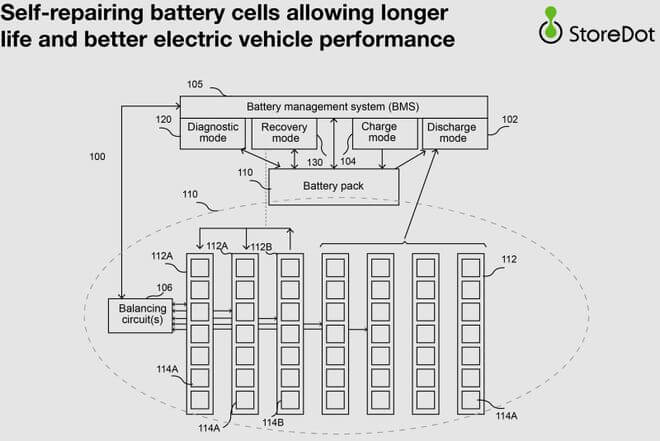
The best part of StoreDot’s new technology for electric cars is that the driver will not feel any change in vehicle performance. To provide context, one of Toyota’s executives stated that the cost of batteries is the factor that makes electric cars much more expensive than conventional combustion vehicles, and that the best approach would be to equip zero-emission vehicles with cells of lower capacity, such as hydrogen.
-
Suitcase-sized hydrogen engine spins at 25,000 rpm, nearly doubling the efficiency of conventional cars and replacing exhaust smoke with water vapor

-
1983 Chevrolet Runs Over 100,000 km Without Gasoline, Powered by Wood Chips, Reaches 125 km/h in Airport Test

-
Workshop Converts Giant Tractor Tire Tricycle into a Three-Wheel Drive Hybrid with 36,000-Watt Electric Motor Capable of Climbing Hills

-
Chery Offers Lifetime Battery Warranty and Car Replacement for Major Failures Under New Chinese Regulations


However, from StoreDot’s perspective, with the use of this technology, batteries will have an increased lifespan and consequently may be offered at a more affordable price to manufacturers. In addition to the self-regenerating battery technology, StoreDot also works with fast-charging models, with a speed 50% higher than what is currently used in the sector.
The estimate is that by 2024, these batteries will be available for sale in the electric market for negotiation with manufacturers worldwide. It is worth noting that StoreDot is also working on its next generation of XED, with ultra-density solid-state batteries expected to enter mass production by around 2028.
In an Attempt to Optimize Combustion Cars, Saietta Group Developed a New Engine
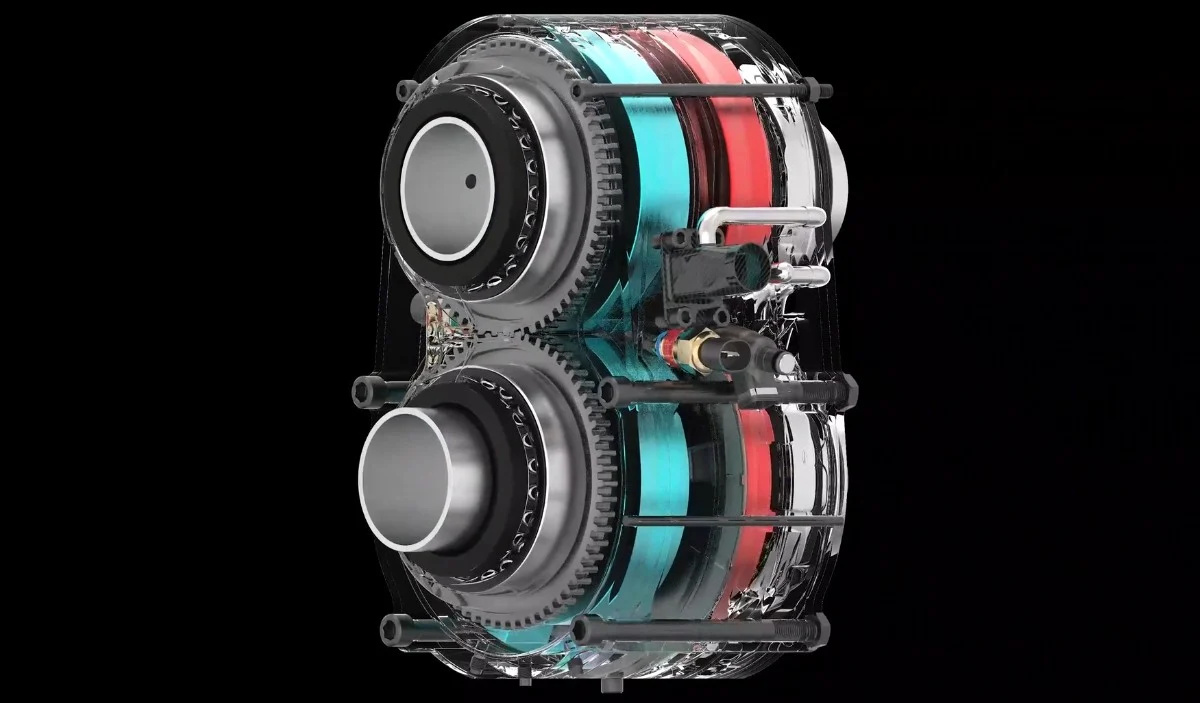
In another project aimed at solving the battery impasse, Saietta Group has created a new engine, named AFT 140, which promises to revolutionize the electric car sector in the future.
The AFT 140 is a permanent magnet motor designed to make electric cars more efficient with just one charge. The inclusion of the product in the wheels of vehicles also reduces the number of necessary parts, thereby decreasing the total weight of the assembly.
Studies on New Electric Batteries Are Increasing and Provide Alternatives for Future Electric Car Owners
In addition to separate projects, other types of batteries for electric cars are already being produced, such as solid-state batteries, which are starting to take shape.
The company advancing these studies is Solid Power, a joint venture between Ford and BMW. The first test production of these new batteries is scheduled to begin next year.
Although these batteries present some production difficulties, they offer higher energy density, a greater expected lifespan, and lower production costs for manufacturers. Additionally, lithium-ion cells are seen as more susceptible to fires and explosions due to overheating.