





 English
  Francês
  Alemão
  Italiano
  Japonês
  Norueguês
  Portuguese
  Spanish
 6 min of reading
  0 comments


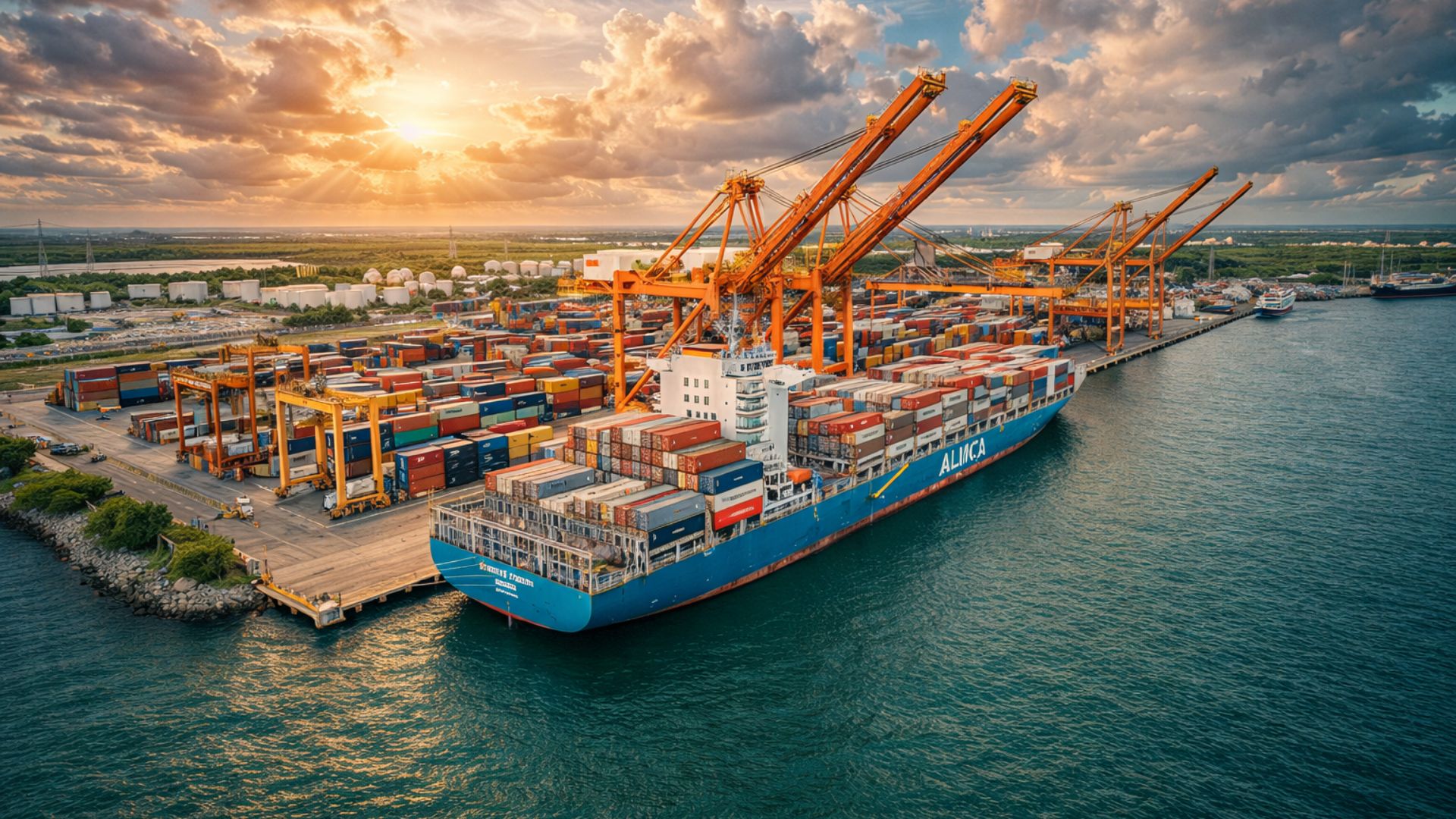
Suape Port Receives Electrified Equipment, Enhances Operational Efficiency, and Strengthens Clean Port Logistics in Latin America, Driving Sustainability and New Maritime Trade Routes.
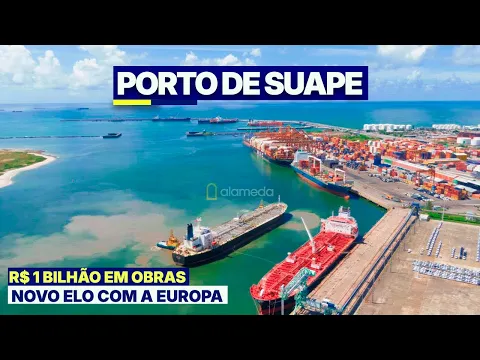
The Suape Port took a significant step to solidify its position as one of the main logistics hubs in the country by receiving 28 state-of-the-art pieces of equipment destined for the new container terminal operated by APM Terminals. According to an article published by Folha de Pernambuco on March 10, the arrival of the machines marks a new chapter in the expansion of the Pernambuco port complex and reinforces the advancement of clean port logistics in Brazil.
The project positions the terminal as the first in Latin America to operate a fully electrified container terminal. The initiative meets a growing demand from international trade for more efficient logistics chains aligned with global environmental goals. By eliminating the use of fossil fuels in cargo handling, the operation strengthens the port’s sustainability strategy and enhances its competitiveness in the international maritime landscape.
During the announcement of the arrival of the equipment, the governor of Pernambuco, Raquel Lyra, stated that the state government is working to expedite the start of operations at the new terminal. After a dialogue with company executives during a visit to Denmark, the expectation is that the operation’s start, initially planned for another stage of the schedule, will be advanced to May.
-
With earth, bamboo, straw, and lime mortar, a specialist builds a house for just over $460 and draws attention for its cost being much lower than traditional construction.

-
Rodrigo de Freitas Lagoon advances in environmental recovery with sanitation, elimination of irregular sewage, and the resumption of water sports in Rio de Janeiro.

-
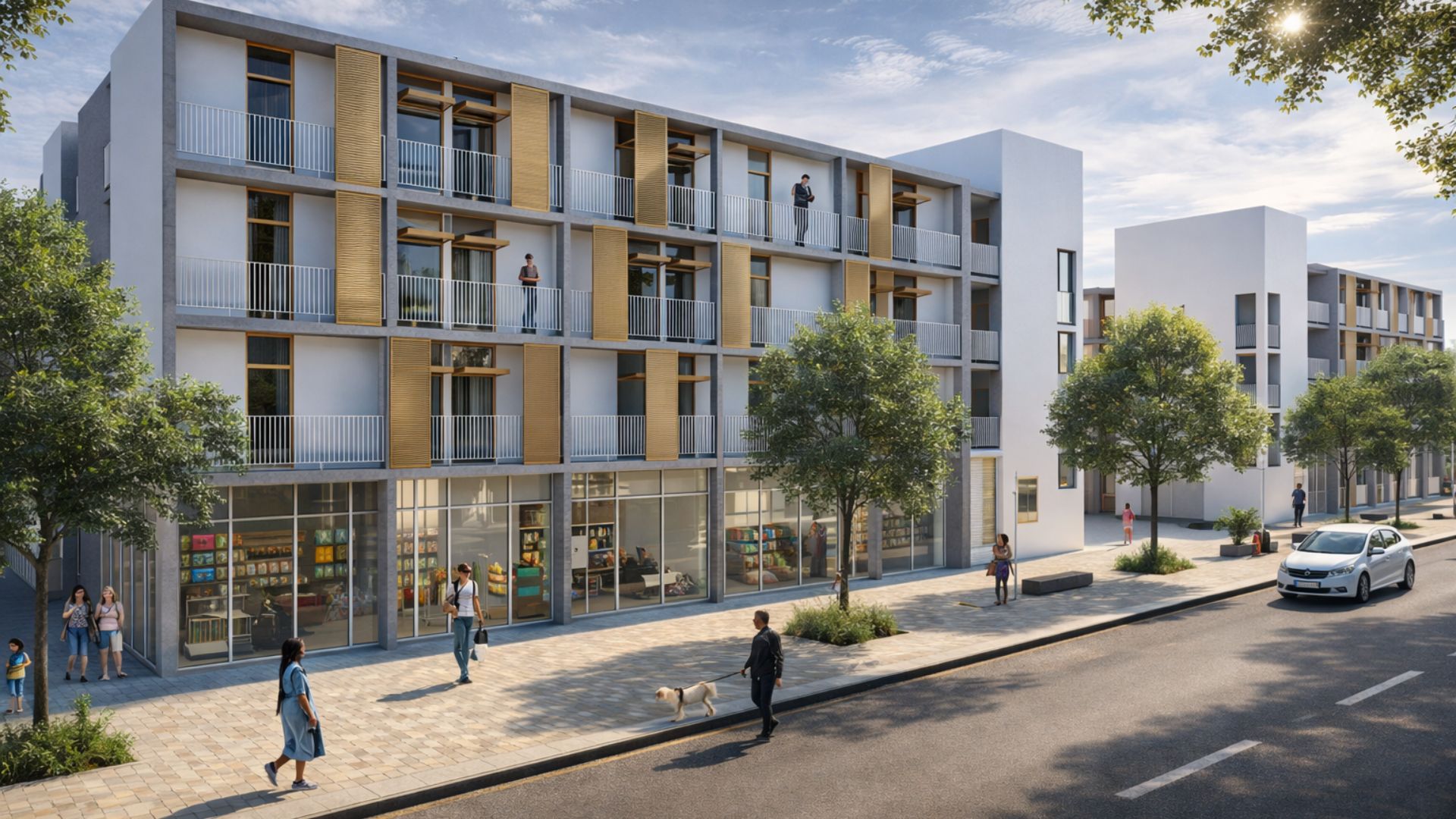
Sustainable housing gains strength with a nationally awarded project in Campo Grande, highlighting innovative solutions that combine sustainability, urban integration, and efficiency in the use of natural resources.
-
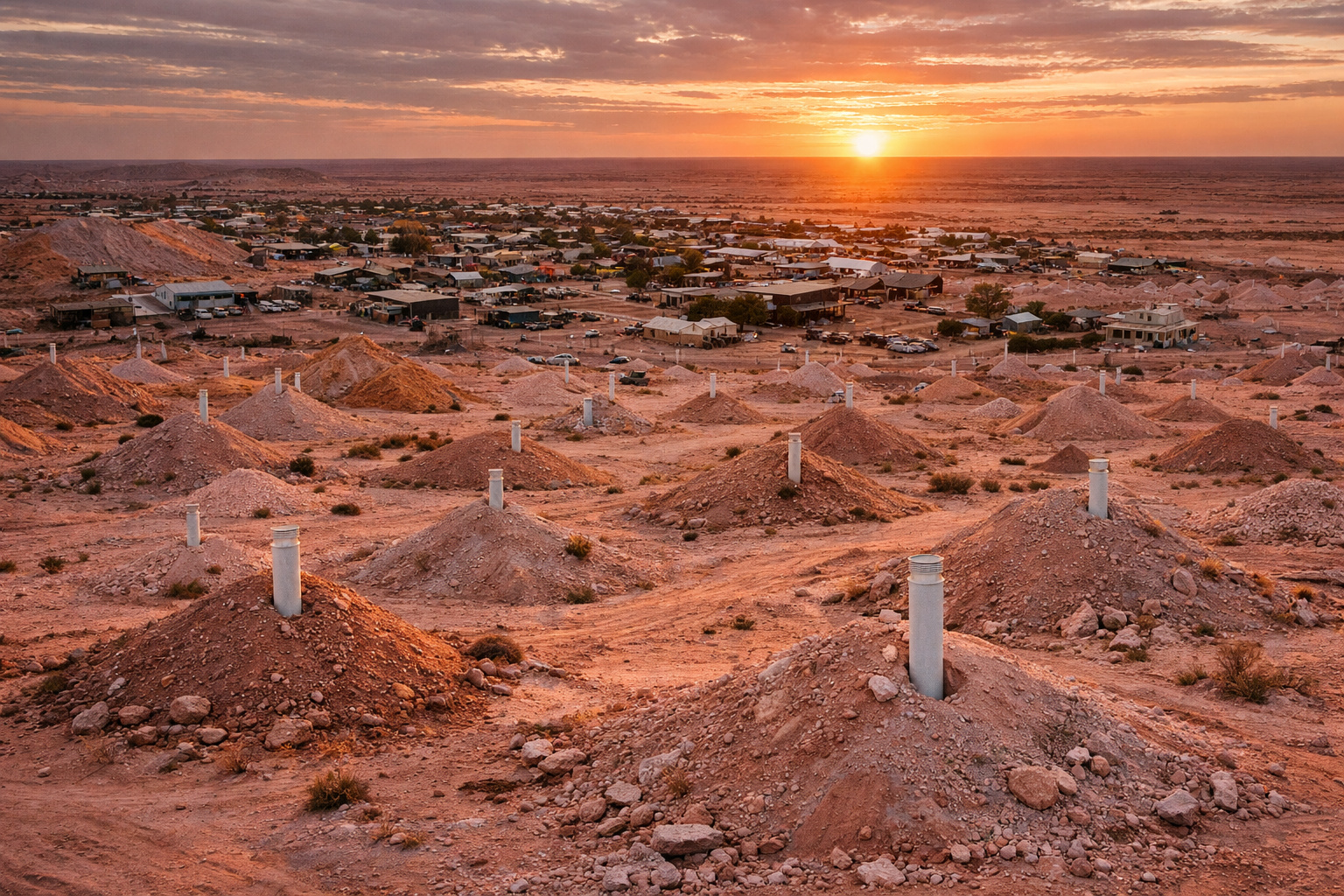
City Where Residents Live Underground to Escape 52°C May Be a Picture of the Future on an Increasingly Hot Planet

In addition to modernizing the port infrastructure, the investment also opens new perspectives for foreign trade in the Northeast. The expansion of the port’s logistical capacity is expected to attract new maritime routes, increase the flow of regional exports, and strengthen Brazil’s position in global maritime transport chains.
Suape Port Boosts Clean Port Logistics with New Electrified Terminal
The arrival of the new equipment represents a significant change in the operational standard of the Suape Port. Among the machines are Ship-to-Shore (STS) cranes and other container handling equipment designed to operate exclusively with electric power.
These pieces of equipment replace fossil fuel-powered systems traditionally used in port terminals. The electrification of operations reduces carbon emissions, decreases air pollution, and improves the energy efficiency of port activities.
The investment for the acquisition of the new machines reaches approximately R$ 241 million. This amount is part of a larger investment package that exceeds R$ 2 billion until the complete project of the new terminal is finalized.
According to Daniel Rose, president of APM Terminals Suape, the modernization of port infrastructure creates conditions to increase the Northeast’s participation in global trade routes. The executive emphasizes that new maritime routes are already under negotiation with international shipping companies interested in operating in the complex.
The increase in logistical capacity can also benefit exporting sectors in the region, including industry, agribusiness, and production chains that rely on efficient port infrastructure to access international markets.
Electrical Infrastructure Strengthens Sustainability and Operational Efficiency of Suape
The operation of the new terminal relies on an energy infrastructure designed to ensure stability and efficiency in the electricity supply. The operation has a network formed by electrical substations and seven electrocenters, responsible for distributing energy to the cranes and other handling equipment.
This structure allows the machines to operate continuously with renewable energy, eliminating the use of fossil fuels in the main stages of cargo handling. The model represents an important advance in the port’s sustainability strategy.
Another differentiator is the use of technology for the remote operation of the equipment. Digital systems allow for remote control of cranes and container handling vehicles, increasing operational precision and reducing operational risks.
In addition to environmental benefits, electrification also helps reduce operational costs over time. Electric equipment tends to show greater energy efficiency and lower maintenance needs compared to diesel-powered machines. These factors help make the terminal more competitive and aligned with the new environmental requirements of international trade.
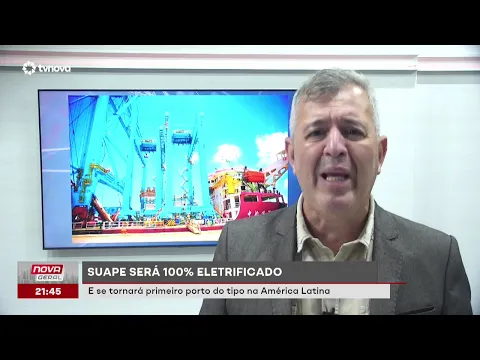

Suape Port Gains Prominence in the Transformation of Port Logistics in Latin America
The modernization of the Pernambuco port complex occurs at a time of transformation in the global maritime sector. In recent years, ports in different regions of the world have begun to invest in technologies aimed at decarbonizing operations.
Major logistics operators and international shipping companies have made commitments to reduce greenhouse gas emissions across the transport chain. This includes everything from energy efficiency in ships to the modernization of ports and cargo terminals.
In this context, initiatives for clean port logistics gain strategic relevance. Ports capable of offering operations with lower environmental impact gain a competitive advantage in attracting maritime routes and international investments.
By adopting a fully electrified terminal, the Suape Port integrates into this global movement. The installed infrastructure positions the complex as one of the most advanced examples of port modernization in Latin America.
In addition to reducing environmental impacts, modernization also increases the operational capacity of the terminal. This means greater efficiency in container handling, reduced operation times, and increased agility in logistics activities.
Investments Expand Trade Routes and Strengthen Sustainable Logistics Chains
The expansion of port infrastructure also opens new opportunities for Brazilian foreign trade. The increase in operational capacity may attract new international shipping companies interested in establishing regular routes in the Northeast.
According to executives from APM Terminals, negotiations with shipping operators are already underway to increase the presence of international lines at the port. The expectation is that the new terminal will help strengthen the region’s role in global supply chains.
For exporting companies, modern port infrastructure can represent significant gains in competitiveness. Reduced logistics costs, greater operational efficiency, and improved reliability in transport times are decisive factors in international trade.
Additionally, the adoption of practices aligned with sustainability also meets a growing demand from international markets. Many countries and companies have begun to require stricter environmental standards across the entire production chain. In this context, ports that invest in technological innovation and emission reductions stand out in the global landscape.
Logistics Innovation and Sustainability Consolidate a New Cycle of Regional Development
The expansion of the container terminal represents more than an investment in port infrastructure. For industry experts, the project symbolizes the construction of a new operational standard for maritime logistics in Brazil.
The combination of technology, electrification, and digitalization of operations strengthens the position of Suape Port as one of the main logistics hubs in the country. At the same time, the complex increases its capacity to meet international trade demands for more efficient and sustainable logistics chains.
This movement is also expected to generate positive impacts on the regional economy. Increased cargo handling may stimulate new industrial investments, strengthen local production chains, and expand job opportunities in the logistics sector.
Moreover, the presence of modern infrastructure may attract companies interested in establishing operations close to a port with a high level of efficiency and aligned with clean port logistics practices.
By advancing in this model, the Pernambuco complex positions itself as an emerging reference for port modernization in Latin America. The combination of technological innovation, logistical expansion, and commitment to sustainability demonstrates that the Brazilian port sector is beginning to align more consistently with the transformations of global trade.









Seja o primeiro a reagir!