





 Portuguese
  English
  Spanish
  4 min of reading
  0 comments


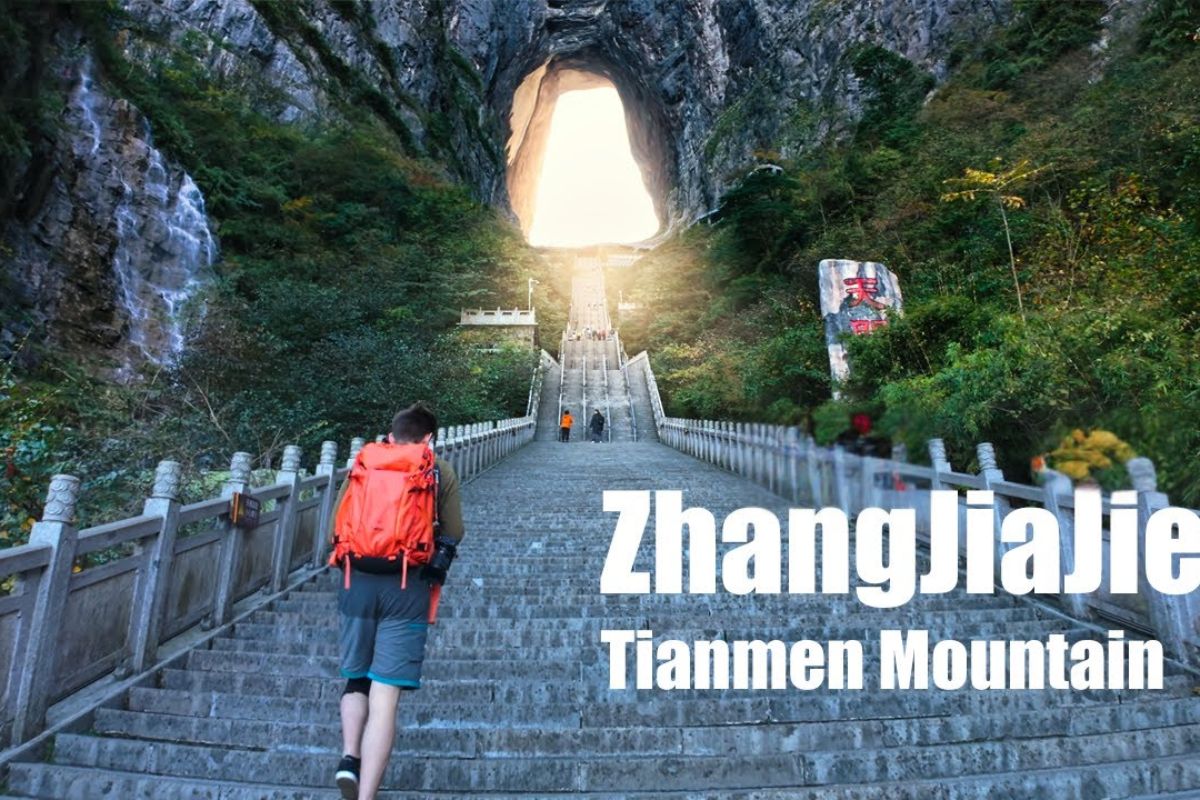
With 7,455 Meters of Extension, the Longest Cable Car in the World Connects the City to Tianmen Mountain, Reveals Surreal Landscapes, Culminates at Tianmen Cave, and Challenges Visitors with 999 Steps to the Sky.
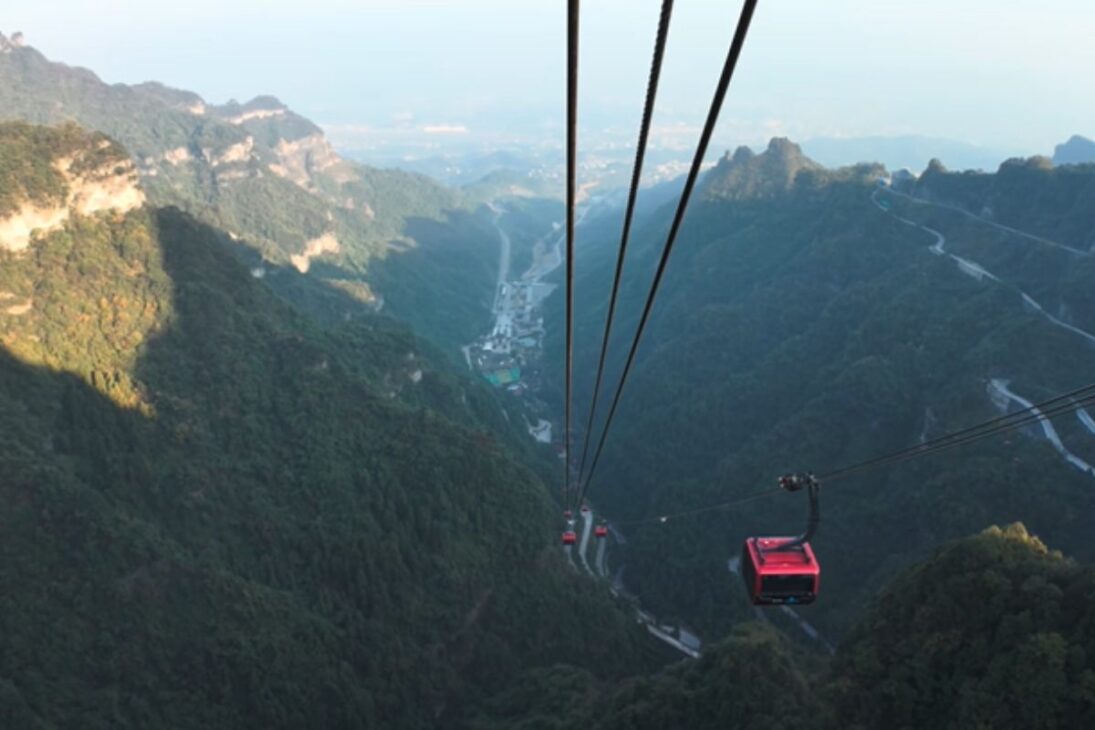
The longest cable car in the world in Zhangjiajie travels 7,455 meters over valleys, cliffs, and slopes that seem to have been sculpted by artists of wind and water. The journey starts from the city and ends near Tianmen Cave, a monumental natural arch that opens among clouds, mist, and dawn light.
To enjoy the ride with fewer lines and less crowded cabins, boarding before 8 AM is crucial. The ascent reveals dramatic curves of the mountain road, gorges, and a sudden change in climate at the top, where the temperature can drop by 5 to 10 degrees compared to the base.
The Crossing of 7,455 Meters and the Visual Impact
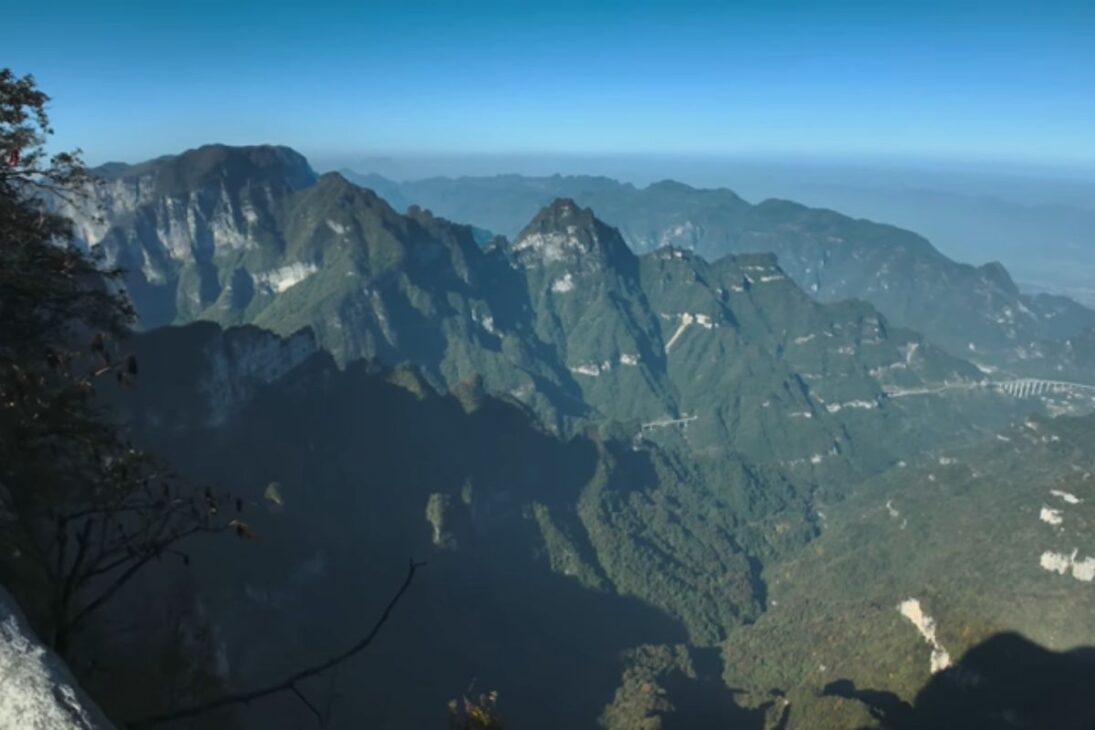
Along the way, visitors observe a rare geological mosaic, with steep slopes and a succession of peaks that appear and disappear in the mist.
-
The low-cost solution called PatchPal, invented in South Africa to fix potholes in minutes, does not crack and prevents water from entering, becoming more compact with each car that drives over it, revolutionizing road repairs that governments have forgotten.

-
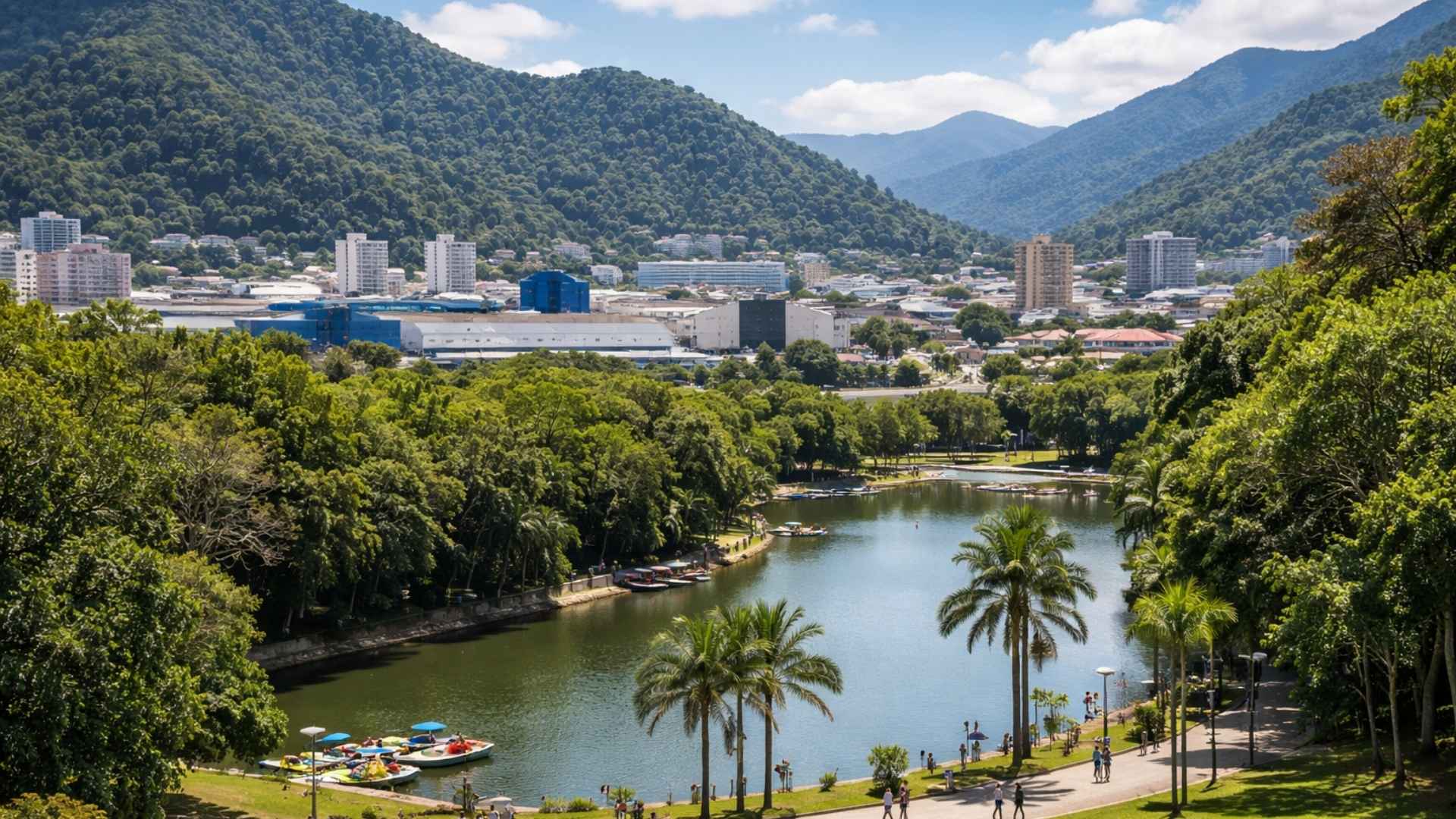
The 2nd safest city in Brazil is attracting new residents, industries, formal jobs, and also has a giant free park.
-
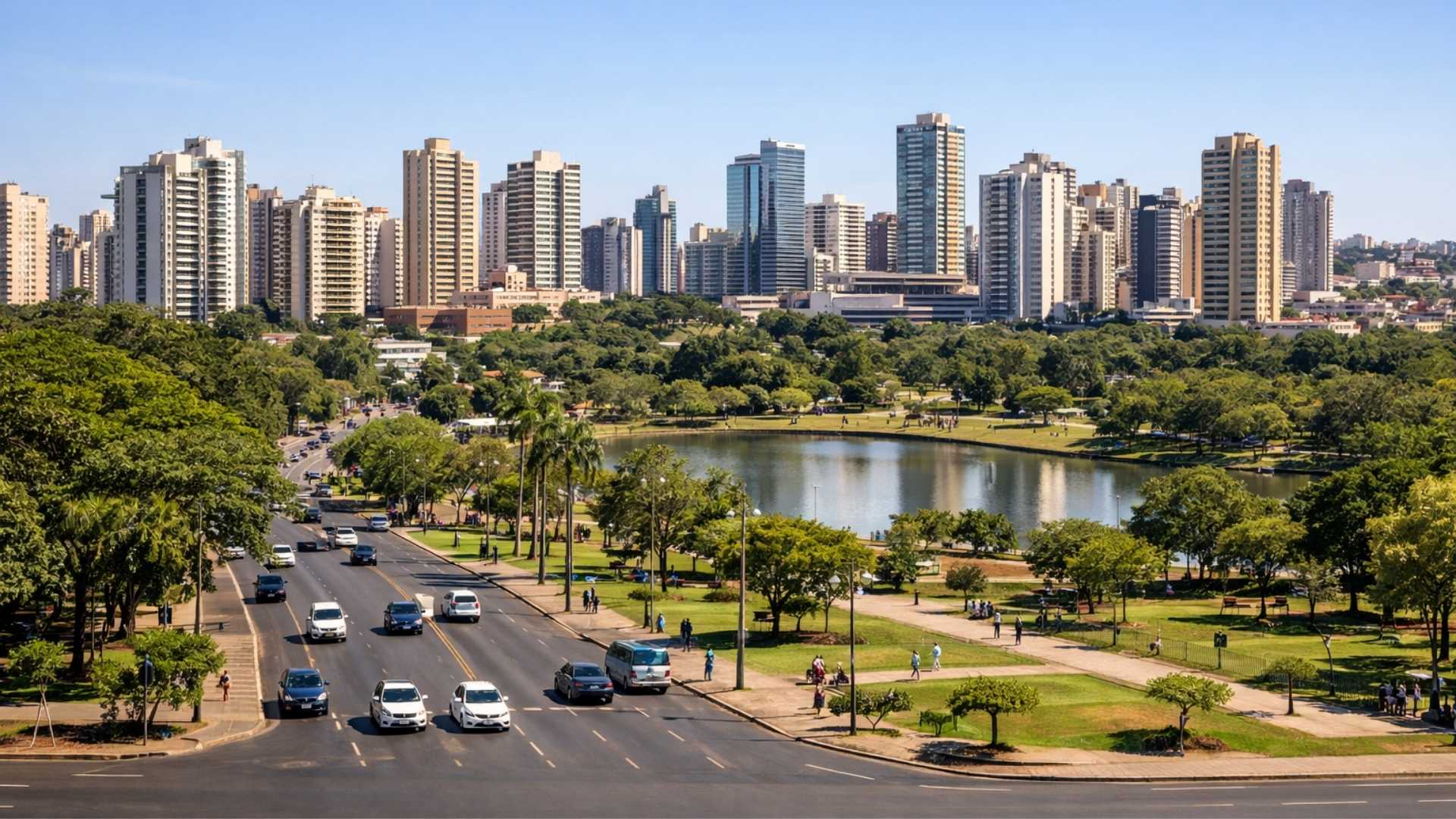
“Brazilian California”: the city is one of the best places to live in Brazil.
-
A collector bought a black stone in Morocco in 2011 without knowing that he had in his hands a Martian meteorite 4.45 billion years old with ten times more water than any other fragment of Mars ever found on Earth.

The feeling is of crossing a suspended corridor between the urban and the ethereal, with sections that seem to lead directly to the sky.
The operation of the system prioritizes safety. Maintenance is performed weekly, and inspection protocols accompany the extraordinary length of the line.
The stability of the cabins, the wide visibility, and the progression of elevation create an intense technical and emotional experience.
Tianmen Cave and the 999 Steps
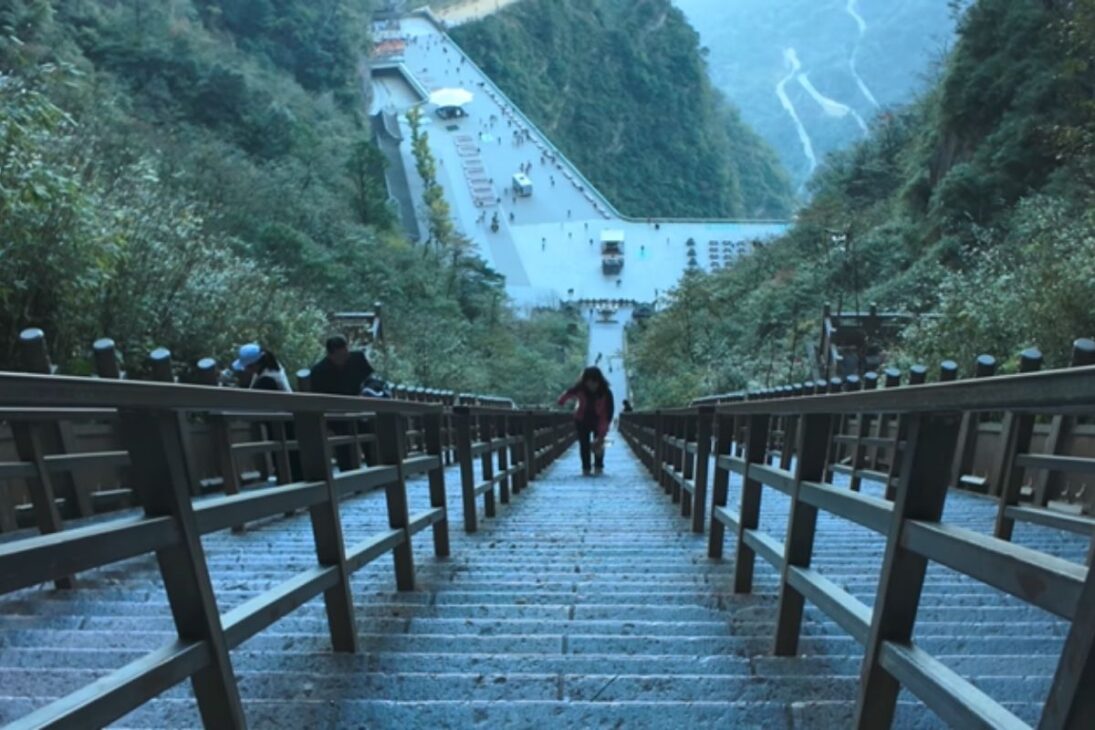
Upon disembarking, Tianmen Cave dominates the landscape. Viewed from the front, its natural opening creates a luminous window that changes color throughout the day, sometimes shrouded in mist that escapes as if it were the mountain’s breath.
The staircase of 999 steps winds like a silver dragon, imposing a short and steep physical challenge.
The average ascent takes 20 to 30 minutes, but it’s common to try faster paces. The incline requires breath and rhythm, so it’s ideal to alternate steps and pauses, especially for those who do not train cardio regularly.
For those who prefer to conserve energy, there are escalators that cover the elevation in successive modules.
Cliff Walkways and Glass Walkway
After the access square, walkways begin over slopes and abysses. The so-called Corridor of Clouds offers, on clear days, views of a sea of clouds and overlapping peaks, a scene that classical Chinese describe as worthy only of the sky. Walking in this section is a gradual immersion in edges, viewpoints, and narrow curves.
The glass walkway adds a psychological component. The transparent floor exposes the void beneath the feet and enhances the perception of depth.
The access costs 5 yuan (R$3.77) and requires shoe covers, a simple solution to keep the surface clean and safe. For many visitors, the initial fear gives way to fascination.
Routes at the Top, Temples, and Rest Areas
On the plateau, marked routes organize the flow. Route B, on the west wing, requires about one kilometer of walking to reach its start, with variations in incline and sections along the edge of the cliff. Along the way, rest areas gather shops and restaurants to regain calories and adjust the itinerary.
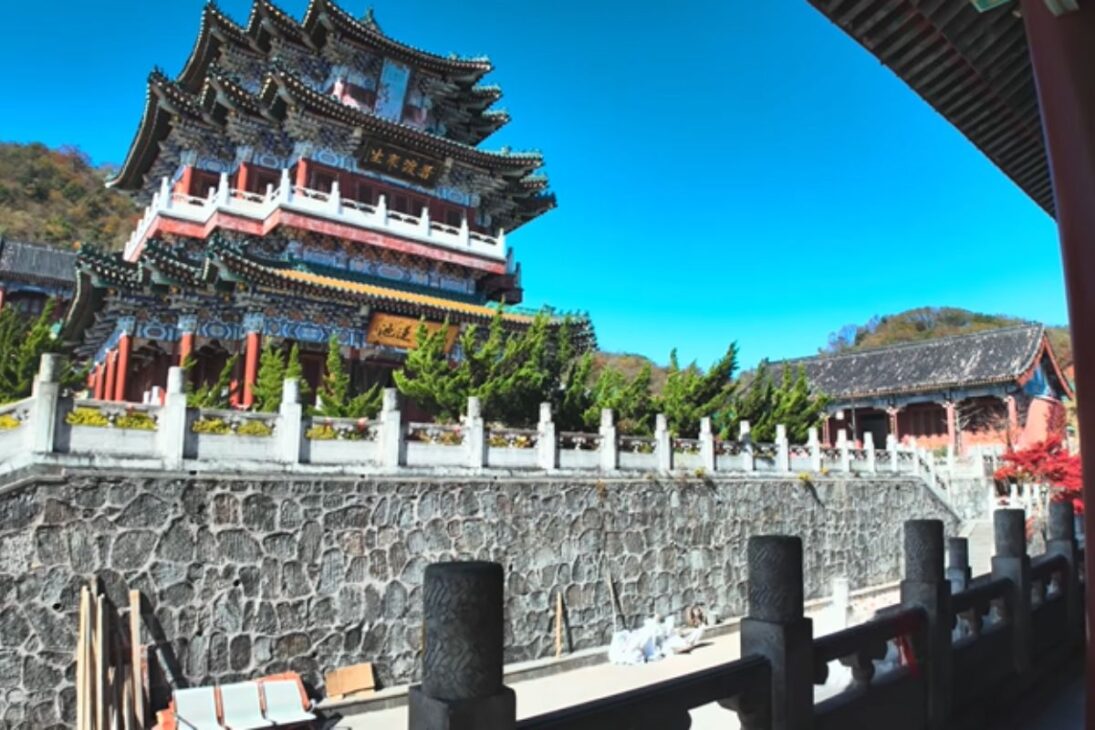
The Tianmen Mountain Temple emerges as a point for contemplative pause. The architectural complex, built at altitude, impresses with its setting in difficult terrain and the atmosphere of chants that echo in the distance.
The combination of engineering, faith, and landscape completes the panoramic picture at the top.
Weather, Safety, and Visitor Logistics
The thermal amplitude requires planning. The temperature at the top is typically 5 to 10 degrees lower, making light jackets or layers essential, even on sunny days.
In cold conditions, the perceived temperature on the cliff walkways increases the demand for footwear with good grip.
To reduce crowds, starting the visit at sunrise is the most efficient strategy.
The operating team provides guidance on potential temporary closures of sections for maintenance and on the use of mechanical alternatives for ascent or descent. The descent by cable car completes the circuit with new angles of the city and the valleys.
Cultural Experience and Visitor Flow
Zhangjiajie receives a diverse international audience. It is notable the presence of South Korean tourists, to the point that the language becomes common in groups and informational signs.
The infrastructure absorbs this demand with ticket offices, signage, and services distributed along the walkways.
In addition to contemplative tourism, the scenery attracts extreme challenge practitioners, such as wingsuit flights and occasional events on the road of 99 curves.
On busy days, lines concentrate at the connections between the cable car, staircases, and glass walkways.
With 7,455 meters of aerial crossing, the longest cable car in the world organizes a narrative in three technical and sensory acts: flying over valleys, ascending the 999 steps, and crossing the cliff walkways.
The combination of logistics, safety, and landscape makes Tianmen Mountain a complete experience for those who tolerate altitude and want to see the relief function as architecture.
For you, would the highlight of this journey be facing the 999 steps, tackling the glass walkway, or contemplating Tianmen Cave from the cabin at dawn?






-

-

-

-

-

22 pessoas reagiram a isso.