





 Portuguese
  English
  Spanish
  3 min of reading


The IAEA, Which Monitors TNP Members, Will Assess Brazil’s Request Regarding Nuclear Power for the Submarine
On June 7, it was reported by the PetroNotícias portal that Brazil began dialogue with the International Atomic Energy Agency (IAEA) regarding permission for the use of nuclear fuel for the operation of the country’s first nuclear-powered submarine. The submarine will be built in Itaguaí, a municipality in the state of Rio de Janeiro, near the Navy and NUCLEP.
Meanwhile, other submarines belonging to the Riachuelo Class, which use diesel fuel, are already under development. Of these, there are two models ready, Riachuelo and Humaitá, and two that remain under construction, Tonelero and Angostura.
The submarines that use nuclear power as fuel can remain submerged in the sea for a much longer period than conventional submarines and also entail a specific proliferation risk, considering they operate beyond the monitoring capacity of IAEA inspectors.
-
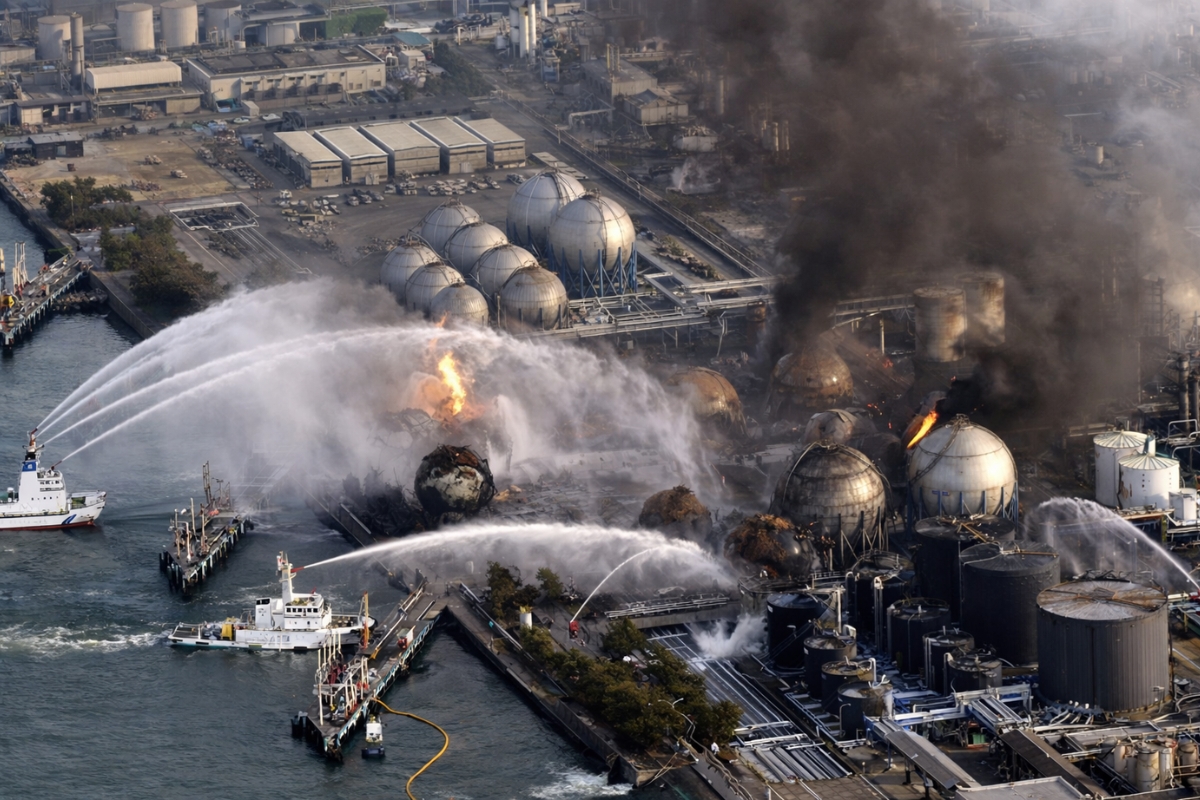
Fukushima Marks A Turning Point In Japan’s Energy Policy: After The Disaster, The Country Shut Down Its 54 Nuclear Reactors And, 15 Years Later, Only A Small Portion Have Returned To Operation
-
How Japan Overcame The Nuclear Bomb And Now Houses Millions In Hiroshima, While Ukraine Lost Chernobyl?

-
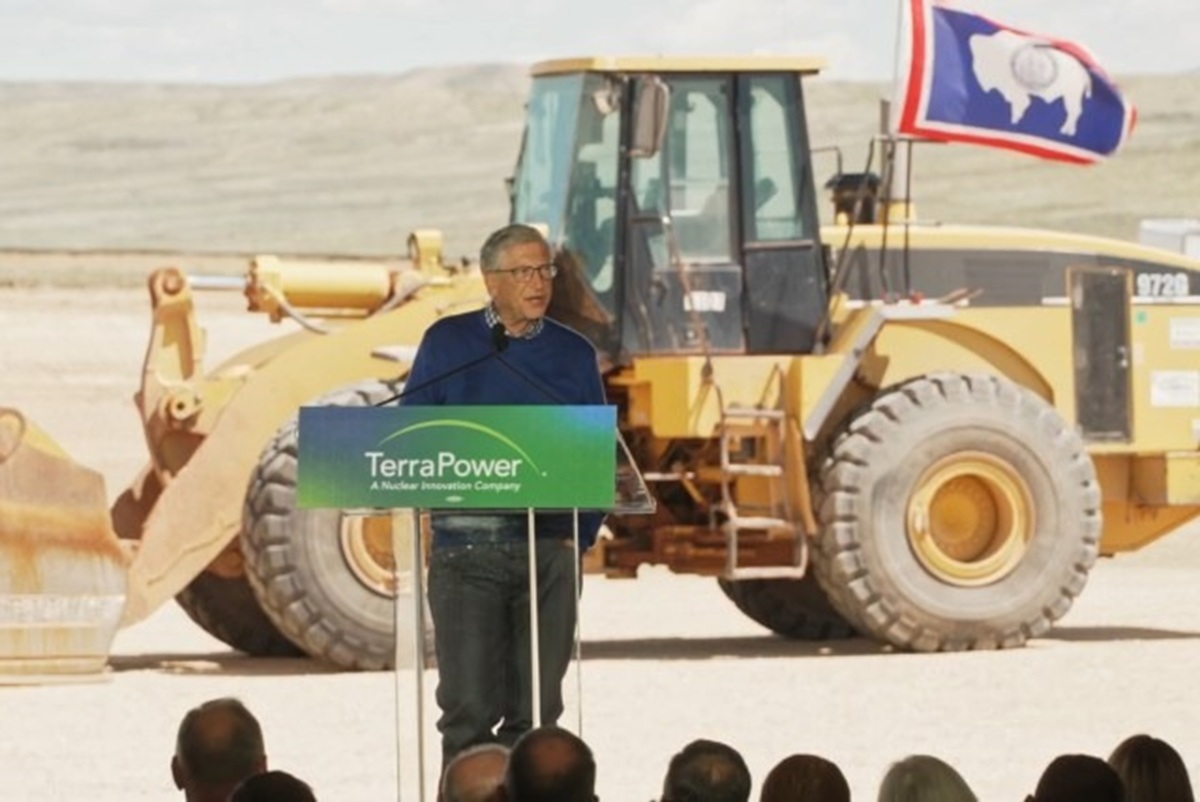
Bill Gates Receives Historic Approval to Build Giant 345 MW Nuclear Plant in the U.S. and Promises to Generate Up to 500 MW of Energy with Innovative Technology
-
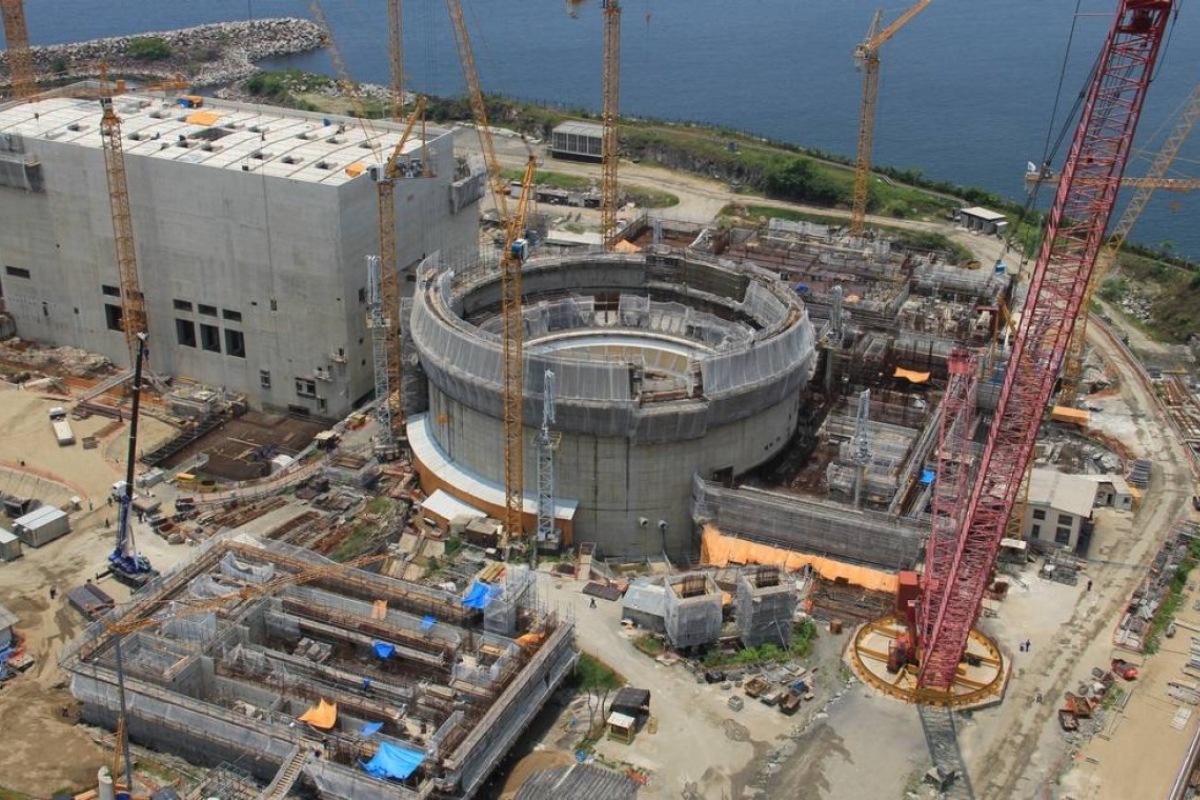
India Opens Nuclear Energy to Private Capital to Accelerate Projects and Attract Billions, While Brazil Remains Stalled at Angra 3 and Discusses Who Will Foot the Bill for Completion

Besides the P5, Will Brazil Be the First TNP Member to Use a Nuclear Submarine?
To date, no country involved in the Treaty on the Non-Proliferation of Nuclear Weapons – including Brazil itself – has owned a submarine that uses nuclear energy, except for the five permanent members (P5) of the United Nations Security Council (UN). Also identified as nuclear-armed states, the P5 consists of: United States, Russia, China, France, and the United Kingdom.
Last year, there was a similar move among the United States, United Kingdom, and Australia – known as Aukus – to secure nuclear-powered submarines for Australia, as it, like Brazil, does not possess any type of nuclear weapon.
The only nation outside the P5 that has a nuclear-powered submarine is India. However, it is not a signatory to the NPT, therefore it is not subject to the general inspections and monitoring by the IAEA.
About the Country’s Request for the Use of Nuclear Energy
Rafael Grossi, head of the UN agency, is already aware of Brazil’s requests regarding the use of nuclear energy for the atomic submarine. The country intends to produce a nuclear-powered submarine under a partnership with Naval Group, a French defense company. The chosen name for the nuclear submarine is SN Álvaro Alberto (SN-BR).
In this regard, Rafael Grossi stated, in a declaration for a meeting that occurs every three months of the IAEA Board of Governors, that it is important to establish a formal dialogue between Brazil and the Agency. “Another important development is related to Brazil’s formal communication to initiate discussions with the Secretariat of the (IAEA) regarding a Special Procedures arrangement for the use of nuclear material under safeguards in nuclear propulsion and the operation of submarines and prototypes,” said the head.
To conclude, Grossi added: “More meetings are scheduled for the coming months, and I intend to present a report to the Council in September. I would like to express my satisfaction with the engagement and transparency demonstrated by the three countries so far.”
After the Agreement, OneSubsea Submarine Will Be Installed in the Atlanta Field, Enauta’s Main Oil Exploration Site
The first week of March brought innovation and news for OneSubsea, which has just signed a contract with Enauta. The agreement involves the development of the final production system at the Atlanta field, Enauta’s main oil production asset located in the Santos Basin, and also includes an extensive subsea operation, with planning that includes subsea processing systems, subsea production systems, and Christmas Trees.
To learn more, click this link to read the full article.




Seja o primeiro a reagir!