





 Portuguese
  English
  Spanish
  8 min of reading
  0 comments


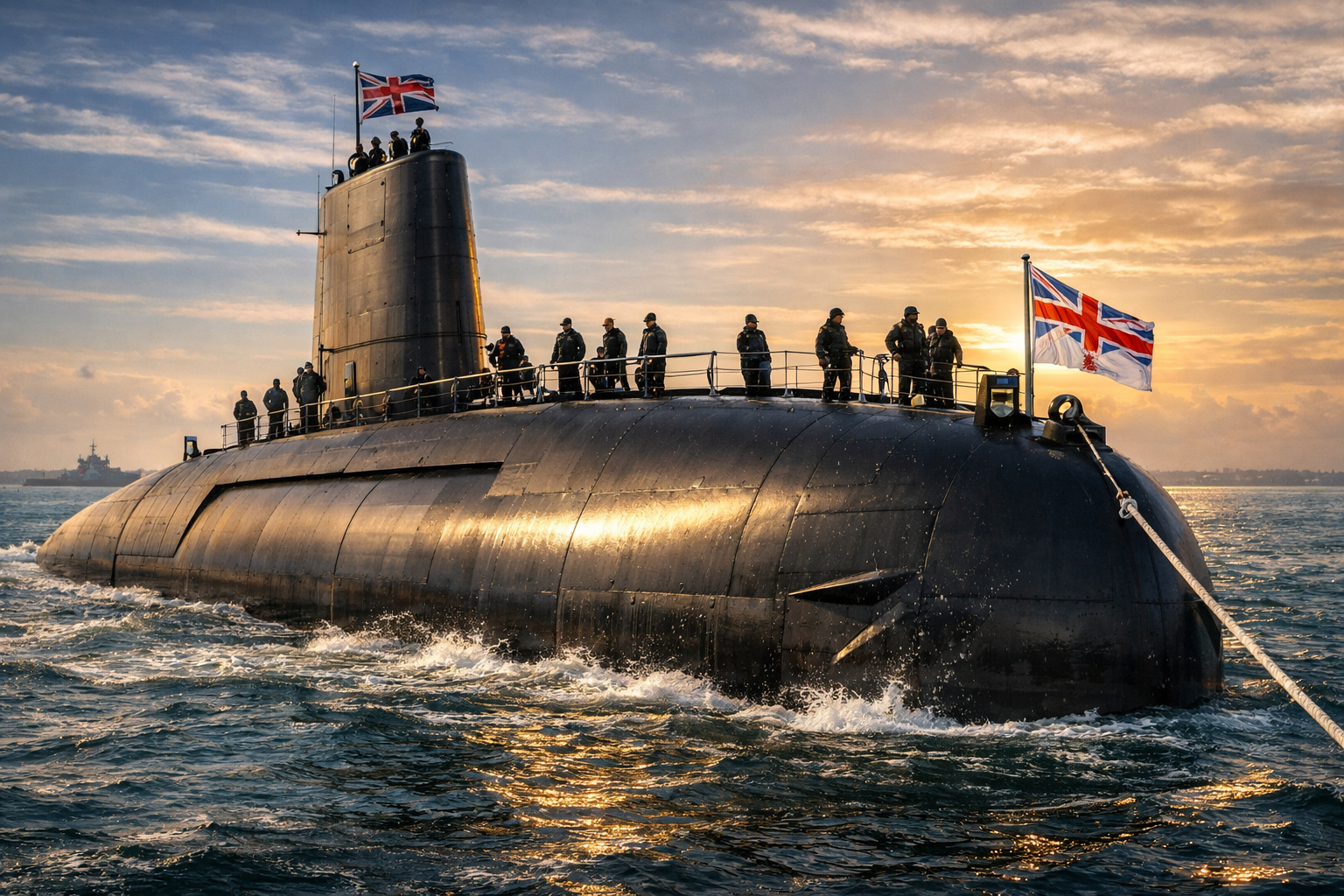
Nuclear Agreement Between United Kingdom and USA Began in 1962 Evolved Into the Dreadnought Submarine, Largest Military Program Currently in the UK, With a Reactor That Lasts 40 Years and a Missile Compartment Shared With the New American Columbia Submarines.
The Dreadnought Nuclear Submarine Marks a New Phase in the Nuclear Partnership Between the United Kingdom and United States That Began in 1962: In December 1962, British Prime Minister Harold Macmillan Embarked for the Bahamas Carrying an Urgent Strategic Problem. The U.S. Government Had Canceled the Skybolt Missile Program, a Weapon That the United Kingdom Planned to Use to Maintain Its Nuclear Deterrence Capability in the Following Decades. Without This System, London Faced the Risk of Losing Its Main Strategic Guarantee. During Three Days of Intense Meetings With President John F. Kennedy in Nassau, Macmillan Tried to Convince Washington to Offer an Alternative. The Result Was a Historic Agreement That Would Shape Nuclear Cooperation Between the Two Countries for the Next Six Decades.
The So-Called Nassau Agreement Established That the United States Would Provide Polaris Missiles to the Royal Navy, While the United Kingdom Would Build Its Own Submarines to Carry Them and Maintain Independent Control Over the Launch of Nuclear Warheads.
It Was a Deep Partnership, but There Were Still Important Differences: Each Country Designed and Built Its Own Submarines and Launch Systems. What Is Currently Being Produced in Barrow-in-Furness, in Northwest England, Represents a Significant Step Beyond That. For the First Time, British and American Engineers Are Building Submarines With The Same Nuclear Missile Compartment, Manufactured on the Same Industrial Lines and Installed in Both Fleets.
-
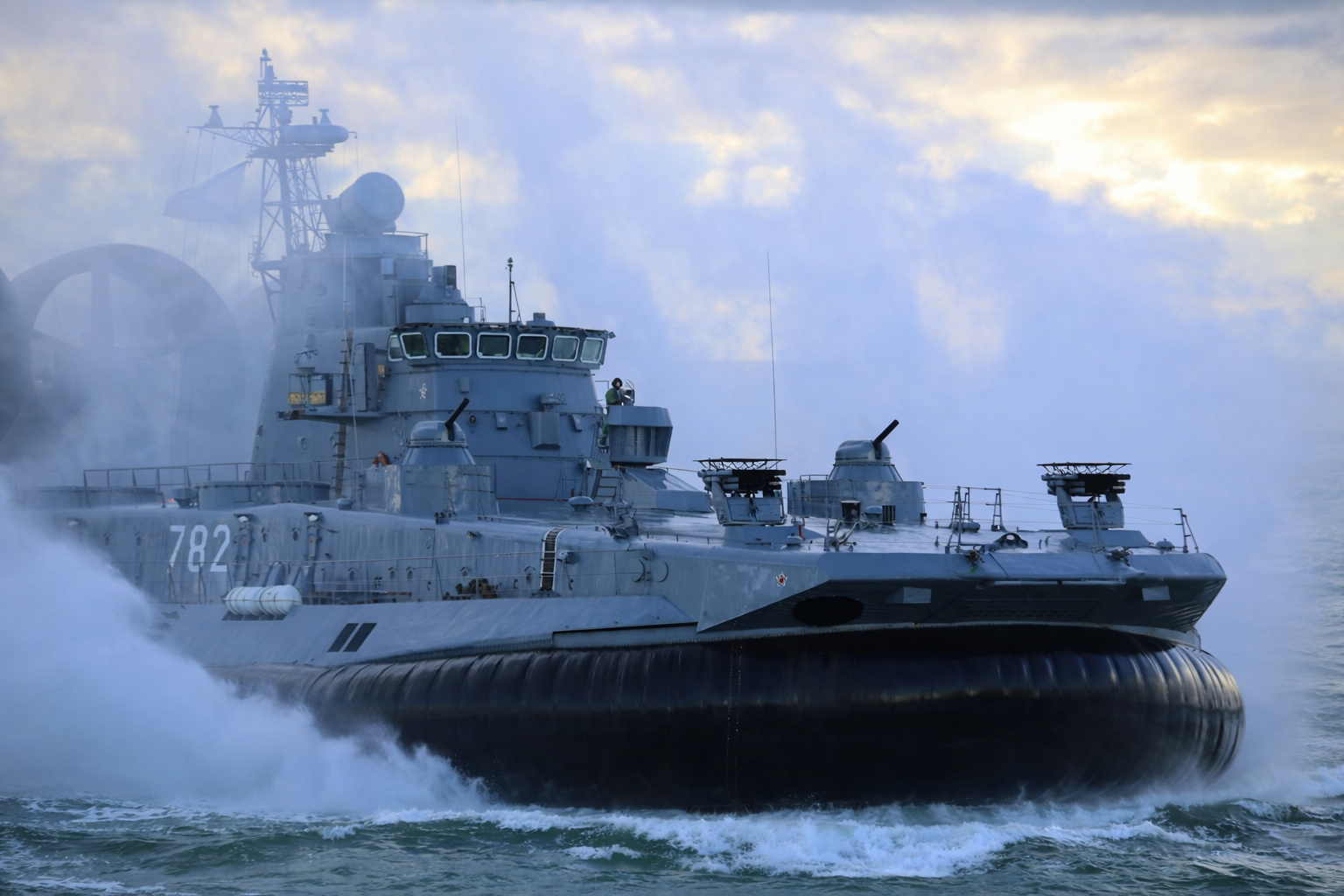
Classified as a “amphibious monster” weighing 555 tons, 57 meters long, and featuring three propellers with a diameter of 5.5 meters, the Zubr is the largest military hovercraft ever built, capable of transporting 3 tanks or 500 soldiers at speeds exceeding 100 km/h over water, ice, and sand, and China has resumed production of it to project power in the South China Sea.
-
The U.S. Army receives the first Black Hawk helicopter that can fly without pilots, be controlled by a tablet, and even land on its own during high-risk missions.

-
With 11,000 tons and sensors capable of hunting submarines at long distances, the Type 055 has become one of the most feared floating arsenals of the Chinese navy.

-
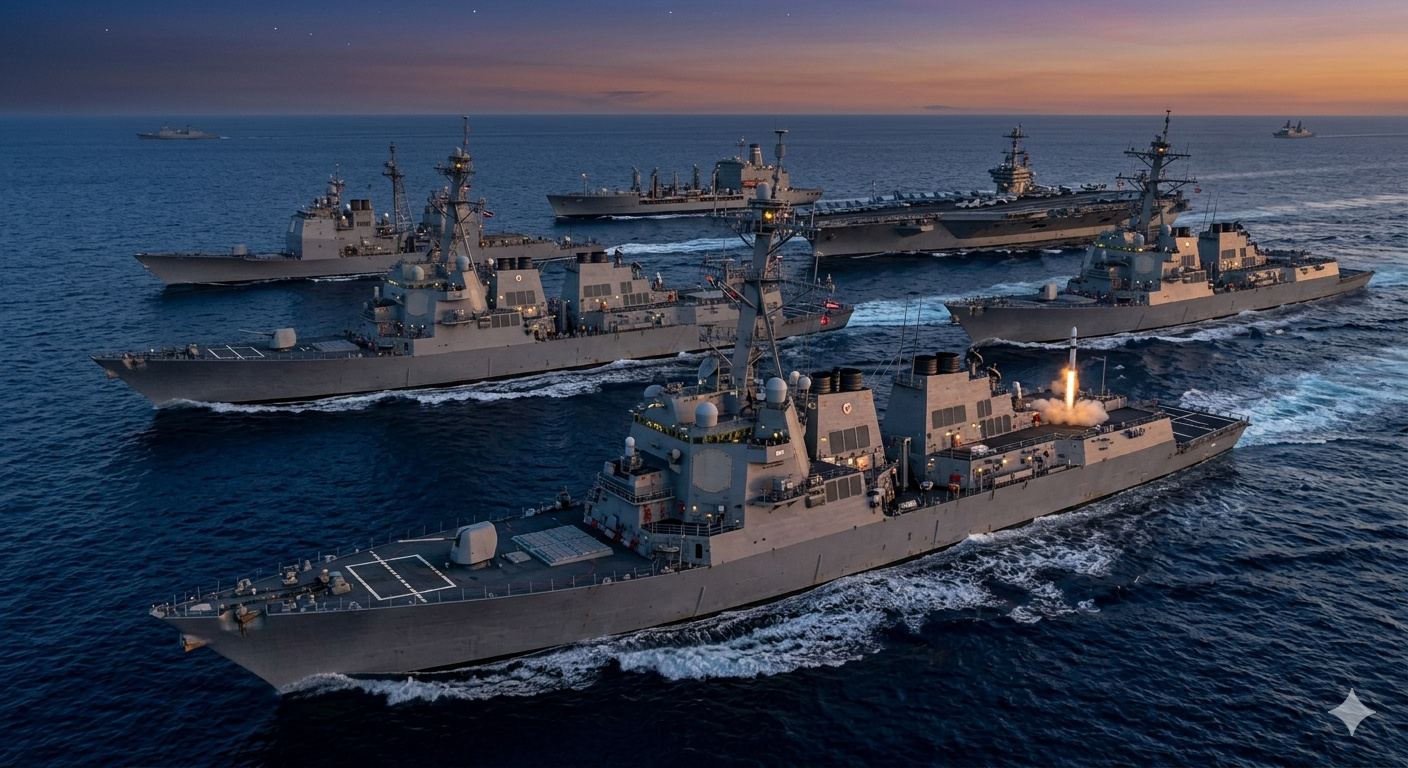
With over 15,000 tons, radars capable of tracking hundreds of targets simultaneously, and more than 120 missiles ready for launch in seconds, modern destroyers cease to be escorts and begin to dominate the naval battlefield.
Why the Vanguard Nuclear Submarines Need to be Replaced
The Current British Maritime Nuclear Force Consists of Four Vanguard-Class Submarines: HMS Vanguard, HMS Victorious, HMS Vigilant, and HMS Vengeance. These Ships Entered Service Between 1993 and 1999 and Were Originally Designed to Operate for About 25 Years.
This Timeline Has Already Been Exceeded. Although the Royal Navy Has Managed to Extend the Lifespan of These Submarines Through Successive Refurbishments and Upgrades, Each Maintenance Cycle Becomes More Expensive and Time-Consuming Than the Previous One. Nuclear Reactors Have Physical Limits of Operation, Electronic Systems Age, and the Hull Structure Itself Experiences Wear After Decades of Withstanding Extreme Pressures in the Depths of the Ocean.
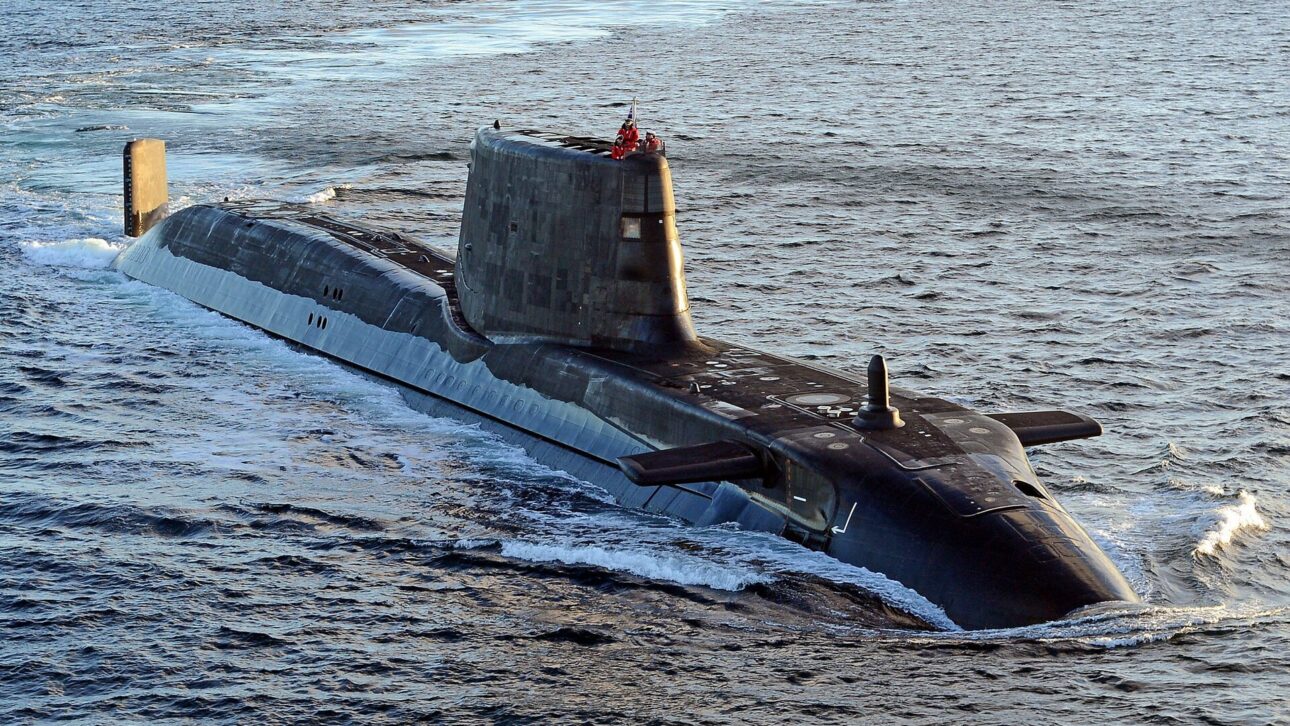
There Comes a Time When Keeping Old Ships Operational Costs More Than Building a New Generation of Strategic Nuclear Submarines.
Since April 1969, the United Kingdom Has Maintained a Policy Known as Continuous At Sea Deterrent (CASD), Which Requires That at Least One Armed Nuclear Submarine Is Always on Patrol Somewhere in the Ocean. The Logic of This Strategy Is Simple: The Enemy Never Knows Where the British Submarine Is, but Knows That It Exists and Can Respond to Any Nuclear Attack Against the Country.
This Continuous Patrol Has Never Been Interrupted. It Has Been More Than Fifty Years of Uninterrupted Nuclear Deterrence at Sea. Maintaining This Policy With Increasingly Aging Vanguard Submarines Requires That Two or Even Three Ships Be Simultaneously Under Heavy Maintenance, Dangerously Reducing the Operational Margin of the Fleet. In 2016, the British Parliament Voted in Favor of Building a New Class of Submarines to Replace the Vanguard. The Decision Was Approved by an Overwhelming Majority: 472 Votes in Favor and 117 Against.
The Dreadnought Class Program Was Officially Born.
Dreadnought Class: The Largest Ongoing Defense Program in the UK
The Construction of the New Generation of British Nuclear Submarines Began in October 2016, When the First Steel Cut of HMS Dreadnought Was Conducted at the BAE Systems Shipyard in Barrow-in-Furness. This Shipyard Is the Only One in the UK Capable of Constructing Nuclear Submarines.
In March 2025, the Ship’s Keel Was Officially Laid in a Ceremony Presided Over by Prime Minister Keir Starmer, Marking What the British Consider the Formal “Birth” of the Submarine.
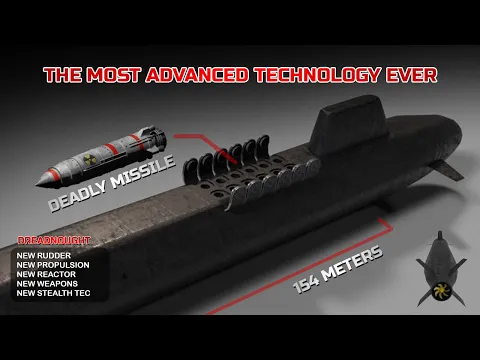

The New Class Will Consist of Four Units:
- HMS Dreadnought
- HMS Valiant
- HMS Warspite
- HMS King George VI
The Steel Cut of the Fourth Submarine Began in September 2025, Meaning That All Four Ships Are Already in Some Stage of Construction Simultaneously. This Is the Largest Military Project Currently Underway in the UK.
The Numbers Illustrate the Scale of the Program. Each Submarine Will Be About 153.6 Meters Long and Have a Submerged Displacement of Approximately 17,200 Tons, Dimensions Equivalent to Three Olympic Swimming Pools Aligned. Each Hull Will Contain Over 26 Miles of Internal Piping and More Than 200 Miles of Electrical Cables Distributed Across Five Levels of Decks.
The Crew Will Comprise About 130 People, Including Technical Specialists, Officers, Cooks, and a Doctor. The Total Estimated Cost of the Program Is £31 Billion, Along With a Contingency Reserve of £10 Billion. By March 2024, the British Ministry of Defence Had Already Invested £17.4 Billion in the Project. According to the Government, HMS Dreadnought Is Expected to Begin Its First Operational Patrols in the Early 2030s.
The PWR3 Nuclear Reactor That Can Operate for 40 Years Without Refueling
The Technological Heart of Each Dreadnought-Class Submarine Will Be the PWR3 (Pressurised Water Reactor 3) Nuclear Reactor, Developed by Rolls-Royce. In January 2025, the Company Received a £9 Billion Contract from the Ministry of Defence to Design, Manufacture, and Support the Royal Navy’s Nuclear Reactors Over the Following Eight Years.
The PWR3 Represents a Significant Evolution Compared to the PWR2 Reactor Used in the Vanguard Submarines. The Main Improvement Lies in the Lifespan of the Reactor Core.
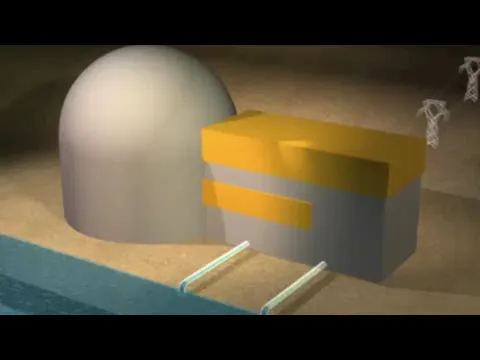
The New Reactor Is Designed to Operate Throughout the Submarine’s Operational Life — Estimated Between 35 and 40 Years — Without the Need for Nuclear Fuel Reloading.
In Traditional Nuclear Fleets, Reloading the Reactor Requires the Submarine to Be Taken Out of Service for Two to Four Years. Eliminating This Step Significantly Increases the Time Each Ship Remains Available for Missions.
Moreover, the Dreadnoughts Also Incorporate Modern Systems Such as Fly-By-Wire Control for Underwater Maneuvering and the Type 2076 Sonar from Thales, Considered One of the Most Advanced Submarine Detection Systems Ever Installed in British Submarines.
The Missile Compartment Shared With American Columbia Submarines
The Most Revolutionary Feature of the Dreadnought Class Is Not the Reactor, the Sonar, or the Dimensions of the Hull. It Is at the Core of the Submarine. In 2008, the American Shipyard General Dynamics Electric Boat Received the Contract to Design a New Ballistic Missile Launch Compartment for the Future Columbia-Class Nuclear Submarines, Which Will Replace the Ohio in the U.S. Navy.
Four Years Later, in 2012, It Was Announced That the Same Design Would Be Shared With the British Successor to the Vanguard Class. This Gave Birth to the So-Called Common Missile Compartment (CMC). This Module Contains Three Sections With Four Launch Tubes Each, Totaling Twelve Tubes Per Submarine. The Design Is Exactly the Same in Both the British Dreadnought Submarines and the American Columbia Submarines.
The British Company Babcock Manufactures the Launch Tube Sets in Rosyth and Bristol for Both Fleets. Since 2014, Dozens of Modules Have Already Been Produced for Both Programs. For the First Time in History, Two Countries With Independent Nuclear Arsenals Are Using the Same Physical Compartment to Launch Their Strategic Missiles.
The Trident II Nuclear Missile and the Attack Capability of the New Submarines
The Dreadnought Submarines Will Be Equipped With the Trident II D5 Ballistic Missile, Already Used by the Royal Navy Since the 1990s, but Now in an Updated Version Called D5LE (Life Extension).
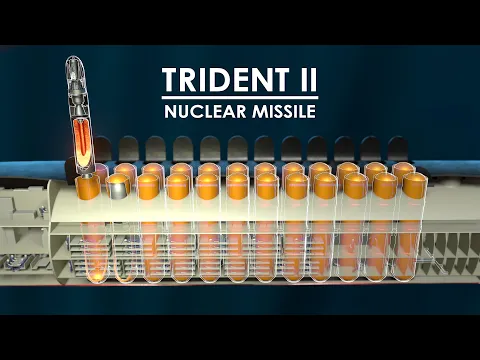
This Missile Has an Operational Range of Approximately 7,360 Kilometers and Can Carry Multiple Independent Nuclear Warheads, Known as MIRVs. Theoretically, Each Missile Can Carry Up to 14 Warheads, but International Arms Control Agreements Limit the Number Actually Used. The Current British Nuclear Policy States That Each Submarine on Patrol Carries No More Than 40 Nuclear Warheads.
Although the Dreadnought Submarines Have Twelve Launch Tubes, Only Eight Will Be Used for Operational Missiles. The Other Four Function as Ballast for Structural Balance of the Ship.
The Nuclear Integration Between the United Kingdom and United States Has Never Been Deeper
The Sharing of the Missile Compartment Represents an Unprecedented Level of Industrial and Technological Integration Between Two Nuclear Powers. The Tubes That Carry the British Missiles Are Designed in the United States, Partially Manufactured in the United Kingdom, and Installed in Submarines Built by BAE Systems in Barrow-in-Furness.
At the Same Time, Components Produced in the Same British Factories Are Also Sent to Connecticut, Where They Are Installed in American Columbia-Class Submarines.
Despite This Industrial Integration, Control of the Nuclear Warheads Remains Entirely National. The United Kingdom Maintains Its Own Warheads, and the Final Launch Decision Remains Exclusively in the Hands of the British Government.
The Historical Legacy of the Name Dreadnought in the Royal Navy
The Name Dreadnought Has Deep Historical Weight in British Naval Tradition. The First Ship with This Name That Revolutionized Naval Warfare Was the Battleship HMS Dreadnought Launched in 1906. Its Innovative Design Made the Entire Previous Generation of Warships Immediately Obsolete.
Decades Later, in 1960, the Name Was Used Again for the First British Nuclear Submarine.
Now, More Than a Century After the Original Ship, the Name Returns in a New Generation of Strategic Submarines. The New HMS Dreadnought Symbolizes the Continuity of Over Sixty Years of Uninterrupted Nuclear Deterrence for the United Kingdom at Sea.
The Future of British Nuclear Deterrence in the 21st Century
The HMS Dreadnought Is Expected to Enter Operational Service in the Early 2030s, With Estimates Pointing to 2032. The Other Three Submarines of the Class Will Enter Operation Over the Following Decade. When the Last Vanguard-Class Submarine Is Retired, the United Kingdom Will Have Maintained Uninterrupted Nuclear Patrol for Over Sixty Years.
The Program Also Has a Significant Economic Impact. It Directly Supports About 30,000 Jobs in the British Defense Industry and Could Raise the Total Number of Workers in the Military Nuclear Sector to About 65,000 by 2030.
At the Barrow-in-Furness Shipyard, the Number of Employees Has Already Increased From 11,000 in 2023 to Over 13,500 in 2025. The New Generation of Submarines, Combining British Engineering, Advanced Nuclear Technology, and Industrial Integration With the United States, Represents the Most Recent Chapter of a Strategic Partnership Initiated Over Six Decades Ago in the Bahamas.







-

2 pessoas reagiram a isso.