





 Portuguese
  English
  Spanish
  3 min of reading
  0 comments


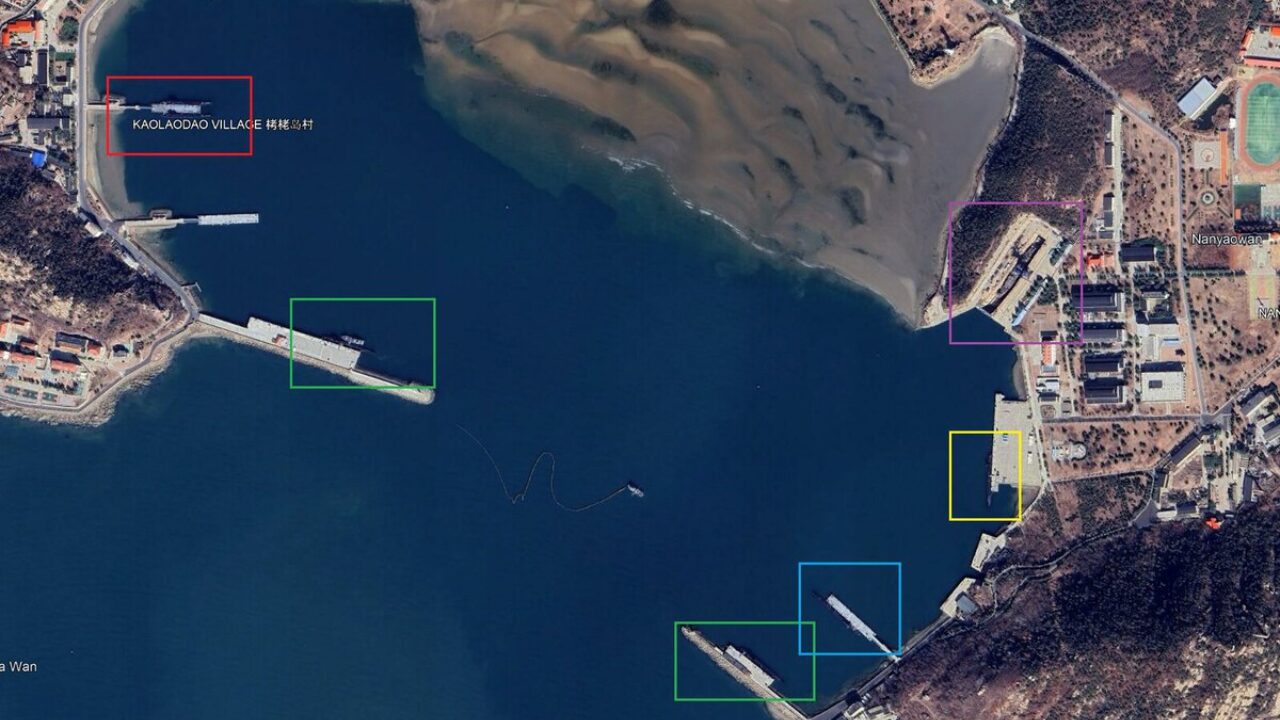
Recent Google Earth Images Expose Chinese Navy Strategic Movements, Revealing At Least Six Nuclear Submarines at Naval Base Previously Considered Secret in Shandong Province.
The Silent Rise of China in the Global Military Arena Just Gained Another Revelatory Chapter. Thanks to an Update in Satellite Images on Google Earth, a Naval Analyst Identified At Least Six Nuclear Submarines Docked at the First Submarine Base in Qingdao — a Military Installation of High Sensitivity That, Until Recently, Operated Under Strong Secrecy.
Located in Shandong Province, the base has direct access to Geostrategic Regions Such as the Yellow Sea, East China Sea, and Sea of Japan. The Revelation, Made by Alex Luck, a Naval Affairs Specialist, Rekindles the Debate About China’s Advancement in Developing Its Maritime Nuclear Deterrence Force, in an Era Where Not Even Secret Bases Escape the Surveillance of Digital Mapping Platforms.
Images Reveal Active and Diverse Nuclear Submarine Fleet
The Captured Images Show an Impressive Array of Submarines: Two of the Type 091 Class, Two Type 093A, and One Yet-to-be-Identified Example, Along with a Unit in Dry Dock, Possibly in the Process of Decommissioning.
-
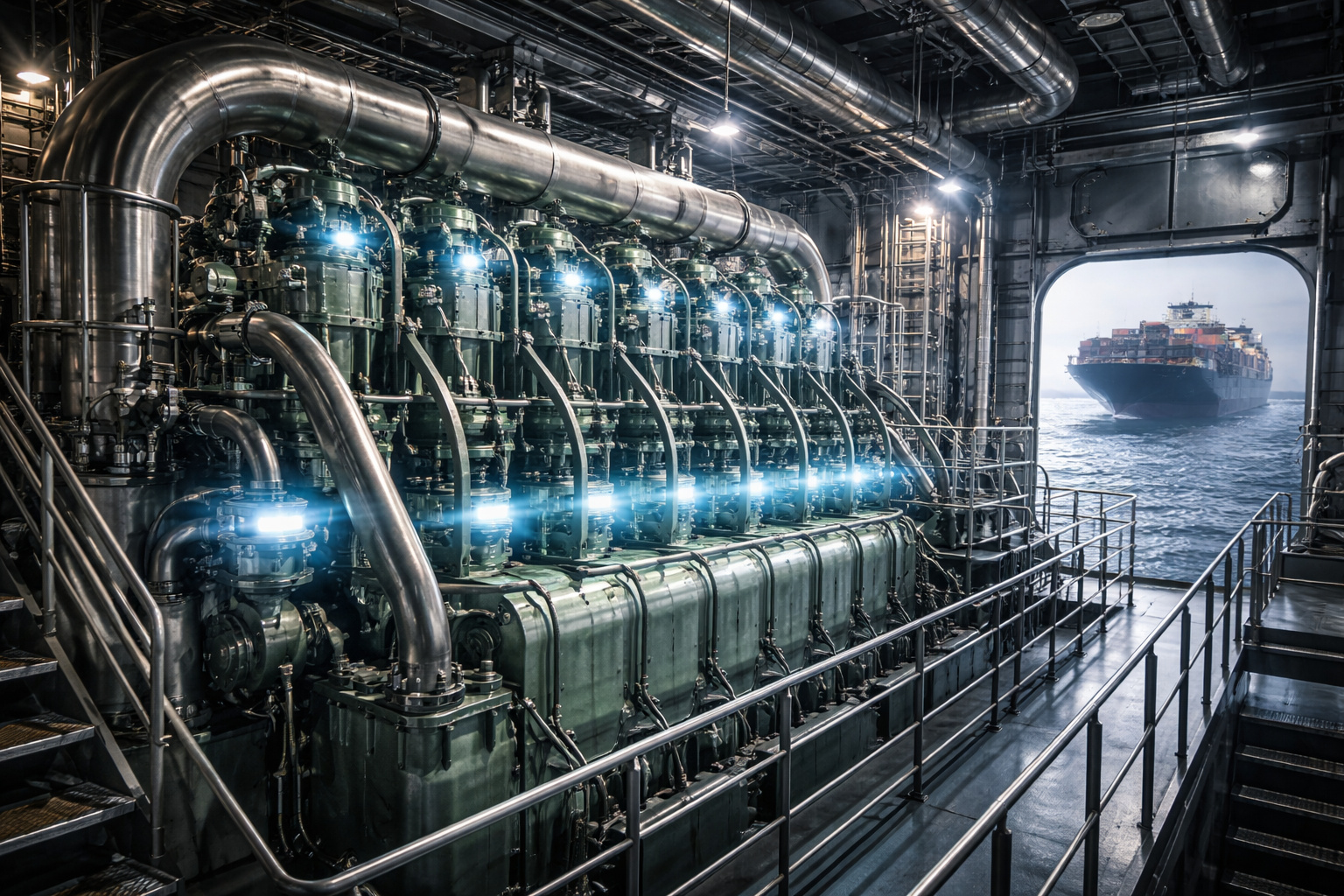
Europe is trying to create an ammonia-powered marine engine without auxiliary fuel, which could unlock the race for giant emission-free ships. The technology aims to eliminate one of the biggest obstacles to clean maritime propulsion.
-
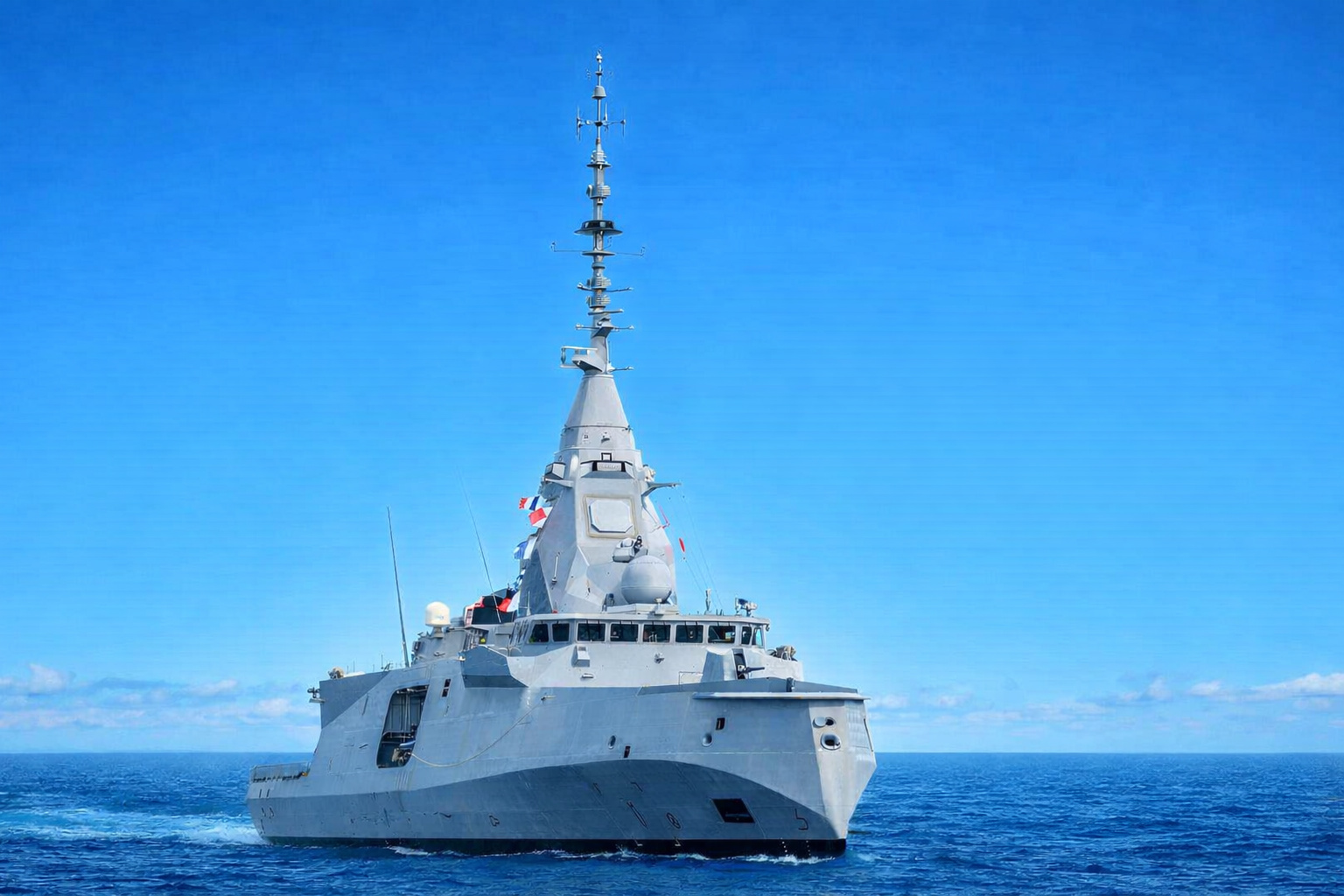
A 4,500-ton frigate with just over 100 crew members, state-of-the-art radar, and cruise missiles is being touted as the new standard of naval warfare in the 21st century.
-
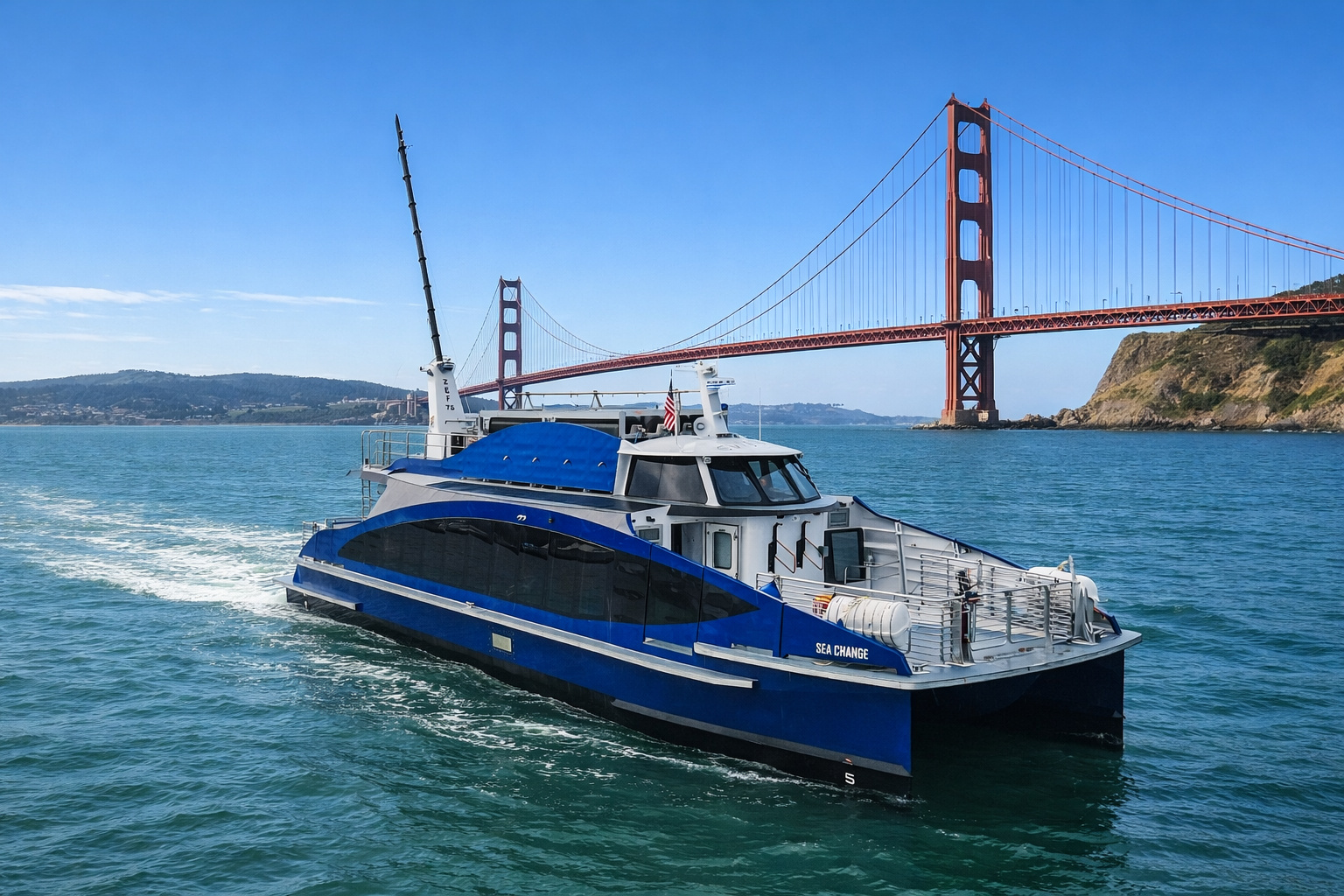
The first commercial hydrogen-powered ferry enters operation in the U.S., eliminates the use of diesel, uses fuel cells to generate clean energy on board, and transforms San Francisco Bay into a landmark of the new era of emission-free navigation.
-
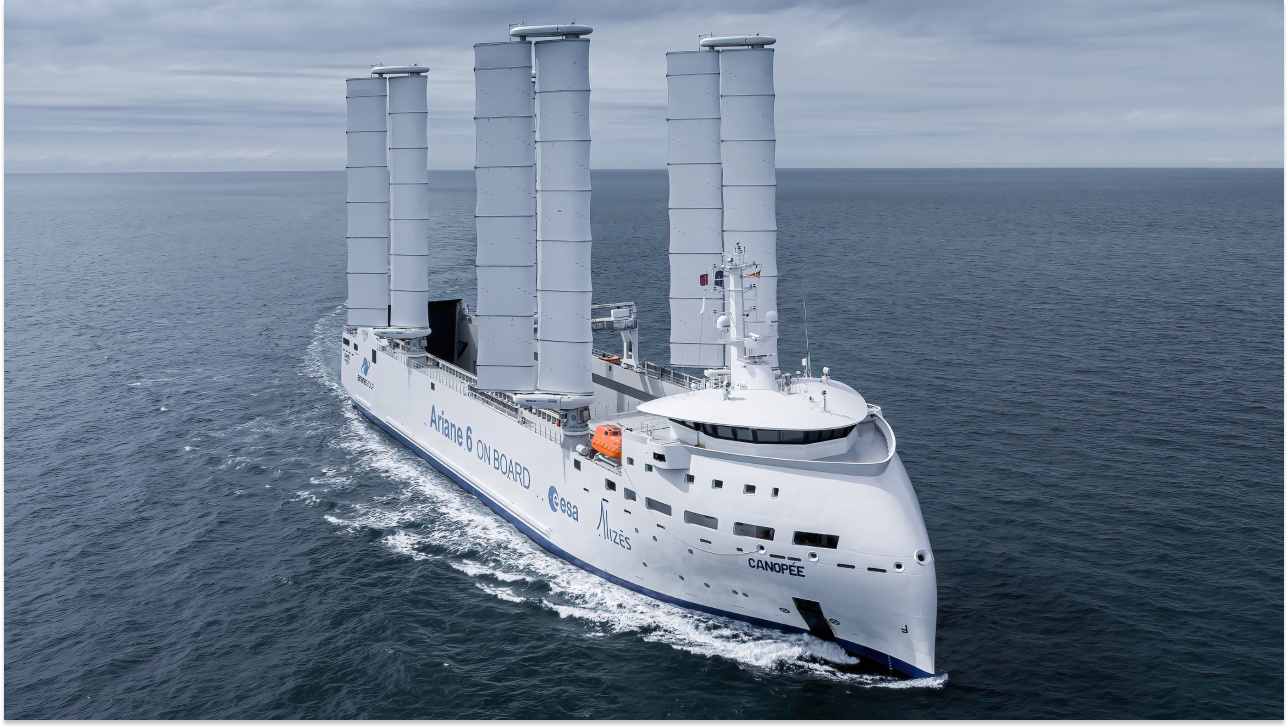
With a length of 121 meters and four rigid sails of 36 meters that automatically rotate to capture the wind, Canopée is the world’s first hybrid industrial cargo ship powered by wind, used to transport rockets and reduce fuel consumption by up to 30% on transoceanic routes.

A Type 092 is Also Visible, a Model That Has Already Been Decommissioned and Replaced by the More Advanced Type 094, Capable of Launching Ballistic Missiles.
According to Luck, the Records Indicate the Presence of Five Conventionally Armed Nuclear-Powered Submarines and At Least One with Nuclear Ballistic Capability (SSBN).
The Discovery Reinforces the Perception That the Asian Country is Intensifying Its Bet on Naval Power as a Pillar of Its Deterrence Strategy.
Maritime Expansion as State Policy
Although China Officially Maintains a “No First Use” Policy on Nuclear Weapons, the Data Reveals a Growing Diversification in Its Strategic Platforms.
Traditionally Dependent on Land-Based Silos and Bombers, the Chinese Government has Been Channeling Efforts into Expanding Its Submarine Force with Nuclear Capability.
According to a Report by the Nuclear Threat Initiative, the People’s Liberation Army Navy (PLAN) Currently Operates with a Hybrid Fleet Composed of Nuclear and Diesel-Electric Submarines.
However, the Visible Focus is on Advancing the Nuclear Component, Whose Modernization is a Declared Priority of Beijing.
China’s Projections and Ambitions for 2035
It is Estimated That China Currently Possesses About 600 Nuclear Warheads — a Still Modest Number Compared to More Than 5,000 Owned by the United States, but Sufficient to Sustain an Effective Deterrence Strategy.
Over the Past 15 Years, the Country has Built 12 Nuclear Submarines, Including Six of the Type 094 (JIN) Class, Equipped with JL-2 Ballistic SLBMs and, More Recently, the Advanced JL-3.
Each JIN-Class Submarine Can Carry Up to 12 Ballistic Missiles and has Already Been Displayed at Official Events, Such as the Military Parade for the 70th Anniversary of the People’s Republic of China in 2019.
The Expectation is That the New Type 096 Model Will Enter Service in the Coming Years, Adding to the Current Fleet, Which is Expected to Reach 65 Units by the End of 2025 and 80 by 2035.









-

Uma pessoa reagiu a isso.