





 English
  Francês
  Alemão
  Italiano
  Japonês
  Norueguês
  Portuguese
  Spanish
  2 min of reading


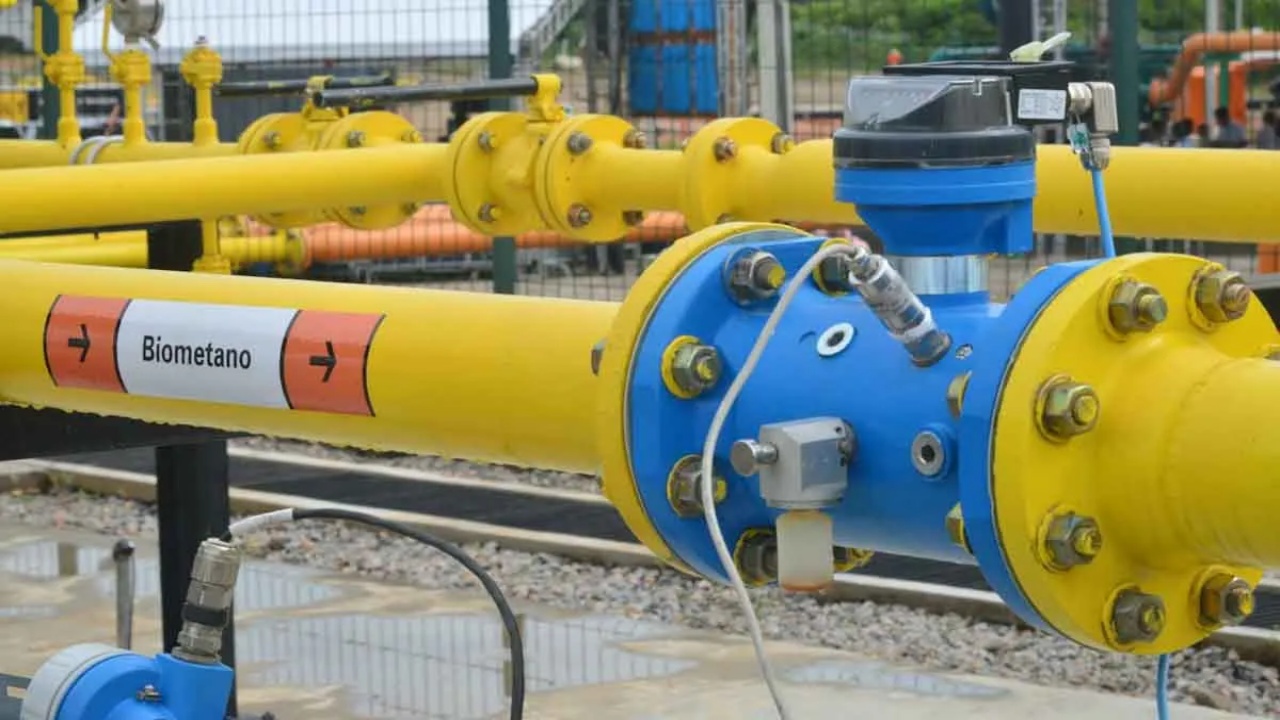
Project of 27 New Biogas Plants Is Being Analyzed in Brazil Aiming for a Daily Production of 2.2 Million m3/Day by 2027.
The study to expand the use of biogas in the country occurred through the goal of state concessionaires to adopt a fuel swap for something more natural. The project was initiated by Abegás (Brazilian Association of Gas Distribution Companies) and Abiogás (Brazilian Biogas Association) aiming for a daily production of 2.2 million m3/day by 2027.
This national production will be divided into 3 different branches: approximately 59% of the product, which corresponds to 1.3 million m3/day, would be conceived by the sanitation sector, while the remaining 41% would be allocated 700 thousand m3/day in the sugar-energy sector and 200 thousand m3/day for the agro-industrial area.
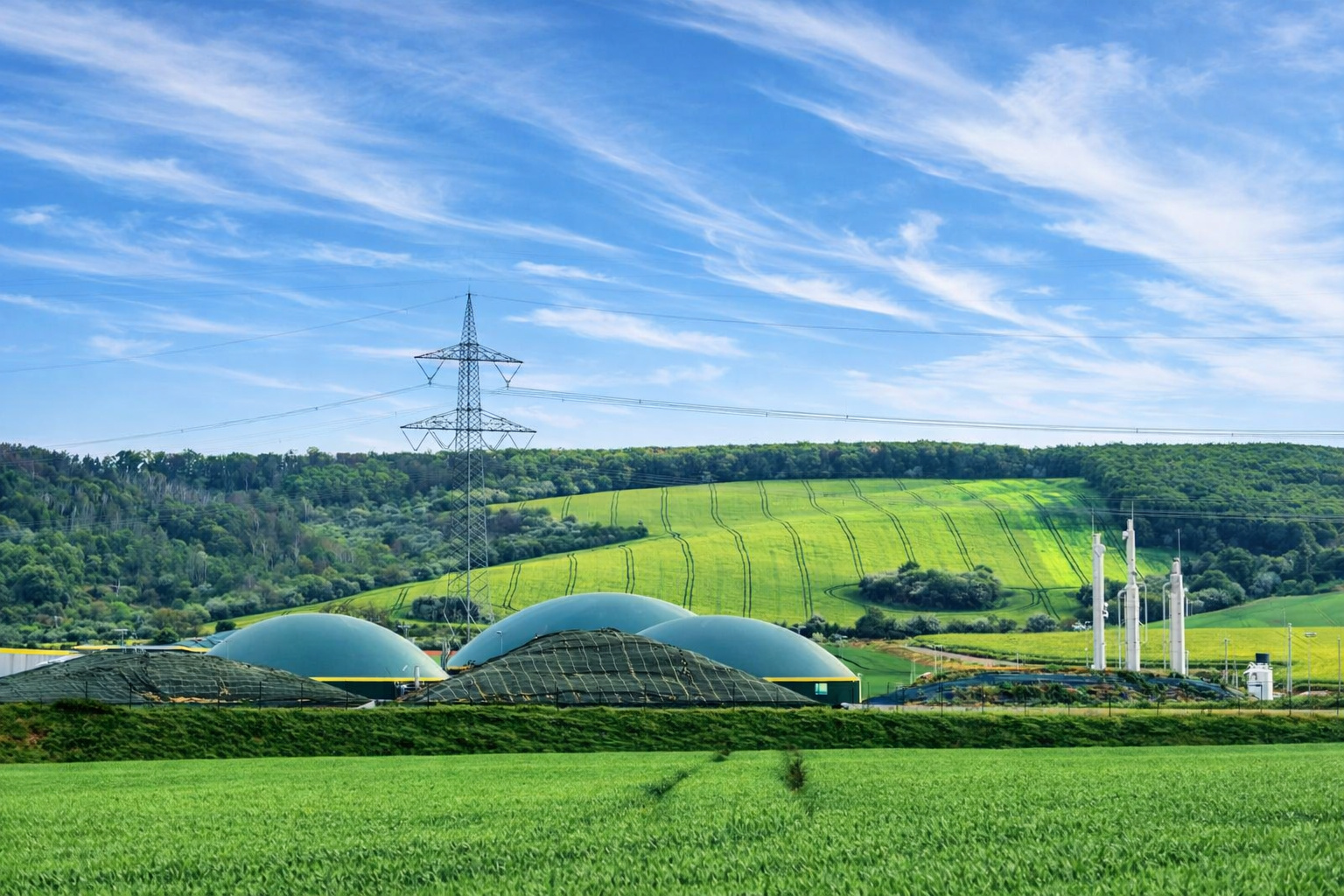
New Biomethane Plants Will Be Installed in the States of SP, RS, RJ, PA, GO, MT, MS, and AM
The concentration of the plants is located in the state of São Paulo, with 15 projects, but it also expands to Rio Grande do Sul, Rio de Janeiro, Pará, Goiás, Mato Grosso, Mato Grosso do Sul, and Amazonas.
-
With 160,000 m² of collectors, an area larger than 20 football fields, Silkeborg, in Denmark, hosts a solar thermal plant that heats 19,500 homes and could become the largest solar heating plant in the world.

-
A study reveals the expansion of renewable energy procurement in Brazil and shows how companies are taking advantage of opportunities to reduce expenses, ensure energy efficiency, and strengthen strategic environmental commitments.

-
Brazil accelerates decarbonization in the South: International forum in Foz do Iguaçu gathers leaders to discuss the advancement of biomethane in the energy matrix and the potential of “caipira pre-salt.”
-
Mato Grosso do Sul excels in the sugar-energy sector: the state reaches a milestone of 22 operating mills and accelerates the production of clean energy in MS with a focus on sustainability.


The intention is for the presence of biogas in the country to grow considerably in up to 2 years so that state concessionaires can use it as fuel supply, says Marcelo Mendonça, Director of Strategy and Market at Abegás.
He makes it clear that Brazil’s potential for the production of this alternative energy is enormous but very little is utilized. If everything goes as planned, in the next 5 to 10 years, the scale of production will grow with new investments.
“If we can make 20% of this viable, it will be a great achievement that will change the landscape of gas distribution in the country,” he said.
Countries Like the USA Have Already Adopted Biomethane to Replace Diesel
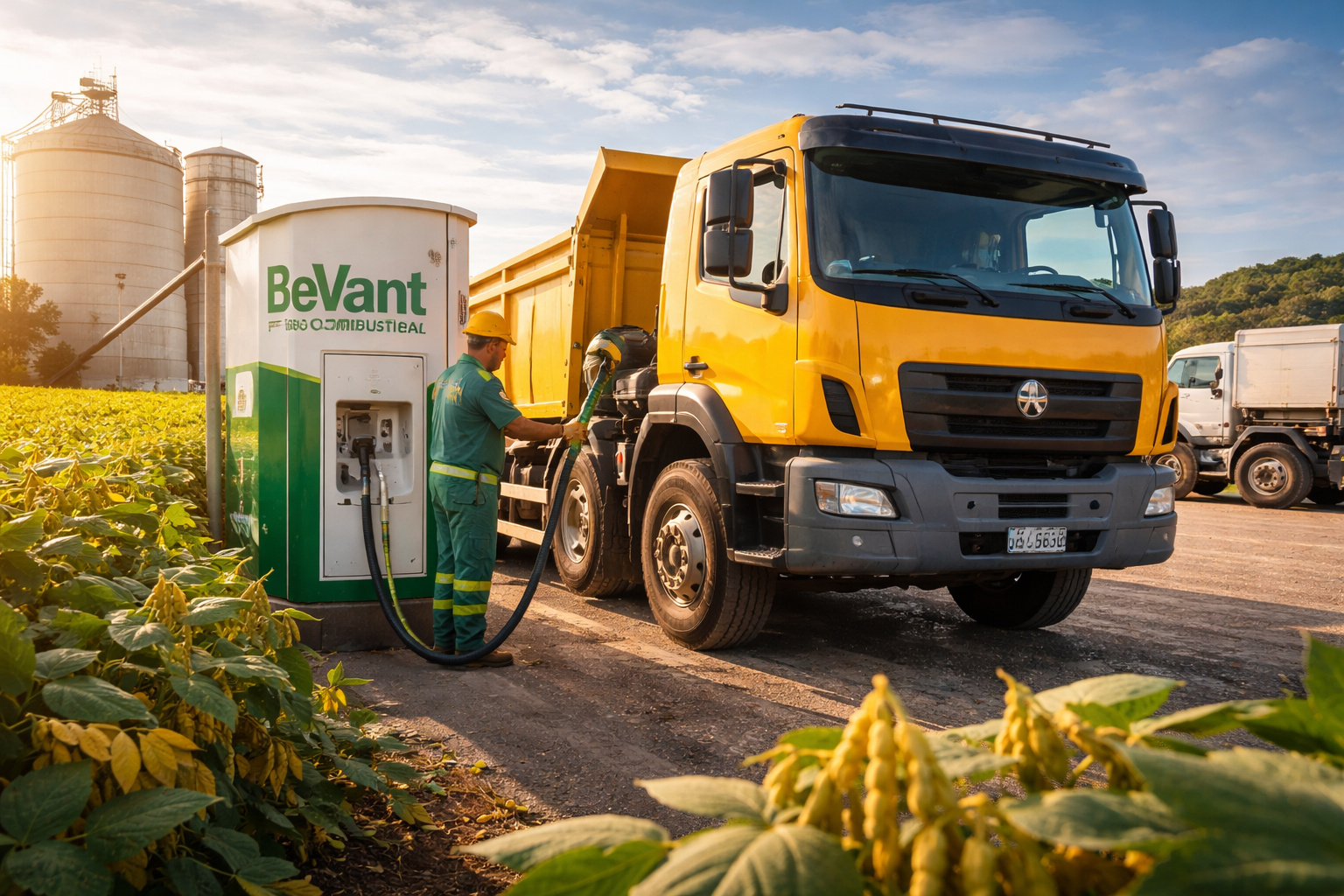
Biogas is an alternative and natural energy source, which not only helps in environmental terms but also influences the financial system of the country. If Brazil chooses to replace diesel with biomethane, the savings would be between US$6 billion to US$7 billion per year in imports.
This substitution has already occurred in other countries, such as in Los Angeles (USA), achieving a 100% positive result since all urban buses use renewable gas.









Seja o primeiro a reagir!