Portuguese
  Spanish


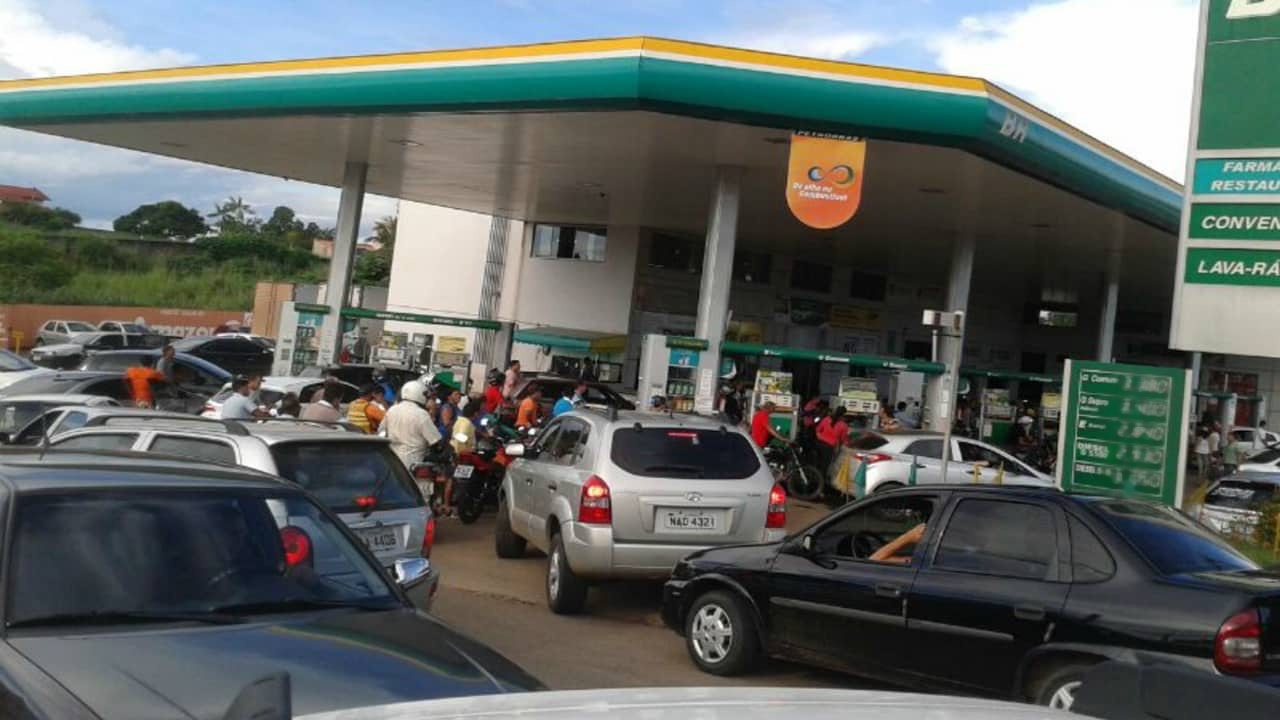

Petrobras’ Share of the Consumer Price Will Drop from R$ 2.96, on Average, to R$ 2.81 for Each Liter Sold at the Pump.
After constant spikes in fuel prices, Petrobras yields to pressure and reduces the gasoline price by R$ 0.20 per liter. As of yesterday (07/20), the average selling price of Petrobras gasoline for distributors dropped from R$ 4.06 to R$ 3.86 per liter.
According to Petrobras, considering the mandatory mixture of 73% gasoline A and 27% anhydrous ethanol for the composition of gasoline sold at service stations, the state-owned company’s share of the consumer price will drop from R$ 2.96, on average, to R$ 2.81 for each liter sold at the pump.
Petrobras Seeks to Balance Its Prices with the Global Market
According to Petrobras’ report, the reduction follows the evolution of international reference prices, which have stabilized at a lower level for gasoline, and is consistent with the company’s pricing practice, which seeks to balance its prices with the global market, but without passing on the internal price effects of the short-term volatility of international quotations and the exchange rate.
Transparency is Key
In order to contribute to price transparency and better understanding by society, Petrobras publishes information on its website regarding the formation and composition of consumer fuel prices. Petrobras invites you to visit precos.petrobras.com.br
-
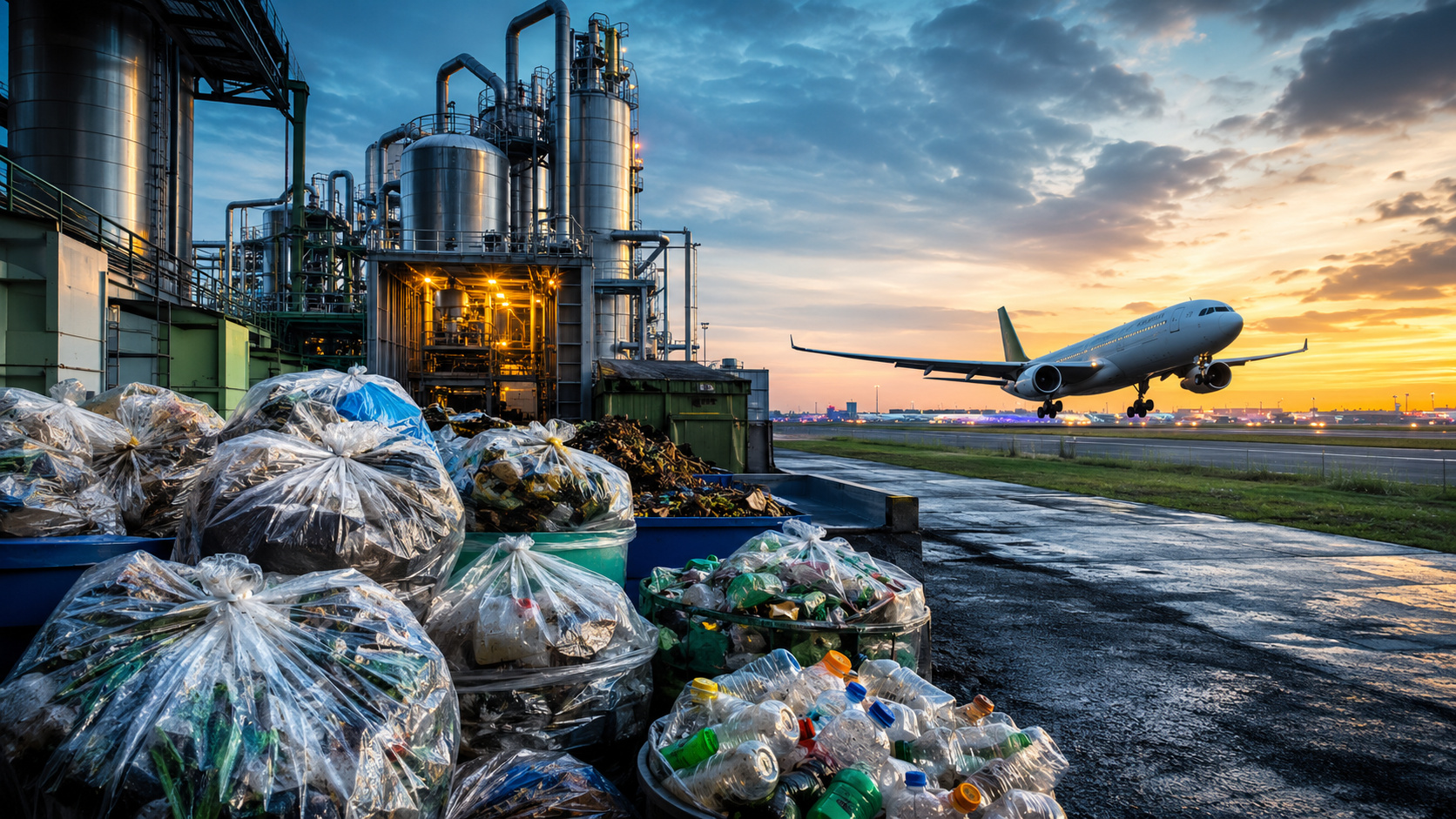
With a record production of nearly 3 million barrels per day, Petrobras resumes importing diesel in July, highlighting the bottleneck in Brazilian refining.

-
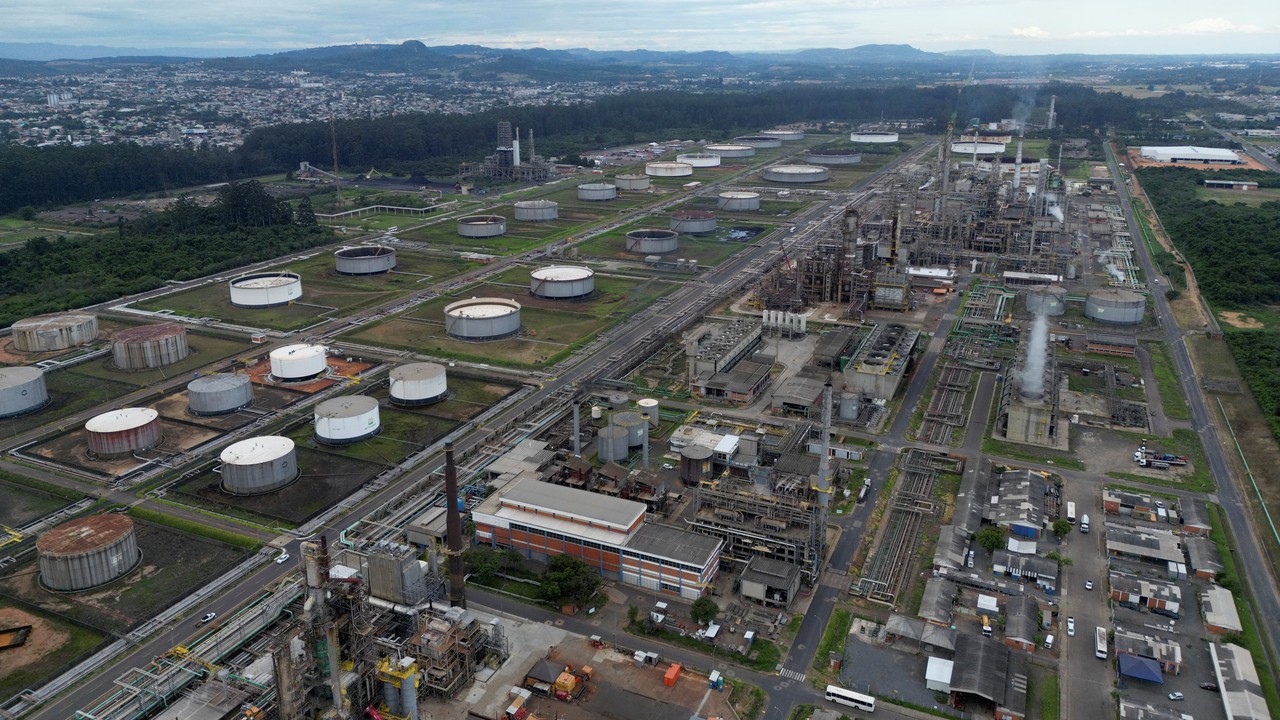
Qantas and Airbus Invest in Company Aiming to Convert Unsorted Household Trash into Jet Fuel

-
Brazil’s ANP Opens 86 New Oil Blocks in the Equatorial Margin, Expanding the Amazon River Mouth Frontier

-
OPEC+ Boosts Oil Supply by 188,000 Barrels per Day in July 2026, Leading to Price Drop from $112 to $89 per Barrel in Under Two Months
Sectoral Committee for Monitoring National Fuel Supply Raises Alert for Possible Diesel Shortage in the Second Half of the Year
The topic of energy security has returned with full force to the global agenda. Many countries are facing a crisis in the sector, worsening the already unfavorable economic situation marked by high inflation and recession prospects. According to Felipe Kury, former director of ANP, the war between Russia and Ukraine, which began in February this year, turns the economic and energy crisis into a geopolitical crisis of large proportions. In this challenging context, governments around the world are seeking alternatives to ensure energy supply at competitive prices to avoid more severe impacts on their economies.
The response includes reducing taxes to subsidies for some less favored categories under the newly approved Social Benefits PEC.
It is important to highlight that Brazil’s energy matrix is one of the most diversified in the world, with 44.7% of renewable energy supply and 47.7% of primary energy coming from oil and natural gas.
Brazil, despite being among the top 10 oil producers in the world, still depends on importing its derivatives to meet domestic demand. According to data from ANP (National Agency of Petroleum), we need to import about 415 thousand barrels per day.
To Avoid Supply Shortages, ANP Proposed to Increase Diesel Operational Stocks at Distributors
Recently, ANP proposed to increase the operational stocks of diesel at distributors (raising operational stocks from five to nine days weekly, on average), but this stock increase would only be required for a few months, until the situation normalizes. This alternative, while seeking to ensure a greater supply of the product, may practically raise costs for the market and for the end consumer, besides potentially leading to a shortage of the product, as agents will have to increase their stocks.