





 Portuguese
  English
  Spanish
  3 min of reading
  11 comments


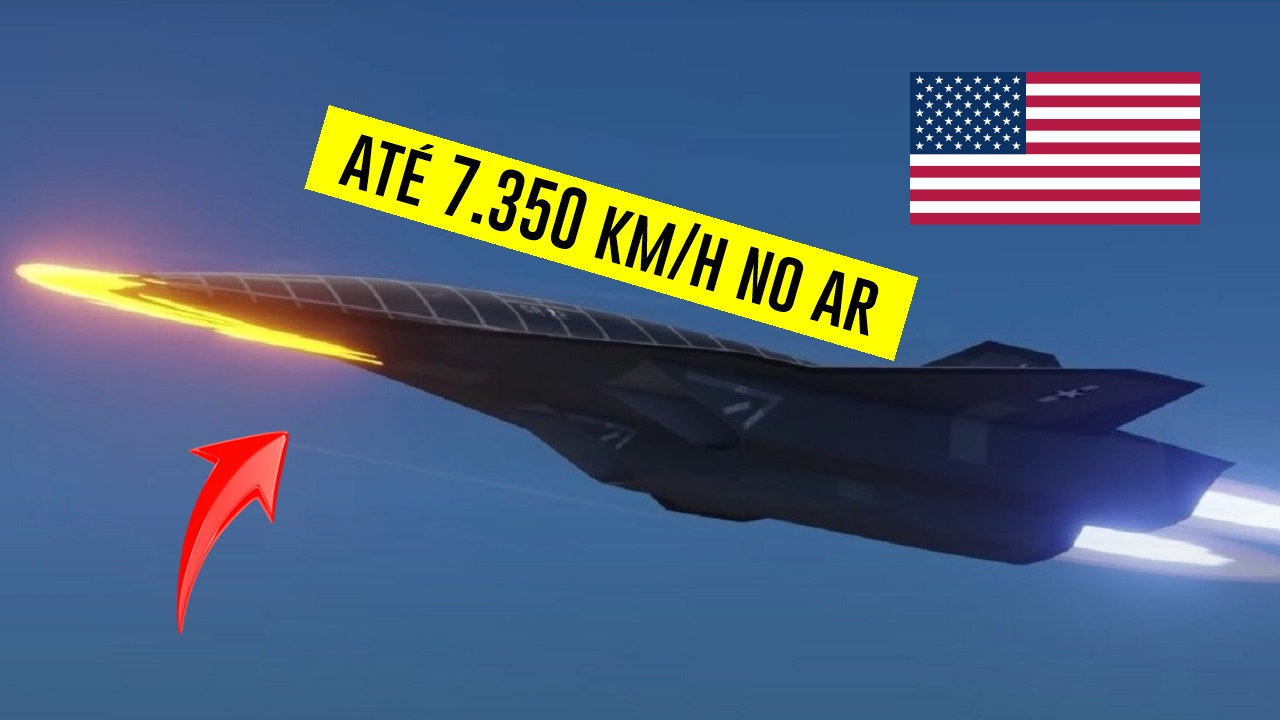


The SR-72 Aircraft Is the Successor to the Iconic Blackbird and Promises to Revolutionize Aviation with Its Hypersonic Capability, Being Used in Ultra-Fast Military Operations and Strategic Reconnaissance.
The SR-72 has been gaining attention since 2013, when Lockheed Martin revealed plans to develop a revolutionary hypersonic aircraft. Since then, the project has attracted attention for its potential to transform the aerial battlefield.
In 2017, Lockheed announced advancements in the program, highlighting the ambition to achieve speeds exceeding Mach 6. By 2018, rumors indicated that a prototype called Flight Research Vehicle (FRV) was undergoing testing in California, fueling speculation about the aircraft’s progress.
More recently, in 2023, Lockheed reaffirmed that the SR-72 is on track to make its first flight in 2025. However, additional information remains classified, a typical characteristic of the Skunk Works division, famous for developing highly confidential projects.
-
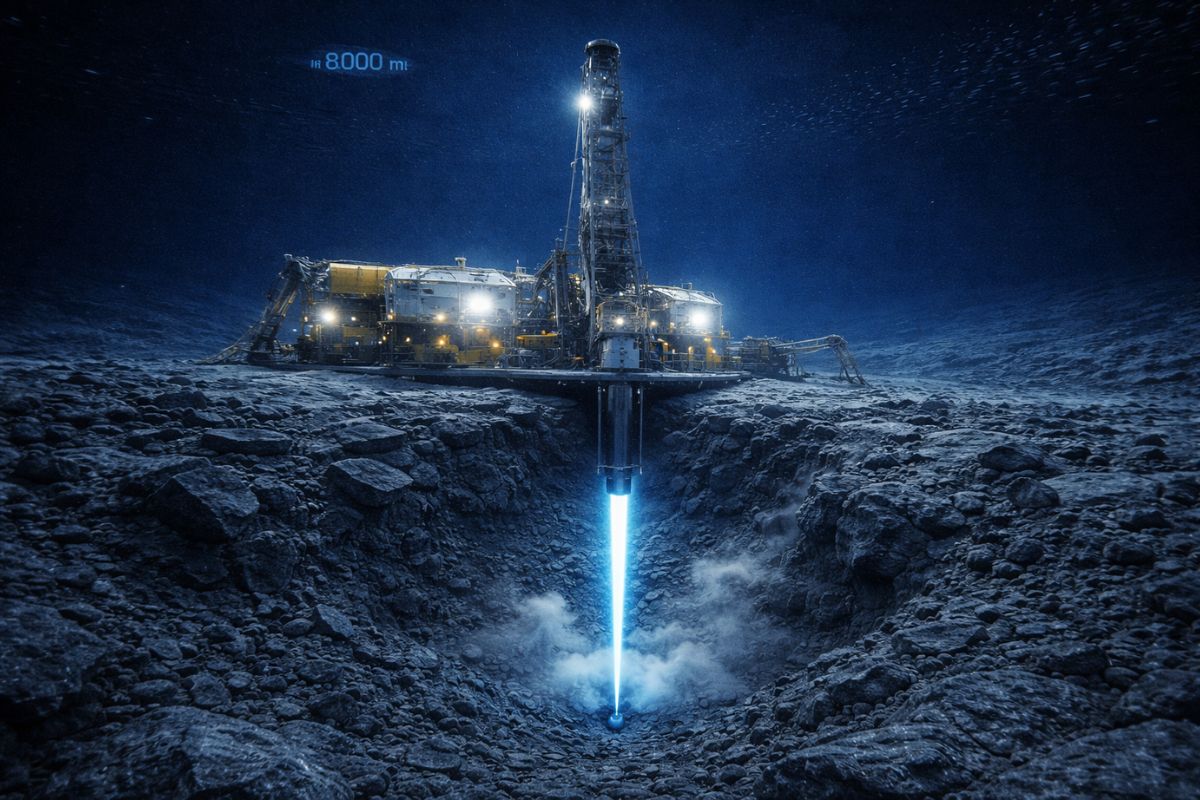
Scientists drilled nearly 8,000 meters into the ocean floor above the fault that caused the 2011 tsunami in Japan and discovered that a layer of clay 130 million years old was responsible for making the wave much worse than any model had predicted.
-
Thousands of years after causing the largest eruption of the Holocene, one of the world’s largest supervolcanoes is rebuilding itself beneath the sea south of Japan, receiving new magma and alarming scientists with its transformation.

-
China has activated a magnet 700,000 times more powerful than the Earth’s magnetic field that operates for over 200 consecutive hours while consuming little energy, and now the world wants to know what Beijing plans to do with this technology in 2026.

-
Mercado Livre has started selling medications in Brazil with delivery in up to 3 hours, and the project that launches in São Paulo may expand to the entire country, transforming the way millions of Brazilians buy medicines.


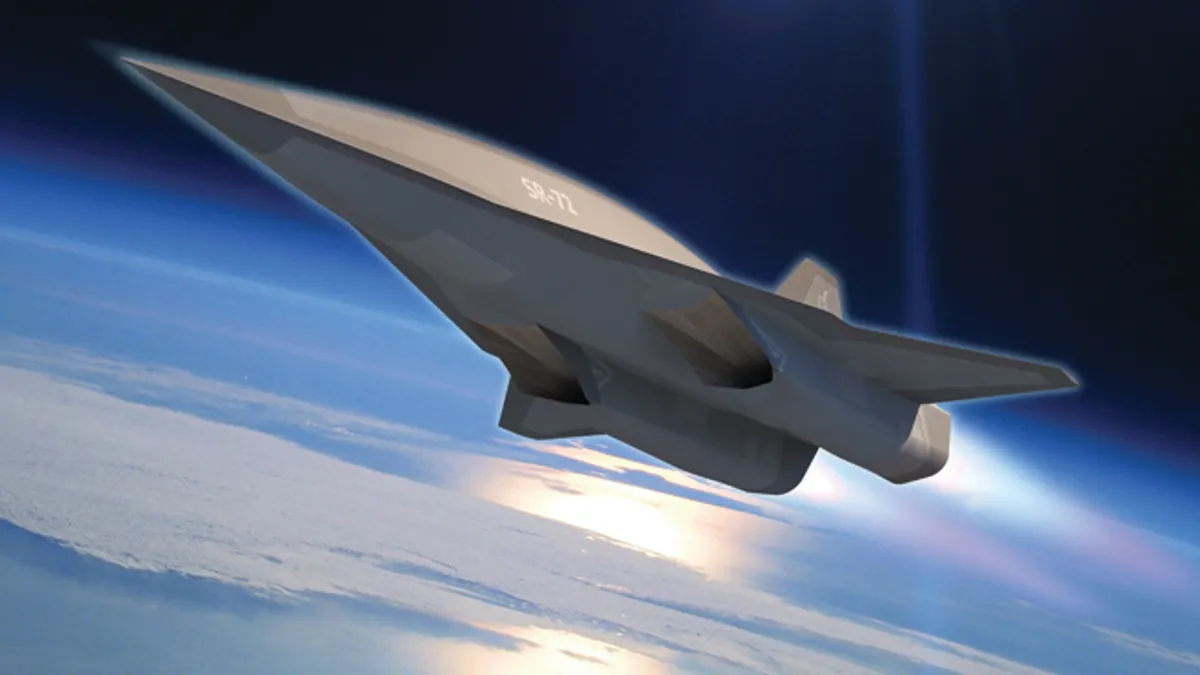
Impressive Technical Specifications of the Aircraft
The SR-72 promises to elevate the standard of military aviation with significant technical advancements. Key highlights include:
- Advanced Propulsion: Equipped with a turbine-based combined cycle engine (TBCC), the SR-72 integrates conventional turbines with scramjet engines. This configuration allows for smooth transitions between subsonic and hypersonic speeds, ensuring high efficiency and performance.
- Extreme Speed: Capable of reaching Mach 6 (approximately 7,400 km/h), the aircraft will be twice as fast as its predecessor, the legendary SR-71 Blackbird, which reached Mach 3.2.
- Design and Altitude: With a design optimized for high altitudes, the SR-72 offers strategic advantages in surveillance and the ability to launch hypersonic missiles with lethal precision.
These attributes make the SR-72 an unparalleled platform for missions in highly contested environments.
Challenges and Investments
However, the development of the SR-72 has not been without challenges. In July 2024, Aviation Week reported that the program faced a budget overrun of US$ 45 million in the second quarter, raising total losses to US$ 335 million since 2022.
These costs reflect Lockheed Martin’s substantial investments in advanced technology and component acquisition. Despite the financial and technical risks, the company appears determined to overcome the difficulties and turn the SR-72 into an operational reality.
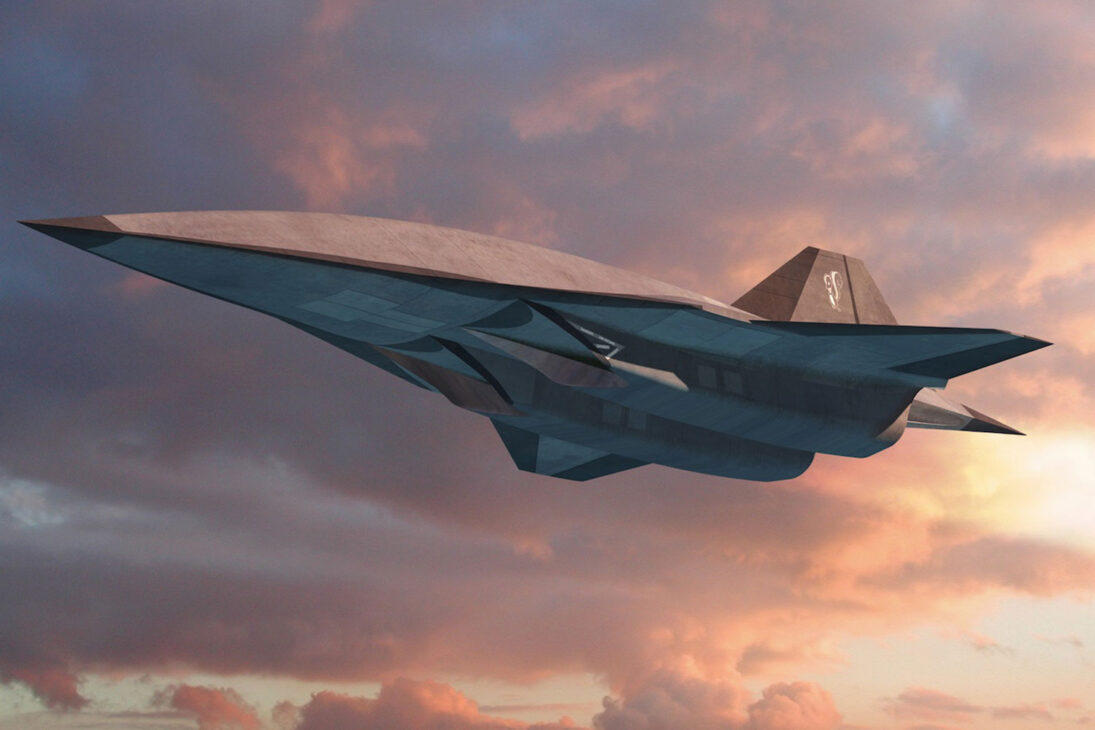
Evidence of Progress
Since 2021, there have been signs that the program is advancing toward large-scale production. In August of that year, Lockheed inaugurated a new production facility at the Skunk Works headquarters in Palmdale, California.
This building, designed to integrate artificial intelligence and robotics technologies, is capable of 3D printing composite aerostructures and assembling them using innovative methods.
In 2022, Lockheed reported a pre-tax loss of US$ 225 million linked to the SR-72 program. This information suggests that the aircraft is transitioning to low-rate production, an important step towards operationalization.
More indications surfaced in May 2022, when Safran Landing Systems signed a contract to develop landing gear systems for a “future aircraft.”
This type of development is typically associated with production programs, indicating that the SR-72 is at an advanced stage of development.
Another significant data point is the increase in the workforce at the Palmdale facility. By September 2023, the team exceeded 5,500 employees, more than double the number recorded in 2018.
John Clark, general manager of Skunk Works, confirmed that production has resumed, although he avoided identifying the project.
Strategic Impact
If put into service, the SR-72 promises to revolutionize the military capabilities of the United States. With an expected operational date in 2030, the aircraft will offer significant advantages in reconnaissance and high precision strikes.
Its extreme speed will allow it to overcome enemy defense systems, making it an indispensable strategic asset.
The evolution of the SR-72 reflects Lockheed Martin’s commitment to pushing the boundaries of aerospace technology. Despite the financial and technical challenges, the “Son of the Blackbird” is increasingly close to taking off, ushering in a new era in military aviation.








Há dois problemas nesse projeto. Primeiro: não há proteção térmica prática capaz de proteger a aeronave nessa velocidade em operação por longo tempo. Segundo: com essa velocidade insana, ele voaria, no mínimo, por 30 minutos devido ao consumo impensável de combustível. Ou seja, projeto caro e custos de operação e construção elevadíssimos. Dessa forma, esse é mais um daqueles projetos para mostruário do poderio de guerra dos EUA e de seus estrastosféricos custos.
O governo é a empresa criam desinformação apenas para ocultaram suas tecnologias, mas logo teremos filmes de ficção usando essas tendências tecnologias
Enquanto isso o Brasil continua fabricando corruptos….