





 Portuguese
  English
  Spanish
 3 min of reading


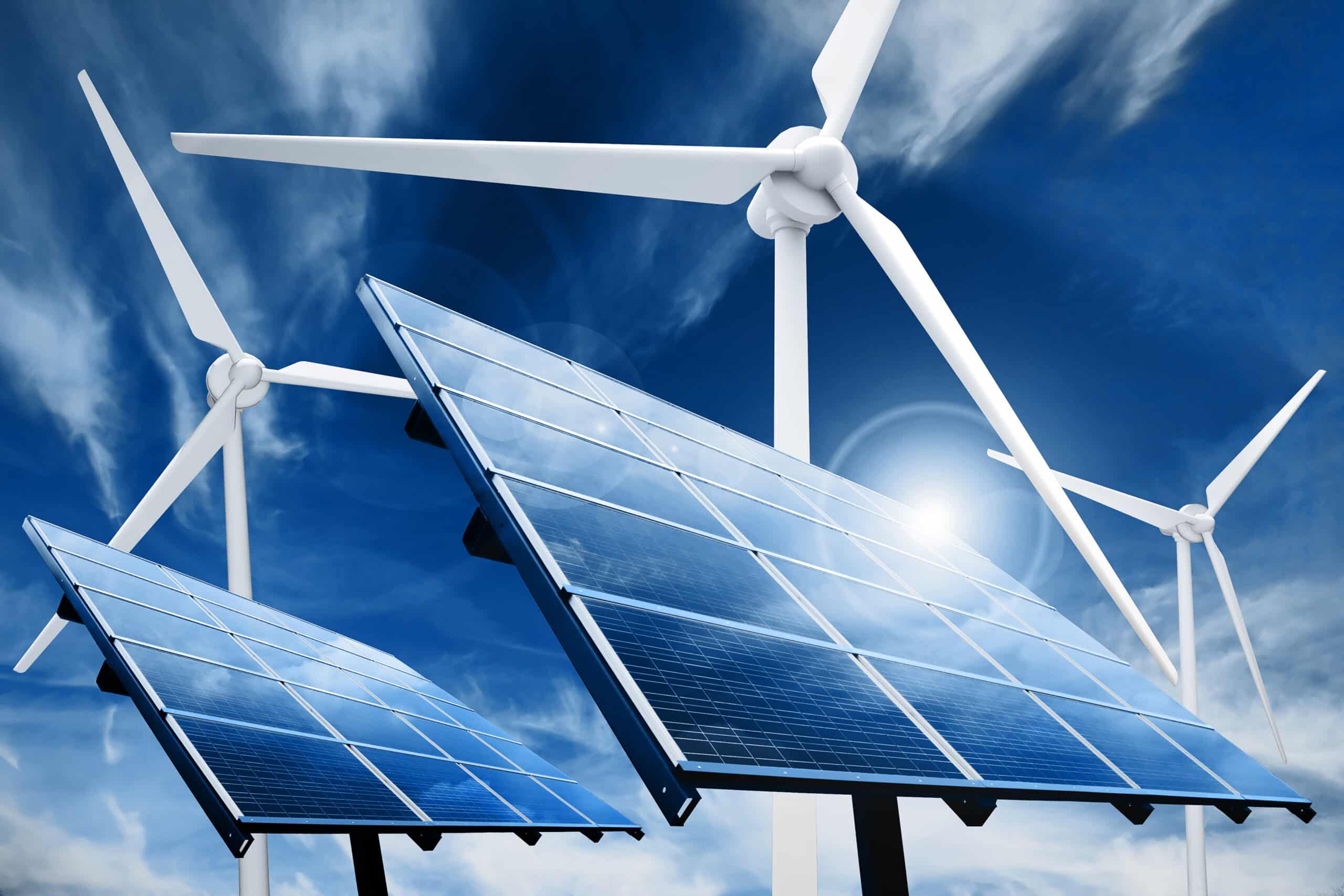
Resources Will Be Used to Offer the Photovoltaic Systems Installer Course Through a Partnership with the Federal Institute of Ceará (IFCE). It Is Expected That 70 Professionals Will Be Trained
The Superintendence for the Development of the Northeast allocated R$ 230 thousand for investment in the training of professionals related to the renewable energy sector in the state of Ceará. A decentralized execution term (TED) was the means by which the resources were made available, on the last day of the month, to the Federal Institute of Education, Science, and Technology of the state (IFCE). The partnership between the institutions makes it possible to offer a course to train and certify photovoltaic systems installers.
Also Check:
- To Add Valueto Oil Production, Brazil Will Have Its 1st Thermoelectric Plant That Will Use Natural Gas Exclusively from the Pre-Salt in 2023 in the City of Macaé
- Nubank Announces Creation of a Technology Development Hub in Bahia to Train Young People in Vulnerable Situations
- Estrutural Calls for Mechanical Production Engineers and Boiler Masters for São Paulo and Macaé, in Rio
The total workload of the course will be 160 hours and will be offered in person by the Federal Institute of Ceará. In the first half of 2022, the training of 70 new professionals will be completed, while another 35 will join the second class of the course.
The curriculum consists of two modules. The first, at the basic level, introduces subjects such as basic electricity, fundamentals of photovoltaic solar energy, and electrical installations. In the specific training, students from the Federal Institute will participate in classes on photovoltaic technology, photovoltaic systems, and system assembly.
-
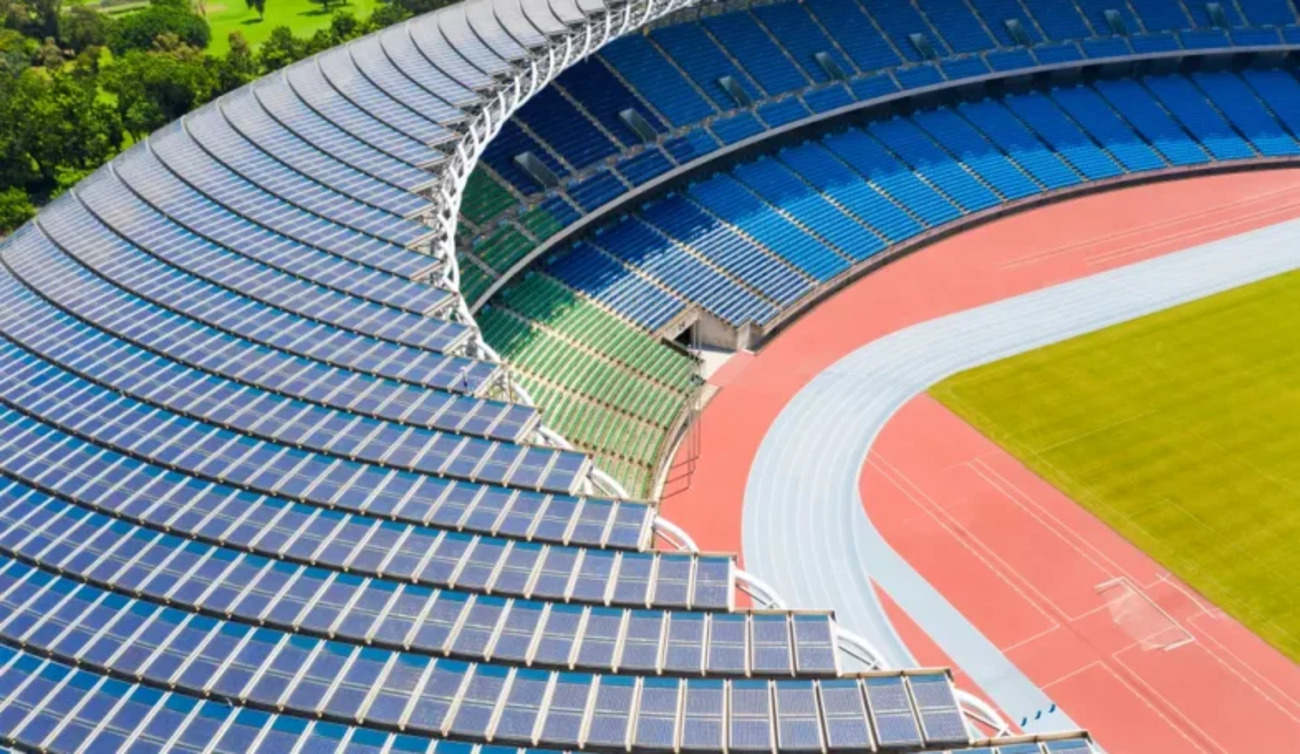
How green infrastructure and renewable energy at the World Cup transform the logistics of the largest sporting event on the planet in North America.
-
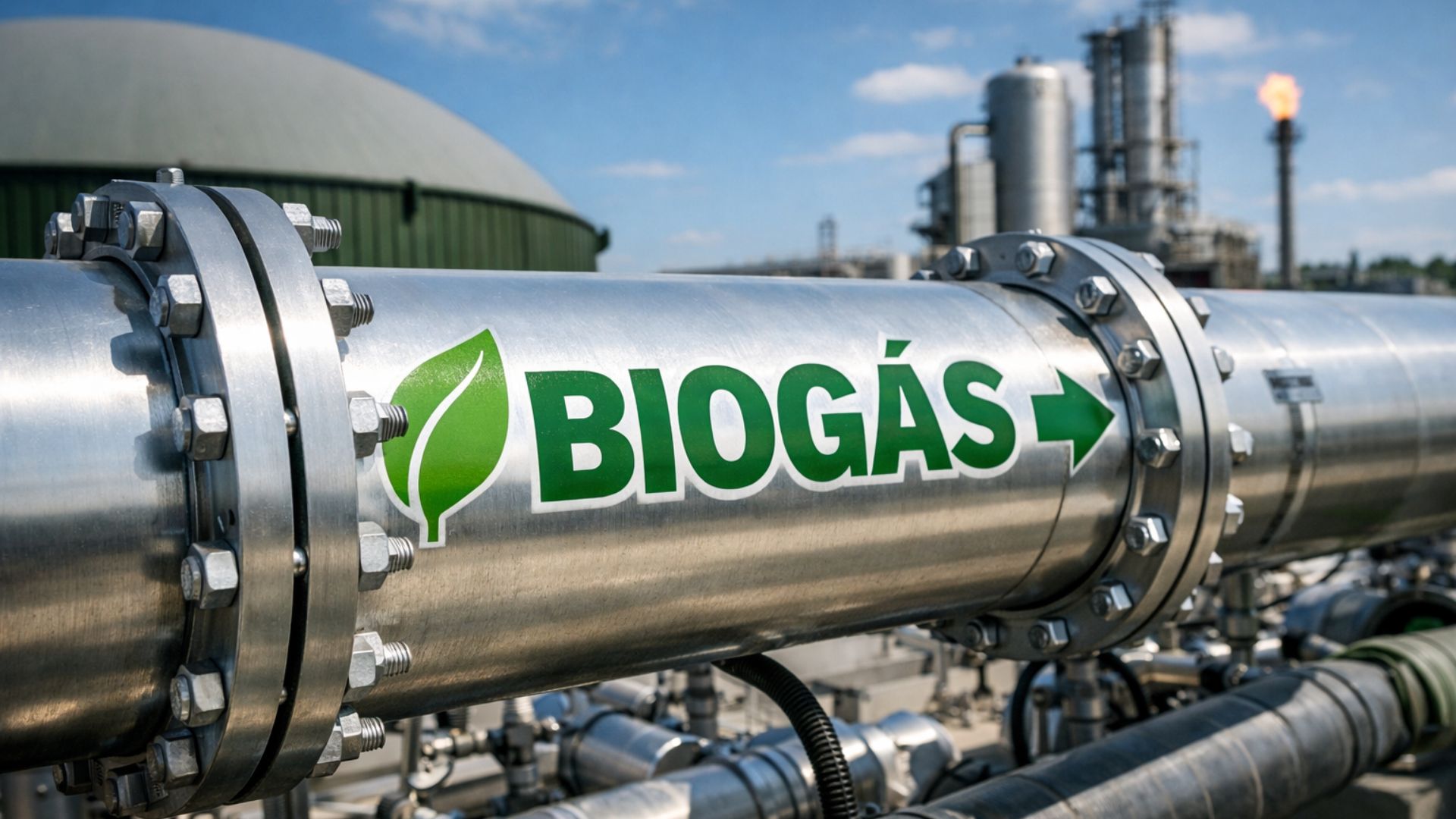
The Cagece and UFC project advances in sustainable innovation with biogas by converting waste into renewable energy, reducing environmental impacts, and increasing sanitation efficiency with concrete and measurable results.
-
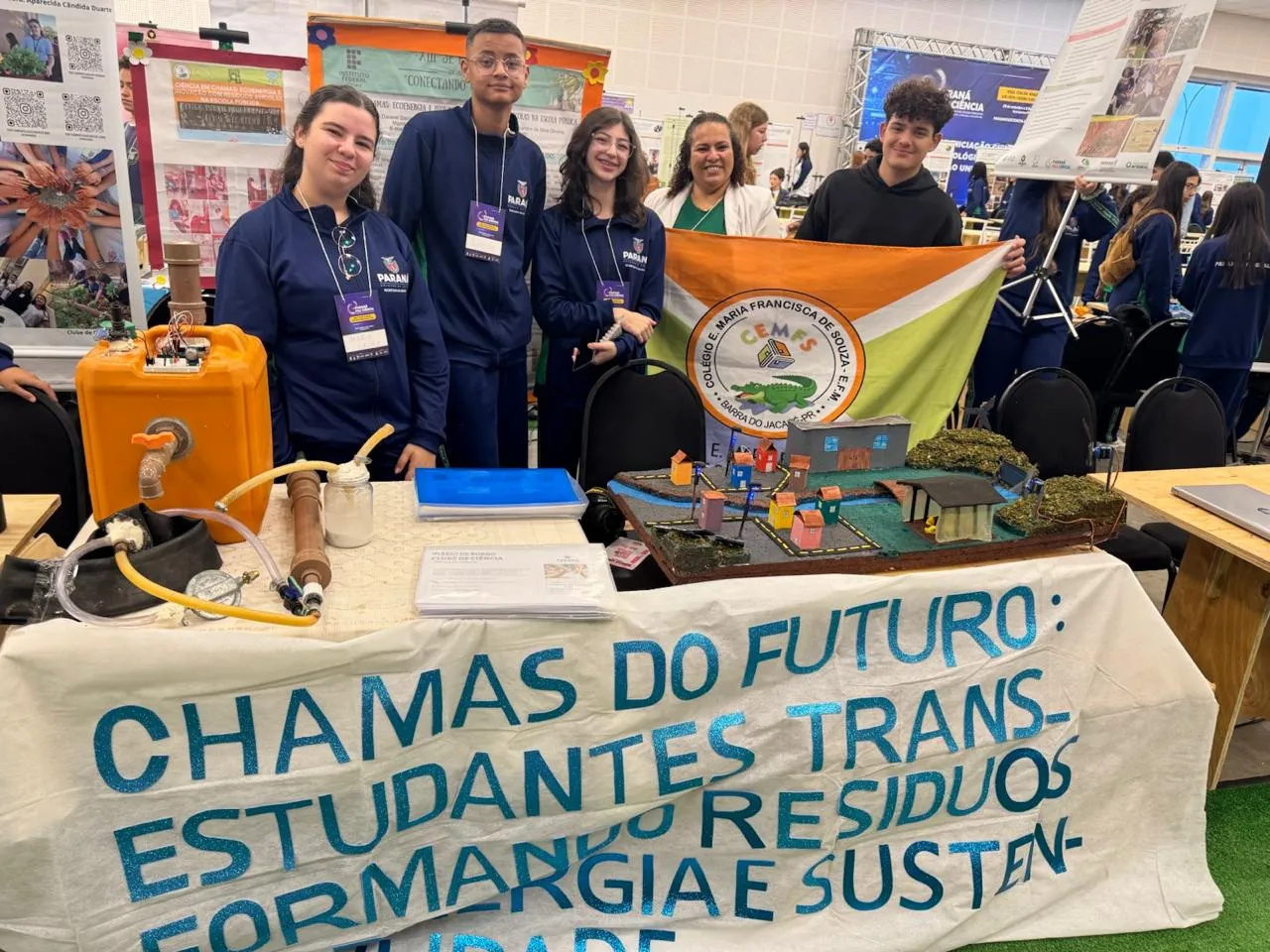
Paranaense students develop a system that transforms farm waste into clean energy and revolutionizes sustainable agribusiness.
-
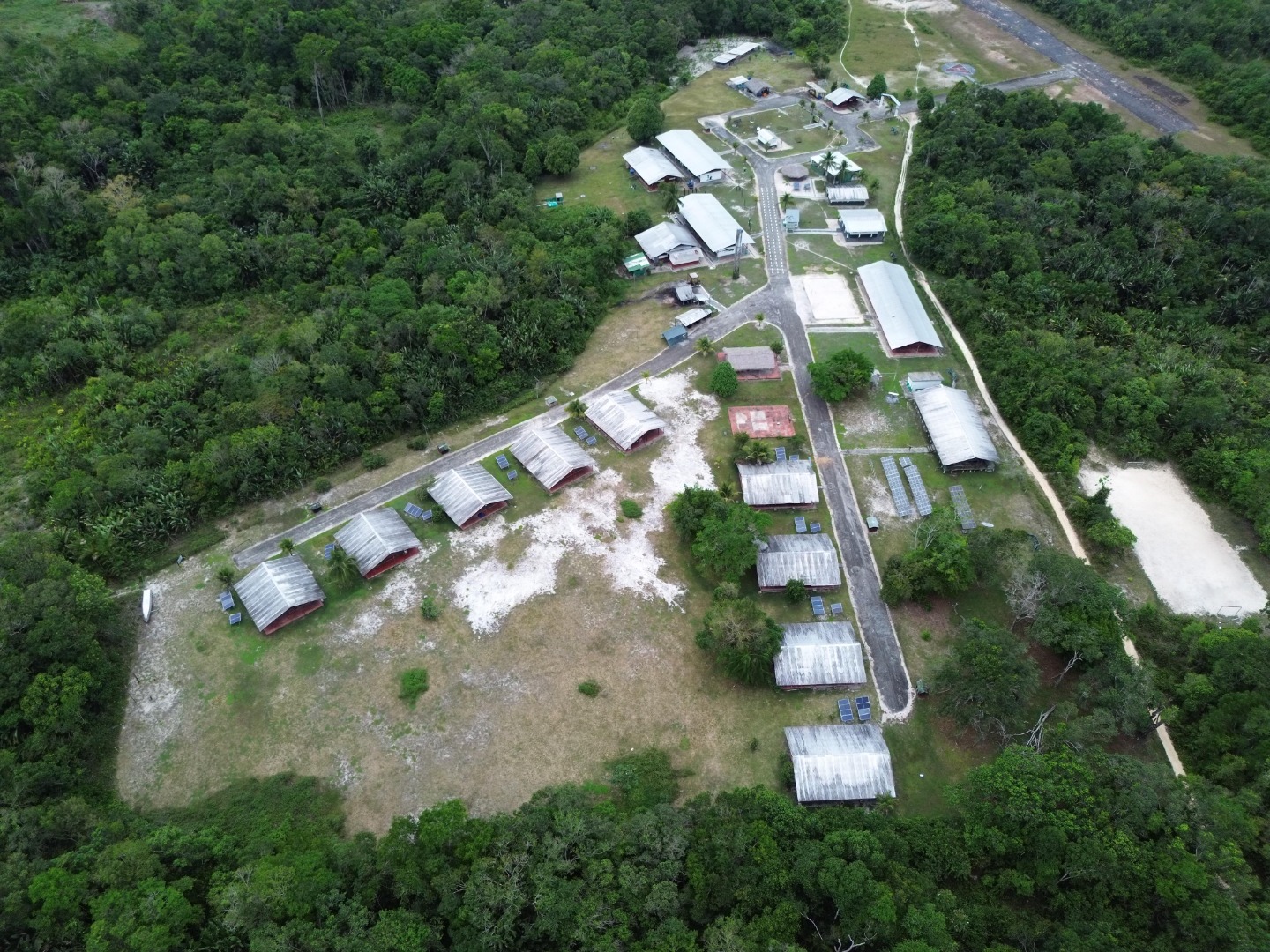
The Ministry of Defense installs a giant photovoltaic plant and ensures a stable supply of clean energy in Maturacá, in the Amazon.
As each class finishes, a workshop will be offered for the students to present to companies in the region.
The course at the Federal Institute of Ceará is a way for the superintendence to respond to the need for qualified labor to meet market demand in the Cariri region of Ceará.
According to the Wind and Solar Atlas of the state, the southern region of Ceará, including Cariri, has a capacity of about 2.38 thousand square kilometers ready to be explored for renewable energy (solar and wind), totaling 28.8 thousand megawatts (MW) of installable capacity in the area.
Other Investments
With Sudene’s investment in the quality of the labor market, other investments are attracted to the state of Ceará. In October 2021, the superintendence approved financing of R$ 422.9 million through the Northeast Development Fund. This was done for a complex that produces solar energy to be installed in the city of Abaiara, also located in Cariri.
The five parks that are part of the complex have a total investment of R$ 782.6 million and are expected to provide approximately 800 direct jobs and 2 thousand indirect jobs during the construction phase. Once operational, the estimate is that there will be 10 direct job positions and 30 indirect.
According to the superintendant of Sudene, General Araújo Lima, just as necessary as securing resources for the attraction of projects is fostering local labor training to create new opportunities.
“Sudene today has a strong focus on infrastructure, with resources and other incentives for the wind and solar energy generation sector. But this will be of no use if we do not have trained individuals in states like Ceará and Rio Grande do Norte. We need to locally stimulate the training of people who understand, operate, and develop this type of activity. This represents for us a reduction of social disparities, as we can generate jobs whose workforce is the local resident,” he explained.







Seja o primeiro a reagir!