





 Portuguese
  English
  Spanish
  4 min of reading
  0 comments


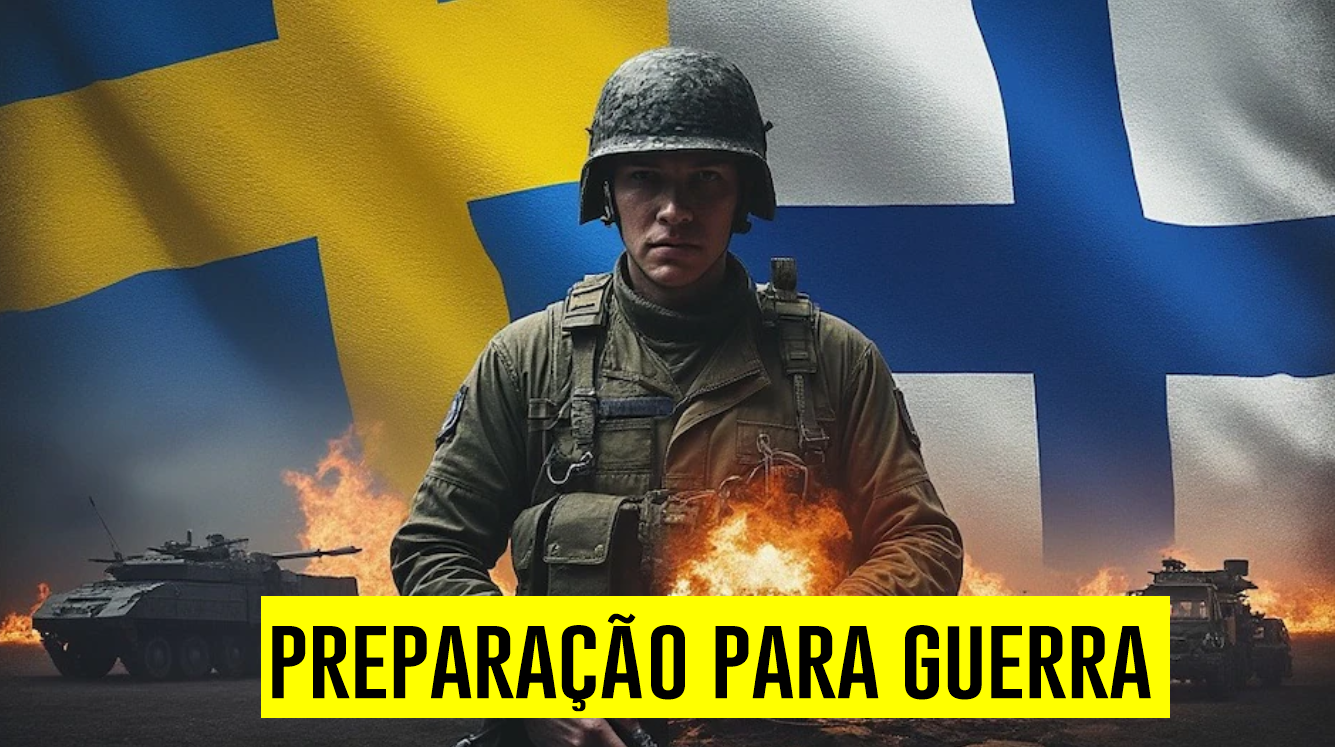
Amid Growing Global Tensions, Sweden Guides Its Citizens to Prepare for War Scenarios, Including a Possible Nuclear Attack
Sweden is distributing five million leaflets to the population, advising on preparation for a possible war, with detailed instructions on food stocking and seeking shelter in case of a nuclear attack, amid growing tensions between Russia and NATO.
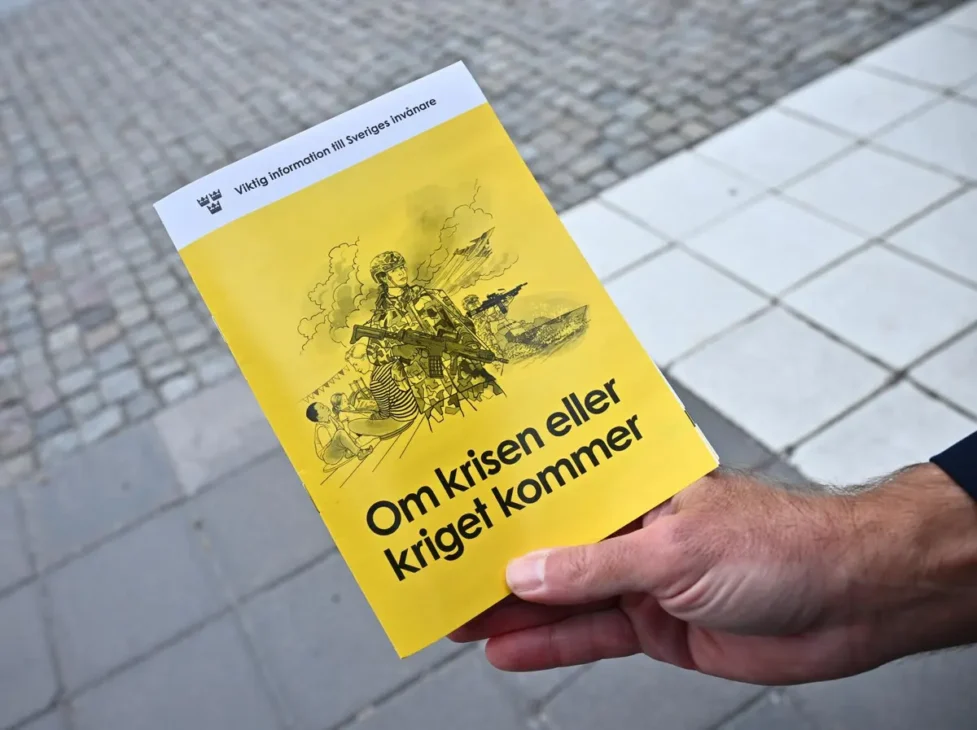
This Monday, the 18th, millions of Swedes will begin receiving at their homes a new leaflet titled “In Case of Crisis or War”, which advises the population on how to prepare and act in the face of an armed conflict or other unexpected crises.
The initiative arises in a context of growing concern over global security, driven by Russia’s invasion of Ukraine. The material, updated after six years, has doubled in size compared to the previous version.
-
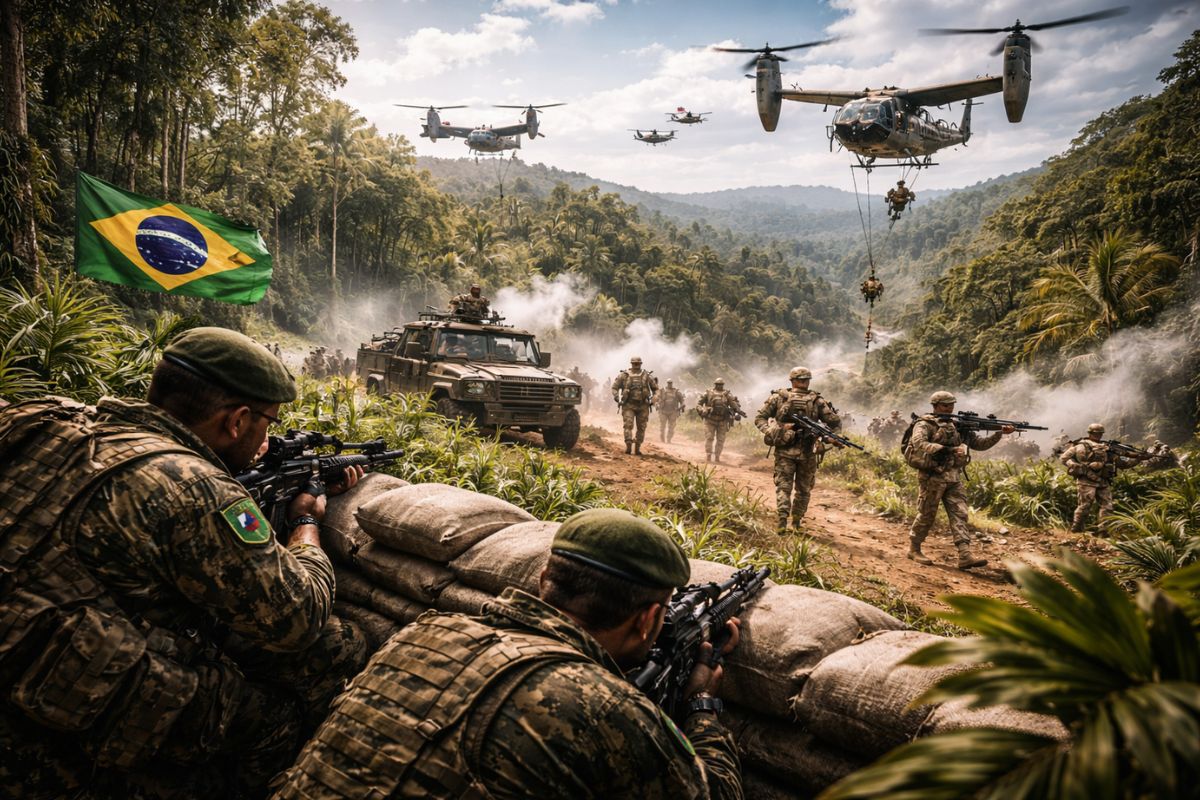
If the USA were to go to war with Brazil, Washington’s greatest fear would not be the attack itself, but facing a vast territory, prolonged resistance, and a costly, chaotic, and unpredictable occupation.
-
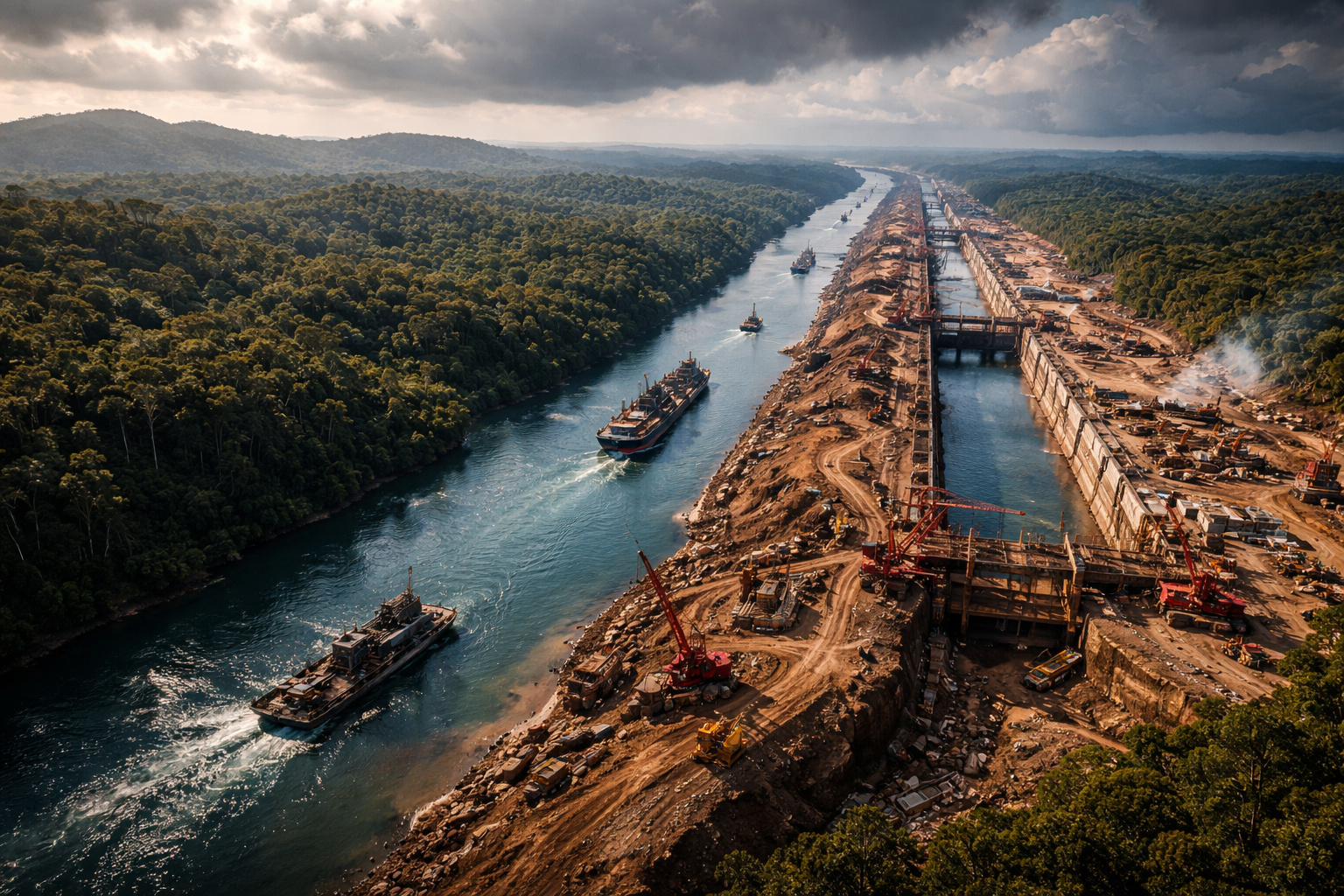
In 2013, Nicaragua sold the concession for a canal to rival Panama to a Chinese billionaire who lost 85% of his fortune, disappeared, and was declared bankrupt. Now the project resurfaces with a new route, a new Chinese partner, and a cost of $64.5 billion.
-
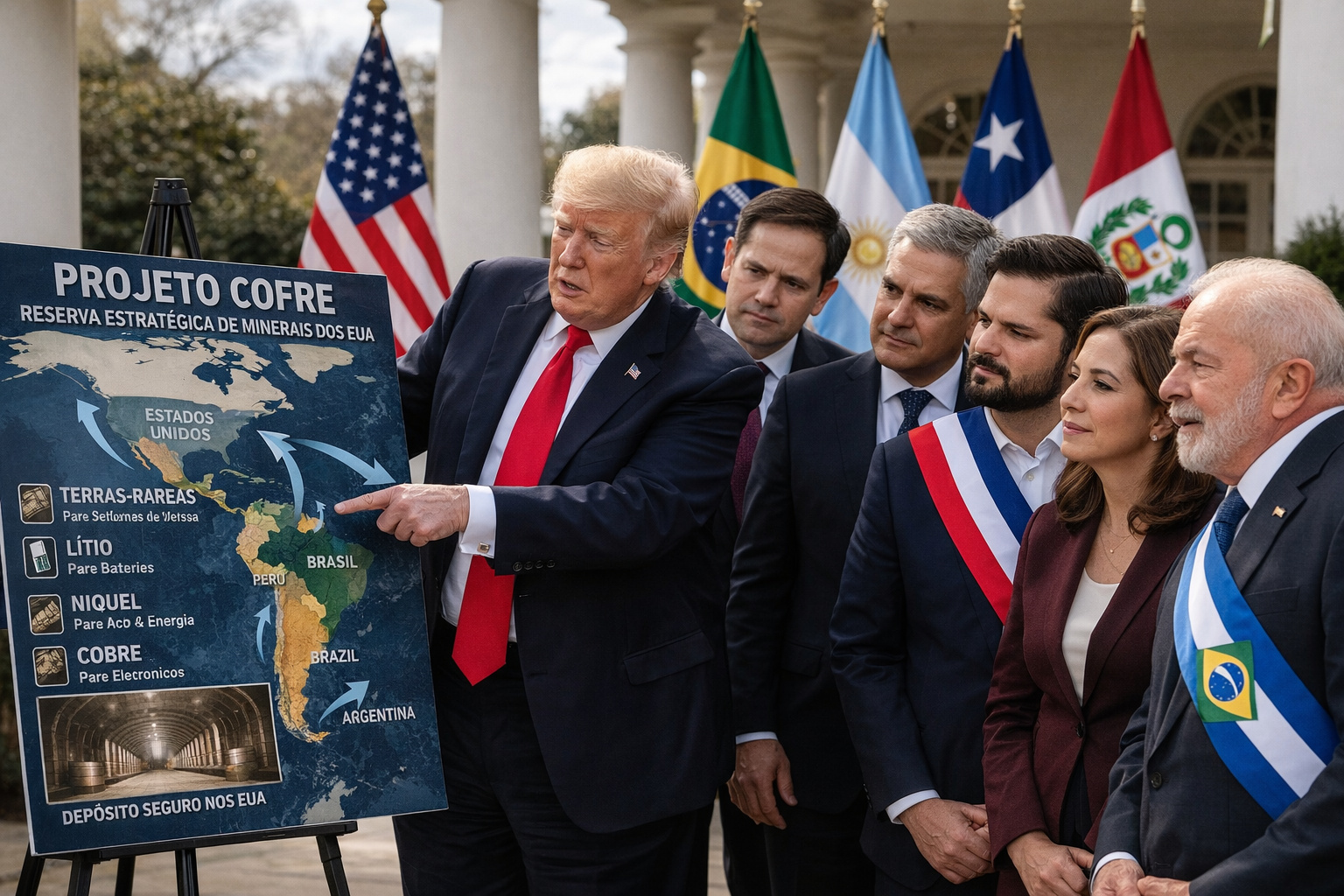
The USA announces a mysterious billion-dollar vault project to store critical minerals, but what intrigues experts is not just the plan itself, but why Latin America, including Brazil, has entered the center of this global dispute against China.
-
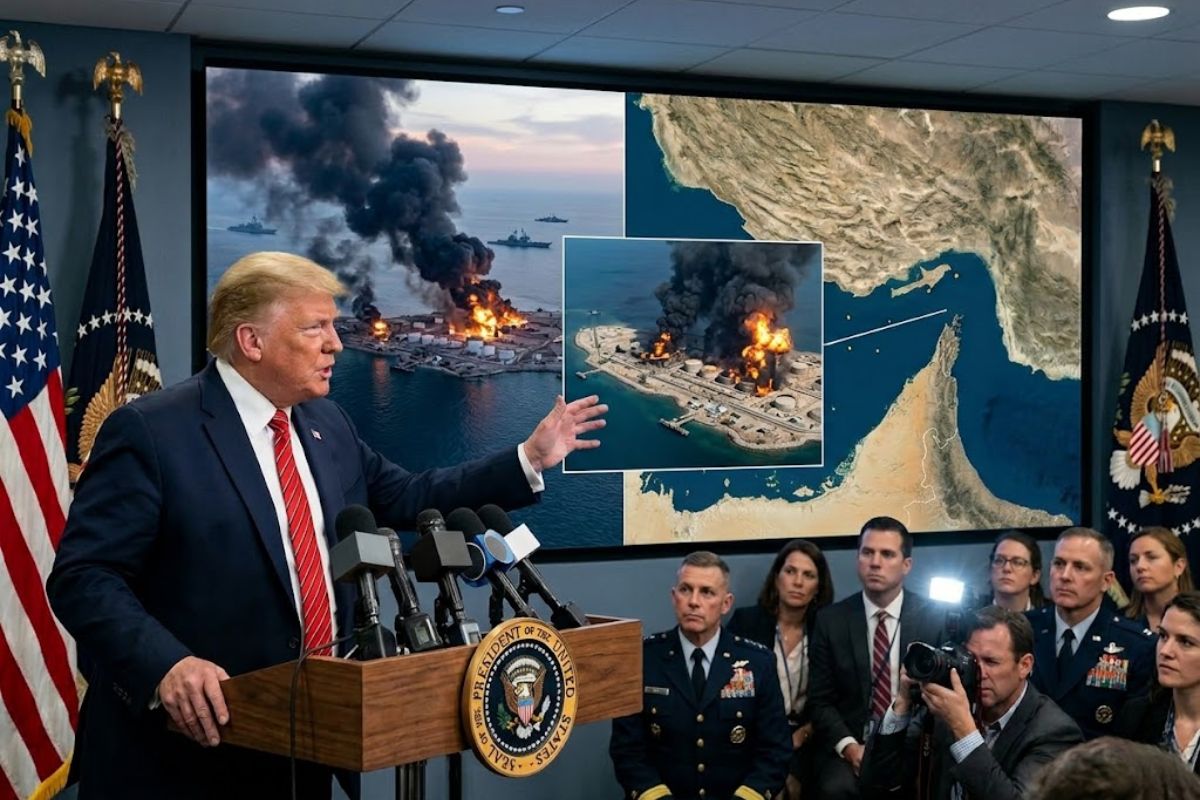
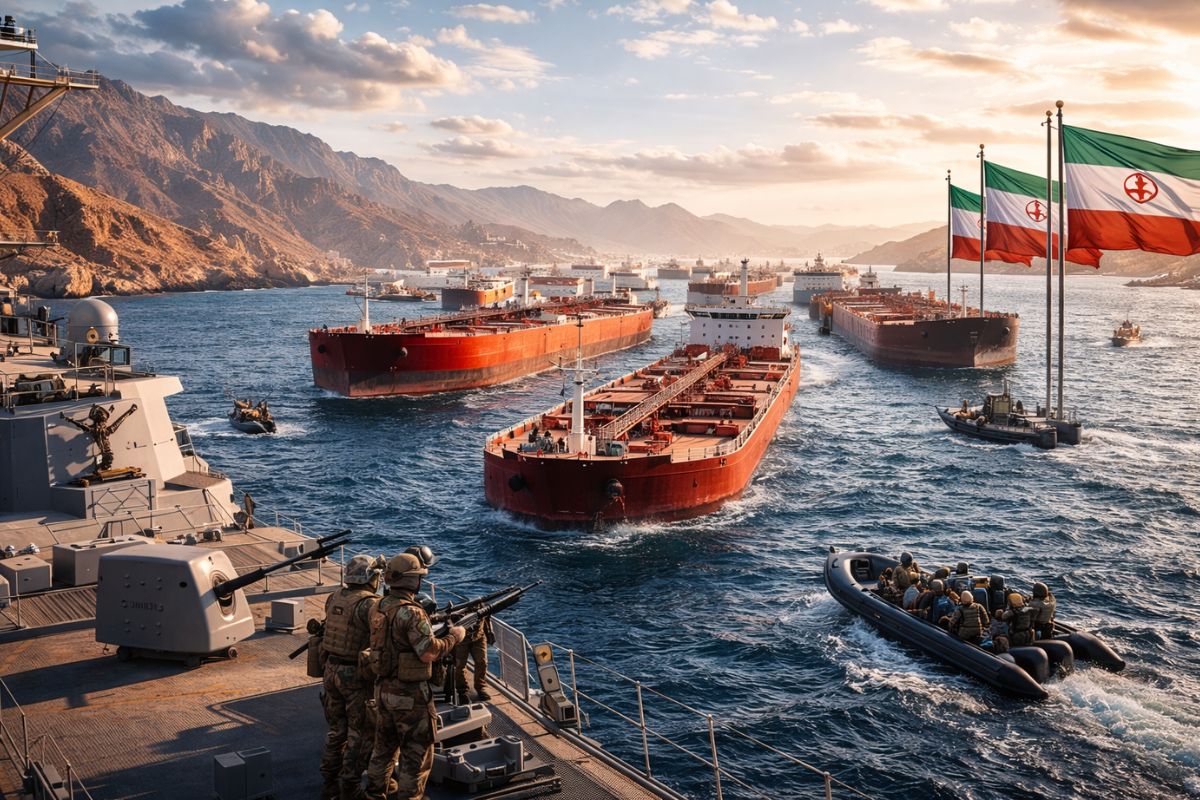
Trump Announces Bombing of U.S. Military Targets on Iranian Island Responsible for About 90% of Iran’s Oil Exports, Warns of Further Attacks if Navigation in Strategic Strait of Hormuz Is Threatened

Neighboring nations such as Finland, Norway, and Denmark have also reinforced awareness measures. Recently, Finland launched a digital guide on “Preparation for Incidents and Crises”.
Norway, for its part, distributed 2.2 million copies of a similar leaflet, with guidelines for facing a week of isolation due to extreme phenomena, wars, or other threats.
Preparations in Various War Scenarios
The Swedish guide, which dates back to World War II with the publication of “If War Comes”, delivers a clear message: “If Sweden is attacked by another country, we will never give up. Any information suggesting otherwise is false.” This statement, previously positioned in the middle of the material, now occupies a prominent place.
Meanwhile, in Finland, the focus has been digital. The government opted not to print physical copies, citing high costs and the ease of updating electronic formats. The Finnish manual outlines responses in the event of armed conflicts, emphasizing that authorities are “well prepared for self-defense”.
Norway, for its part, had already sent out similar material in 2018 but decided to update it due to climate change and the increase in extreme weather events, such as floods and landslides.
Among the items recommended by governments are long-lasting foods such as canned goods and energy bars, as well as medicines, including iodine tablets for nuclear incidents.
Denmark has also joined the movement, sending email guidelines on essential supplies for survival during three days of crisis.
Geopolitical Changes
Sweden’s accession to NATO, along with Finland, marked a historic turnaround. While Norway is a founding member of the Western military alliance, the two Nordic countries remained neutral until the escalation of the war in Ukraine in 2022. This new reality highlighted the need to strengthen defense structures.
However, the paths of Sweden and Finland differ. The Swedish government, which reduced its defense infrastructure after the Cold War, has recently invested in rebuilding. On the other hand, Finland, due to its long border with Russia and memories of past conflicts with the Soviet Union, has always maintained a robust defense system.
Swedish Minister of Civil Defense, Carl-Oskar Bohlin, emphasized last month that the global landscape demanded an update of the information sent to Swedish homes. He went so far as to say that “there could be a war in Sweden”, a warning intended to accelerate preparedness efforts.
Ilmari Kaihko, an associate professor of war studies at the Swedish Defence University, highlights this difference in mindset. “From a Finnish perspective, this is a bit strange. Finland has never forgotten that war is a possibility, while in Sweden, it has taken an awakening to understand this reality.”
Concern Among Younger Generations
Melissa Eve Ajosmaki, 24, originally from Finland and a student in Gothenburg, shares her perspective on the climate of uncertainty. “When the war in Ukraine started, I became more worried. Now, I feel less anxious, but I still think about what to do in case of conflict, especially since my family is in Finland.”
The landscape reveals a growing collective awareness in Scandinavia regarding the importance of preparation in the face of crises, whether during wartime, climate change, or other contemporary challenges. However, the transition to this state of readiness still faces challenges, and as experts highlight, reflects the cultural and historical differences between these countries.







Seja o primeiro a reagir!