





 Portuguese
  English
  Spanish
 3 min of reading


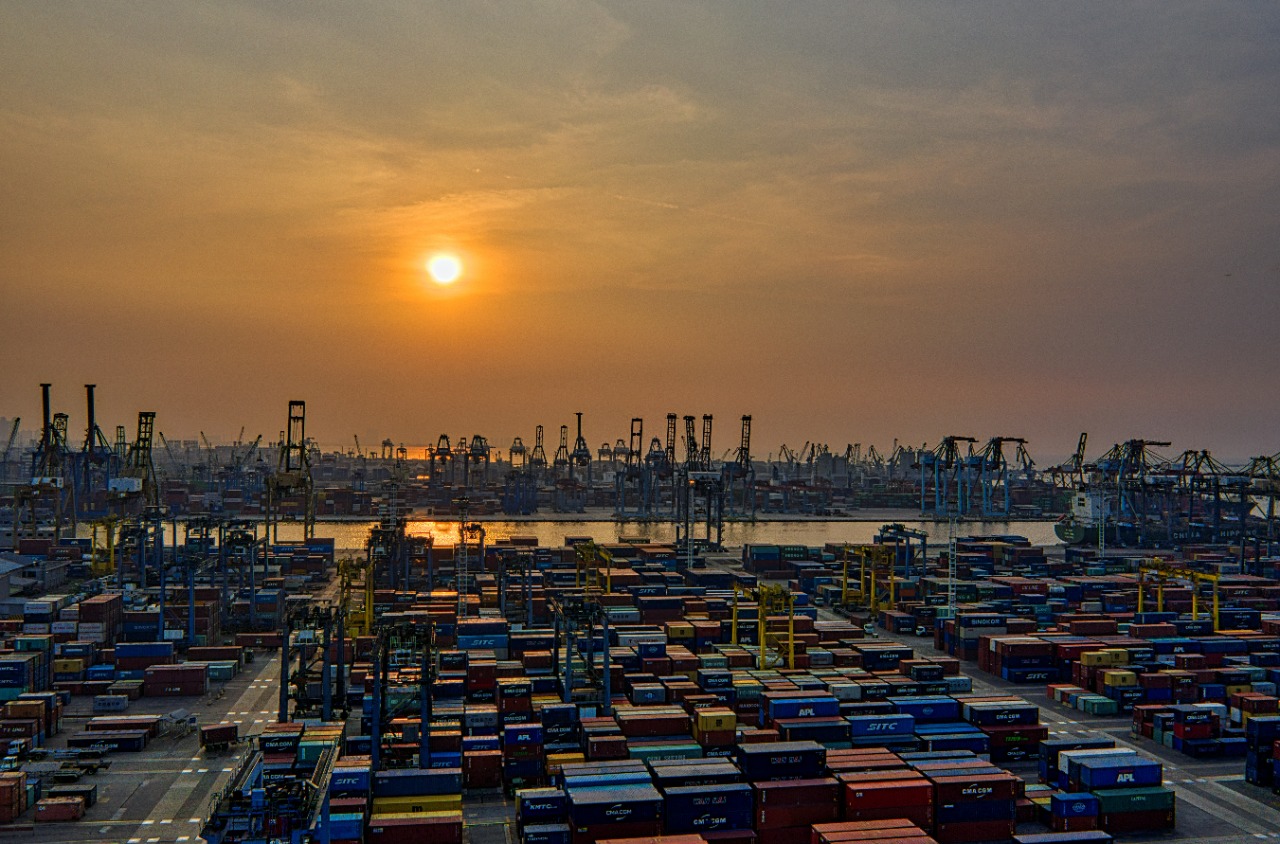
Event Brought Together Authorities and Experts in Brasília to Discuss Challenges and Solutions That Can Place the Brazilian Port Sector at an International Competitiveness Level
Investments aimed at modernizing ports across Brazil are an urgent necessity for the country to increase its efficiency and capacity to operate within the international logistics chain. However, for companies to have even greater interest in investing their resources here, legal security and unrestricted bidding are essential, whether for national or international investors. This was the central idea of the debates promoted by the Summit Portos 2022, held in Brasília (DF).
The event gathered authorities and experts from the port sector to discuss the challenges and solutions that can help Brazil level up and reach international standards. At the opening, the Minister of Infrastructure, Marcelo Sampaio, emphasized that the sector has adapted to the difficulties posed by the increase in demand during the peak of the Covid-19 pandemic, and for that reason, it is ready for growth.
During the opening of Summit Portos, the Minister of the Federal Court of Accounts (TCU), Augusto Nardes, stated that it is necessary to expedite the decisions of regulatory agencies and that they “cannot be solely punitive.” The minister also argued that Brazil will not improve its poor ranking in international port infrastructure rankings if private investments do not increase significantly.
-
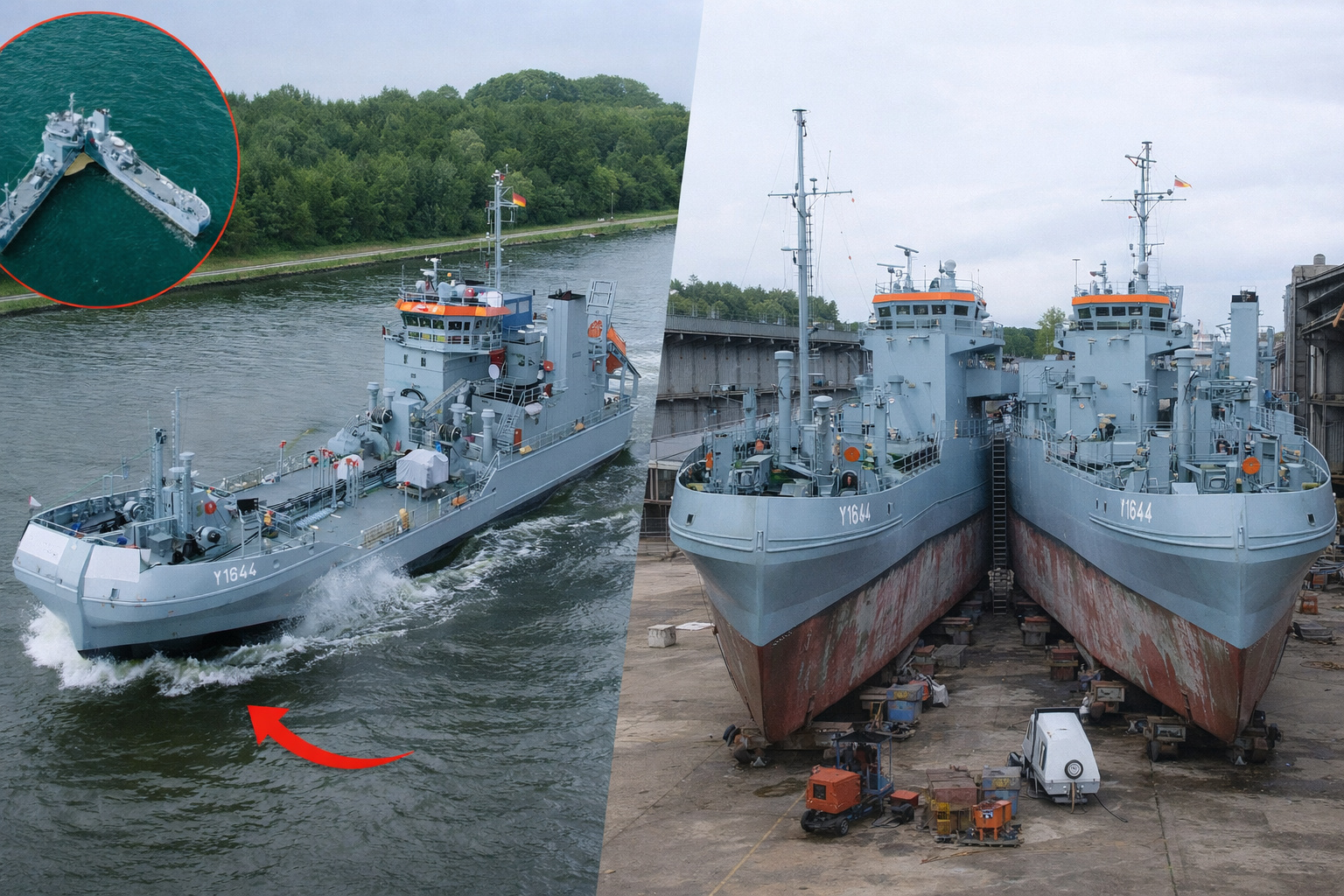
The German ship Bottsand splits its hull in two halves in the middle of the ocean to swallow spilled oil on the surface, separating the oil from the water inside a 790 cubic meter tank and then closing again. It is the only ship in the world factory-designed to split in half as part of normal operations, and the crew of six people who operate everything is civilian.
-
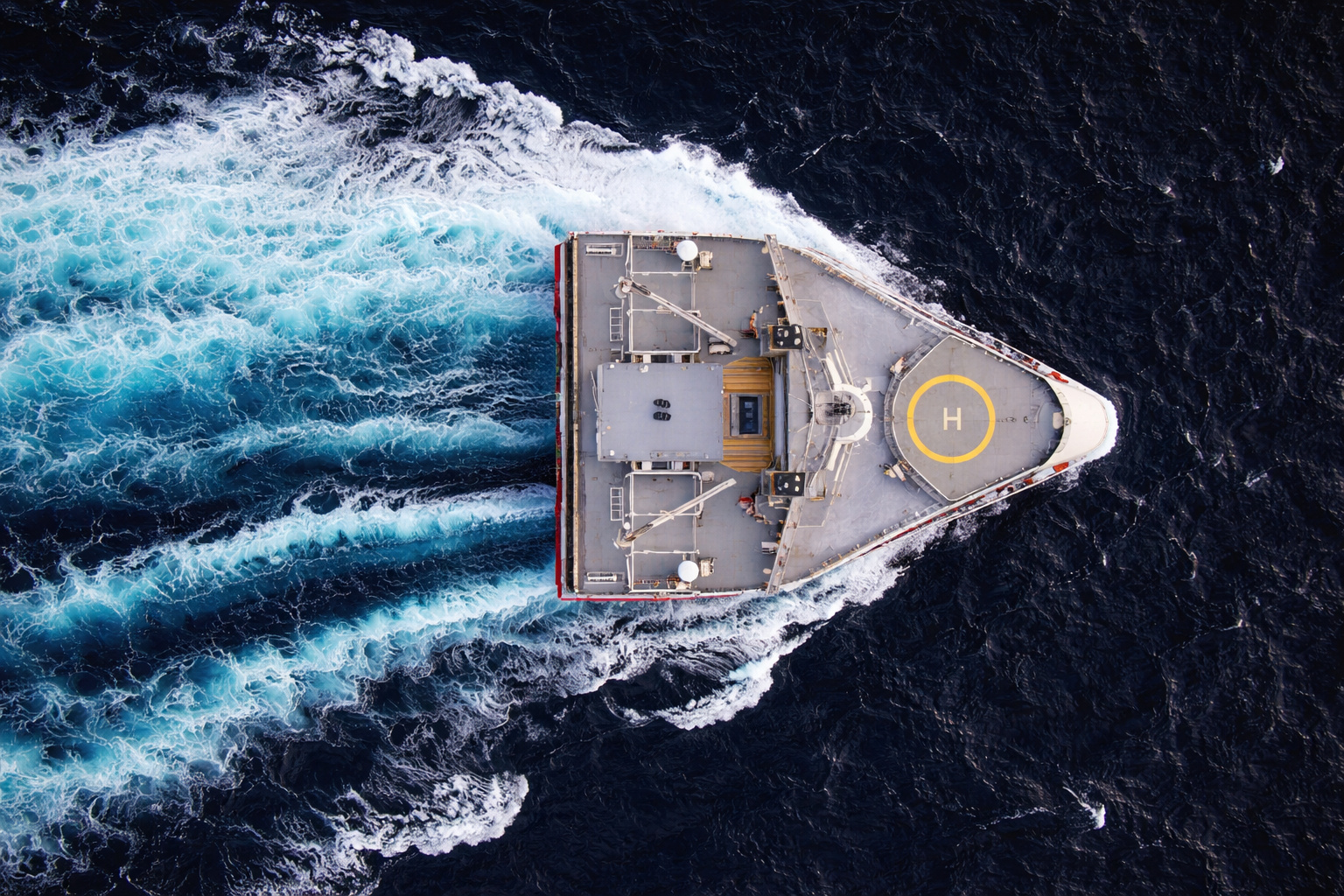
With almost 70 meters in width at the stern and a shape resembling a “giant slice of cheese,” the Ramform Titan tows up to 24 seismic cables to sweep the ocean floor in 3D and reveal oil reserves hidden beneath kilometers of sediment.
-
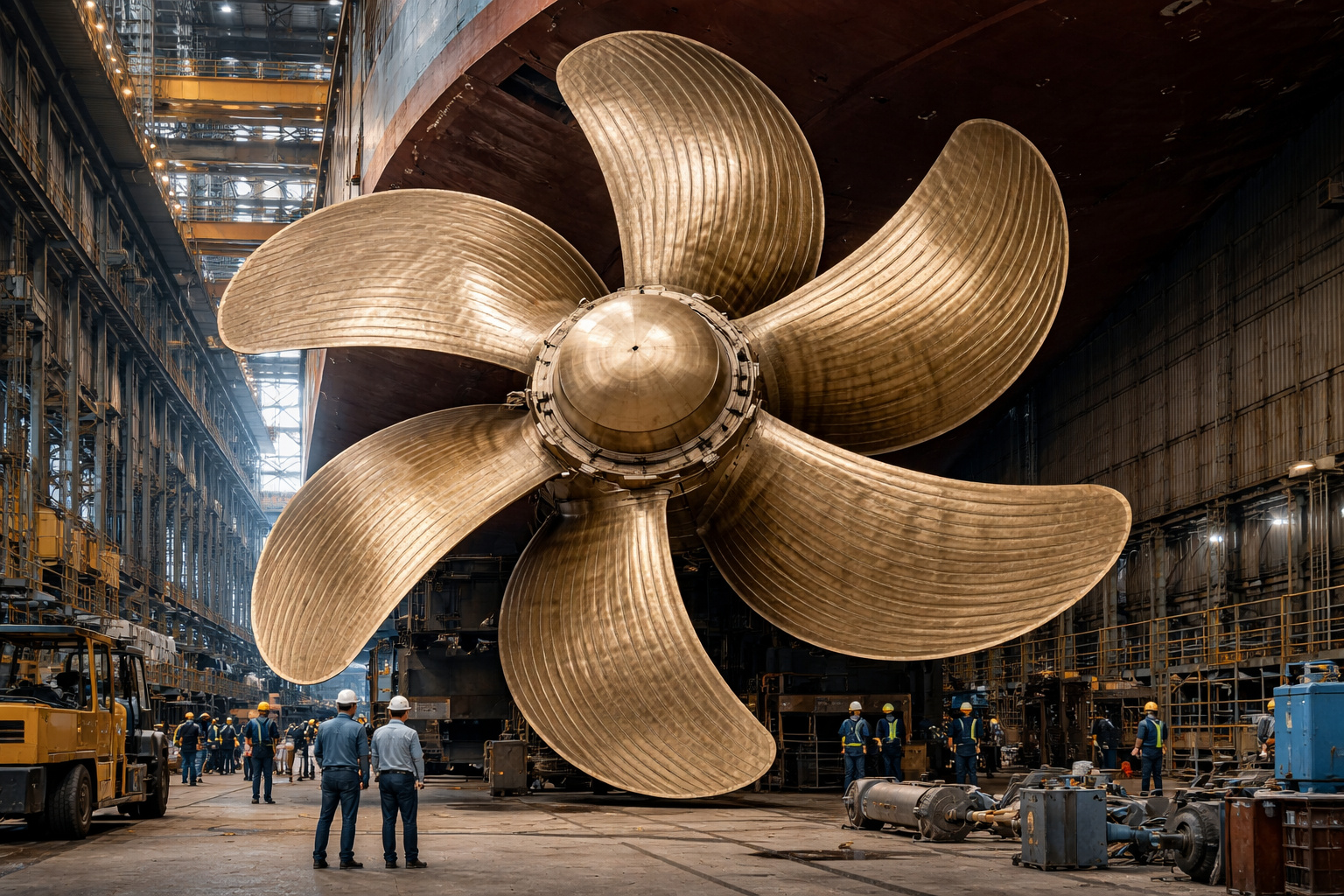
How a 131-ton, 11-meter propeller supports 90% of global trade and transforms the largest container ships on the planet.
-
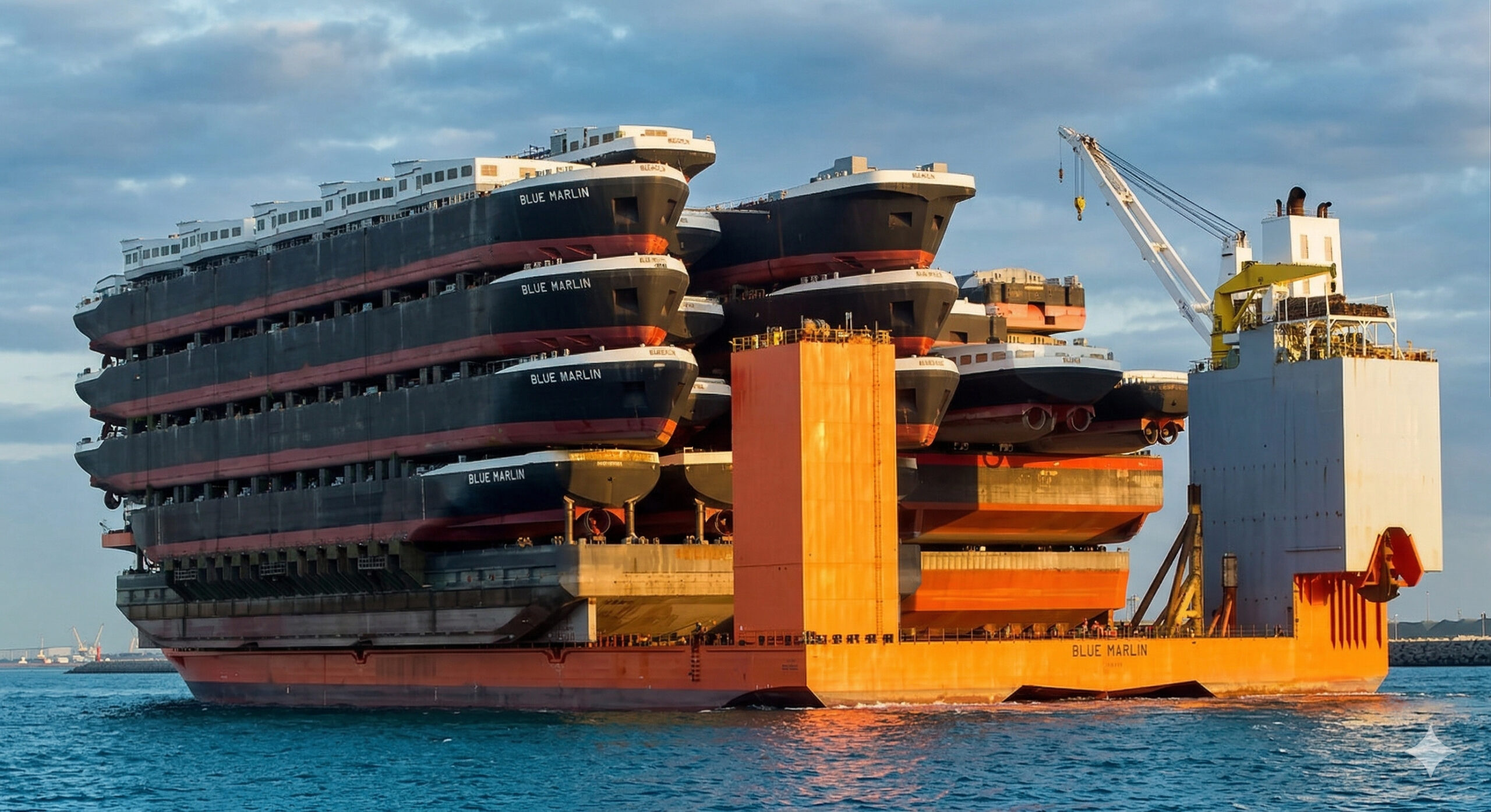
With a length of 225 meters and a capacity of 76 thousand tons, this ship “sinks” its own deck down to 28 meters deep to accommodate war destroyers, oil platforms, and giant radars floating above, and then emerges with everything intact on top like a colossal tray crossing oceans.

Event Was Divided Into Discussion Panels
Three debate panels were held during this year’s Summit Portos in Brasília. The first, titled “Diagnosis of the Port Sector – Impact of Port Capacity Restrictions on Costs and the Logistics Efficiency of the Country”, highlighted ways to expand national infrastructure in light of the reconfiguration that the world is undergoing post-pandemic.
Participants included: consultant Gesner Oliveira, the general superintendent of the Administrative Council for Economic Defense (CADE), Alexandre Barreto; the director-general of the National Agency of Waterway Transportation (ANTAQ), Eduardo Nery; and the logistics executive of the Brazilian Animal Protein Association (ABPA), José Perboyre Gomes.
Gesner Oliveira argued that, in a sector with unique characteristics, the advantages of vertical integration – with the collaboration of players in the production chain providing cost reductions – and the need for legal security for new investments must be highlighted. He also pointed out the obstacles that should be avoided in the granting of STS10, the area of the new container terminal in Santos (SP).
The theme of the second panel focused on “Best Practices Adopted Worldwide”, where speakers indicated that Brazil still has much to advance in meeting the demands of the container sector. The discussion group included the infrastructure consultant from the Chamber of Deputies, César Mattos, the head of terminals Americas from APM Terminals, Leo Huisman, the representative from the Valencia Ports Foundation, Jonas Mendes Constante, the general logistics manager at Eldorado Brasil Celulose, Flávio da Rocha Costa, and the general coordinator of Cade, Lilian Marques.
The third panel of Summit Portos focused on the challenges of the Brazilian port sector. According to the speakers, lack of planning is a delaying factor for national development. It was stated that over 68% of international orders for container ships worldwide are for vessels with a capacity greater than 12,500 TEUs (twenty-foot equivalent units). However, Brazilian ports still do not regularly operate with vessels of that size. Thus, modernization of infrastructure is essential.
Closing
The deputy executive secretary of the Ministry of Health, Marcus Vinícius Dias, delivered the closing speech at Summit Portos 2022. He discussed the processes of vertical integration in the health sector that helped address logistical challenges during the pandemic. The director of investments and terminals at TiL (Terminal Investment Limited), Patricio Junior, also shared his closing remarks at the event, hoping that the country can continue to progress in order to attract international investments.









Seja o primeiro a reagir!