





 Portuguese
  English
  Spanish
  3 min of reading
  0 comments


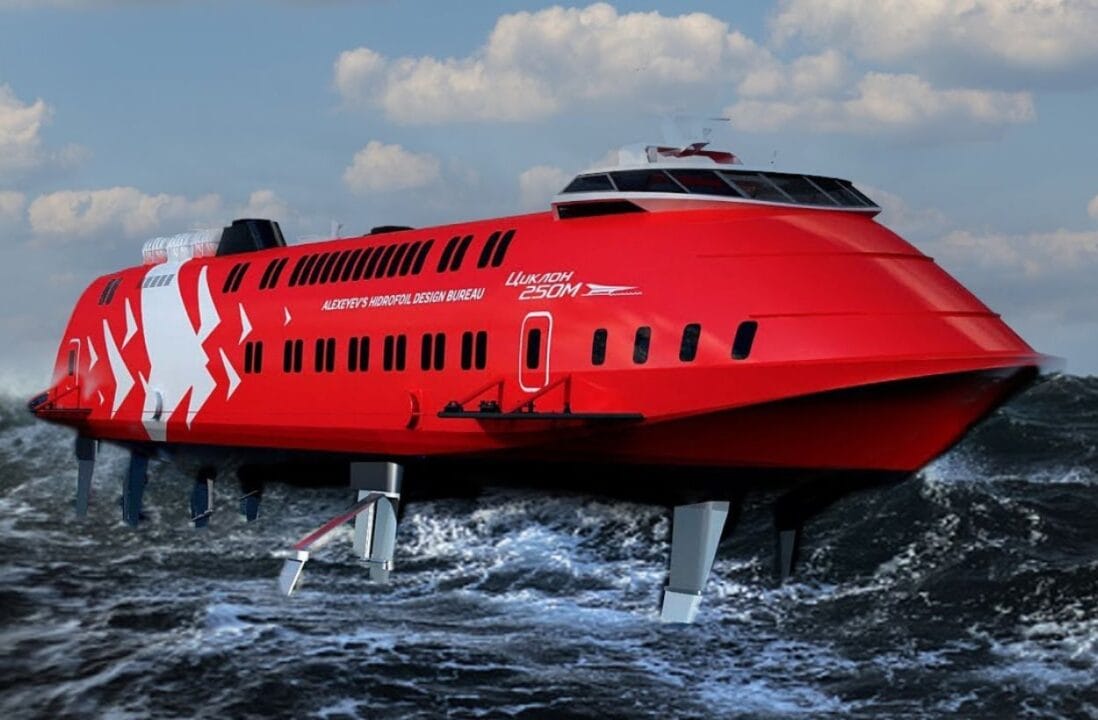
Super Jets Are Redefining Speed And Capacity Standards In Global Maritime Transport, Connecting Destinations Like Japan And Macau With Unmatched Efficiency, Despite Sustainability Challenges Related To Fuel Consumption.
The maritime industry is witnessing a revolution with the introduction of super jets equipped with turbines, transforming the travel experience between the islands of Japan, Macau, China, and other global destinations. These engineering marvels, built in the 1980s and 1990s, stand out not only for speed and efficiency, but also for their capacity to carry hundreds of passengers and vehicles in record time.
Vessels like the Pegasus Boeing 929 operating in Japan and built in 1990 showcase impressive dimensions, with lengths ranging from 22 to 99 meters, enabling them to transport 190 to over 1000 passengers, along with 150 vehicles in the case of the fastest in the world, built in 2012 in Tasmania. With turbines, these ships reach maximum speeds ranging from 42 to 58 knots (approximately 78 to 107 km/h), exemplifying the perfect fusion of power and precision.
Efficiency Of Jet Ships
Despite their remarkable speed and capacity, jet ships face challenges related to fuel consumption, with averages hovering around 2140 to 2150 liters per hour. This aspect underscores the importance of continuous innovation in the quest for solutions that balance energy efficiency with exceptional performance.
-
With 74% of companies facing difficulties in hiring, technicians and engineers in renewable energy are becoming scarce in Brazil and are essential to support the expansion of solar, wind, and green hydrogen projects.

-
Europe is trying to create an ammonia-powered marine engine without auxiliary fuel, which could unlock the race for giant emission-free ships. The technology aims to eliminate one of the biggest obstacles to clean maritime propulsion.

-
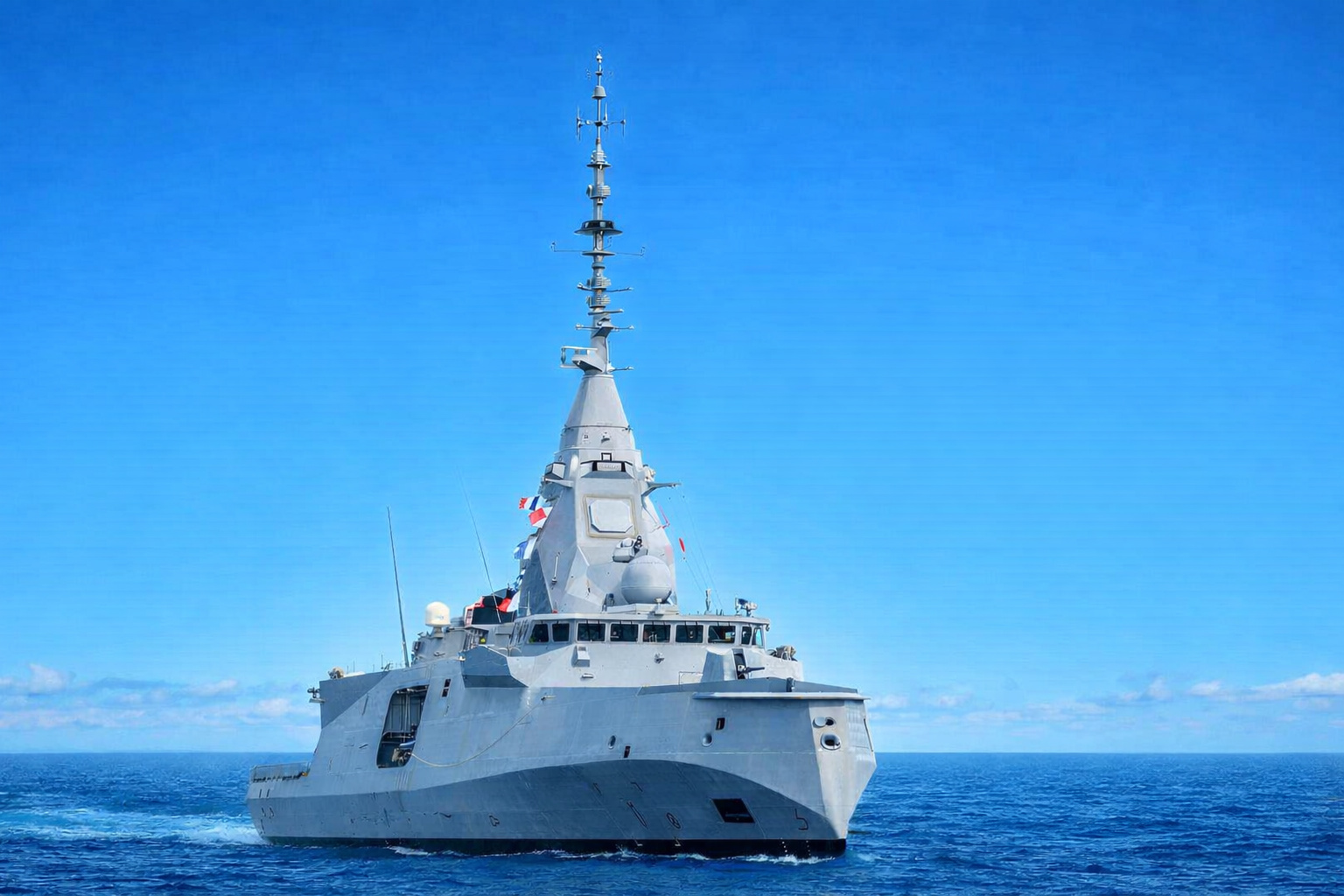
A 4,500-ton frigate with just over 100 crew members, state-of-the-art radar, and cruise missiles is being touted as the new standard of naval warfare in the 21st century.
-
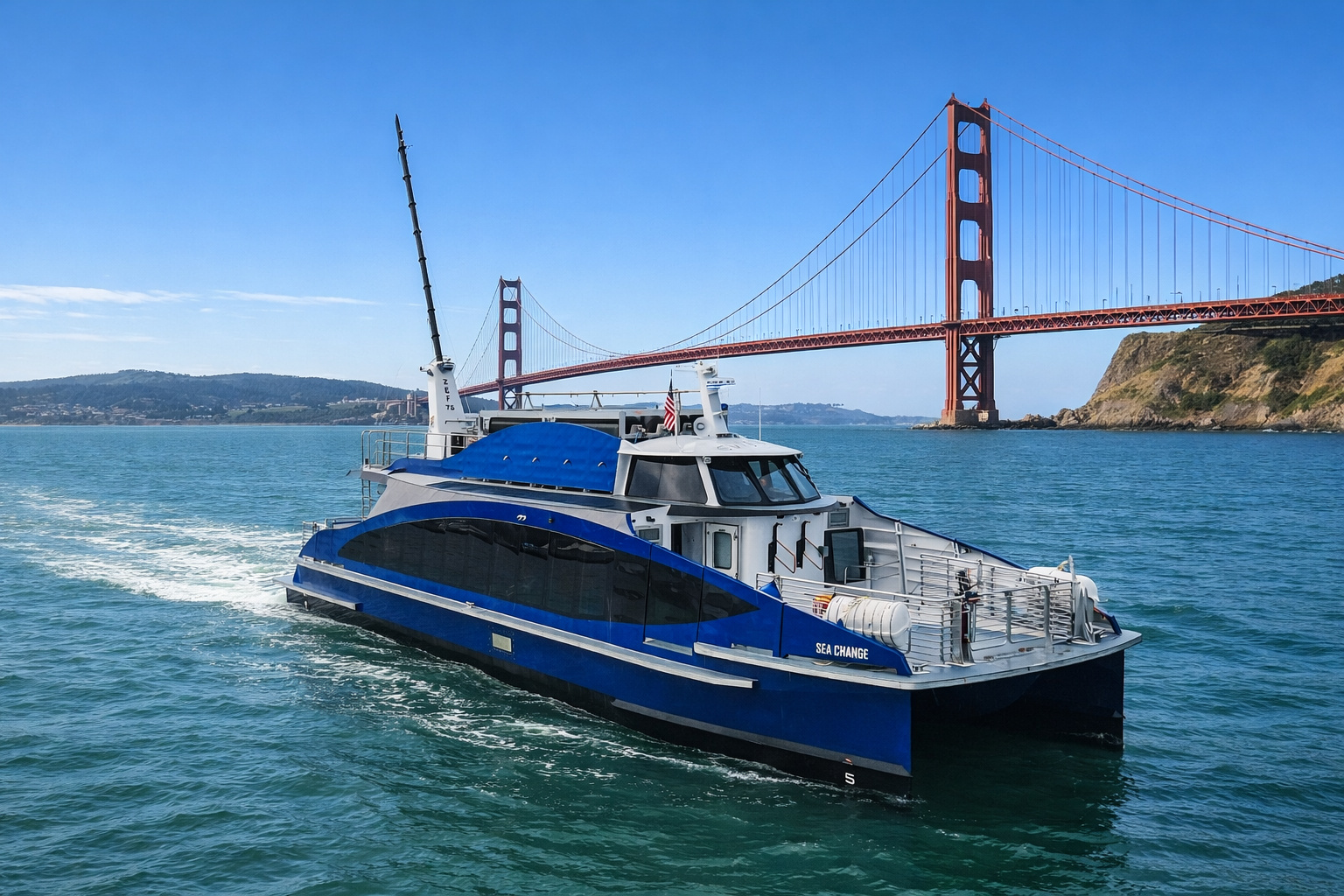
The first commercial hydrogen-powered ferry enters operation in the U.S., eliminates the use of diesel, uses fuel cells to generate clean energy on board, and transforms San Francisco Bay into a landmark of the new era of emission-free navigation.

Ships With Turbines
Ships equipped with turbines symbolize pioneering efforts and the relentless pursuit of advancements that define the future of maritime transport. With decades of operation, these vessels not only connect destinations effectively but also inspire the next generation of naval technologies, promising even greater revolutions in the way we explore and interact with the vast oceans of our planet.
Thus, the era of super jets equipped with turbines is just beginning. As we face challenges, especially in terms of sustainability and fuel efficiency, the path ahead is clear: innovation will continue to be the compass guiding us through the uncharted waters of maritime technological progress.
The Evolution Of Ship Engines
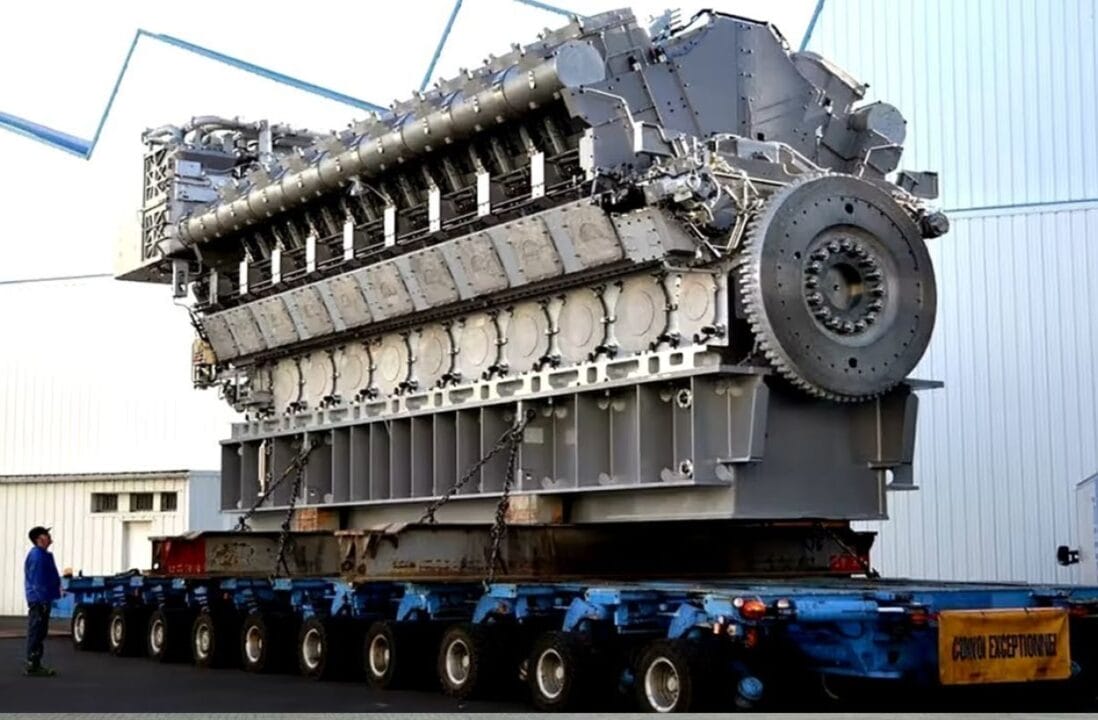
In addition to making an impact with their impressive capabilities, super jets equipped with turbines mark a turning point in the history of naval propulsion, reflecting the ongoing evolution from early navigation methods to today’s advanced technological solutions.
Initially, humanity relied on human power and sails to conquer the seas, a testament to ingenuity and adaptation to available natural resources. Over the centuries, the invention of steam ship engines in the 19th century revolutionized maritime travel, paving the way for the era of internal combustion engines and subsequently diesel-electric systems, surpassing steam engines in efficiency and performance.
Marine engines have evolved to meet a diverse range of vessels, from small pleasure boats to large commercial ships. Outboard and inboard engines demonstrate the versatility needed for different types and sizes of vessels, with options for gasoline or diesel propulsion depending on performance and fuel efficiency needs. This specialization reflects the complexity and diversity of modern maritime transport demands.
Cutting-Edge Technology And Innovative Propulsion Systems
Innovative propulsion systems, such as IPS and Zeus, represent the pinnacle of current technology in marine engines, offering superior fuel efficiency, exceptional maneuverability, and noise reduction. These systems enable more intuitive control of vessels, highlighting the maritime industry’s ongoing commitment to innovation and enhancing the sailing experience.
Jet ships with turbines are the modern embodiment of this long history of innovation, combining the power and efficiency of aerospace technologies with the unique needs of maritime transport. These vessels not only achieve impressive speeds but also challenge conventions, redefining what is possible in the realm of naval propulsion.
Challenges And Opportunities
Despite advancements, the challenge of fuel consumption remains in ship engines, highlighting the importance of ongoing research to find a balance between speed, efficiency, and sustainability. The journey of innovation in naval propulsion, from oars and sails to jet turbines, reflects an unwavering commitment to pushing boundaries, promising an even more exciting and efficient future for global navigation.
Thus, super jets equipped with turbines are the continuation of a rich history of innovation in naval propulsion, showcasing human ingenuity and the relentless pursuit of improvements that define the modern era of maritime exploration and ship engines.








Seja o primeiro a reagir!