





 Portuguese
  English
  Spanish
  5 min of reading
  0 comments


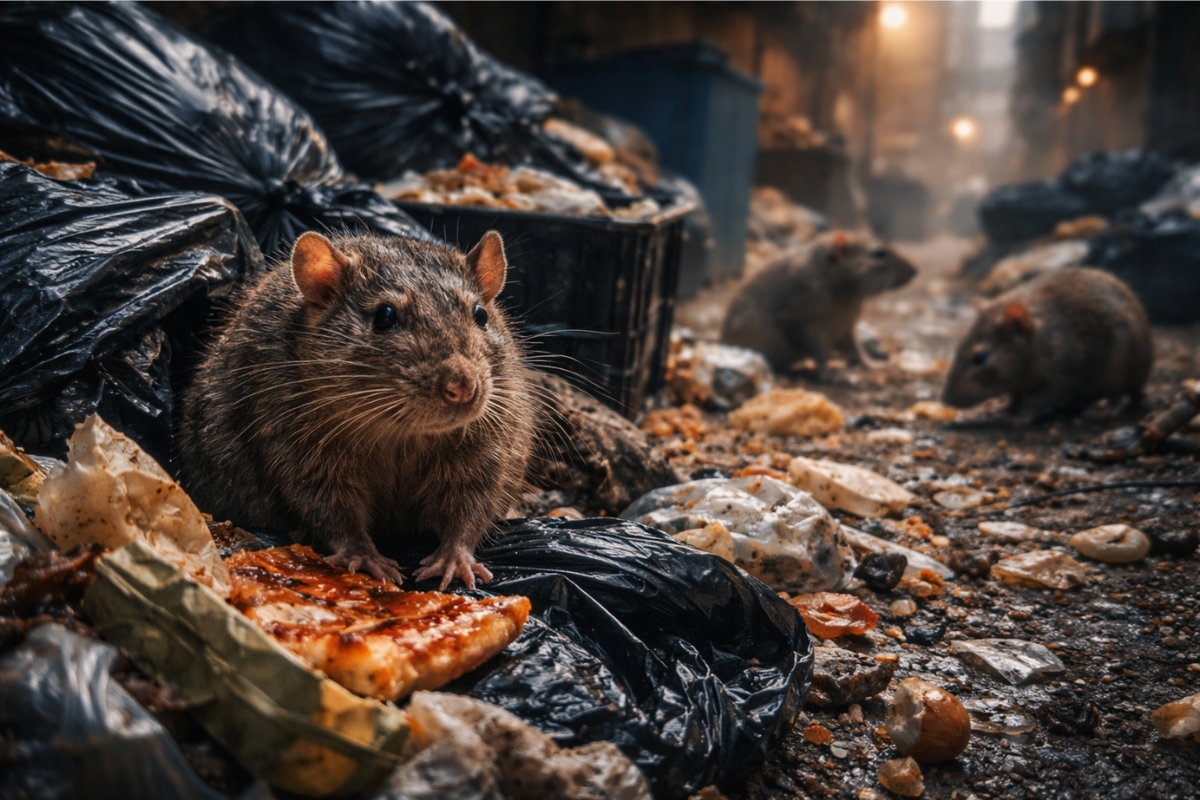
Experts Pressure Europe to Accelerate New Solutions to Contain Super Rats in Cities That Are Becoming Hotter and More Vulnerable.
Traditional poisons are no longer delivering the same response in parts of Europe. In several urban areas, super rats with genetic resistance continue to survive against the most commonly used products for combating infestations, while the warmer climate helps maintain active reproduction for longer periods throughout the year.
This scenario has increased pressure on the European Commission. The focus now is on paving the way for methods that reduce rodent fertility, in an attempt to curb colony growth without repeating the model based solely on lethal substances.
The topic has gained traction because the problem has ceased to be isolated. It now intertwines public health, environmental impact, animal welfare, and the growing difficulty of controlling urban populations that have adapted to classical methods.
-
A collector bought a black stone in Morocco in 2011 without knowing that he had in his hands a Martian meteorite 4.45 billion years old with ten times more water than any other fragment of Mars ever found on Earth.

-
European cities are building public climate refuges to cope with extreme heat.

-
Excavations for a highway uncovered an intact Celtic city with gold, jewelry, and ancient production structures.

-
Every pineapple you eat is actually up to 200 different fruits fused into one: discover the fascinating process in which each flower opens for just one day and produces the pieces that form the whole fruit over the course of 3 weeks.


Europe Faces a Problem That Keeps Growing
The expansion of super rats in European cities has drawn even more attention because many of these animals no longer respond as they did to anticoagulant poisons. In practice, part of the colonies can survive the method that has been used for decades in urban control.
The nickname super rats arose precisely from this context. We are not talking about giant animals, but rodents that carry mutations associated with resistance to the most common chemicals. As they survive, they continue to occupy territory, reach adulthood, and keep reproducing.
Over time, this process reinforces natural selection within the colonies themselves. The most resistant animals remain alive, breed with each other, and make control increasingly difficult in neighborhoods, sewage systems, disposal areas, and regions close to food sources.

Warmer Climate Helps Maintain Pressure in Cities
Climate change appears as an important factor in this advancement. Milder winters reduce the effect that the cold used to have on rodent survival, allowing more animals to get through the season and maintain reproductive cycles at higher levels.
This weighs especially in large urban centers, where heat, shelter, and a constant supply of waste create favorable conditions for colony persistence. The result is a more lasting, more visible, and more expensive problem to manage.
Estimates cited in the debate point to elevated populations in cities like Brussels, Paris, and Rome, reinforcing the feeling that the current model has lost some of its responsiveness. When the environment helps these rodents survive and the poison loses efficiency, pressure on the authorities increases.
European Commission Discusses Rules That Could Accelerate Change
At the center of this dispute is the assessment of the EU Biocidal Products Regulation, which defines how pest control products reach the market and under what requirements they can be approved.
The discussion has gained weight because the system is seen as slow in analyzing alternatives that do not follow the traditional logic of poisons. Experts are calling for a more agile pathway for fertility control products, to allow field testing, and to more clearly consider animal welfare in the regulatory analysis.
According to the Center for Wild Animal Welfare, an international NGO focused on policies for wild animals, the current structure needs modernization to allow for faster, less cruel, and more compatible solutions with the reality of European cities.
Birth Control Enters the Radar as a Different Response
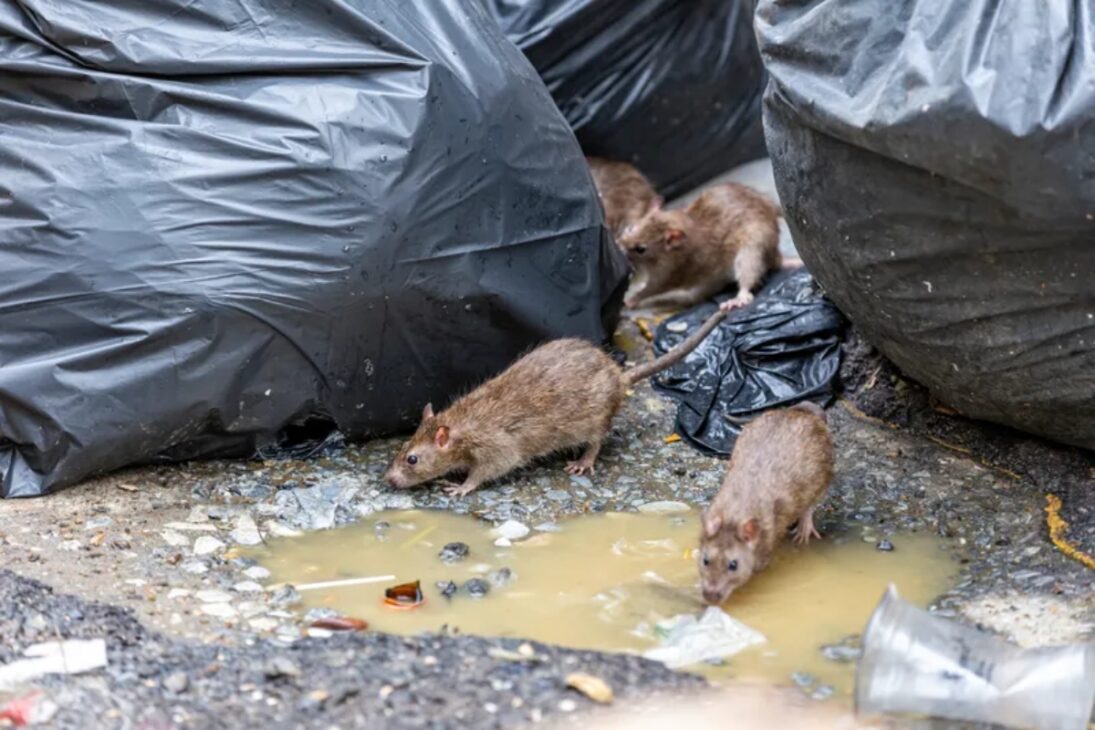
The proposal advocated by this group is based on a simple idea. Instead of relying solely on the immediate death of the animal, the method attempts to gradually reduce the population by interfering with the reproductive capacity of males and females.
The model described in the debate often uses a sweetened liquid bait, voluntarily consumed by the rats. The function of the product is to affect fertility without resorting to the anticoagulant mechanism, which causes internal bleeding and slow death.
The strategy changes the logic of the fight. When the poison abruptly reduces part of the population, a void may arise in the territory, with more food and space for the survivors. This favors renewed advance of the colony. With birth control, the animals remain in the environment, but cease to expand the population, which may lead to a gradual decline due to natural attrition.
Traditional Poisons Continue to Face Criticism for Efficacy and Impact
The debate does not revolve solely around resistance. Anticoagulants are also questioned for the suffering imposed on the rodents themselves and the risk to other species that come into contact with these compounds.
These products can take days to kill. In that interval, the animal suffers from severe internal bleeding and organ failure. The problem is not limited to the initial target. Predators such as owls, birds of prey, foxes, and even domestic animals can be affected by consuming contaminated rodents or by coming into contact with the poison.
This expanded effect helps explain why the topic has moved from simple urban control to a broader discussion about sustainability, environmental protection, and management methods. The question that has begun to gain traction is whether it still makes sense to insist on the same path when efficacy has dropped and damage remains high.
United States Has Already Approved Product and Increases Pressure on Europe
The call for a quicker response has gained new momentum because the United States has already approved a fertility control product for rats. The most cited case is ContraPest, released in 2016 by the American environmental agency.
This precedent has shifted the weight of the debate. The proposal has ceased to seem merely experimental and has begun to be presented as an alternative that has already come to fruition in another important market. For those advocating for change, this increases the pressure on Europe and reinforces the idea of regulatory delay in the face of the advancement of super rats.
The comparison also holds political value. When a solution already exists outside the continent, European delays begin to be seen not just as caution, but as a barrier to innovation and adaptation in the face of a rising problem in the cities.
Pressure on the Bloc Could Change Combat Strategy
The advancement of super rats has transformed an old topic into a new discussion. Now it is not just about eliminating rodents, but about rethinking how public power responds to an urban challenge that intertwines climate, regulation, efficacy, and environmental impact.
If the European Commission chooses to accelerate this path, the bloc could enter a new phase in urban pest control. The debate is still ongoing, but the pressure has already made it clear that maintaining the same response may not be sufficient in the face of a problem that has changed in scale.
In the end, the dispute goes far beyond rats in the sewage or the city’s garbage. It involves the ability of governments to adapt, the speed of regulation, and the choice of methods that make sense in a more challenging and exposed scenario. This pressures the region.










Seja o primeiro a reagir!