





 English
  Francês
  Alemão
  Italiano
  Japonês
  Norueguês
  Portuguese
  Spanish
  4 min of reading
  1 comment


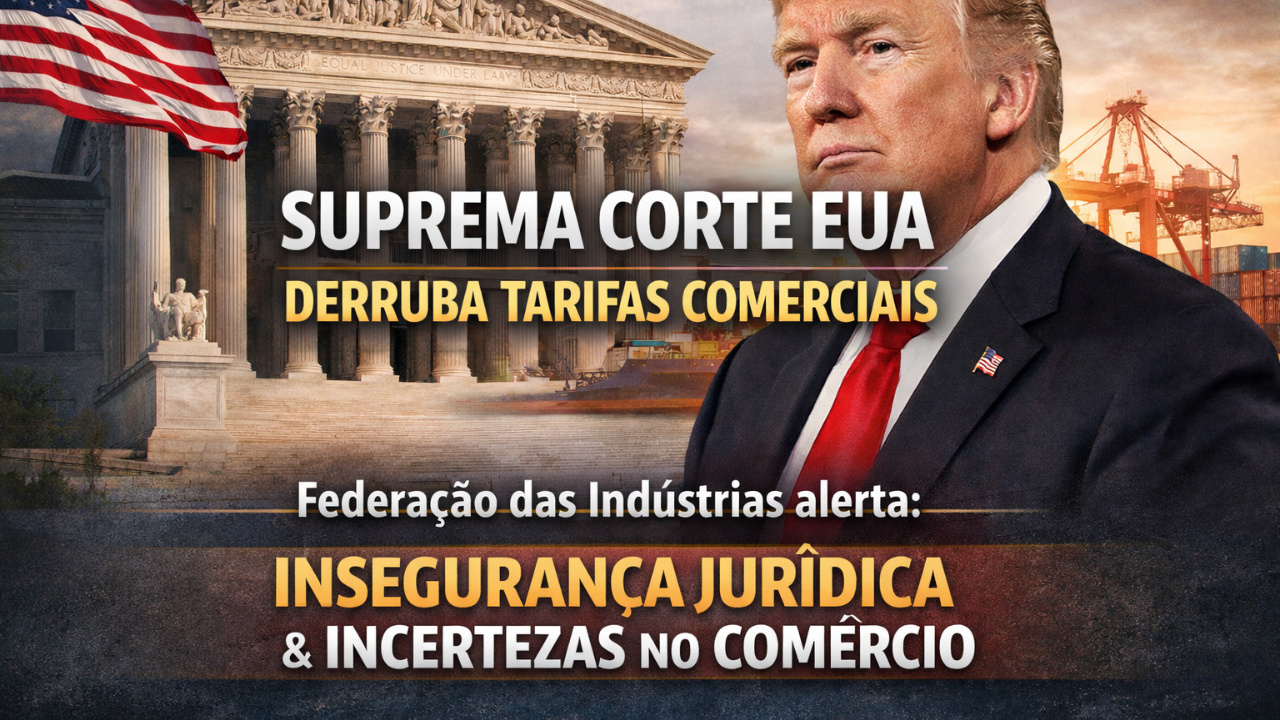

Supreme Court Suspends Trade Tariffs, Generates Reimbursement Expectation and Increases Debate About Legal Uncertainty.
The decision of the Supreme Court of the United States, which rejected trade tariffs imposed by Donald Trump on several countries, including Brazil, triggered an immediate reaction from the Federation of Industries of the State of Minas Gerais.
The ruling, announced in the United States, found that the former president exceeded his powers by using the International Emergency Economic Powers Act (IEEPA) to impose the charges.
For the mining entity, the move is significant, but it still involves legal uncertainty and uncertainties in the international scenario.
-
Middle East War Hits Fertilizers and Transportation and May Strain Brazilian Wallets

-
Russia Considers Suspending Gas to Europe After Surge in Energy Prices
-
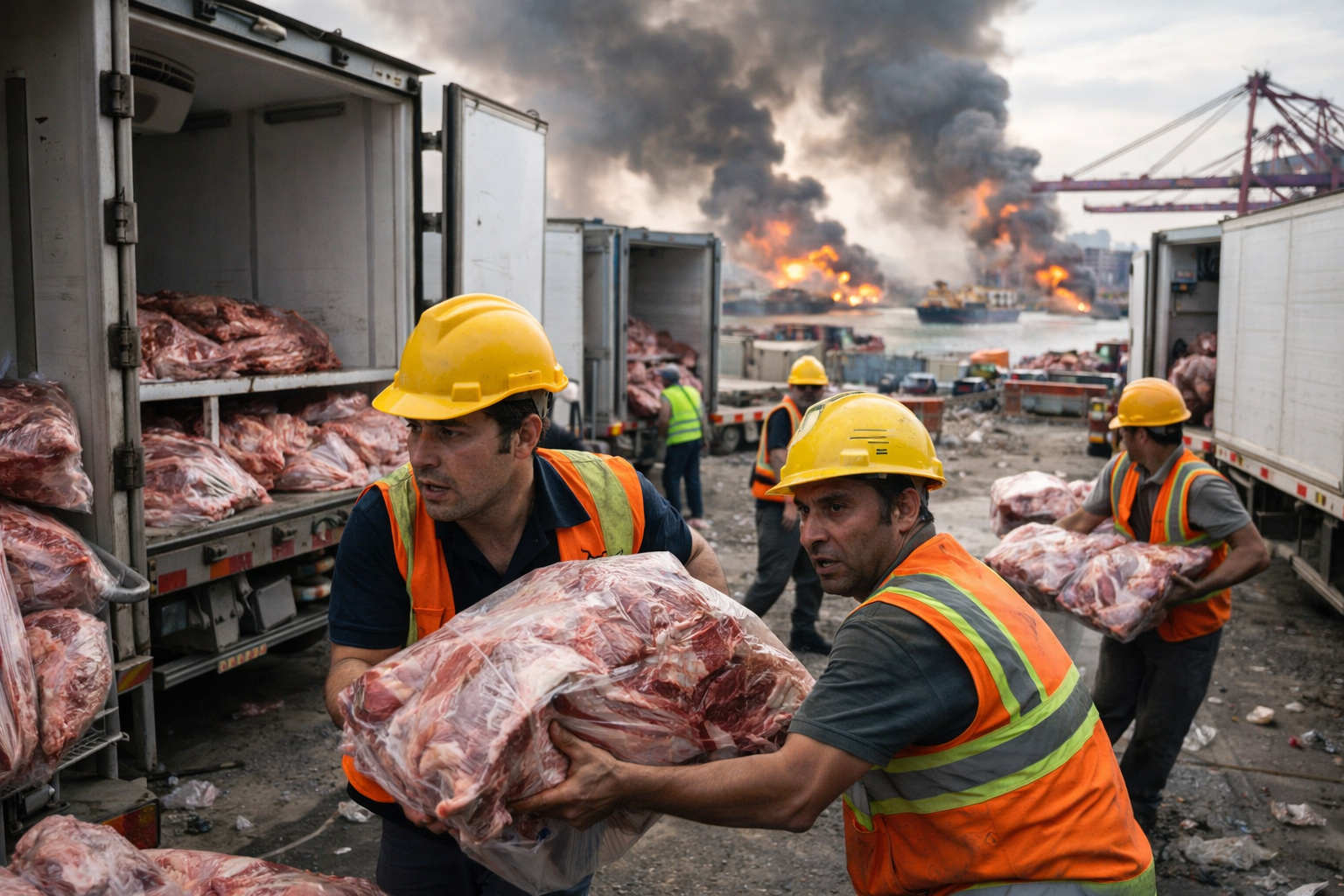
How A War Thousands of Miles From Brazil Started Disrupting Global Shipping Routes, Raising Container Costs, and Putting Up to 40% of Brazilian Beef Exports at Risk
-
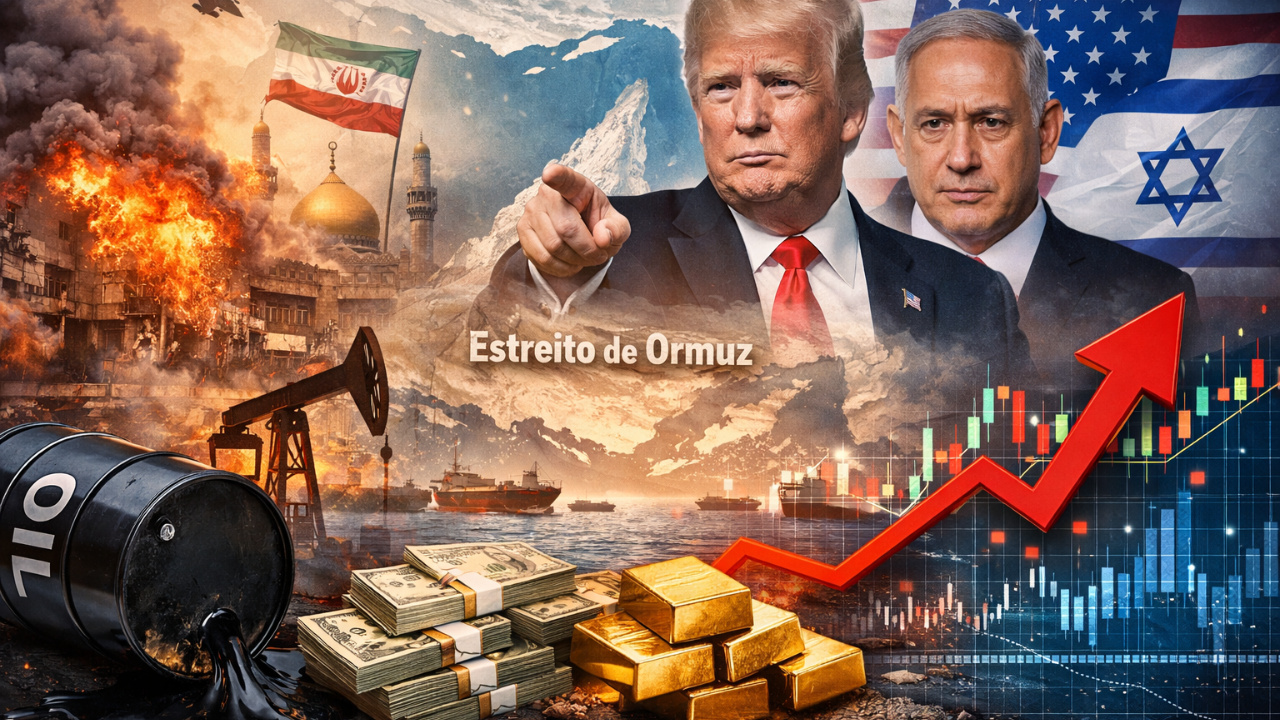
Iran-U.S. War Drives Up Oil Prices and Pressures Global Financial Markets
The measure affects so-called reciprocal tariffs, such as the 10% rate applied to Brazil, in addition to additional charges by country that reached 40% in more recent packages.
However, other trade tariffs remain in effect, which keeps the industrial environment cautious.
Supreme Court US Limits Use of IEEPA in Trade Tariffs
The Supreme Court US decision specifically addresses the trade tariffs imposed under the IEEPA.
This legislation allows the president of the United States to adopt economic measures in cases of national emergency.
However, according to the Court’s understanding, Donald Trump exceeded legal limits by using the provision to justify broad tariff increases.
<p.As a result, the reciprocal tariffs applied to different countries, including Brazil, are directly affected.
The measure represents a significant brake on the trade policy adopted during the Trump administration.
On the other hand, experts point out that the practical impact will depend on the next steps of U.S. authorities.
There is still no definition on deadlines or procedures for the definitive suspension of the charges.
Federation of Industries Sees Advancement, But Points Out Legal Uncertainty
The Federation of Industries assesses that the decision is positive but insufficient to guarantee stability to the productive sector.
In a statement, the entity highlighted that the environment still inspires caution.
“It’s an important step, but the scenario is still uncertain. What the industry needs now is predictability.
We will remain vigilant and advocating for balanced conditions for the mining industry in international trade,” says the entity’s president, Flávio Roscoe.
The statement reinforces the concern about the legal uncertainty generated by the constant changes in foreign trade rules.
For the industry, predictability means being able to plan investments, contracts, and export strategies with greater security.
Which Trade Tariffs Remain in Effect?
Despite the Supreme Court US decision, not all trade tariffs imposed during Donald Trump’s administration were affected.
Those based on other legal provisions remain valid.
Among them are measures adopted under the so-called Section 232, which involve sectoral investigations and impact segments such as steel, aluminum, and the automotive industry.
Additionally, tariffs related to Section 301, targeted specifically at products from China, remain active.
Thus, the scenario remains complex.
Although some charges may be reviewed, others continue to impact global production chains.
Possibility of Reimbursement and Practical Uncertainties
Another point highlighted by the Federation of Industries is the possibility of reimbursing amounts paid under the IEEPA.
The decision opens legal space for companies to seek the return of collected amounts.
However, there is still no clear information on how this will happen.
Deadlines, criteria, and suspension dates depend on formal acts of the U.S. government.
This uncertainty amplifies the sense of legal insecurity.
After all, companies need to know whether they should maintain financial provisions or if they might recover already disbursed funds.
Dialogue and Predictability in International Trade
Since the beginning of the so-called “tariff war,” the Federation of Industries has advocated for a diplomatic approach as a solution to trade disputes.
The entity maintains that dialogue between countries is essential to avoid unilateral measures that impact production chains.
“Since the beginning of the debate on the so-called ‘tariff war,’ Fiemg has defended dialogue between countries as a solution to trade controversies, acting in defense of the mining industry and its competitiveness.
The entity also warns about the possibility of a reaction from the U.S. government, including new executive measures,” it concludes.
Therefore, although the Supreme Court US decision represents an important milestone in the trade tariffs imposed by Donald Trump, the environment still requires caution.
The Brazilian industry, especially the mining sector, follows the developments closely, seeking stability and clear rules to compete in the global market.
Meanwhile, the topic remains on the radar of exporters, investors, and governments.
After all, predictability and legal security remain fundamental pillars for the sustainable growth of the industry in international trade.
See more at: Fiemg: Supreme Court Decision on Tariffs is Important










Ótima notícia pra começar o dia. Trump será obrigado a ressarcir bilhões em tarifas a empresas brasileiras