





 Portuguese
  English
  Spanish
  4 min of reading


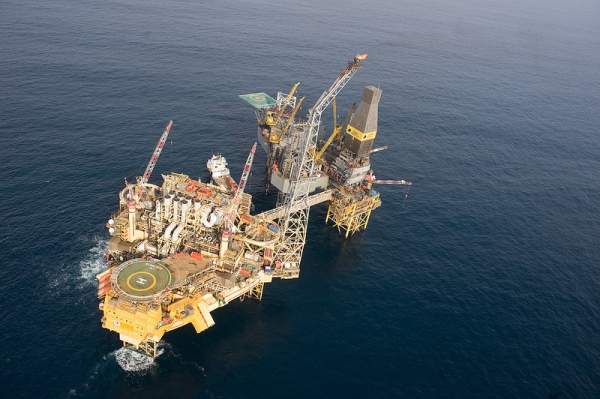
In recent weeks, Covid-19 coronavirus infections have spread through offshore oil facilities. In the North Sea, at least two medical evacuations brought workers to shore after they showed coronavirus symptoms.
See Also
- More Than 4,000 Official Vacancies and Talent Bank Formation Offered by KPMG, Correios, and Hospital de São Paulo on This Day 13
- Technicians from MG, PR, SC, RS, GO, MS, BA, PE, RN, CE, PI, and MA Called for Resume Registration by Oil and Energy Company
- Natural Gas Will Have Reduced Rates in Rio de Janeiro Starting in May
On March 19, a worker was taken from BP’s Brent Charlie Platform, east of the Shetland Islands. The individual showed signs of coronavirus and was taken to shore. On March 27, Hurricane Energy confirmed a case at the Lancaster field where it operates. The coast guard sent an emergency helicopter to the Aoka Mizu floating production, storage, and offloading facility. There, they took a worker in a “life and death situation”.
On March 30, a Stork service provider employee was airlifted from the Elgin platform operated by Total. Companies later confirmed that the worker had died two days later, at home in Sheffield. Although Upstream reported that the worker was transported via helicopter equipped for suspected coronavirus patients, the death was not confirmed as caused by Covid-19.
-
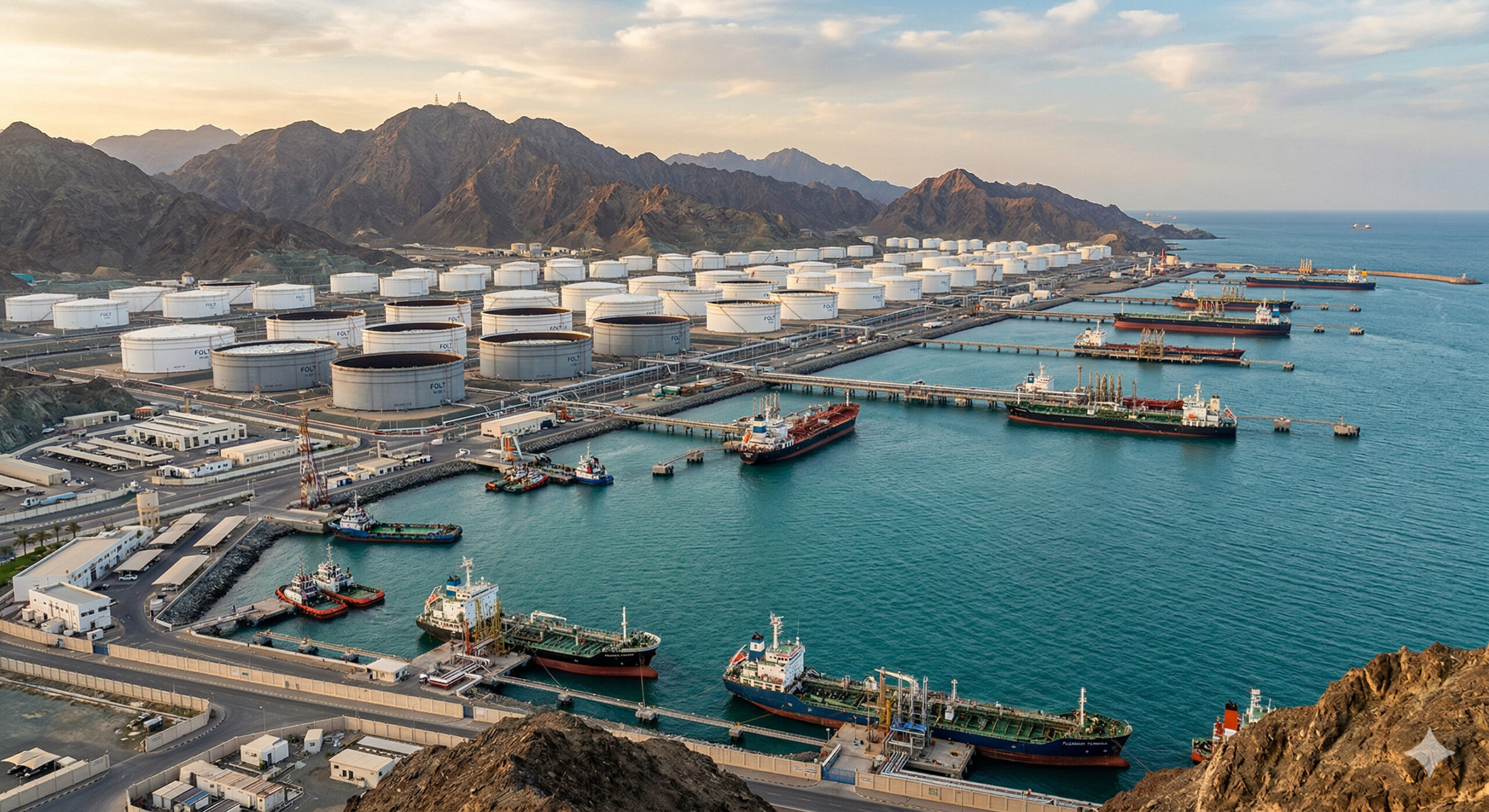
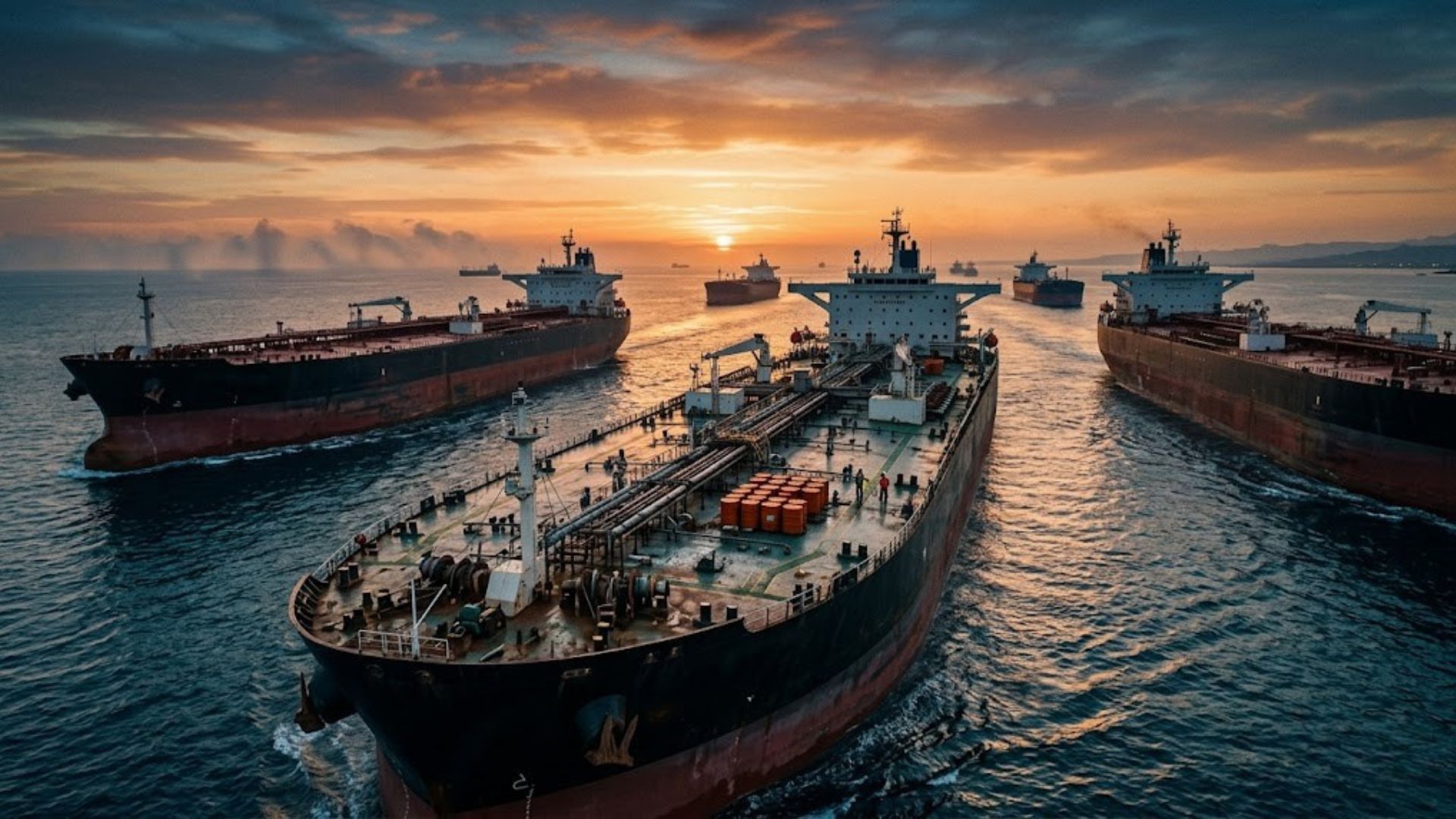
Giant reservoirs with a capacity of 18 million cubic meters have turned Fujairah into one of the largest energy vaults on the planet. This facility, located outside the Strait of Hormuz, stores oil on a colossal scale and has become a silent piece that supports the global flow of fuels.
-
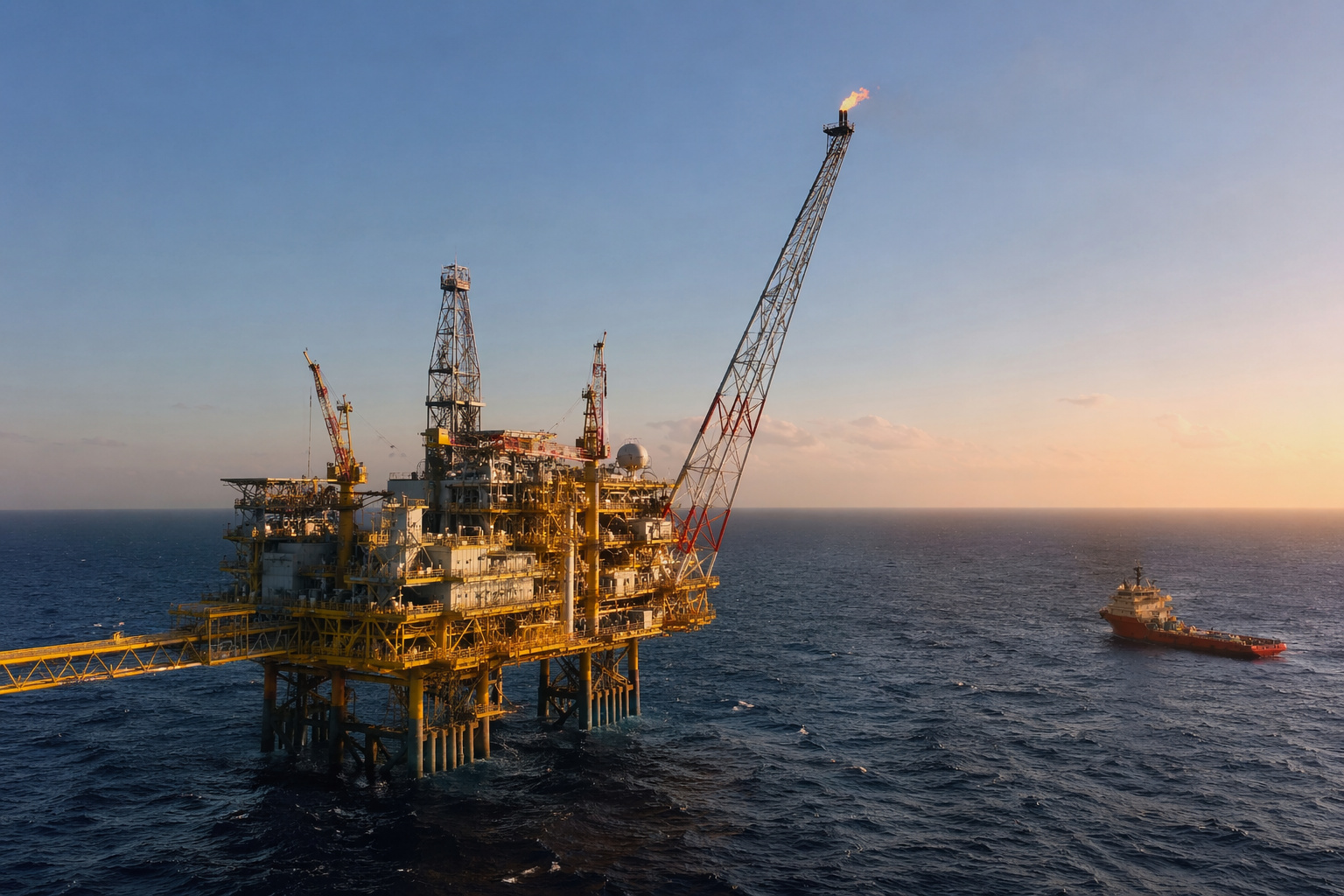
The next exploration auction in the pre-salt will offer 23 blocks in the Campos and Santos basins and may change the interest of oil companies in Brazil.
-
The next exploration auction in the pre-salt will offer 23 blocks in the Campos and Santos basins and could change the interest of oil companies in Brazil.
-
Red Sea, from biblical site to oil hope: South Korea reveals ambitious plan to create new oil routes through the Red Sea with the dispatch of 5 ships, agreements with 3 countries, and a focus on the strategic port of Yanbu.
On April 3, a worker from the Ninian Southern platform was flown to the hospital. There, they tested positive for the presence of coronavirus, as later confirmed by Canadian Natural Resources International. The company also told Energy Voice that the worker was removed for reasons “not directly related to symptoms consistent with Covid-19”.
Coronavirus Cases Intensify This Week
A worker was removed from BP’s Clair Ridge platform on April 6 after testing positive. They were taken to shore and discharged from a Shetland hospital to isolate at home.
The following day, Spirit Energy announced it was suspending production at the Chestnut field. One confirmed case and one suspected case of Covid-19 were evacuated from the field in previous days.
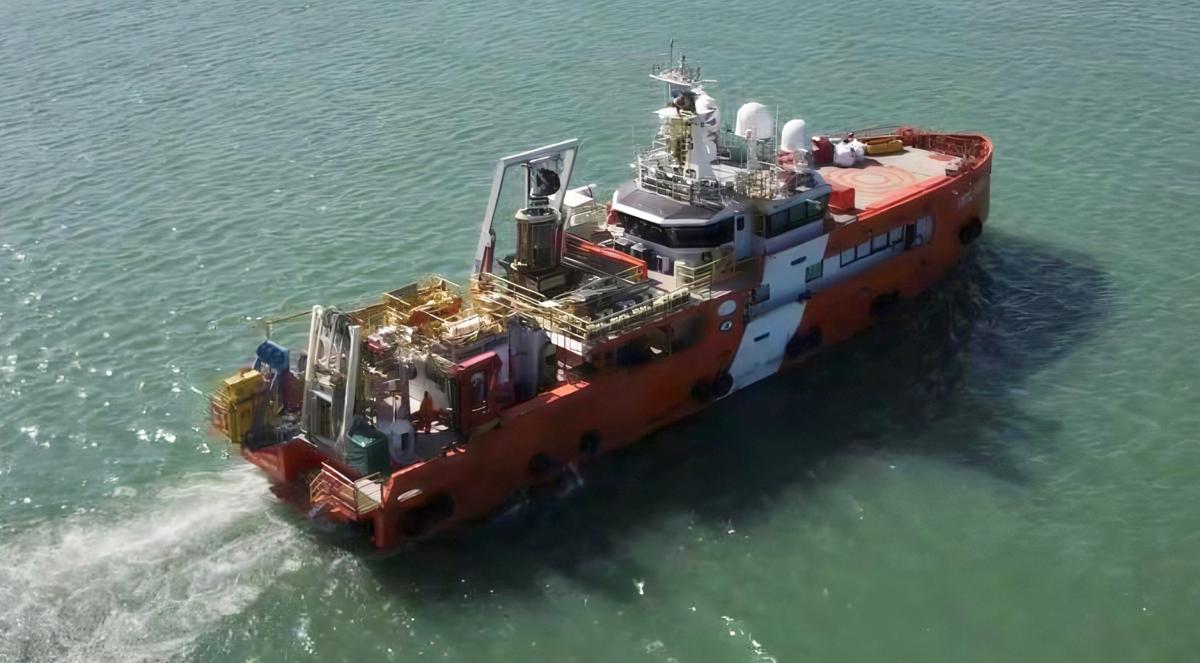
Offshore service operator TechnipFMC confirmed several coronavirus cases aboard one of its vessels in the North Sea on April 8. After a crew change, the dive support vessel Deep Discoverer handled two Covid-19 cases with symptoms. TechnipFMC also stated that there were “several positive asymptomatic cases”.
The UK’s oil and gas trade body (OGUK) holds a weekly briefing on coronavirus progress. Today, health and safety director Trevor Stapleton said he was “aware of two cases, possibly three”, that resulted in medical evacuations so far. However, he could not confirm they were Covid-19, as medical information was confidential.
Due to this confidentiality and the fact that all tests are conducted onshore, OGUK did not have a total number of confirmed cases on the UK continental shelf.
Stapleton also said the number of cases overseas “was not out of step with the general population”.
Best Practices for Offshore Workers
Health Protection Scotland informed OGUK that asymptomatic coronavirus cases had a “very low” risk of infection and could be safely deployed in the North Sea.
Stapleton said it’s not always possible to maintain social distancing, but the trade body advises operators to allow workers to sleep in individual rooms and to stagger lunch breaks to reduce crowding in cafeterias.
He said: “The strategy is to reduce footprints, scale down to minimum crew levels while still safely operating. At minimum crew levels, there are more opportunities to place people in individual cabins. However, there are times when, for safety reasons, operators need to bring more people in, in which case single occupancy is not possible”.
Helicopter crew transfer pilots are often exposed to multiple passengers in small spaces. Stapleton said OGUK is looking for ways to prevent transmission without compromising pilot safety. Temperature tests and questionnaires remain in place at heliports.
Future Coronavirus Prevention
The trade body has asked authorities to prioritize offshore workers for testing when available beyond the health system.
Stapleton said: “We have to agree on a framework on who gets the first chance to test. The authorities are listening to us because we are so unique, and it’s not easy to get immediate treatment for [offshore workers].”
“In my opinion, the offshore workforce should be at the top of the priority list, but at the moment we have no indication on the next round of testing.”
Some offshore workers have said that safety protocols are not being followed. Stapleton advised workers to inform their union or safety representatives, or to report to OGUK or Step Change in Safety. He said: “Only by getting that feedback can we go to the operators and try to make a difference”.
Other countries have taken precautions against the spread of Covid-19, such as in Nigeria, where social distancing is enforced in offshore facilities.









Seja o primeiro a reagir!