





 Portuguese
  English
  Spanish
  7 min of reading
  0 comments


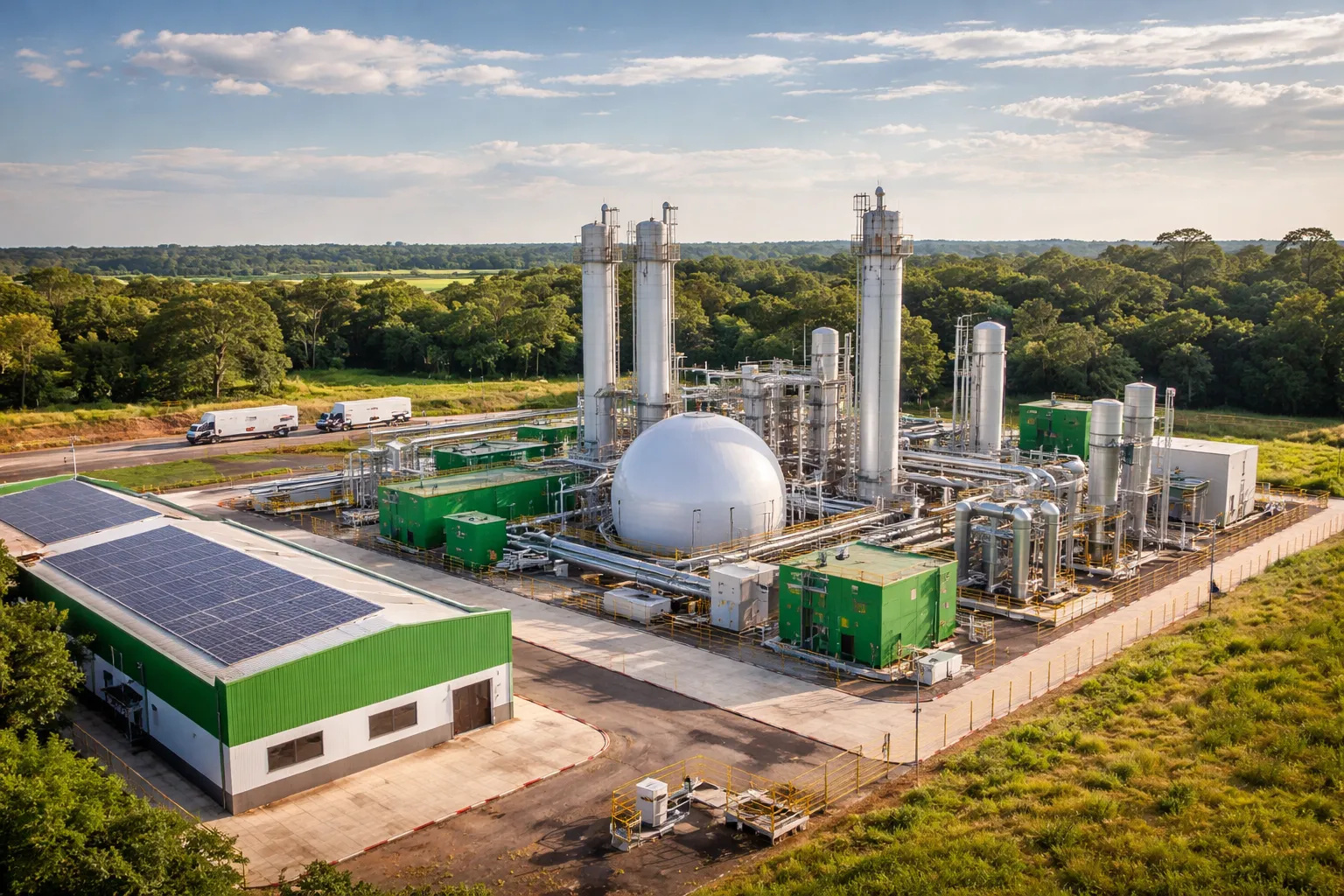
The São Paulo regulatory agency seeks contributions from society and the private sector to establish the guidelines for the biogas supply contract, a fundamental step to ensure the decarbonization of the energy matrix in São Paulo through the use of organic waste.
The Public Services Regulatory Agency of the State of São Paulo (ARSESP) opened on Tuesday, April 7, 2026, a call for contributions focused on the regulation of the biogas contract. Thus aiming to boost the decarbonization of the energy matrix in São Paulo.
The initiative seeks to collect suggestions from experts, companies, and consumers to structure a secure and attractive business model for the production and distribution of this renewable gas. Biogas, obtained through the processing of agricultural and urban waste, emerges as the direct substitute for fossil natural gas in industries and heavy transport.
By integrating this biofuel into the existing pipeline network, the state of São Paulo drastically reduces greenhouse gas emissions and decreases dependence on imported sources. This movement by ARSESP aligns state goals with global climate agreements and places the São Paulo sugar-energy sector at the center of the new green economy.
-
The end of an era? Brazil and global powers accelerate investments in technology and infrastructure to solidify the transition away from fossil fuels.
-
Brazilians paid R$ 18 billion more for energy from the Itaipu plant, reflecting a direct impact on tariffs and generating discussions about costs, transparency, and balance in the national electricity sector.
-
Equatorial adopts new national number for consumer units on electricity bills starting in April, following ANEEL standards and modernizing energy bills in several states.
-
Itaipu Impresses the World: Hydroelectric Plant with 20 Turbines and 14,000 MW Generates Over 2.9 Billion MWh and Leads Global Clean Energy Production
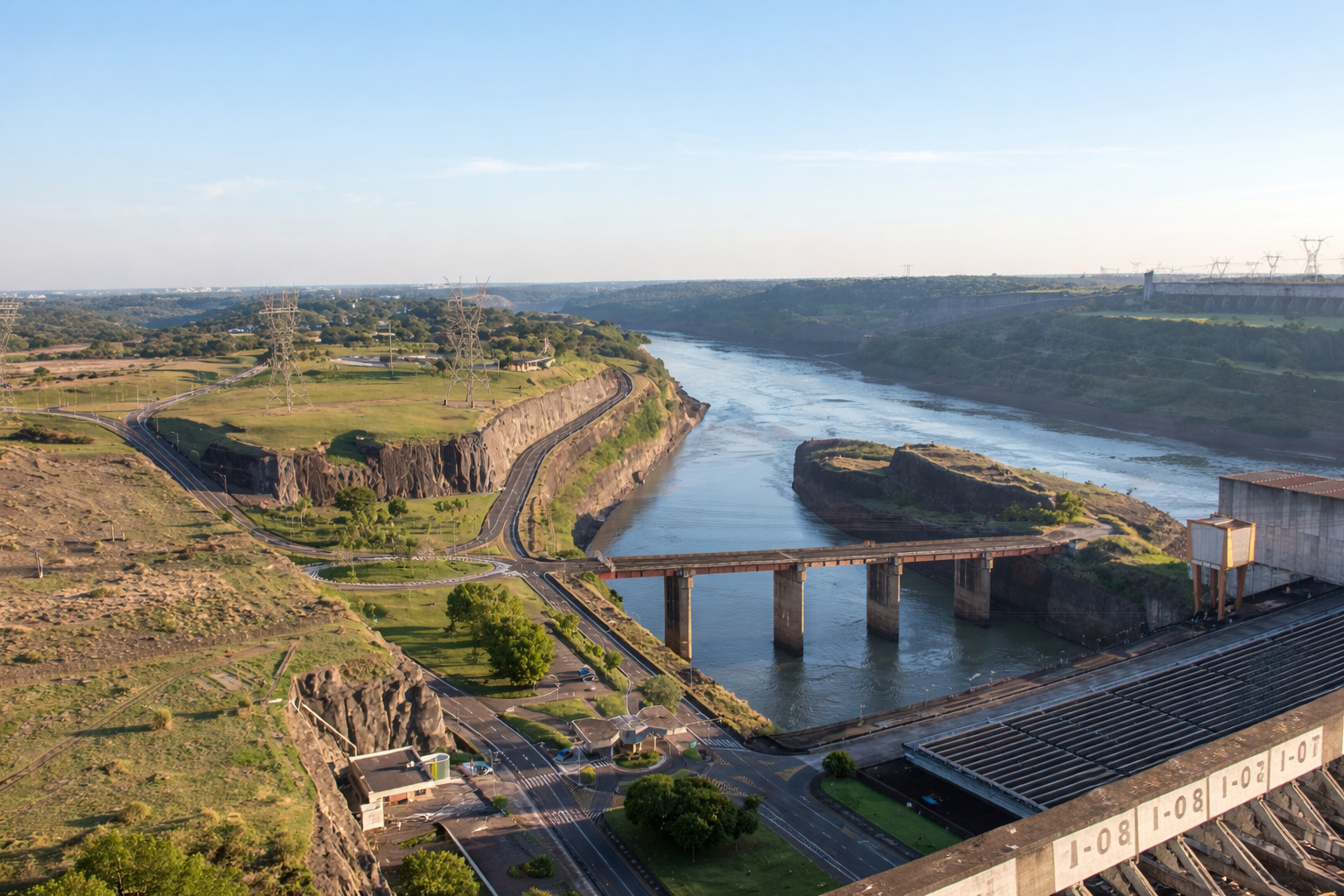
The practical impact of this regulation reflects in the creation of a robust production chain. That transforms city waste and sugarcane harvest leftovers into clean energy to power the largest economy in Brazil.
The role of ARSESP in the regulation of biogas
The ARSESP plays a strategic role by opening space for public participation in the construction of this new regulatory framework. The agency understands that the decarbonization of the energy matrix in São Paulo requires clear rules for biogas producers to inject the fuel into the distribution network of gas concessionaires.
The call for contributions allows the market to present costs, logistical challenges, and pricing suggestions that make biogas competitive against mineral gas.
Without strong regulation, private investments in biogas purification plants may stagnate. Therefore, ARSESP focuses on creating a legal security environment. The contract under discussion will define gas quality standards. Ensuring that biogas does not damage industrial or residential equipment already using natural gas.
This standardization facilitates large-scale adoption, allowing São Paulo to lead the national energy transition through circular economy-based solutions.
What is biogas and how does it revolutionize the energy sector?
The biogas represents the evolution of biogas. While raw biogas contains impurities and a lower concentration of methane, biogas undergoes a cleaning process called “upgrading.” This process removes carbon, sulfur, and moisture. Resulting in a gas with purity over 90%, identical to fossil natural gas in terms of energy efficiency.

The great advantage lies in the origin of the raw material. São Paulo has the largest sugar-energy park in the world. Vinasse and filter cake, by-products of sugar and ethanol production, have immense energy potential that often ends up underutilized.
By transforming these wastes into biogas, the plants generate a new source of revenue and offer a sustainable solution for mobility and industry. The decarbonization of the energy matrix in São Paulo leverages this local abundance to create a fuel that does not depend on fluctuations in the international oil market.
Biogas in São Paulo buses and trucks
Did you know that a biogas-powered truck emits up to 90% less pollutants than a similar diesel vehicle? São Paulo is already testing fleets of public transport and garbage collection trucks using this green fuel. The city of São Paulo has the largest potential for biogas generation from landfills in the country.
Transforming urban waste into fuel for buses that transport the population creates a perfect cycle of sustainability. In addition to reducing bad odors and the environmental impact of landfills, local biogas production lowers freight and fare costs. As the gas travels shorter distances to the consumption point.
ARSESP’s call for contributions focuses precisely on how to facilitate the refueling of these heavy vehicles, creating blue corridors (gas refueling routes) that cut across the state and accelerate the decarbonization of the energy matrix in São Paulo.
The sugar-energy sector as a driver of transition in 2026
The São Paulo agribusiness takes the lead in supplying this new fuel. Sugarcane mills now operate as integrated biorefineries. During the harvest, the processing of sugarcane generates electricity through the burning of bagasse and biogas through the biodigestion of liquid waste.
This model therefore guarantees stable energy throughout the year. When hydropower plants suffer from lack of rain, the biogas production from São Paulo mills can meet industrial demand, avoiding the activation of diesel thermal plants, which are more expensive and polluting.

The ARSESP study analyzes how to integrate this potential of the mills with the state’s pipeline network, allowing the interior of São Paulo to “supply” energy to the capital and the metropolitan area in a clean manner.
Real impact: Less emissions and more green jobs
The decarbonization of the energy matrix in São Paulo generates a direct impact on the regional economy with the creation of so-called “green jobs.” The construction of biodigestion and gas purification plants requires specialized labor in chemical engineering, automation, and logistics. Municipalities in the interior that host large agricultural hubs see an increase in revenue and technical job offerings.
Moreover, the reduction of particulate emissions improves air quality in large metropolises. This reflects in lower public health expenses and greater well-being for the population. Biogas removes methane from the atmosphere, a gas with 20 times greater greenhouse potential than carbon, and transforms it into useful energy. It is a win-win strategy, where environmental benefits translate into economic efficiency and social progress in 2026.
Logistics: The use of the existing pipeline network
One of the smartest points of the São Paulo strategy involves leveraging existing infrastructure. Biogas does not require the construction of new stoves or industrial boilers. It uses the same natural gas distribution network that already cuts through the streets and industrial districts of São Paulo.
The call for contributions opened by ARSESP discusses injection rates and third-party access to the pipelines. The goal focuses on ensuring that biogas producers in the interior can transparently sell their product to a factory in the capital.
This “virtual road” for renewable gas democratizes access to clean energy and encourages small and medium industries to also participate in the decarbonization of the energy matrix in São Paulo, purchasing origin certificates that ensure the sustainability of the input used.
Technological challenges and investments in innovation
Despite the optimism, large-scale biogas production faces technical challenges. Purification must be extremely rigorous to avoid the presence of siloxanes or sulfur compounds that cause corrosion in pipelines. Therefore, ARSESP’s call for contributions also evaluates international technical standards to adopt the best safety practices in the state.
Brazilian and foreign companies are investing in real-time monitoring technologies to ensure the quality of injected gas. In 2026, the use of smart sensors and blockchain to track the origin of biogas becomes the market standard.

This innovation ensures that the end consumer knows exactly that they are using a fuel derived from renewable waste, thus strengthening the credibility of São Paulo’s sustainability seal in the global market.
The role of society in the call for contributions
ARSESP invites citizens and entities to participate in the process by submitting forms and technical contributions. Public participation ensures that the regulation does not only serve the interests of large concessionaires but also protects the consumer’s right to a fair price and quality service.
Interested parties can access the technical documents on the agency’s website and submit suggestions on how the biogas contract should address issues such as delivery deadlines, penalties for non-compliance with quality, and incentives for new producers.
This exercise in regulatory democracy is essential for the decarbonization of the energy matrix in São Paulo to occur in a balanced and sustainable manner, benefiting all sectors of society.
São Paulo at the forefront of decarbonization
ARSESP’s initiative to open the call for contributions for biogas marks a turning point for state energy policy in 2026. São Paulo demonstrates that it is possible to grow economically without sacrificing environmental responsibility.
By transforming what was once waste into a noble fuel, the state creates a development model that serves as an example for the rest of Brazil and the world.
In short, the decarbonization of the energy matrix in São Paulo advances with firm steps, supported by science, regulation, and the strength of its productive sector. Biogas ceases to be a promise to become the reality that powers factories and fleets, ensuring cleaner air and a stronger economy.
The future of São Paulo’s energy is green, local, and renewable, and the process of building this future now involves the active participation of all in this historic public consultation.




Seja o primeiro a reagir!