





 Portuguese
  English
  Spanish
 3 min of reading



Tereos and Lemon Energia Will Provide Biogas Electricity in the Interior of São Paulo. The New Plant Will Produce the Equivalent of the Consumption of About 85 Small Businesses, With Potential to Double the Volume in the Medium Term and Benefit the Interior with a Sustainability Project.
Last Wednesday (07/27), the French company Tereos announced that it has closed a partnership with the startup Lemon Energia to provide electricity through biogas in the interior of São Paulo. The service aims to focus on small and medium businesses served by the distributor CPFL Paulista and bring more sustainable benefits to the region.
The New Plant Will Produce the Equivalent of the Consumption of About 85 Small Businesses
Thus, the energy will be generated at Tereos’ biogas pilot plant, located at the company’s industrial unit in Cruz Alta, Olímpia (SP). The plant will have a production equivalent to the consumption of about 85 small businesses, in addition to having the potential to double the volume in the medium term.
Biogas will be a complement to the energy generation of the ethanol producer, which generates electricity from sugarcane biomass to meet the consumption of its industrial units.
-
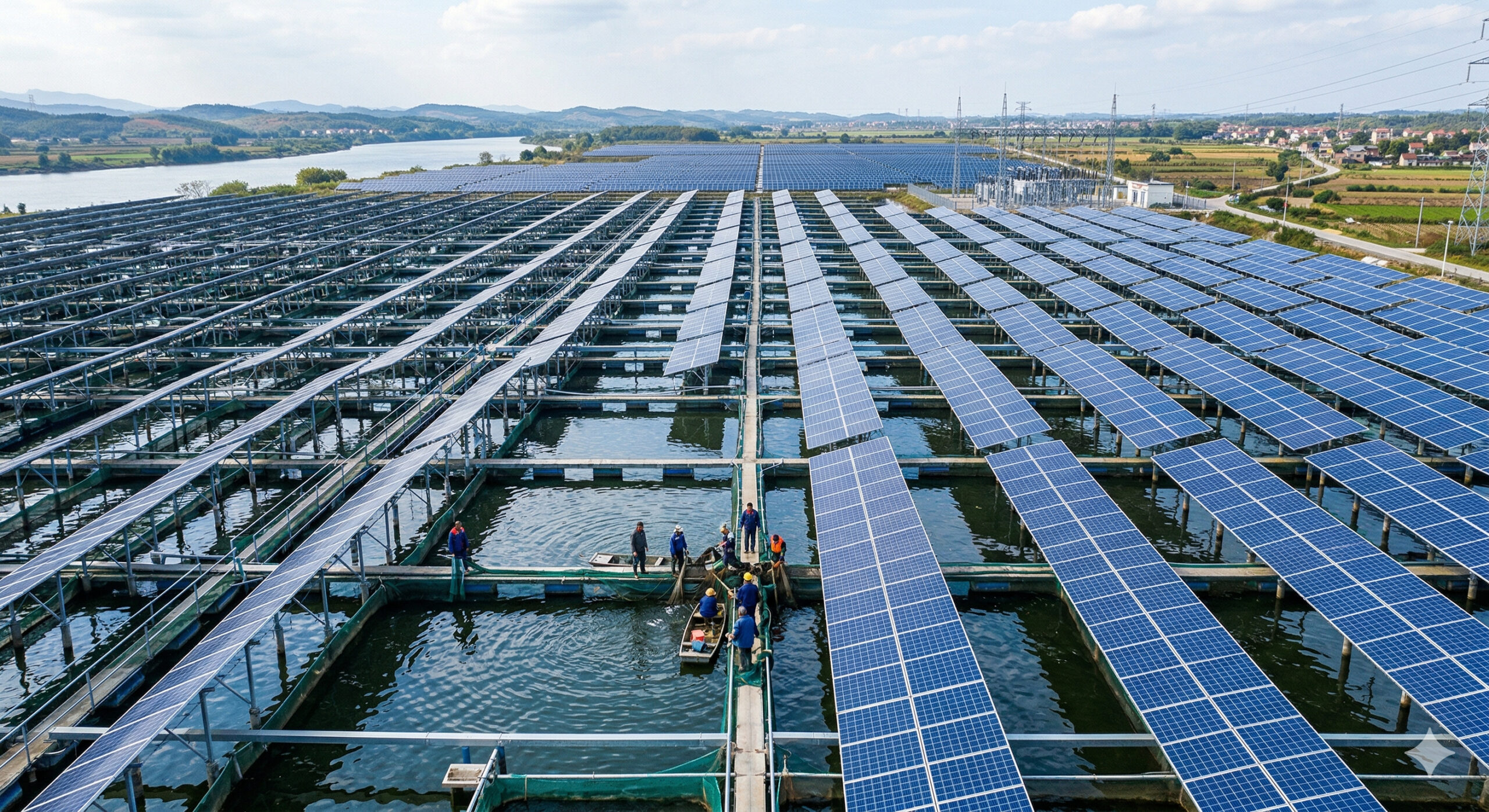
China bets on the Fishery-PV model and transforms fish farms into giant solar plants, covering ponds with panels that generate energy while utilizing the same space for large-scale aquaculture production.
-
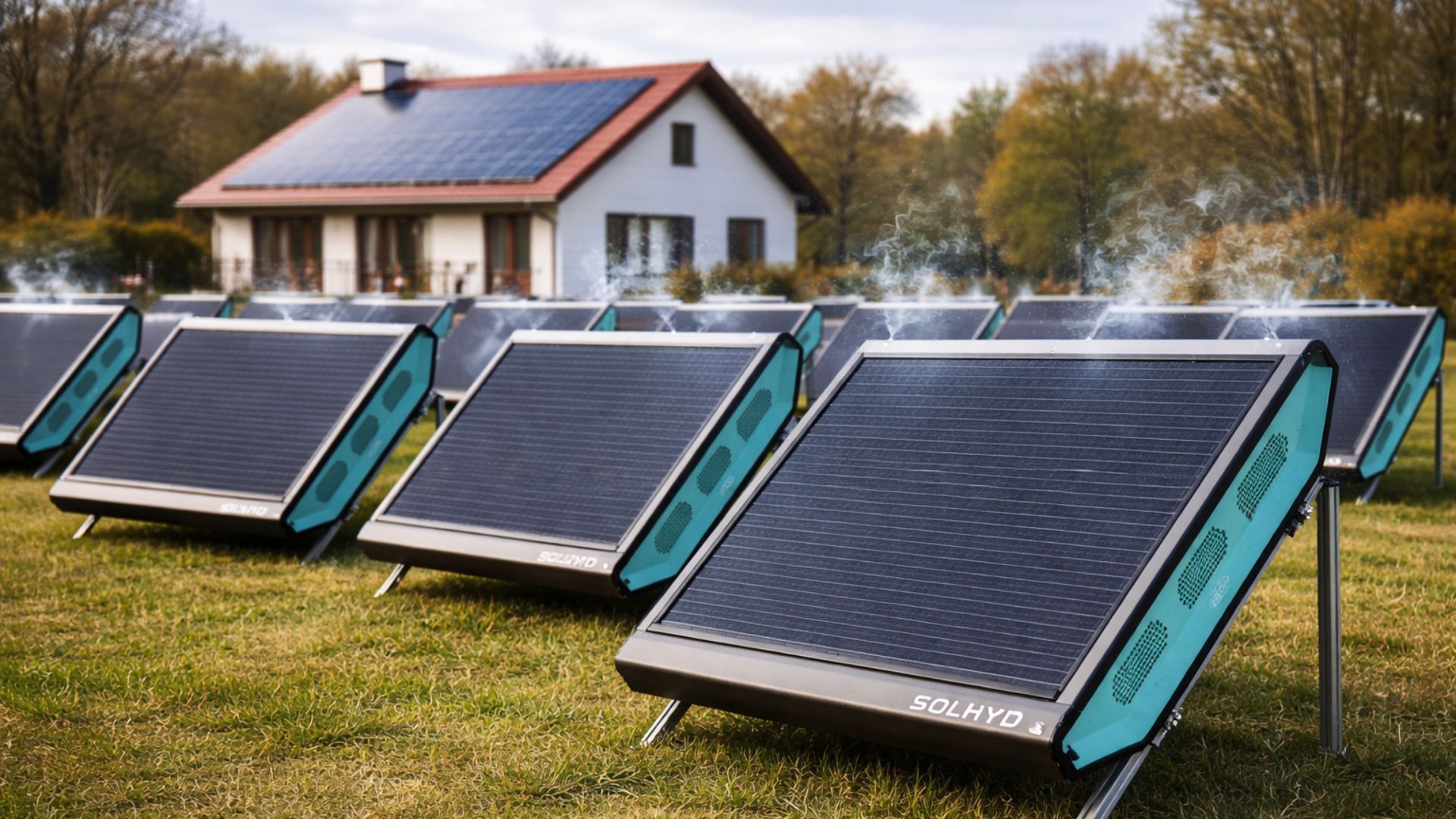
Green hydrogen at home: Belgium launches new technology that makes solar panels produce fuel from the moisture in the air, which could boost the energy transition.
-
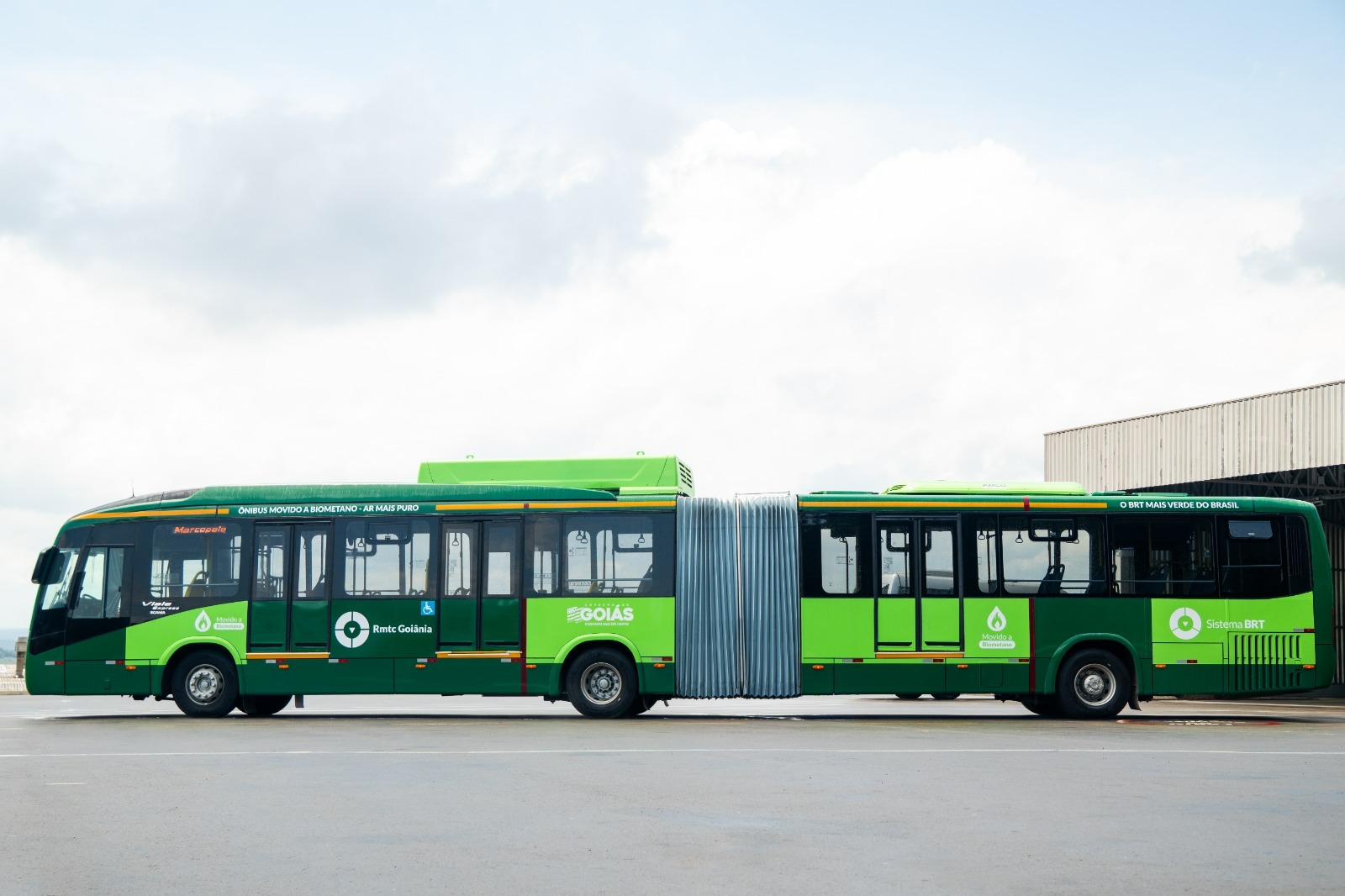
Revolution in public transport: Goiânia puts into circulation the first articulated buses powered by biomethane in Brazil and promises to drastically reduce pollution on the Anhanguera Corridor.
-
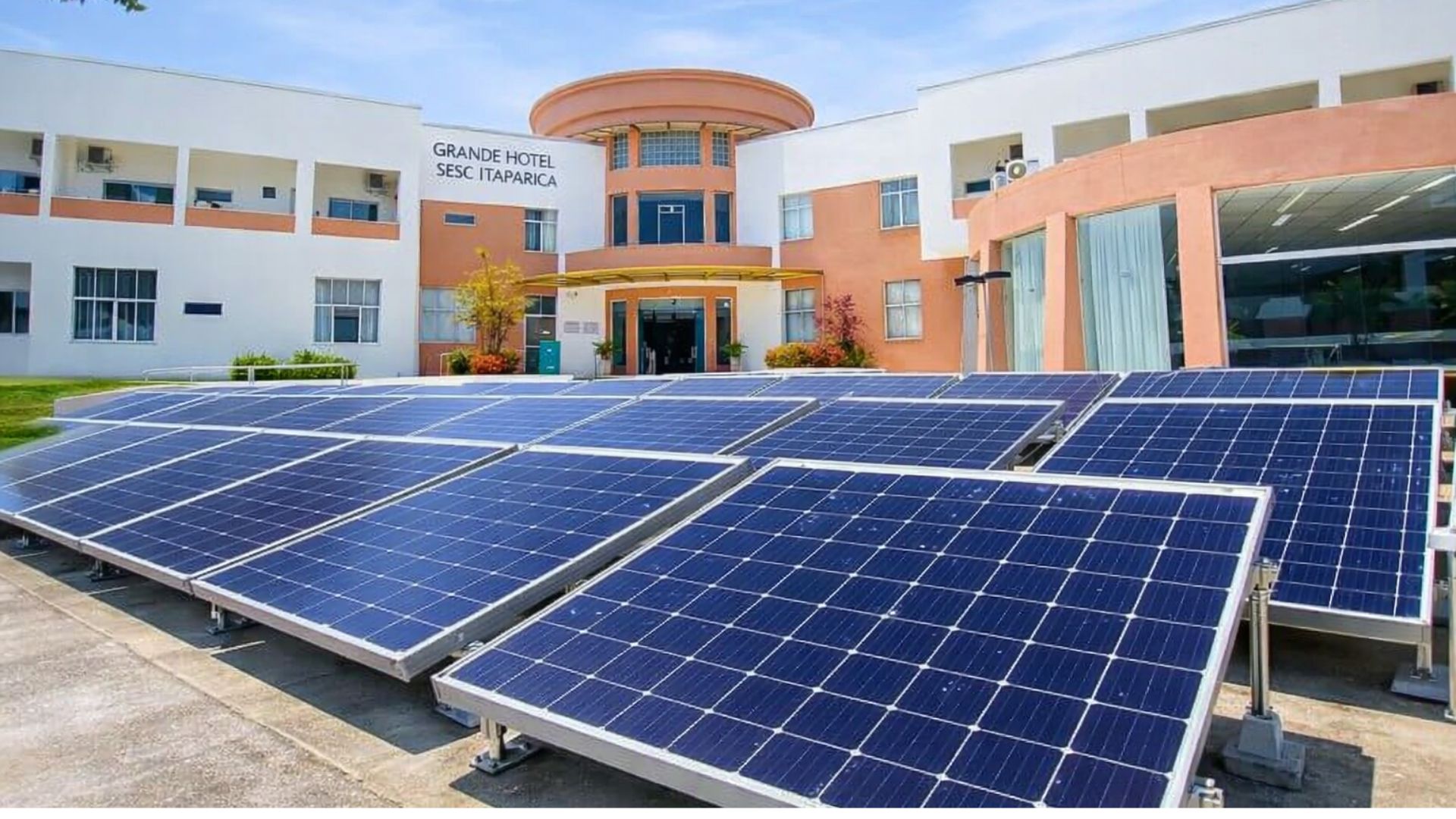
Sesc-BA bets on renewable energy with the support of EDP and drives the energy transition with a direct impact on cost reduction and the sustainability of its operations in Bahia.

“We already had the offer of clean electricity generated from sugarcane biomass. With the production of biogas, we are providing another renewable source of generation, contributing to adding value to our customers and business partners,” explains Gustavo Segantini, commercial director of Tereos, which produces sugar, ethanol, and energy from biomass in Brazil.
Furthermore, the collaboration already includes customers for this energy. In this way, Lemon Energia designated small and medium establishments to receive sustainable energy in the region and also estimates that savings on customer energy bills can reach up to R$ 160 thousand.
The startup Lemon operates in the distributed generation market with plants that provide credits to offset the bills of consumers connected to its platform. According to the startup, this allows for an annual reduction of around 20%. Recently, Lemon raised about R$ 60 million in Series A funding to expand its operations.
New Bill That Incentivizes Biogas in Landfills Advances in the Senate
It is also important to highlight that the Senate Infrastructure Committee (CI) approved a bill in early May that aims to stimulate the production of biogas, biomethane, and electricity from the use of landfill waste.
The material includes among the initiatives that can be met by inducement measures and financing lines the development and execution of landfill projects that include electricity generation.
Additionally, the bill also allows companies dedicated to producing energy from the use of solid waste in landfills to receive tax, financial, or credit incentives from the federal government, states, or municipalities.
The rapporteur, Senator Fernando Bezerra, presented an amendment to include electricity generation in the National Solid Waste Policy. He also replaced the term “electricity generation from landfills” with “from solid waste.”
“With this, we cover all types of solid waste, and not just the rejects deposited in landfills,” justifies Fernando. The senator removed the tax benefit proposed by Hélio José from the bill. This is because, according to Bezerra, the measure would violate the Fiscal Responsibility Law (Complementary Law 101, of 2000), the Budget Guidelines Law (LDO), and the Annual Budget Law (LOA).








Seja o primeiro a reagir!