





 Portuguese
  English
  Spanish
  3 min of reading
  0 comments


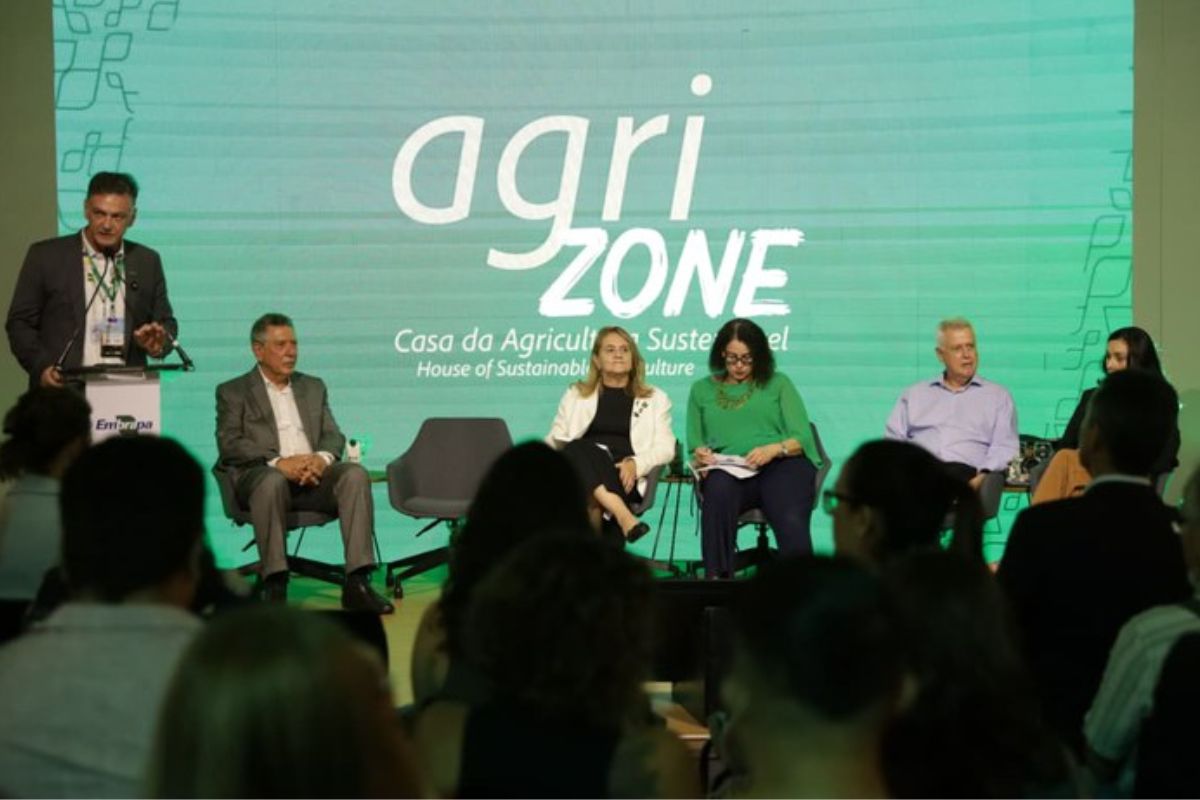
With A Focus On Sustainability In The Field, AgriZone Brings Together Science, Technology And Public Policies At COP30 In Belem, Highlighting Agricultural Innovation And Environmental Conservation
The sustainability in the field gained international prominence with the official opening of AgriZone, held on November 11, in Belem (PA), during COP30, according to a report published.
Promoted by Embrapa and the Ministry of Agriculture and Livestock (Mapa), the space brings together researchers, public institutions and representatives of the productive sector around a common goal: to present to the world solutions that combine agricultural production, technological innovation and environmental preservation.
The proposal is to show that Brazil can be both a leader in productivity and a global reference in sustainable practices.
-
While Russia dominates the global wheat market, Brazil emerges as an unexpected competitor in the Cerrado, offering grain available in July and August when stocks in the Northern Hemisphere are at their lowest point of the year.

-
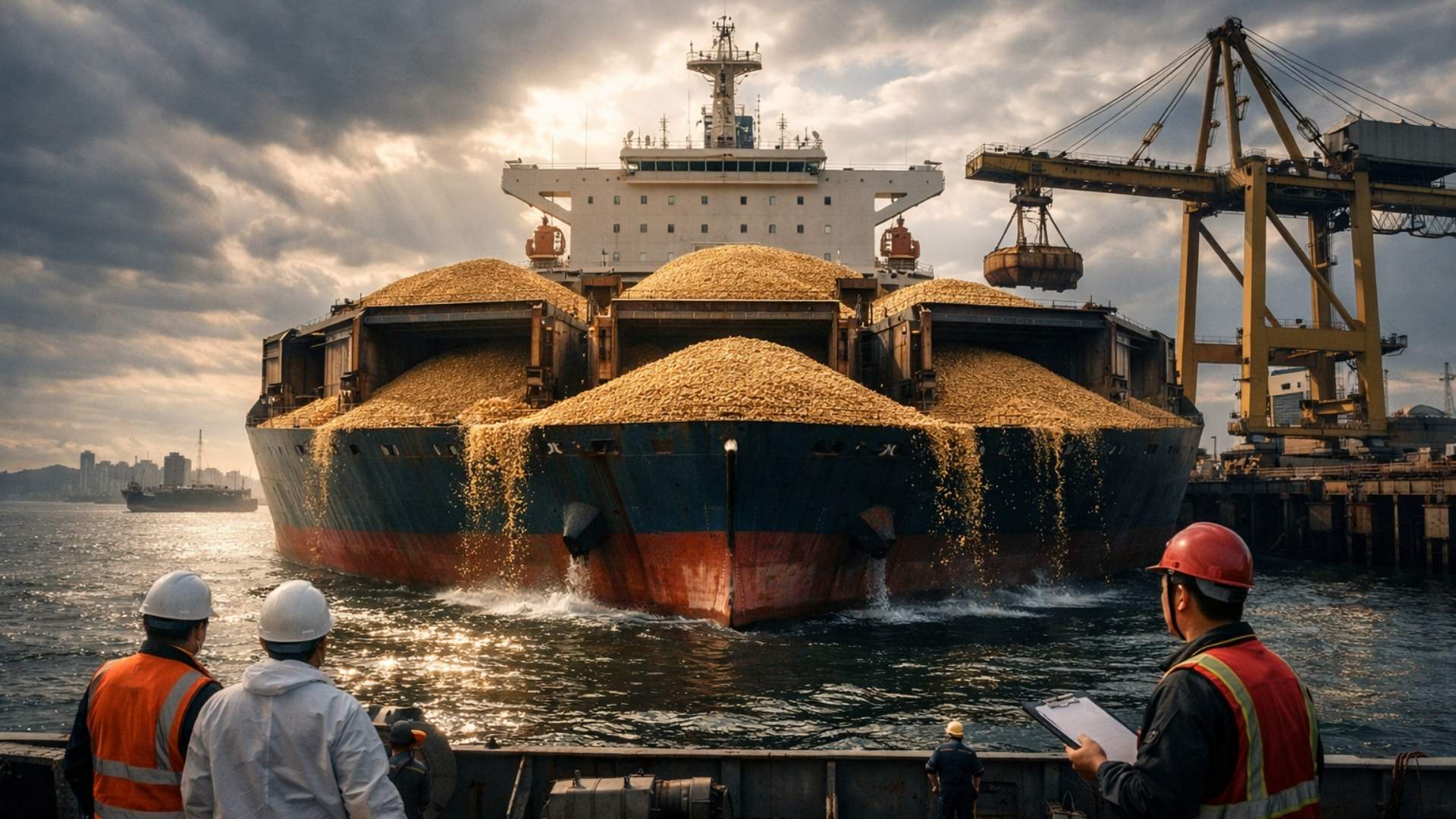
China returned almost 20 Brazilian ships with soybeans, but now everything could change: the country that buys 80% of the grain is considering relaxing regulations after impurities held up shipments of thousands of tons and caused million-dollar losses.
-
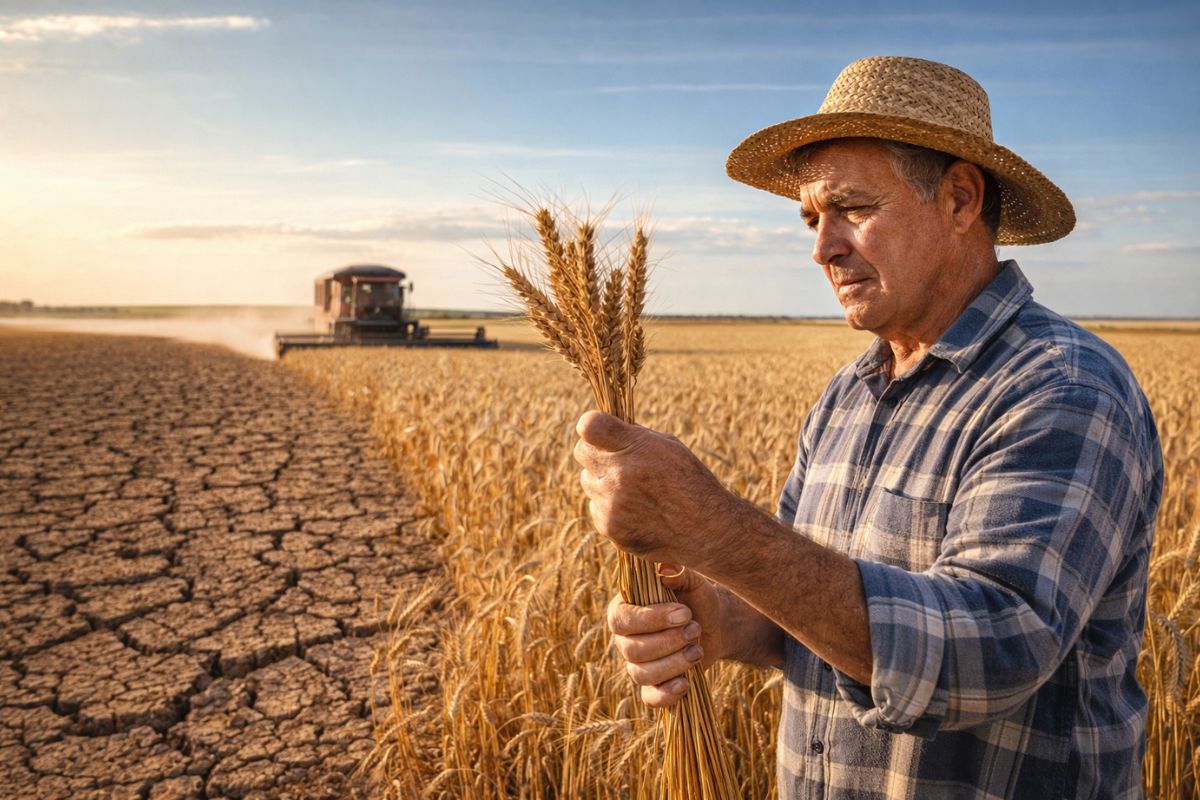
The drought of the cerrado was considered an enemy of wheat, but Brazilian scientists turned the lack of rain into a competitive advantage by creating a grain with quality that is already attracting the attention of international mills around the world.
-
THE OWNER of Brazil: a farmer who came from laundries, created an ’empire’ and today runs a company valued at R$ 42 billion after tripling its value in less than a year and receiving a billion-dollar investment from the USA.


During the ceremony, authorities highlighted the role of national agriculture in food security and in addressing climate change, reinforcing the importance of integration between science, public policies and the productive sector.
Technological Innovation And Low-Carbon Agriculture In The Spotlight
On the Agro Talks stage, the Secretary of Rural Development of Mapa, Marcelo Fiadeiro, representing Minister Carlos Fávaro, highlighted that sustainability in the field is a fundamental part of the national strategy for climate and food production.
According to him, Brazil feeds more than a billion people on the planet, reconciling technology, science and environmental responsibility.
This low-carbon agriculture approach has allowed for reduced emissions and increased efficiency in the use of natural resources, making the country an agro-environmental power.
The Minister of Science, Technology and Innovation, Luciana Santos, and Minister Wellington Dias, of Development and Social Assistance, participated in the ceremony, reinforcing the inter-ministerial commitment to scientific advancement and rural productive inclusion.
The event, which symbolizes the union between innovation and the environment, showcased experiences ranging from biofortified crops to the use of biotechnology and smart sensors in sustainable land management.
Agroforestry Systems And The Role Of Science In Sustainable Productivity
For Embrapa President Silvia Massruhá, the AgriZone pavilion is a showcase of the most advanced in sustainability in the field, reflecting the effort of the 7,500 employees of the company distributed across 43 research centers throughout the country.
She emphasized that initiatives in agroforestry systems demonstrate that it is possible to increase agricultural productivity while conserving soil, water and biodiversity.
The exhibition space set up in the Amazon reinforces the importance of Brazilian science in the search for a balance between production and preservation.
Agricultural research, according to Massruhá, is a key element to ensure healthy food, generate income, and promote global stability.
During the event, the public was able to closely see technologies that associate the planting of native species with the recovery of degraded areas, showing how scientific knowledge has been a direct ally of sustainability.
Food Security And Productive Inclusion Guide The Debates At AgriZone
The discussions at AgriZone reinforced that sustainability in the field is closely related to food security and the appreciation of rural communities.
The integration of public policies and innovation is seen as a solid path to ensure that food production grows without increasing deforestation.
Fiadeiro emphasized that Mapa and Embrapa work together so that Brazilian farmers have access to affordable and sustainable technologies.
With technological showcases, panels and project launches, the event presented concrete examples of productive inclusion and showed how Brazilian livestock can be both profitable and green at the same time.
AgriZone, located in the heart of the Amazon, is more than an exhibition space; it is a practical demonstration of Brazil’s commitment to innovation and sustainability.
This convergence of science, technology and environmental management reaffirms the strategic role of the country in the global scenario.
At the conclusion of the first day, authorities emphasized that the future of agribusiness depends on public policies that integrate productive efficiency, low environmental impact, and social justice, pillars that support the model of sustainability in the field advocated by Brazil at COP30.








Seja o primeiro a reagir!