





 Portuguese
  English
  Spanish
  5 min of reading


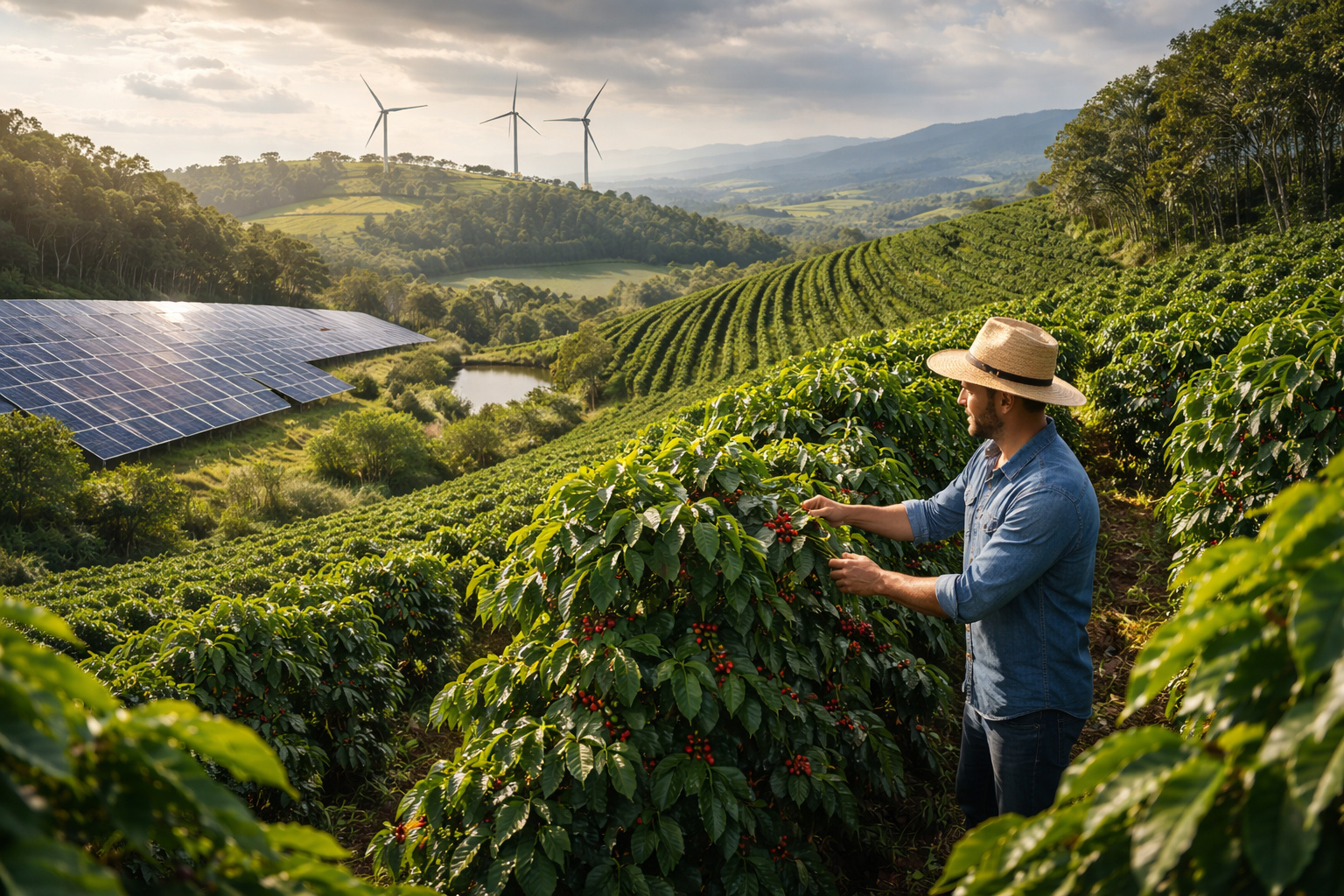
Coffee production in Brazil has always been linked to the country’s economic, social, and environmental history. Since the 19th century, when coffee boosted the national economy and shaped entire regions, such as the Vale do Paraíba and later Sul de Minas, the activity has gone through cycles of expansion, crisis, and reinvention. Today, however, a new element takes center stage in this process: sustainability.
Currently, talking about coffee goes far beyond productivity. Consumers want to know how the bean was produced, who produced it, and what impacts were generated along the way. Therefore, sustainability has become a strategic axis of Brazilian coffee growing, especially in Sul de Minas Gerais, the largest coffee-producing region in the country. In this context, environmental, social, and technological practices have ceased to be trends and have become market requirements.
Historical Roots of Coffee Growing and the Start of Transformation
At the beginning of the 20th century, Brazil was already consolidating itself as the world’s largest coffee producer. According to historical records from the federal government, coffee growing expanded without significant environmental concern, as the priority was to meet the growing international demand. The model was based on opening new areas, often with intense deforestation, and on the extensive use of land.
-
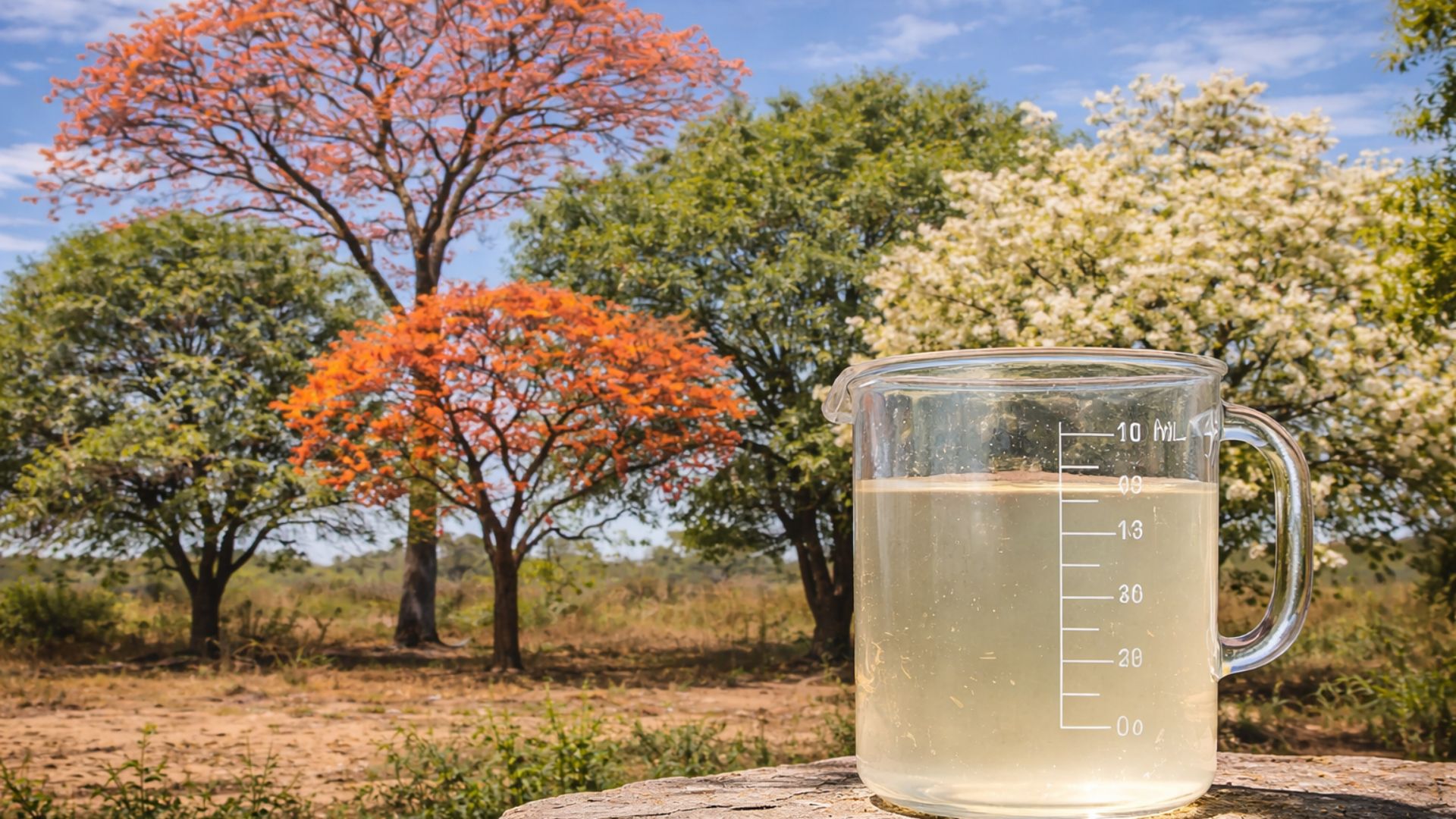
Embrapa’s discovery reveals an unexpected advancement by allowing the production of seedlings from the caatinga using brackish water, opening a new frontier for farmers to face drought more efficiently.
-
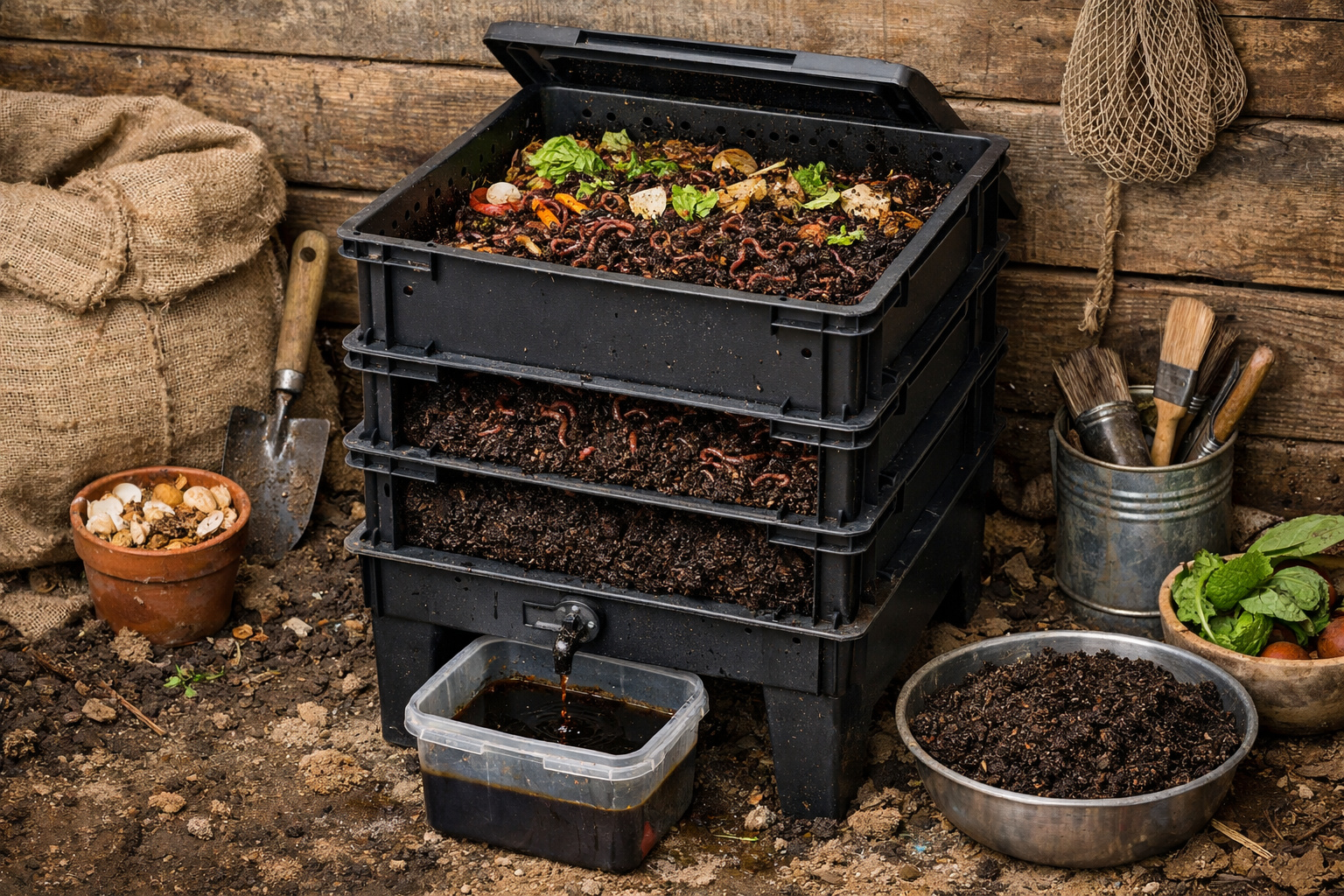
6 sources of free fertilizer that you are throwing away every day and can transform your garden without spending anything.
-
With a water crisis on the radar, Sabesp invests in reclaimed water for data centers and transforms sewage treatment into a solution that saves millions of liters and protects public supply.

-
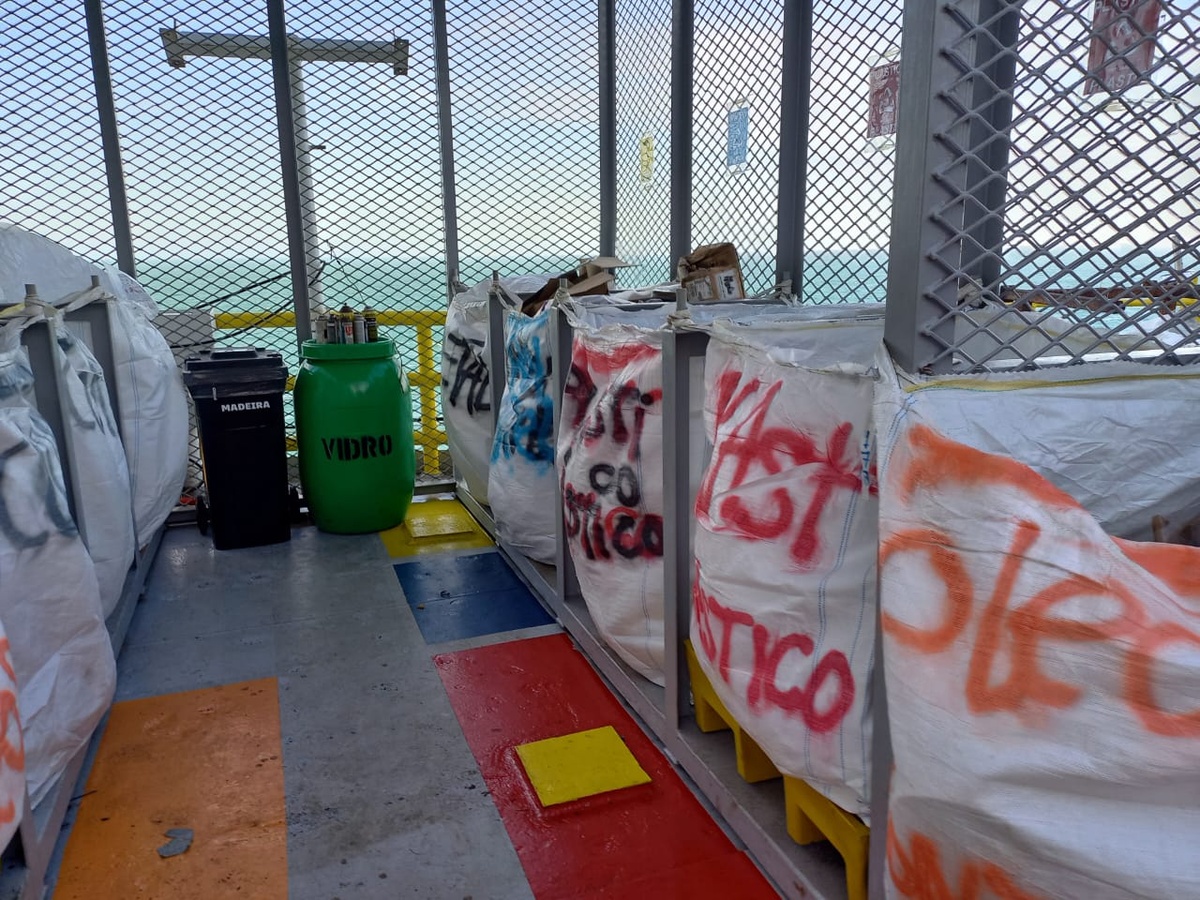
Foresea achieves 100% offshore waste reuse in 2025, eliminates landfill disposal, and consolidates sustainable strategy with 1,500 tons recycled.

As decades passed, however, the impacts of this model became evident. Soil degradation, reduced natural fertility, and climate instability began to directly affect productivity. In light of this scenario, research institutions and producers began to rethink the system. Sustainability then emerged as a response to a structural problem inherent in the history of coffee in Brazil.
According to the Brazilian Agricultural Research Corporation, since the 1970s, the country has invested in agricultural research aimed at soil conservation, rational water use, and climate adaptation. This movement marked the beginning of a gradual but profound change in how coffee is produced.
Environmental Sustainability as the Basis of the New Coffee Culture
In Sul de Minas, environmental sustainability has become a strategic priority. Producers have started to adopt practices such as integrated soil management, protection of springs, and reforestation of riparian forests. These actions, in addition to preserving natural resources, improve coffee quality and increase the resilience of crops.
Moreover, conscious water use has gained prominence. According to the National Water Agency, irrigated coffee cultivation significantly evolved from the 2000s onwards, with more efficient systems and less waste. As a result, producers are able to balance productivity and environmental preservation.
Another essential point involves reducing chemical inputs. Sustainability, in this case, guides the rational use of fertilizers and pesticides, prioritizing soil analyses and biological alternatives. In this way, producers protect the environment and cut costs, reinforcing the economic viability of the activity.
Technological Innovation as an Ally of Sustainability
At the same time, technology has taken a central role in sustainable coffee cultivation. Digital tools, climate sensors, and precision agriculture help producers make more informed decisions. Thus, waste is avoided, and crop performance is improved.
According to the federal government, through the Ministry of Agriculture, technological modernization in the field intensified from 2010 onwards, with incentives for innovation and digitalization of agricultural production. Sustainability, in this context, has ceased to be merely an environmental concept and has begun to integrate into rural business management.
In Sul de Minas, cooperatives and producers’ associations play a fundamental role in this process. They facilitate access to technology, promote training, and spread best practices. As a result, small and medium producers are able to align with the demands of the global market, which increasingly values traceability and social-environmental responsibility.
Social Sustainability and Valuation of the Producer
Another essential pillar of sustainability in Brazilian coffee production involves the social factor. Historically, coffee production has been associated with precarious labor relations. However, this scenario has begun to change more consistently in recent decades.
According to data released by the International Coffee Organization, international pressure for fairer and more transparent production chains has increased since the 2000s. In response, Brazilian producers have begun to invest in decent working conditions, formalizing contracts, and training the workforce.
In Sul de Minas, social sustainability is also reflected in family succession. Many young people, who previously left the countryside, have begun to see coffee cultivation as an innovative activity with a future. This movement ensures the continuity of production and strengthens rural communities.
Certifications and Demands of the Global Market
With the advancement of sustainability, certifications have gained prominence. Seals that attest to good environmental and social practices have become competitive differentiators. Although Brazilian coffee has always stood out for its volume, it now also differentiates itself by quality and responsibility.
According to the National Supply Company, Brazil maintains its world leadership in coffee production but faces an increasingly demanding market. In this scenario, sustainability functions as a passport to premium markets, especially in Europe and North America.
Additionally, traceability has become indispensable. Consumers want to know the product’s origin and trust the process. Thus, sustainable practices cease to be invisible and begin to add direct value to coffee.
Climate, Future, and Continuous Adaptation
Finally, sustainability is also directly connected to climate change. Extreme events, such as prolonged droughts and frosts, impact production and reinforce the need for adaptation. In Sul de Minas, producers are investing in more resilient varieties and agroforestry systems that balance production and conservation.
According to the Brazilian government, in reports released from 2021 onwards, climate adaptation has become a priority in agricultural policies. Sustainability, therefore, is not just an ethical choice but a survival strategy for coffee cultivation.
When observing the historical trajectory of coffee in Brazil, it becomes clear that the activity has always reinvented itself. Today, this reinvention inevitably involves sustainability. It connects the past, present, and future. Furthermore, it empowers producers, protects the environment, and meets the demands of an increasingly conscious market.








Seja o primeiro a reagir!