





 Portuguese
  English
  Spanish
  3 min of reading
  0 comments


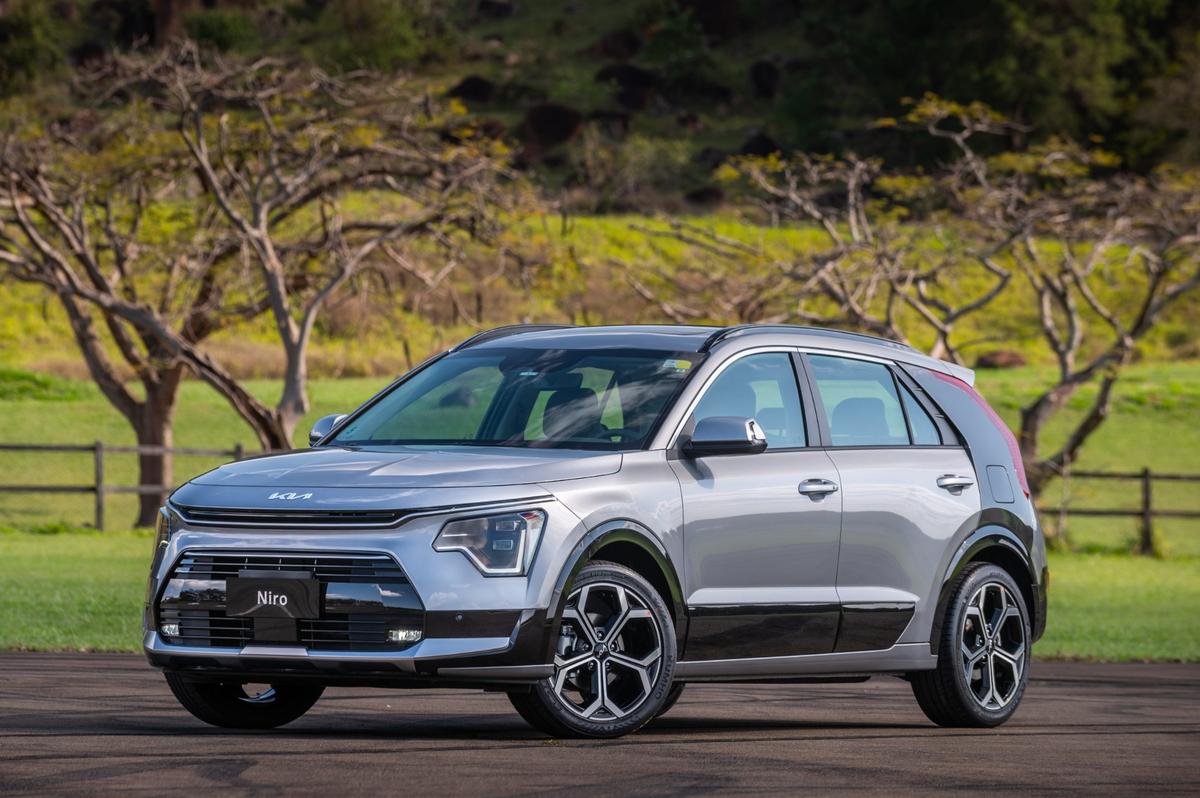
Kia Hybrid SUV Sets New Efficiency Benchmark and Draws Attention from the Automotive Sector with Technical Data Released in 2024.
The Kia Niro HEV emerges, in 2026, as an SUV that redefines fuel economy in the country. Additionally, the model boasts 24.6 km/l on the highway, according to the Folha-Mauá Ranking 2024, released by the Mauá Institute of Technology and Folha de S.Paulo in May 2024. Thus, the result surpasses traditional compacts and sedans, repositioning the vehicle among the most efficient in the Brazilian market.
The model also stood out in the PBEV-Inmetro 2024, published in December 2023. This happened because the Niro recorded 19.8 km/l in the city and 17.7 km/l on the highway, numbers that surpass competitors like the Corolla Cross, which marks 17.8 km/l and 14.7 km/l in the same tests. Therefore, Kia’s hybrid platform confirms its efficiency through the combination of the 1.6 engine with the optimized electric assembly.
Independent tests conducted in April 2024, in São Paulo, reinforced these results. Furthermore, the Niro achieved 25 to 27 km/l on flat roads in the capital. Even in heavy traffic, the model maintained averages between 23 and 24 km/l, highlighting its efficiency in urban use.
-
Man finds over 200 rare cars abandoned on a lot and tries to do the impossible in 8 hours with a surprise at the end.

-
An irregular parking case gains attention after a Mercedes Classe A was removed in such a strange way that it even raised doubts about damage to the car.

-
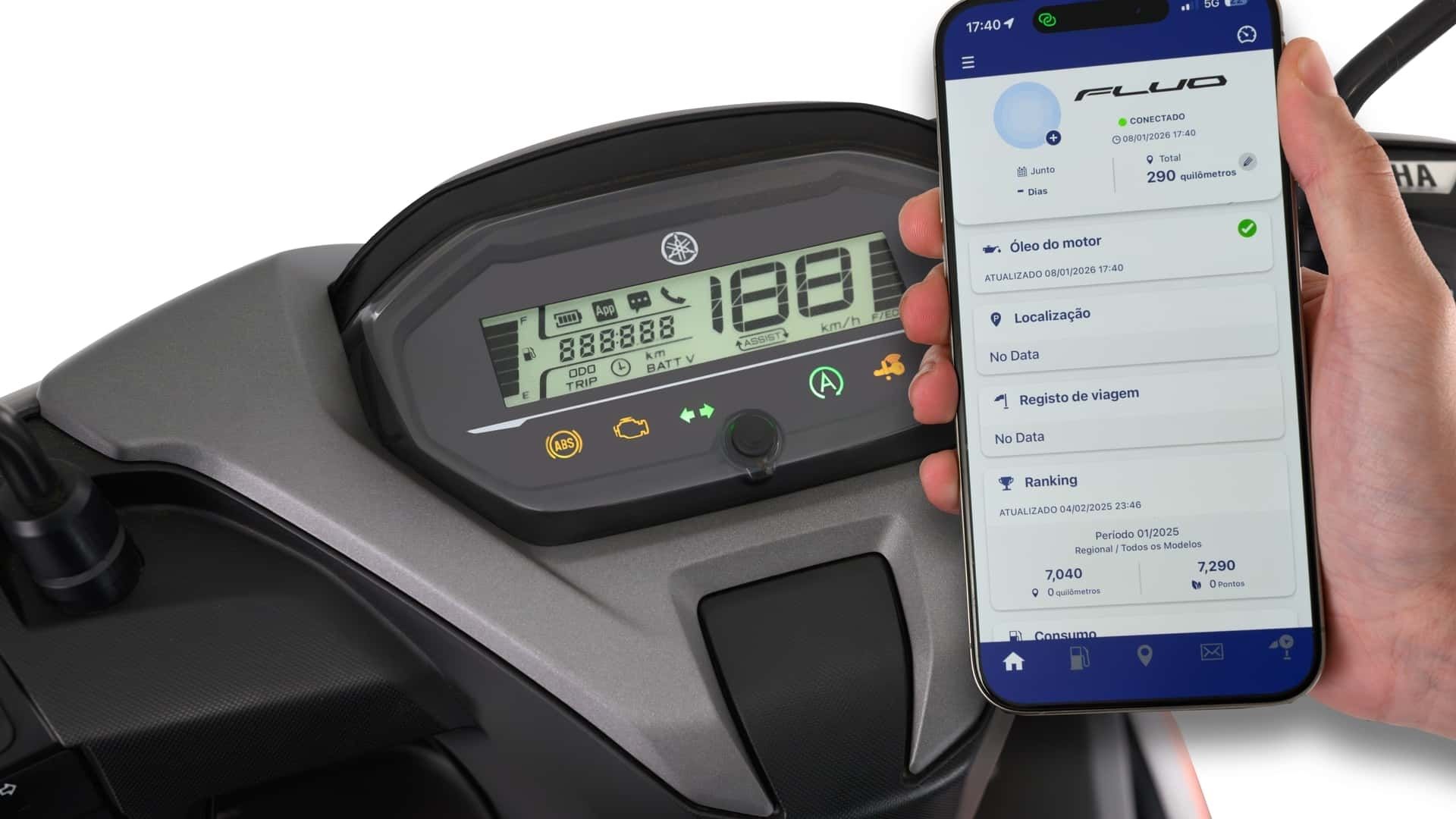
Costing R$ 16,000, the new Yamaha features a 125 cc hybrid engine with electric assistance, delivers 8.3 hp, includes ABS, optimized fuel consumption, Y-Connect connectivity, 25 liters of storage space, and a surprising 4-year warranty in the urban segment.
-
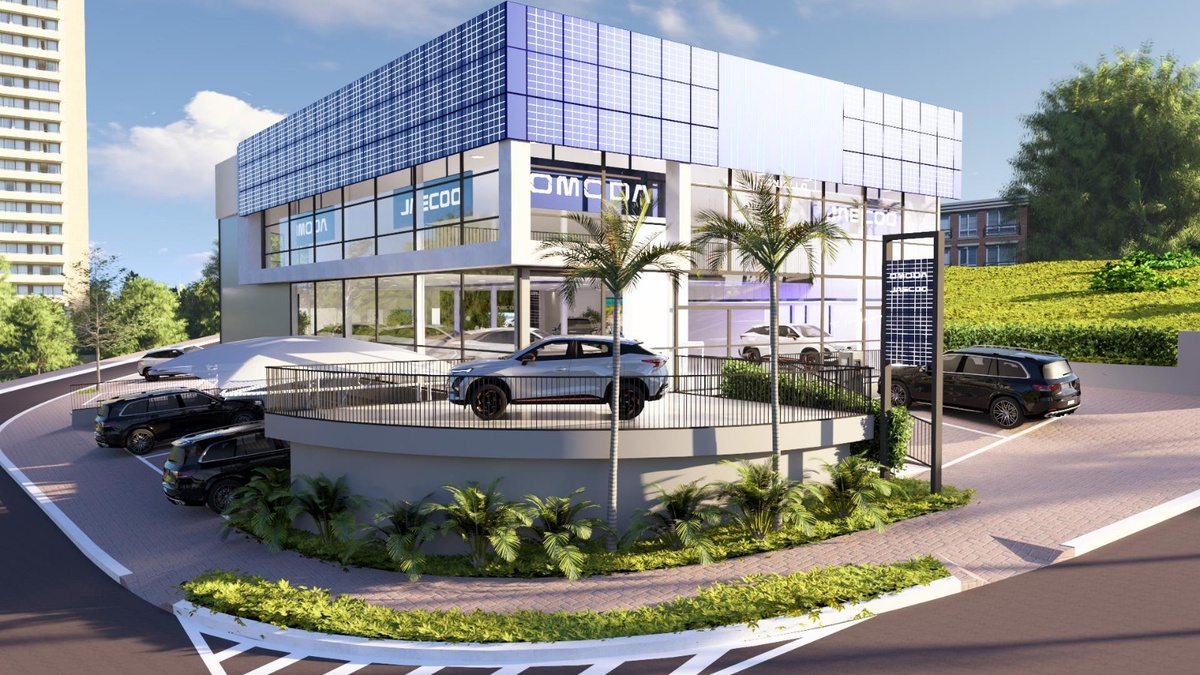
OMODA & JAECOO grows in Europe in 2026 with an integrated strategy of sales, innovation, local production, and technological advancement in the United Kingdom, Italy, and Spain.

Technical Analysis Reveals Unprecedented Range
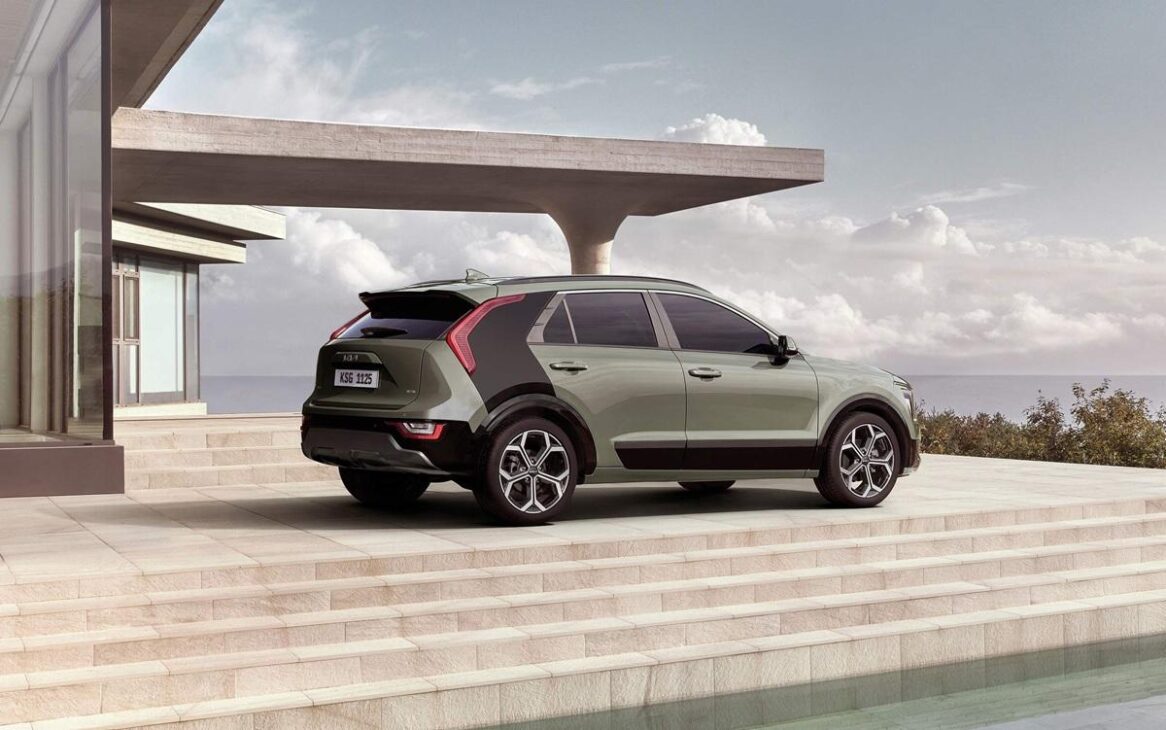
The range of the Niro emerges as an important highlight. Furthermore, the 42-liter tank combined with a consumption of 24.6 km/l allows reaching 1,033 km, based on technical calculations using 2024 data. Experts consulted in June 2024 state that the SUV can exceed 1,100 km under ideal conditions. Thus, the model reduces stops, improves the travel experience, and enhances driver confidence.
The high range occurs because the hybrid system utilizes efficient regeneration during deceleration. Additionally, electronic management reduces energy wastage, and optimized aerodynamics minimizes drag, improving performance.
Direct Impacts on the Efficiency Market
The performance of the Niro reinforces the expansion of electrified vehicles in Brazil since 2023, according to data from the International Energy Agency (IEA). Additionally, the model pressures direct competitors in the medium SUV segment. Thus, automakers are revising electrification strategies and increasing investments in hybrid engines.
Reports from Anfavea, released in 2024, indicate that hybrid technologies are expected to grow in the country. Furthermore, many national models are expected to adopt HEV systems starting in 2027, confirming the structural change in the sector.
Side Effects and Behavioral Change
The success of the Niro creates a natural effect in the market. Additionally, consumers have begun to demand similar efficiency in other hybrid models. Thus, the debate on infrastructure and incentives intensifies in the country. The advancement of hybrids also pressures pure electric vehicles, which rely heavily on the charging network.
Experts state that the growth of hybrids requires adequate governmental planning. Furthermore, public policies must balance incentives and sustainability, ensuring organized expansion of the sector.
What Does the Future Hold for Brazil?
The performance of the Kia Niro in 2026 represents an important milestone for national automotive efficiency. Additionally, the model confirms that hybrid technology remains a practical solution during the slow advancement of total electrification. Nevertheless, the evolution of the market will depend on efficient governance, structured incentives, and continuous investments.
Given this scenario, do you believe that the extreme efficiency of hybrids will be sufficient to define the future of mobility in Brazil, or should the country accelerate the adoption of pure electric vehicles?








-

-

-

6 pessoas reagiram a isso.