





 Português
  Inglês
  Espanhol
 3 min de leitura


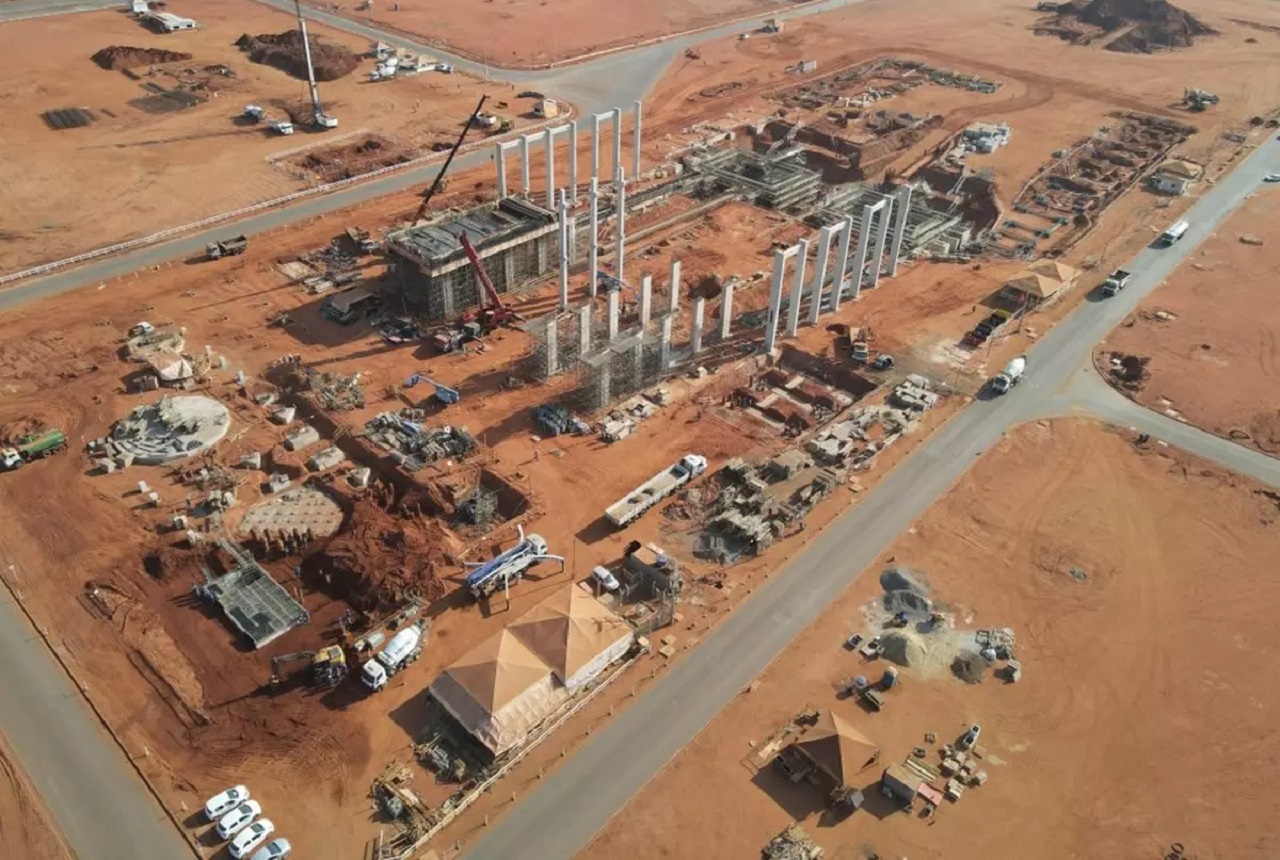
Suzano Pulp and Paper Announces A New Billion-Dollar Investment In MS. The New Pulp Production Unit Promises To Generate Thousands Of Jobs And Income.
Last week, Suzano Pulp and Paper announced the construction of a new factory focused on pulp production, aimed at creating the largest single-line production of the material in the world, according to previous reports by Correio do Estado. The project speculates a total investment of R$ 14.7 billion and stipulates the creation of 13,000 jobs throughout the construction and operation process of the factory in MS.
Suzano Pulp and Paper Factory Expected To Be Completed By 2024
Located in Ribas do Rio Pardo, a city about 100 km from Campo Grande (MS), the new factory will have the capacity to produce 2.3 million tons of eucalyptus pulp per year.
The company plans to start production at the new unit, which promises to generate thousands of jobs, by the end of the first quarter of 2024, a project that has been named Project Cerrado, due to its location in MS.
-
Brazilian city gains industrial hub for 85 companies that is equivalent to 55 football fields.

-
Peugeot and Citroën factory in Argentina cuts production by half and opens a layoff program for more than 2,000 employees after Brazil drastically reduced purchases of Argentine vehicles.

-
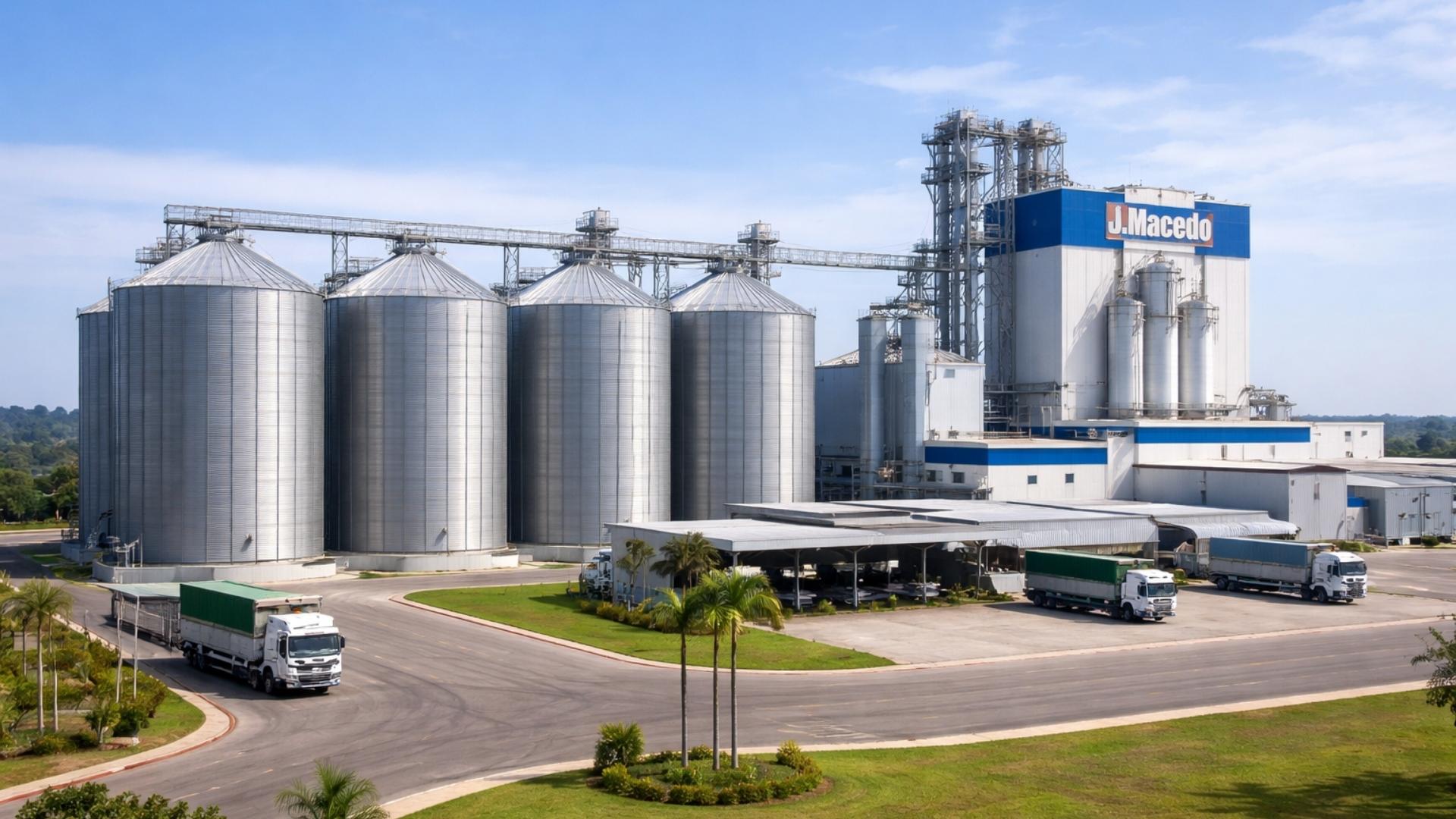
A Brazilian city gains a factory worth R$ 300 million with the capacity to process 200 thousand tons of wheat per year, a mill of 660 tons/day, silos for 42 thousand tons, and an industrial area of 276 thousand m².
-
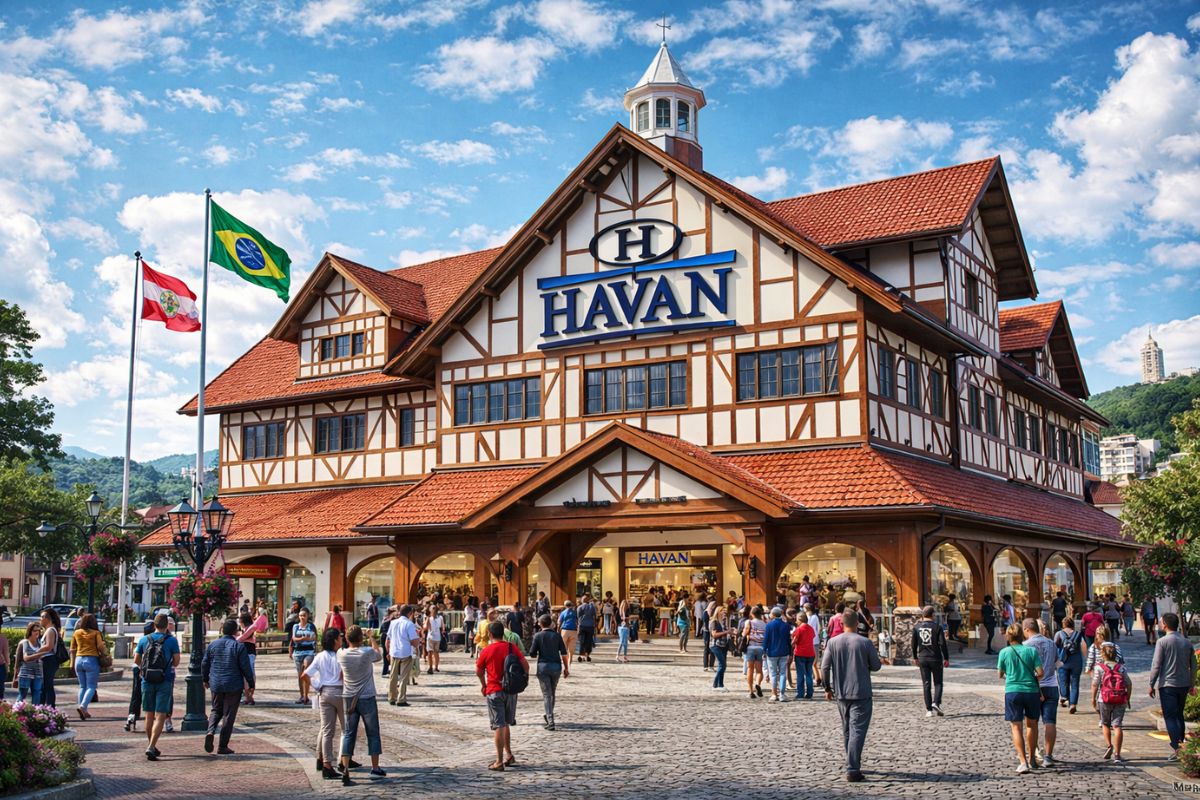
Havan will leave the shopping mall in Blumenau to inaugurate something that the chain has never done before: a megastore in half-timbered style in the Historic Center of the city, which is expected to be completed in May and change the landscape of local retail.
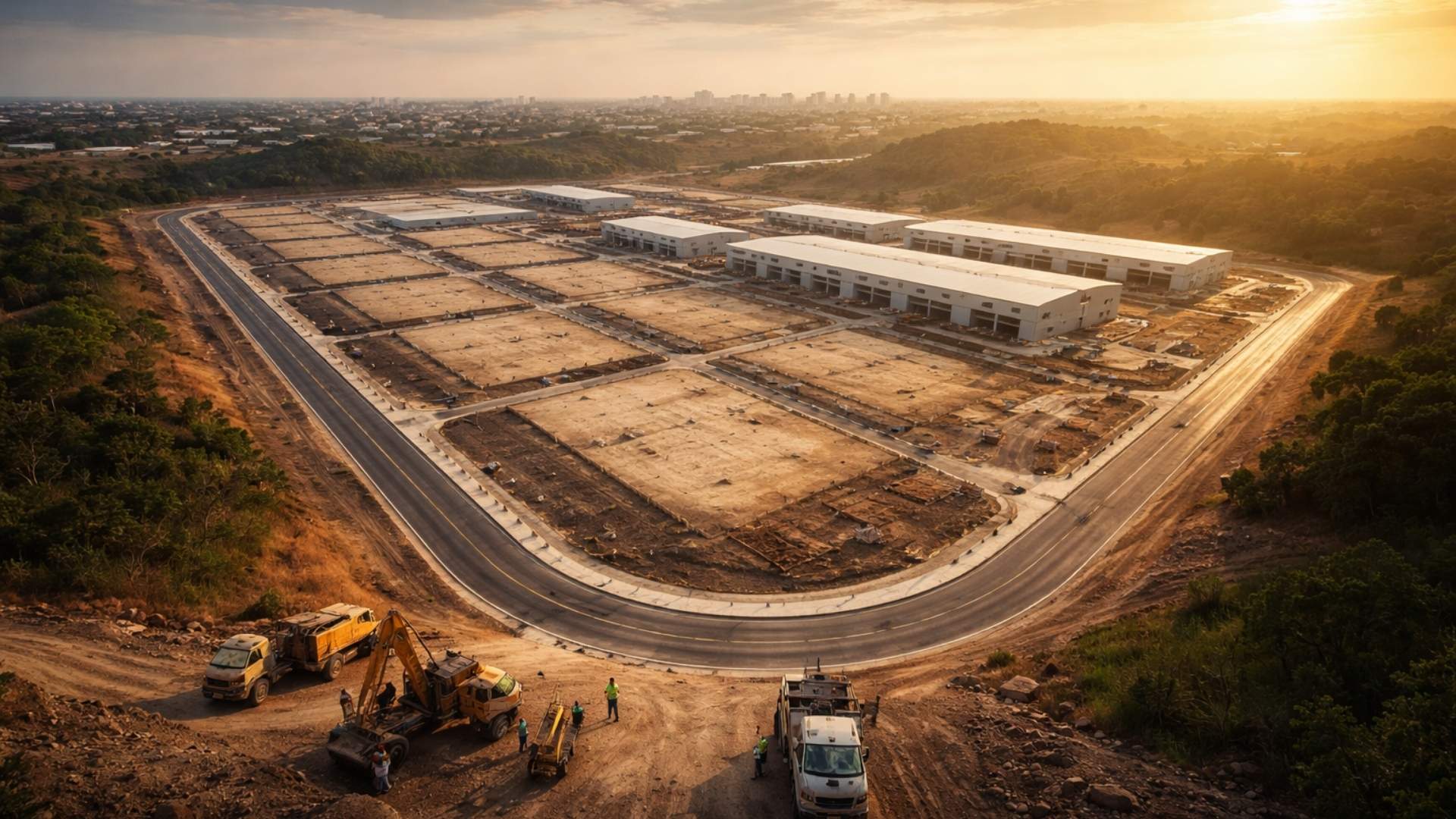
In addition to generating jobs, the new factory will expand Suzano’s current pulp production capacity by about 20%, which currently stands at 10.9 million tons. Walter Schalka, President of Suzano, emphasizes the importance of the new unit for the company’s long-term strategy, highlighting its relevance in job creation and carbon capture capacity resulting from the expansion of the forest base. As a global leader, Suzano is committed to meeting the growing global demand for renewable products.
Project Promises To Generate Development For The Population Of MS
Tereza Cristina Dias, Minister of Agriculture, Livestock, and Supply (Mapa), was moved by the announcement of Suzano’s investment in MS during the online event broadcast.
Cristina stated that this is the largest investment the state has received during this difficult post-pandemic period. Certainly, this will bring development, jobs, and income. The factory is expected to generate about 13,000 jobs across the state and, according to the company’s president, 10,000 direct jobs will be created during the peak of construction, in addition to thousands of indirect jobs throughout the region.
Once completed, the new unit is expected to generate 3,000 jobs among direct and contracted workers, as well as stimulate the entire regional economic chain. According to Jaime Verruck, Secretary of Environment, Economic Development, Production, and Family Agriculture (Semagro), the state’s development strategy is based on strengthening the productive chains and generating value.
The estimate is that there will be a 5.6% impact on the state’s GDP growth. It already has the second-largest planted area of eucalyptus, and this year it is expected to expand planting by 100,000 hectares without requiring deforestation. MS is strengthening its position as the largest exporter of pulp.
Suzano Highlights High Demand In The Pulp Market
After a period of declining company stocks, it has rebounded in production and sales of the product in China. The reasons behind this improvement are clear: the easing of post-Covid-19 activities and the celebrations of the Lunar New Year, which take place in February.
The company wrapped up the first two months of this year with excellent results regarding pulp demand in the Chinese market. The company had experienced a period of significant drops in stocks in the country due to low commercialization and production of the raw material. Currently, executives from the multinational are highlighting an improved scenario in Brazil after a long period of isolation caused by the pandemic.









Seja o primeiro a reagir!