Portuguese
  Spanish



Enel Is Planning to Make Billion-Dollar Investments in Renewable Energy in Brazil. In Addition, It Plans to Invest in Green Hydrogen Production in Bahia, Contributing to the Reduction of Pollutants
Enel will focus its investments on electrification and renewable energy in Brazil, as announced by Francesco Starace, global CEO of the group, this Monday (18). Electrification is expected to contribute to the energy transition of various sectors of the economy, especially in industry and transportation, also advancing in decarbonization. According to data, Enel will invest 9.8 billion euros between 2022 and 2024, with just over half of that amount aimed at the renewable energy sector in Brazil. Starace, however, does not rule out the chances that this percentage could rise to 70% or 60%, potentially varying depending on the results achieved in the projects.
Brazil Is Responsible for 40% of Enel’s Growth in Renewable Energy
Brazil has good conditions for generating renewable energy, such as solar and wind, in addition to having demographic expansion, which is the opposite of what is happening in Europe.
Brazil accounts for about 40% of the company’s growth in renewable energy in Latin America. The investment projects will be focused on the city of São Paulo and will be subject to approval by the city’s municipality. Enel’s BDRs closed last Thursday (14) up 0.93%, at R$ 26.13. However, over the past year, the stock has accumulated a loss of 42.89%.
-
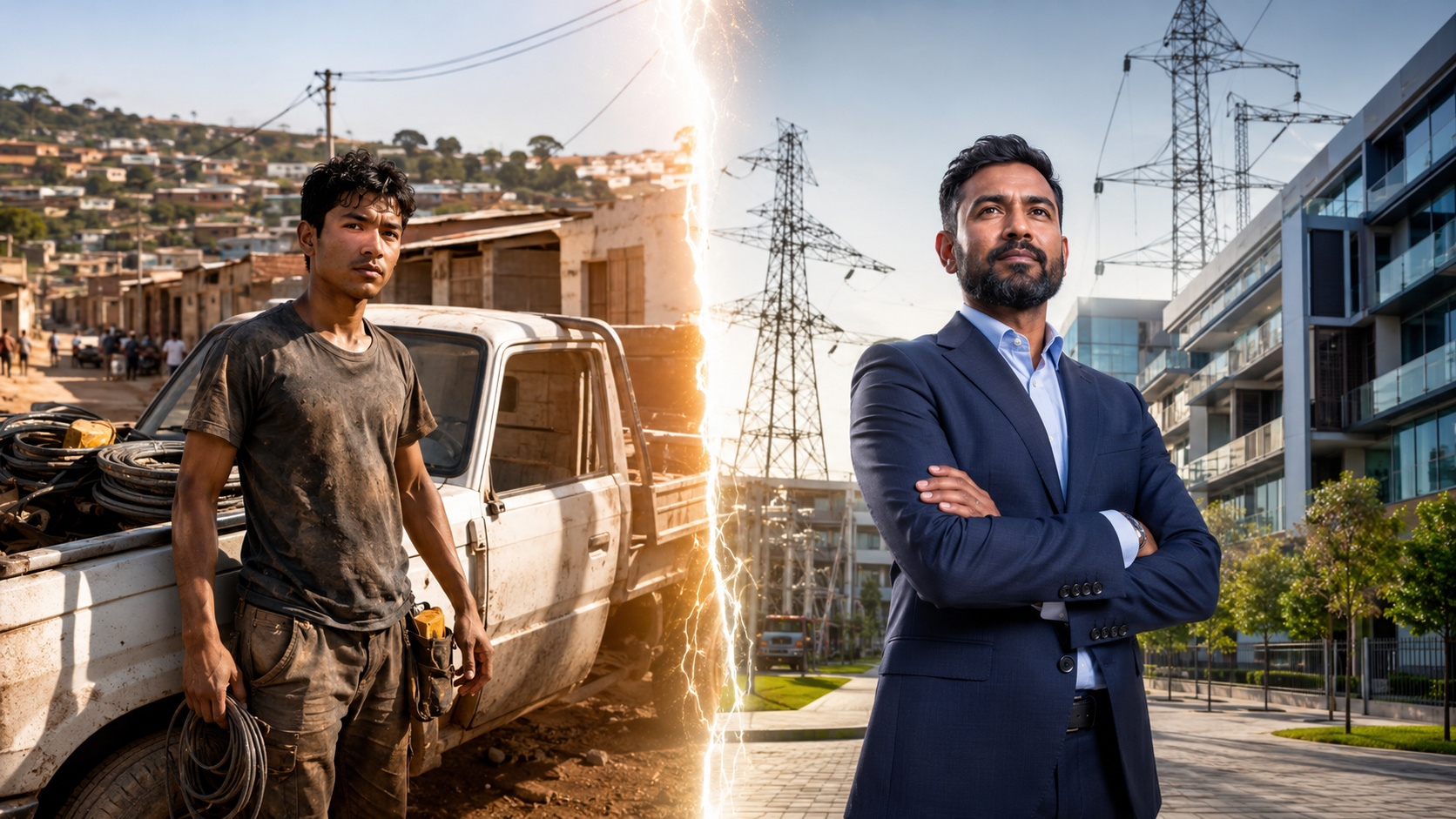
Fired during apartheid and with a little borrowed money, an electrician started with a borrowed truck and transformed electrical services into a group connected to energy, real estate, and infrastructure in South Africa.

-
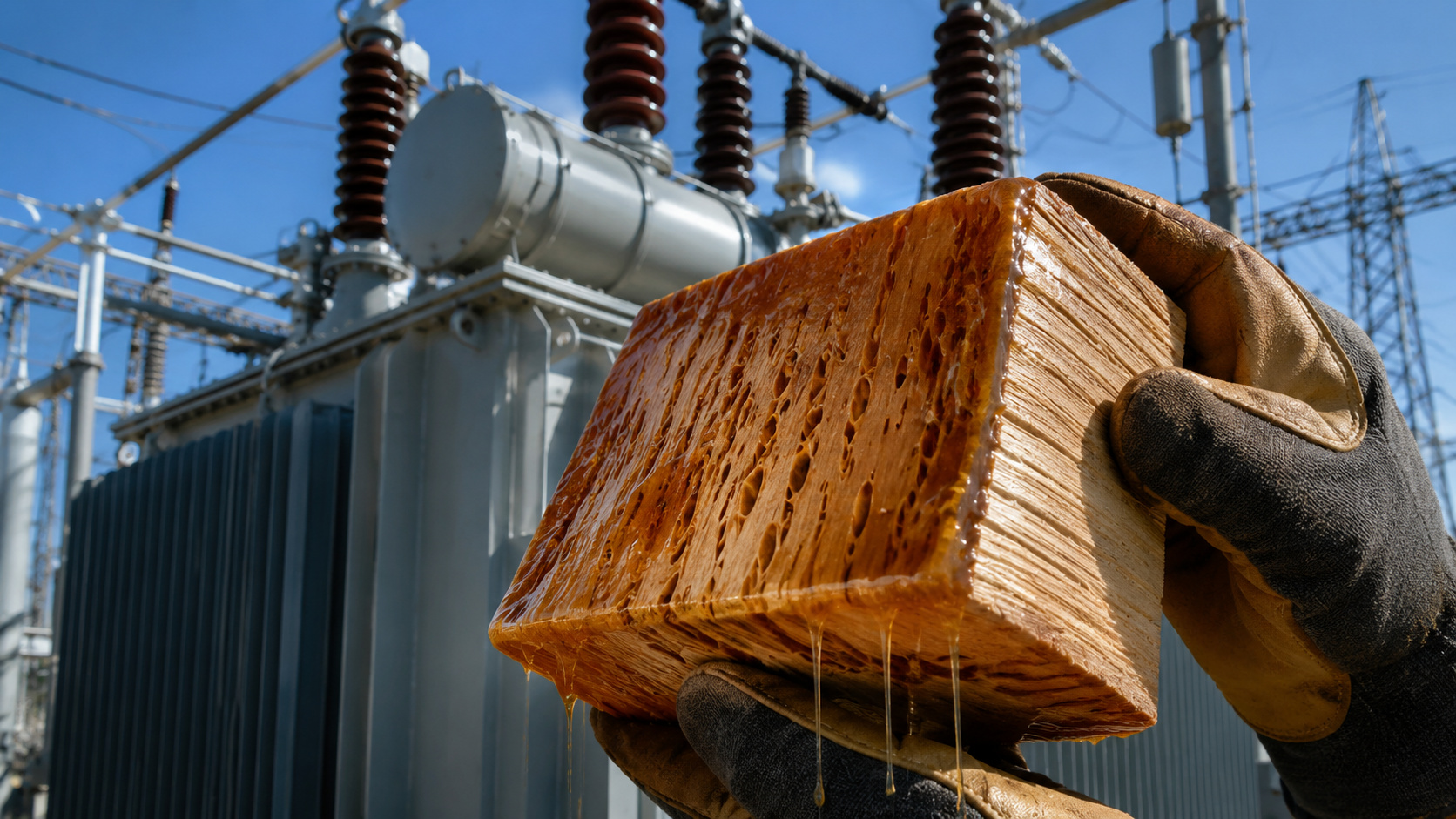
Wood has ceased to be just a construction material in Yale research and has become insulation for electrical transformers that face intense heat, aging, and increasing pressure from the renewable energy-powered grid.
-
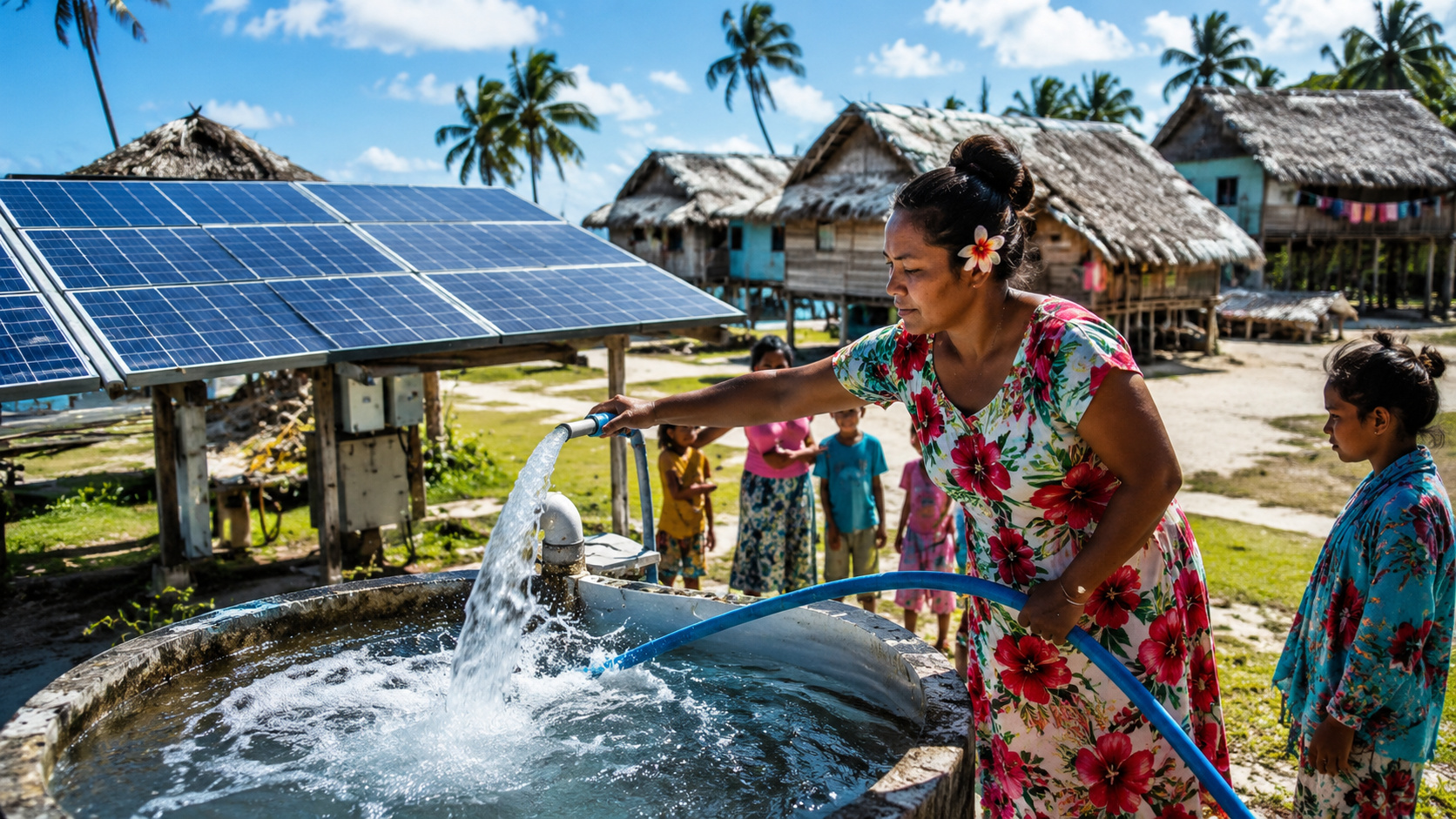
More than 1,000 residents of a remote island in Kiribati now have clean water and electricity with solar systems operated by the community itself.
-
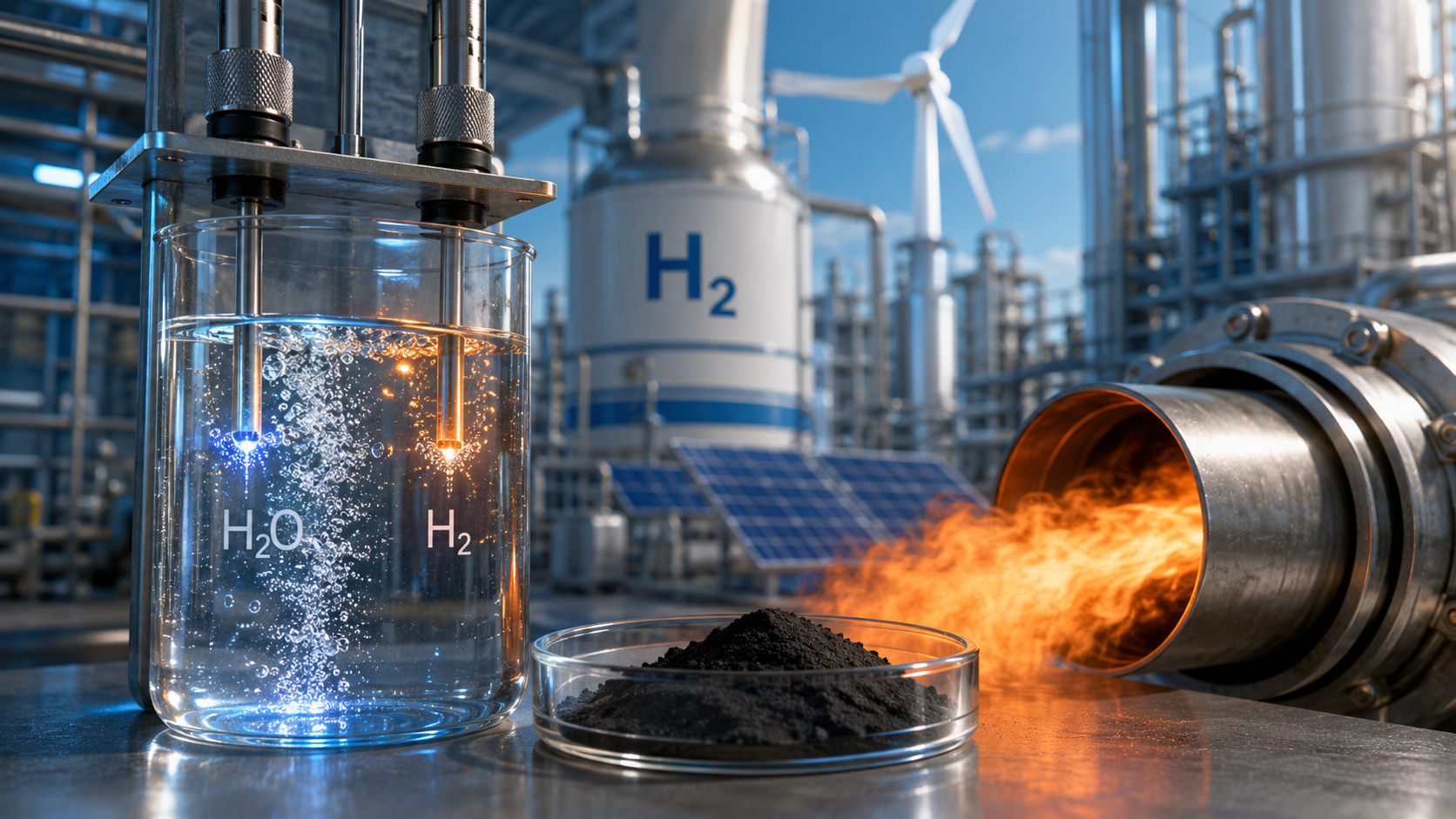
Ceará brings together 7 giants and R$ 66 billion to transform Pecém into the largest green hydrogen hub in Brazil, with final decisions expected by the end of 2026.

Starace says that the country will represent half of the growth of renewable energy in the next 10 years, with Brazil being underrepresented in his view. The statements were made at an event in São Paulo, where the executive stated that there are prospects for the expansion of investment in solar and wind energy projects in the future, considered renewable energies.
Enel Plans to Install More 3,000 MW of Renewable Energy in Brazil
The company’s CEO states that if a picture is taken today, Brazil is underrepresented. If a new picture is taken in 10 years, the country will be much larger than it is currently represented. Starace highlights that countries have reached physical limits for market expansion, while Brazil has a trend of acceleration due to its vast geographical reach.
Enel plans to add 3,000 MW in the country by 2025. Currently, the group operates in the country with over 4.7 GW of renewable energy, where 1.2 GW comes from solar energy and 1.3 GW from hydropower. The momentum is underway and is not surprising because the potential is great; the country is rich in natural resources.
Enel Promotes New Investments in Green Hydrogen in Bahia
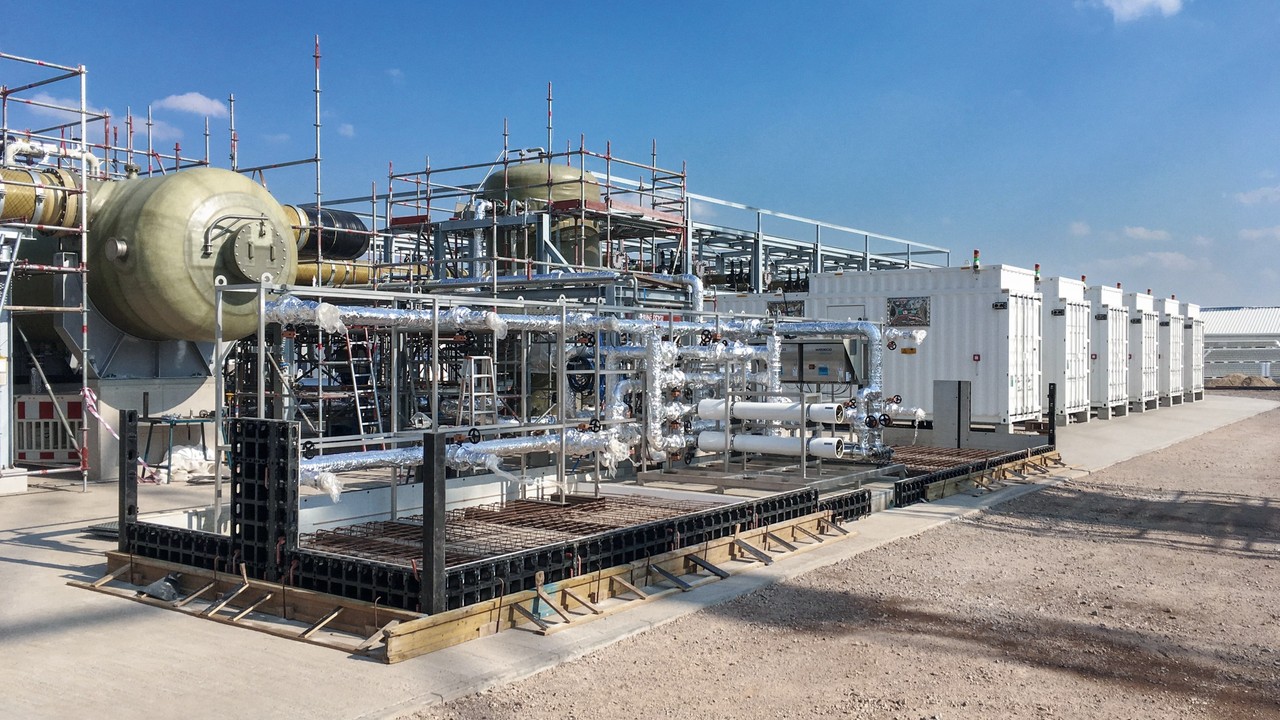
Enel signed, a few weeks ago, a Memorandum of Understanding for feasibility studies of green hydrogen production projects to be conducted by the Enel Green Power company.
The partnership aims to join forces to analyze the premises influencing the viability of these green hydrogen projects in the state, encouraging the future development of the entire production chain in the region.
According to Roberta Bonomi, the company believes in green hydrogen as a complementary and essential strategic tool for reducing CO2 emissions, especially for specific economic activities that, for economic and technical reasons, cannot adopt electrification from renewable energy sources in their production processes. It is worth mentioning that the memorandum of understanding with the government of Bahia is the company’s first in Brazil.