





 Portuguese
  English
  Spanish
  4 min of reading
  0 comments


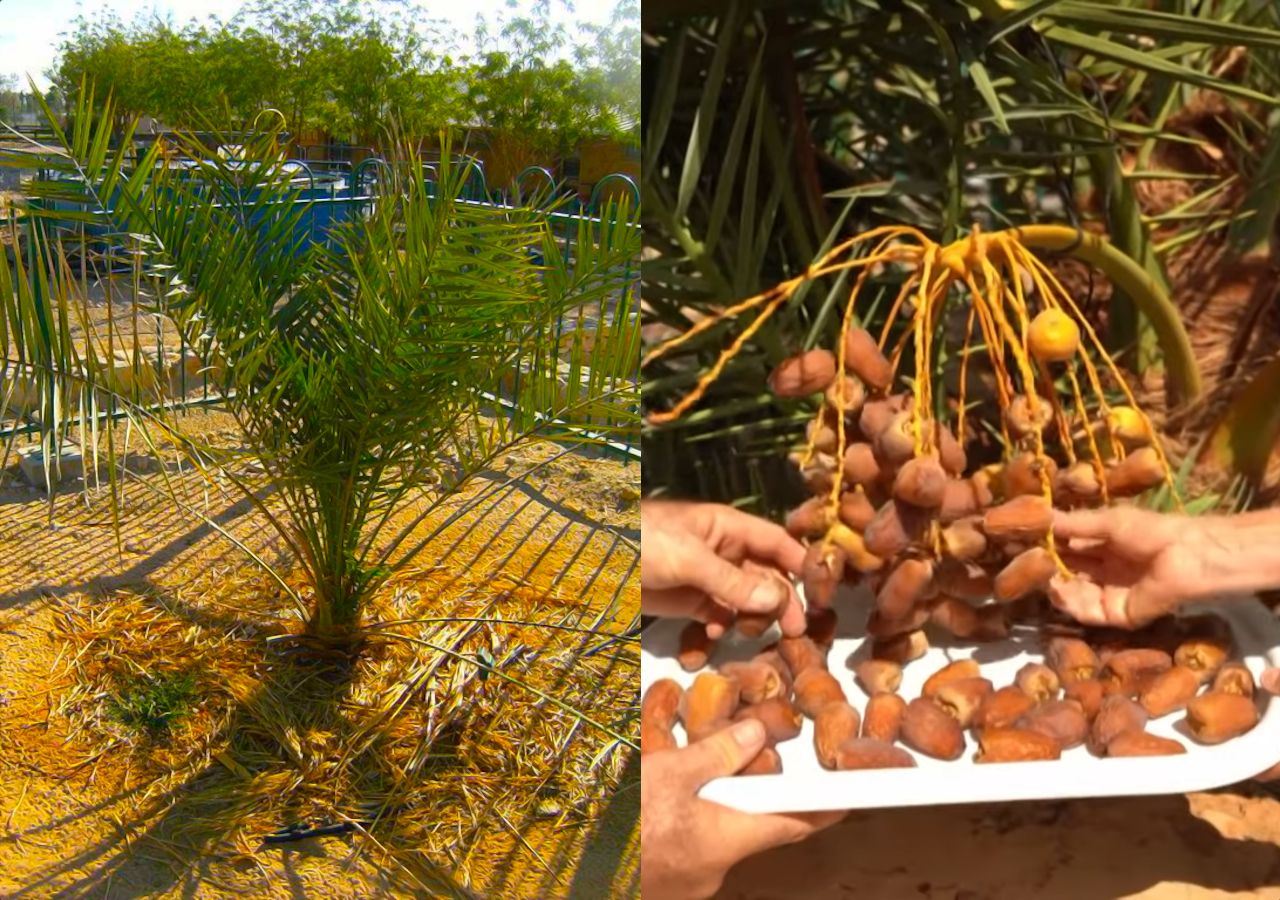
Date Palm Seed About 2,000 Years Old Germinates in Israel, Maintains Functional DNA and Redefines the Limits of Plant Survival Over Time.
For a long time, archaeologists treated ancient seeds merely as historical remnants, incapable of coming back to life. This notion was overturned when Israeli scientists managed to germinate a Judean date palm seed (Phoenix dactylifera) that had remained buried for nearly two millennia in the desert. This episode became one of the most impressive milestones of modern archaeobotany and opened new discussions about how long life can endure in a latent state.
Where the Seed Was Found and Why It Was Special
The seed was discovered in archaeological excavations in the region of Masada, in the Judean Desert, a historical site associated with the Roman period. Masada became famous for being one of the last Jewish strongholds during the Roman occupation in the 1st century AD.
Among fragments of pottery, textiles, and organic remains, archaeologists found seeds preserved in jars and extremely dry underground environments. Subsequent carbon-14 analyses indicated that some of these seeds were between 1,800 and 2,000 years old, which made them exceedingly rare from an archaeological standpoint, even before any attempts at germination.
-
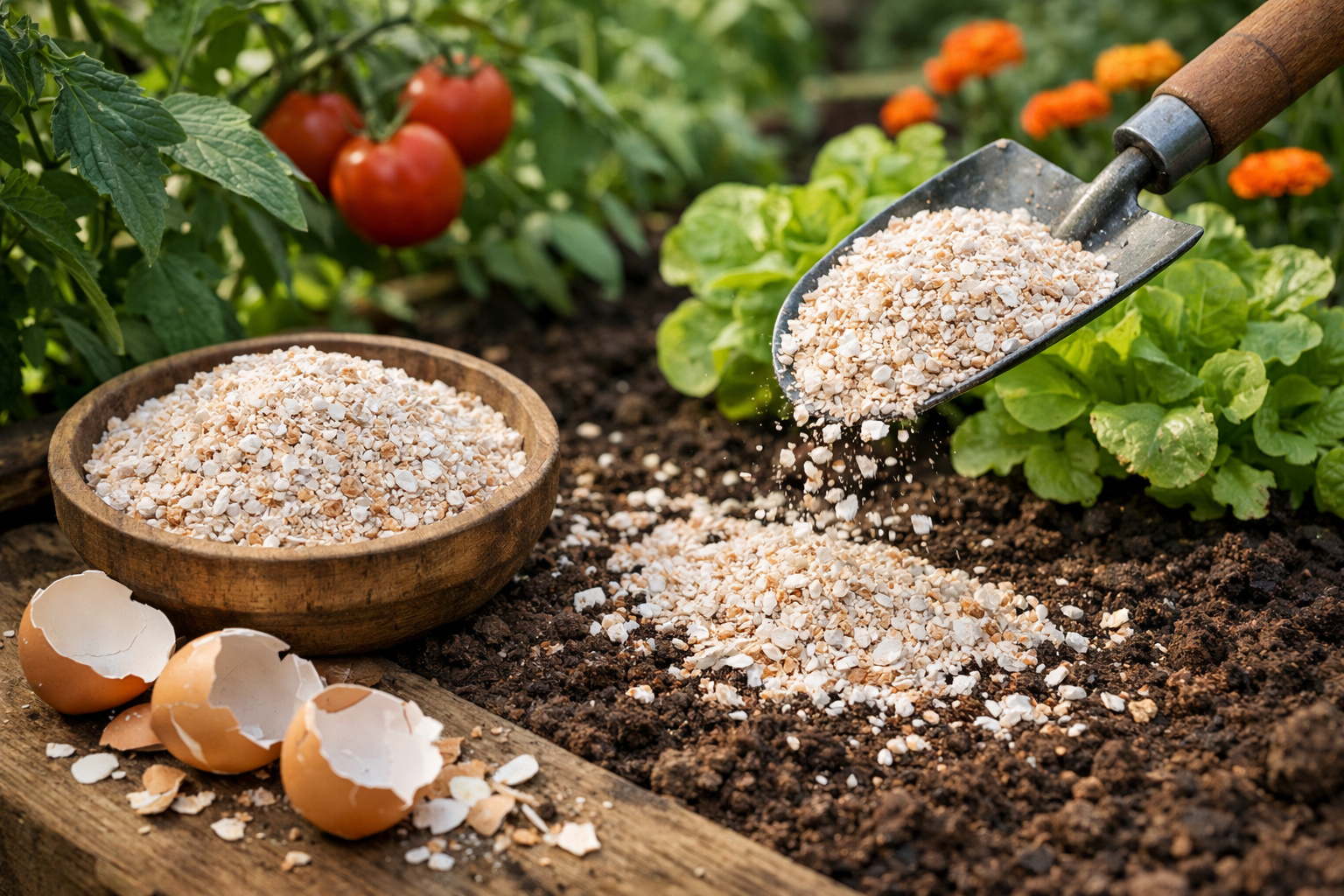
The eggshell that almost everyone throws away is made up of about 95% calcium carbonate and can help enrich the soil when crushed, slowly releasing nutrients and being reused in home gardens and vegetable patches.
-
This farm in the United States does not use sunlight, does not use soil, and produces 500 times more food per square meter than traditional agriculture: the secret lies in 42,000 LEDs, hydroponics, and a system that recycles even the heat from the lamps.

-
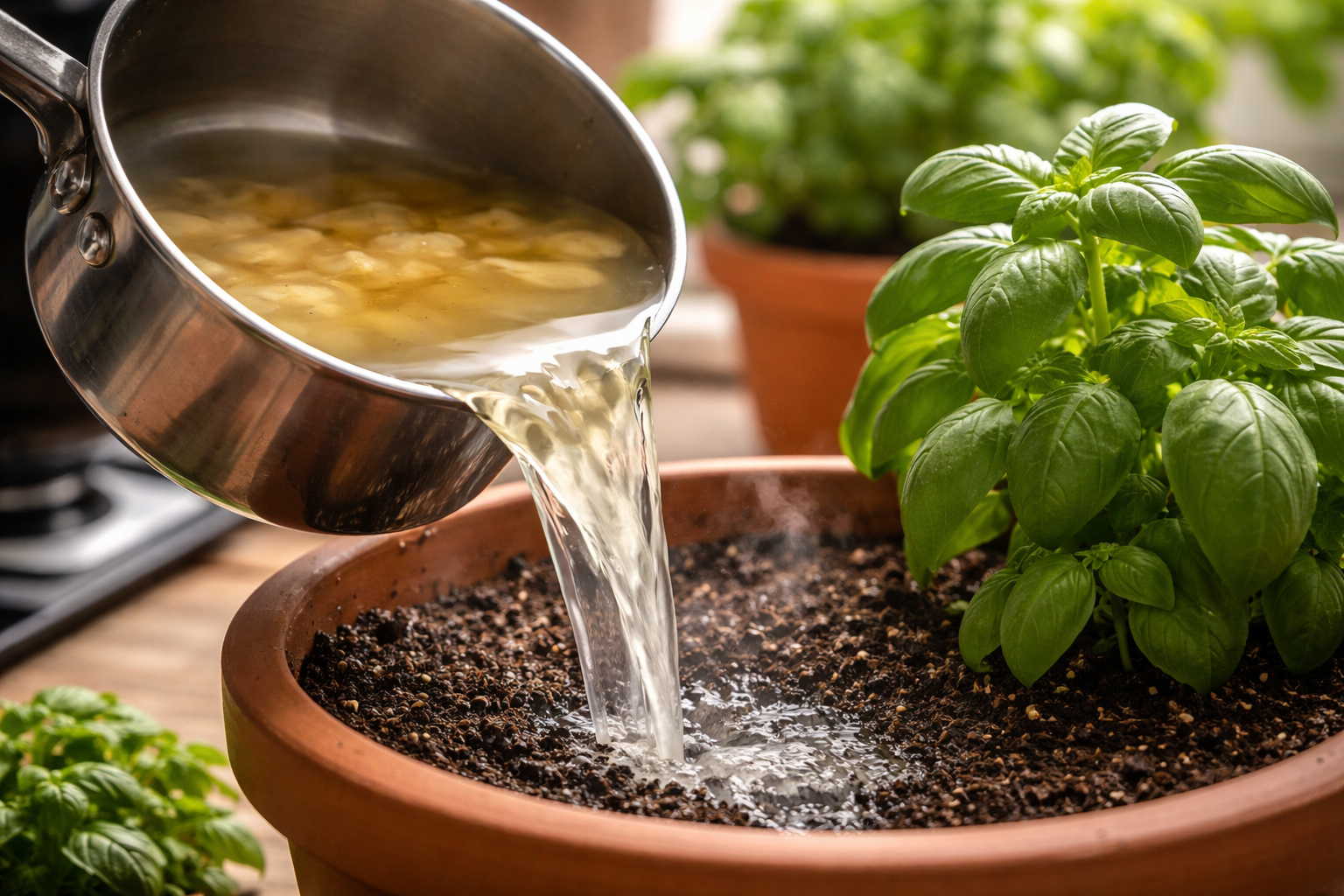
The water that almost everyone throws away after cooking potatoes carries nutrients released during the preparation and can be reused to help in the development of plants when used correctly at the base of gardens and pots, at no additional cost and without changing the routine.
-
The sea water temperature rose from 28 to 34 degrees in Santa Catarina and killed up to 90% of the oysters: producers who planted over 1 million seeds lost practically everything and say that if it happens again, production is doomed to end.


The Experiment That Brought a Plant from the Roman Empire to the 21st Century
In the early 2000s, researchers at the Arava Institute for Environmental Studies, in partnership with the Hebrew University of Jerusalem, decided to test if those ancient seeds were still biologically viable.


The seed underwent a rigorous protocol of rehydration, microbiological control, and application of nutrients and plant hormones. In 2005, the improbable happened: the seed germinated and gave rise to a healthy seedling. The plant was named “Methuselah,” referencing biblical longevity.
To this day, this is considered the oldest seed ever successfully germinated in a documented scientific manner.
How a Seed Managed to Survive for Almost Two Millennia
The survival of the Judean date palm was not a matter of chance. It resulted from a combination of the species’ biological characteristics and exceptional environmental conditions.
Date palm seeds have a thick shell rich in antioxidant compounds that protect the embryo from oxidative damage. Moreover, the Judean Desert exhibits an extremely dry climate, with low humidity and minimal microbial activity, drastically reducing organic decomposition.
These factors allowed the seed to enter a state of deep dormancy, with its metabolism practically halted but without irreversible degradation of DNA.
What Genetic Tests Revealed About the Ancient DNA
After germination, scientists conducted genetic analyses on the plant. The results showed that the DNA was remarkably well preserved, allowing for the normal development of the date palm.
Comparative studies indicated that the Judean date palm exhibited genetic traits distinct from modern varieties, suggesting that ancient cultivated populations in the region had greater robustness, tolerance to arid environments, and possibly nutritional properties different from those of today.
These discoveries reignited scientific interest in ancient agricultural varieties, which may harbor genes lost over centuries of selective domestication.
The Scientific Impact of the Discovery for Biology and Archaeology
The case of the Judean date palm redefined the understanding of biological longevity in seeds. Until then, few examples exceeded a few hundred years. The germination of a seed nearly 2,000 years old demonstrated that, under ideal conditions, plant life can remain viable over periods that span entire historical eras.
This episode also propelled research in genetic conservation, seed banks, extreme climate resistance, and even studies related to astrobiology, as prolonged dormancy is considered a potential mechanism for the survival of life in hostile environments.
Why This Case Still Intrigues Modern Science
Even two decades after germination, the case of Methuselah continues to be studied. Other ancient seeds from the same region have also been successfully germinated subsequently, allowing for comparative analyses and controlled reproduction.
The Judean date palm has ceased to be merely an archaeological curiosity and has come to represent a living link between ancient agriculture and modern science. It proves that, in certain cases, time does not destroy life; it merely puts it on hold.








-

-

-

-

7 pessoas reagiram a isso.