





 Portuguese
  English
  Spanish
  5 min of reading
  7 comments


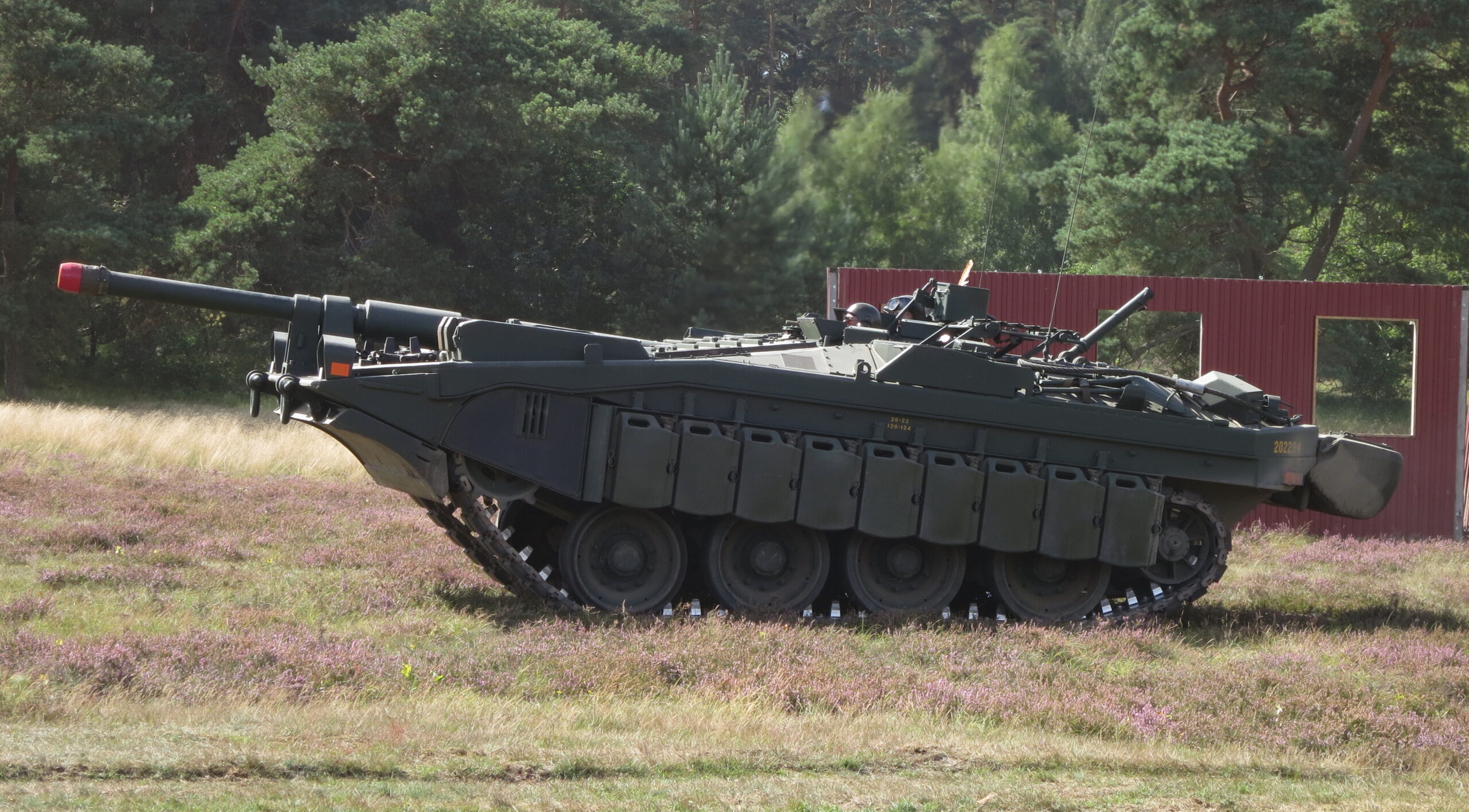
Without A Tower And With A Fixed Gun, The Swedish Stridsvagn 103 Became The Only Mass-Produced Tank That Aims Using The Movement Of Its Own Hull And Hydraulic Suspension, One Of The Most Radical Projects In Military Engineering Of The Cold War.
For Decades, Practically All Tanks Followed The Same Structural Logic: A Gun Mounted On A Rotating Turret Capable Of Pointing In Any Direction. This Concept Dominated Battlefields Since World War II And Remains The Standard In Almost All Modern Armored Vehicles Used By Armed Forces Around The World.
In The 1960s, However, Swedish Engineers Decided To Completely Break With This Paradigm. The Result Was The Stridsvagn 103, Also Known As The S-Tank, A Tank That Simply Eliminated The Turret And Installed The Gun Directly On The Hull, Creating One Of The Most Unusual Armored Machines Ever Produced In Military History.
This Radical Solution Transformed The Strv 103 Into The Only Mass-Produced Tank In The World That Uses A Fixed Gun, Forcing The Vehicle To Use The Movement Of The Hull And The Suspension To Aim Its Main Weapon. The Concept Caught The Attention Of Military Analysts And Became One Of The Boldest Experiments In Armored Engineering During The Cold War.
-
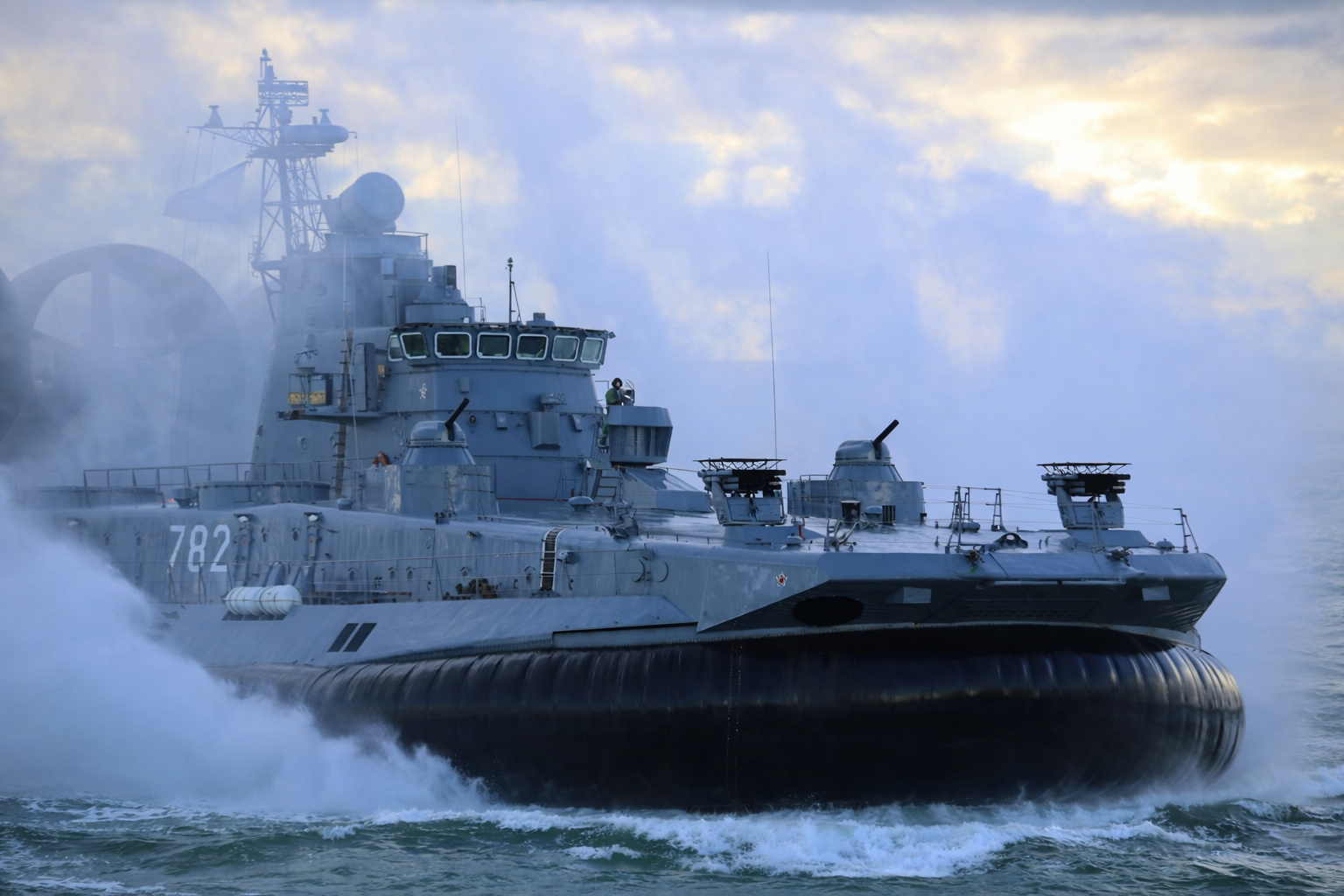
Classified as a “amphibious monster” weighing 555 tons, 57 meters long, and featuring three propellers with a diameter of 5.5 meters, the Zubr is the largest military hovercraft ever built, capable of transporting 3 tanks or 500 soldiers at speeds exceeding 100 km/h over water, ice, and sand, and China has resumed production of it to project power in the South China Sea.
-
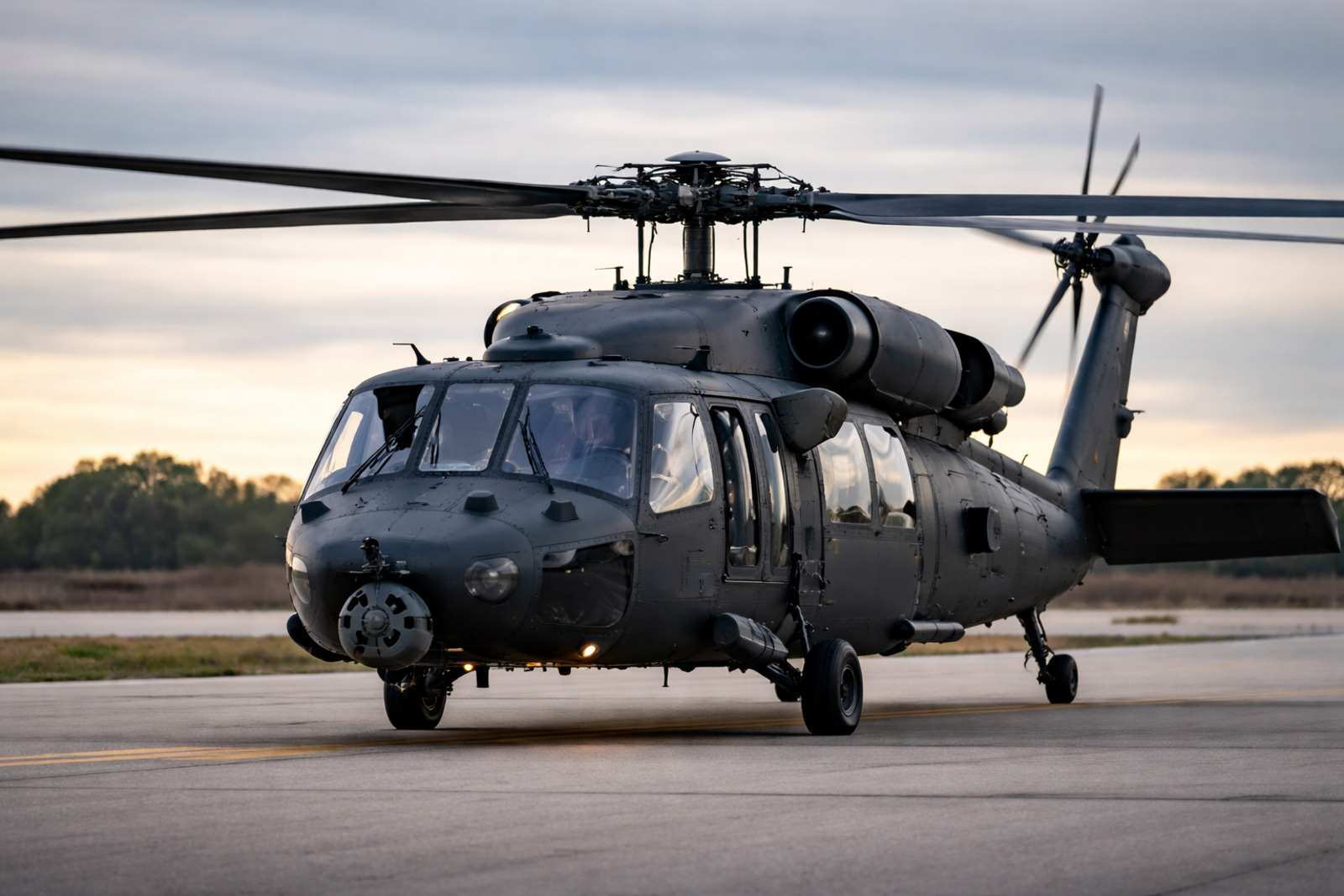
The U.S. Army receives the first Black Hawk helicopter that can fly without pilots, be controlled by a tablet, and even land on its own during high-risk missions.
-
With 11,000 tons and sensors capable of hunting submarines at long distances, the Type 055 has become one of the most feared floating arsenals of the Chinese navy.

-
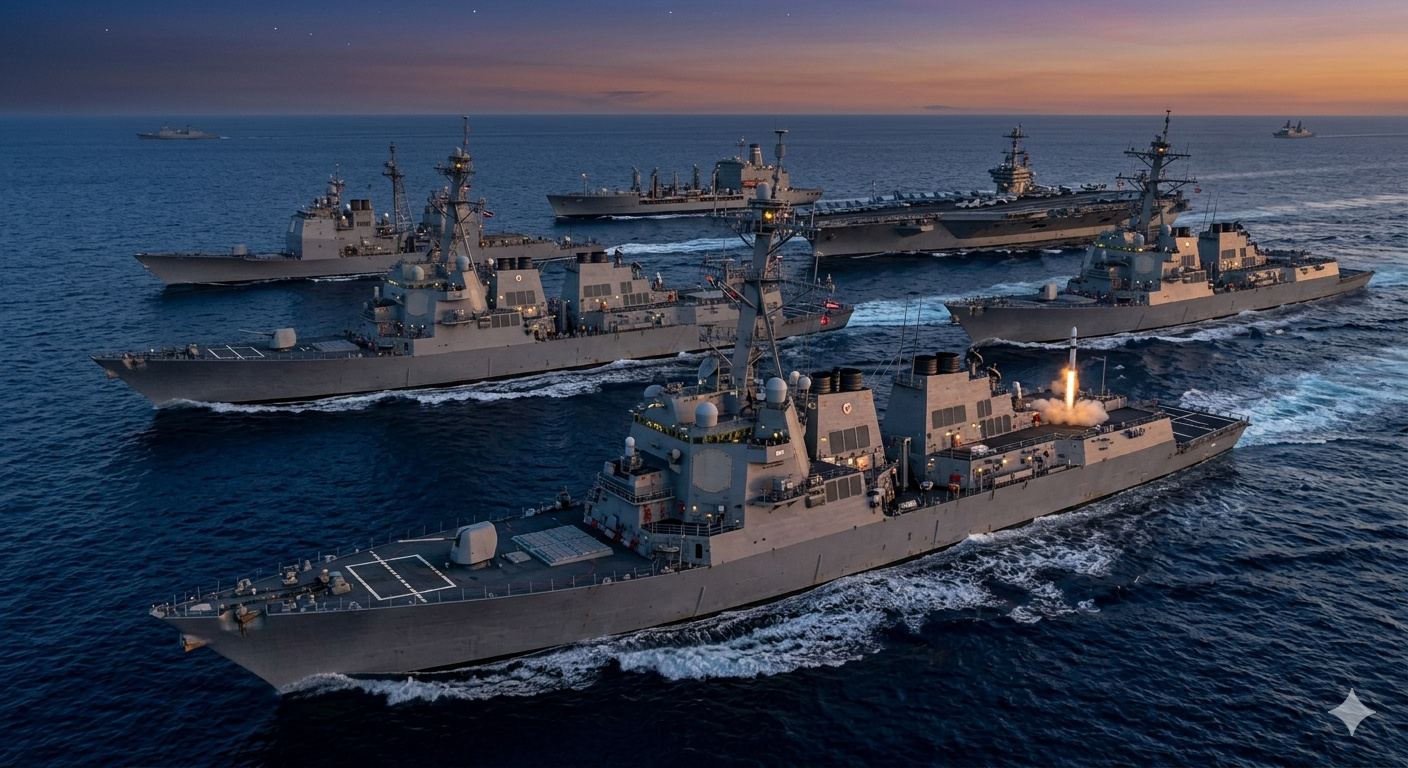
With over 15,000 tons, radars capable of tracking hundreds of targets simultaneously, and more than 120 missiles ready for launch in seconds, modern destroyers cease to be escorts and begin to dominate the naval battlefield.
The Origin Of The Stridsvagn 103 And The Military Context Of Sweden In The Cold War
After World War II, Sweden Began To Invest Heavily In The Development Of Its Own Military Equipment. Although It Maintained An Official Policy Of Neutrality, The Country Was Geographically Close To The Soviet Union And Needed To Ensure Sufficient Defense Capability To Resist An Eventually Invasion During The Period Of Tensions In The Cold War.
Swedish Military Strategists Began Studying How To Adapt Their Armored Vehicles To The Terrain Of The Country. Sweden Has Extensive Areas Of Forests, Lakes, Hills, And Uneven Soils, Making Large Tank Battles In Open Plains Unlikely, As Happened In Central Europe.
In This Scenario, Military Planners Began To Consider That An Armored Vehicle With A Very Low Profile, Great Defensive Capability, And Strong Frontal Firepower Could Be More Efficient Than Traditional Tanks. The Idea Was To Create A Tank Capable Of Operating Hidden In Defensive Positions, Attacking The Enemy In Ambushes.
The Tank That Fully Eliminated The Tower
The Solution Found By Swedish Engineers Was To Abandon The Rotating Turret, Something Considered Essential In Most Combat Tanks. Instead, The 105 mm Gun Was Rigidly Mounted On The Hull Of The Vehicle, Completely Eliminating The Typical Rotation Mechanism Found In Combat Vehicles.
This Decision Brought Several Important Consequences For The Project. As The Gun Could Not Move Independently, The Entire Aiming System Had To Be Reinvented To Allow The Tank To Aim Accurately In Different Directions.
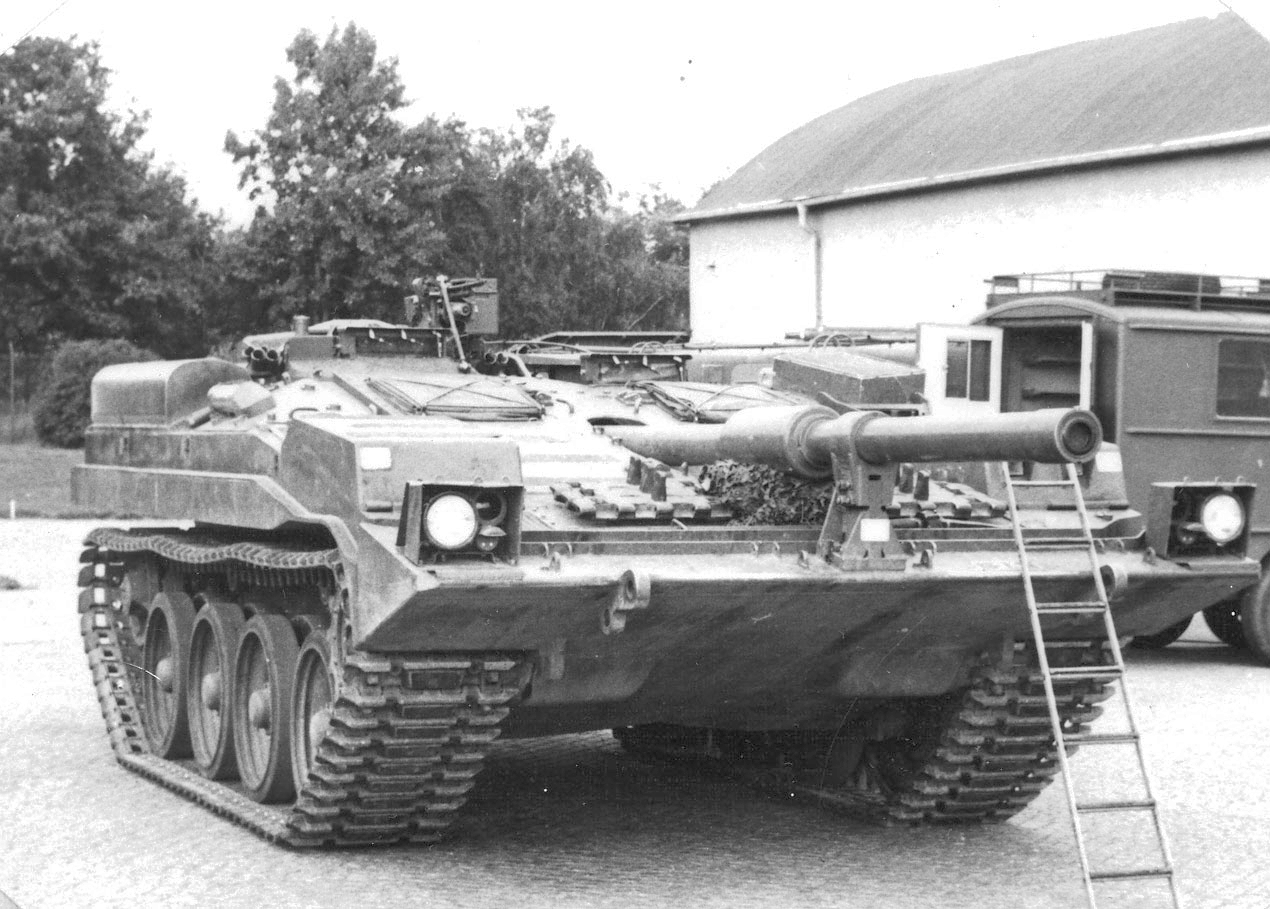
In The Strv 103, Horizontal Aiming Is Achieved By Rotating The Vehicle Itself To The Left Or Right. The Vertical Adjustment Of The Gun Is Made By Tilting The Tank Forward Or Backward Using A Sophisticated Hydro-Pneumatic Suspension System.
The Hydropneumatic Suspension That Works As An Aiming System
One Of The Most Impressive Components Of The Stridsvagn 103 Is Its Hydro-Pneumatic Suspension System. Each Wheel Of The Tank Has Independent Hydraulic Control, Allowing The Vehicle’s Structure To Be Tilted With Great Precision In Different Directions.
When The Operator Needs To Adjust The Elevation Of The Gun, They Simply Change The Suspension Height. By Raising Or Lowering The Front Of The Tank, The Angle Of The Gun Automatically Changes, Allowing Precision Aiming Against Targets At Different Heights.
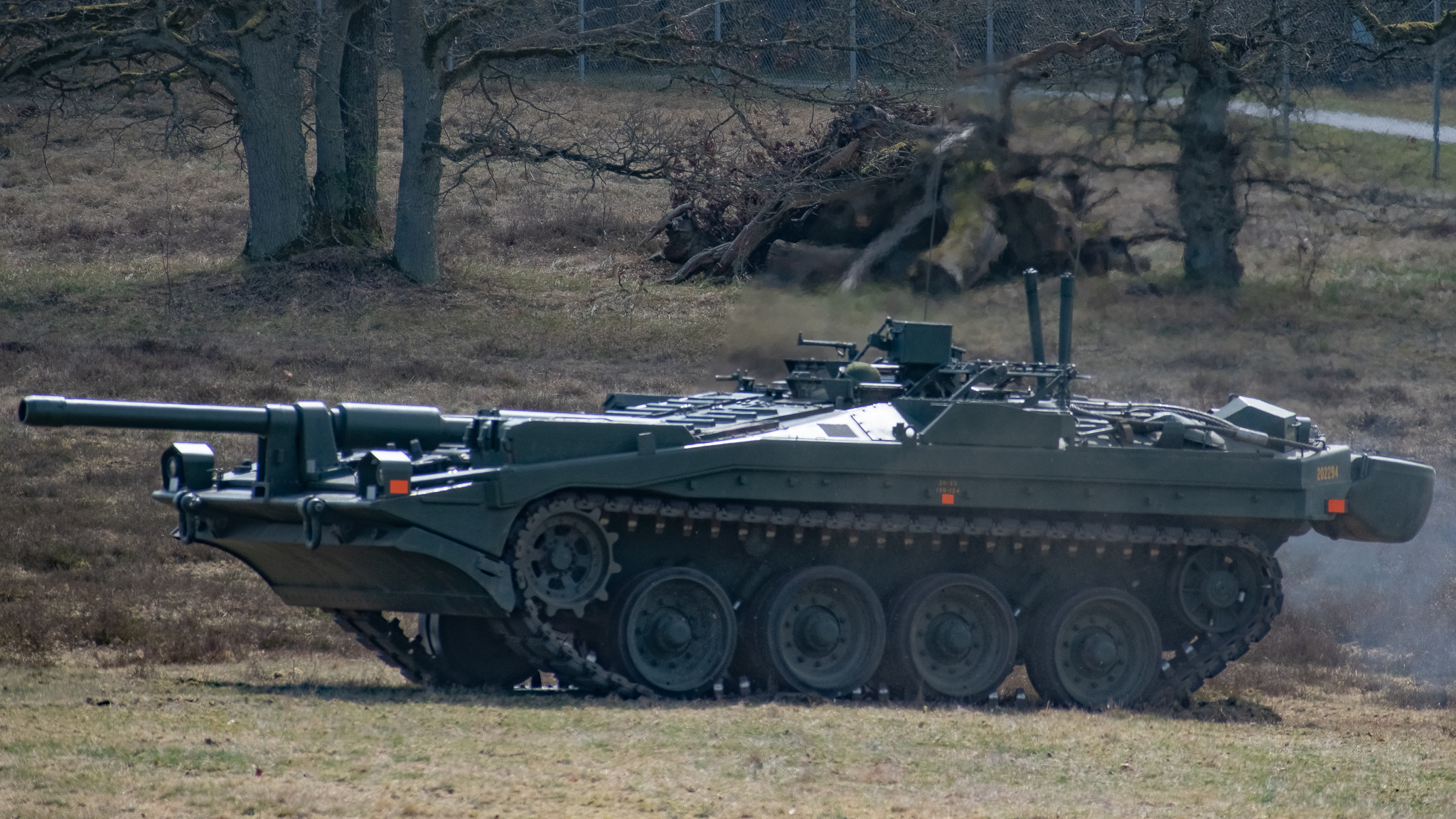
This System Was Extremely Advanced For Its Time And Allowed The Tank To Make Fine Aiming Adjustments Quickly. Military Tests Showed That The Strv 103 Could Fire With Great Precision Even On Uneven Or Partially Sloped Terrain.
Extremely Low Profile That Hinders Detection
The Absence Of A Turret Provided Another Significant Advantage: The Drastic Reduction Of The Vehicle’s Height. Conventional Tanks Have Relatively Tall Silhouettes Because Of The Turret And Rotation Systems, Making Them More Visible On The Battlefield.
The Stridsvagn 103 Was Designed With An Approximate Height Of 2.14 Meters, Making It One Of The Lowest Tanks Ever Produced. This Reduced Profile Allowed The Vehicle To Hide Behind Natural Obstacles Such As Hills, Rocks, Or Small Terrain Elevations.
This Feature Made The Tank Particularly Effective In Defensive Positions. By Positioning Itself Partially Hidden, The Strv 103 Could Expose Only The Heavily Armored Front While Firing At Enemy Forces.
Angled Frontal Armor To Increase Protection
The Structure Of The Strv 103 Was Also Designed To Maximize Crew Protection. As The Tank Has No Turret, All Armor Was Concentrated On The Hull, Especially At The Front Of The Vehicle, Which Faces The Enemy Directly In Combat.
The Frontal Armor Uses Highly Angled Plates, A Common Solution In Military Designs Because It Increases The Deflection Capacity Of Projectiles. When A Projectile Hits An Angled Surface, It Is More Likely To Ricochet Or Lose Energy Before Penetrating The Structure.
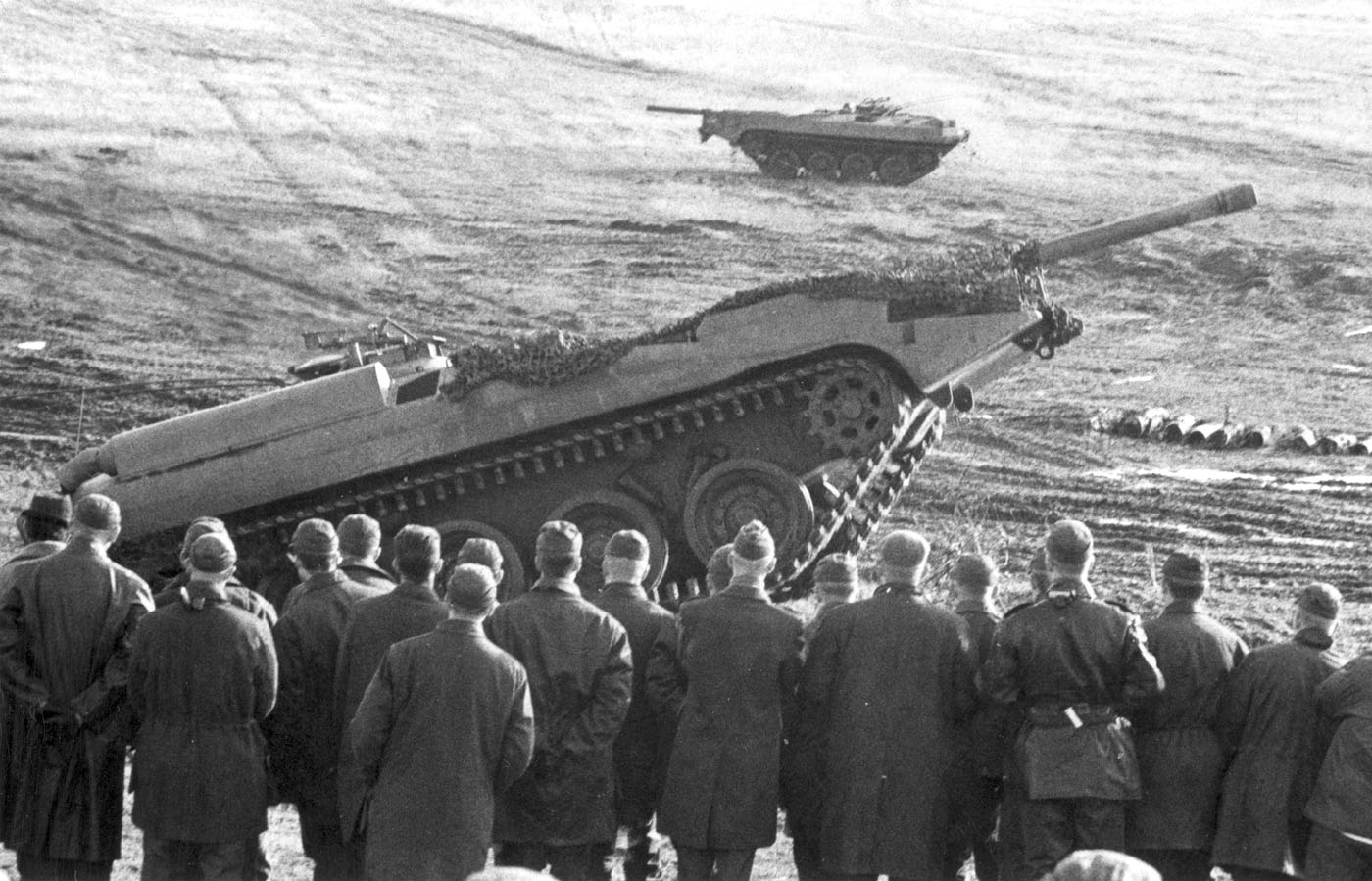
This Configuration Allowed The Strv 103 To Have Excellent Frontal Protection Even With Relatively Moderate Weight, Reinforcing The Defensive Philosophy Of The Project.
Uncommon Dual Driving System
Another Curious Detail Of The Stridsvagn 103 Is Its Dual Driving System. The Tank Was Designed So That Two Crew Members Could Drive The Vehicle, One Facing Forward And The Other Backward.
The Main Driver Was Positioned At The Front Of The Tank, While A Second Operator Occupied The Rear. This Second Crew Member Could Also Drive The Vehicle In Reverse With Full Control.
This Feature Allowed The Tank To Retreat Quickly After Firing, Without The Need To Turn The Vehicle. In Defensive Tactics, This Quick Withdrawal Capability Could Be Extremely Useful To Avoid Enemy Counterattacks.
Uncommon Hybrid Propulsion For A Tank
The Strv 103 Also Utilized A Relatively Uncommon Propulsion System. The Vehicle Combined Two Different Engines: A Diesel Engine For Normal Movement And A Gas Turbine To Provide Additional Power When Necessary.
This Combination Allowed The Tank To Have Good Mobility And Rapid Acceleration, Important For Tactical Maneuvers On The Battlefield.

Despite The Unconventional Design, The Vehicle Achieved Speeds Of Approximately 60 Km/h On The Road, Performance Comparable To Other Tanks Of The Same Era.
A Project That Marked The History Of Military Engineering
The Stridsvagn 103 Officially Entered Service In The Swedish Army In 1967, Remaining Operational For More Than Three Decades. During This Period, About 290 Units Were Produced, Becoming Sweden’s Main Battle Tank Until The 1990s.
Although No Other Country Adopted The Concept Of A Mass-Produced Tank Without A Turret, The Project Attracted The Attention Of Military Engineers Around The World. The Idea Of Reducing The Vehicle Profile And Maximizing Frontal Protection Influenced Subsequent Studies Of Armor And Combat Vehicle Design.
Today, The Strv 103 Remains One Of The Most Original Projects Ever Created In The History Of Armored Vehicles. By Completely Abandoning The Rotating Turret And Reinventing The Aiming System, Swedish Engineers Demonstrated That Even Concepts Considered Indispensable In Warfare Can Be Questioned And Reinvented Through Engineering.








Existe um S TANK , CARRO SUECO SEM TORRE NO MUSEU DO EN EM SAO CRISTOVAO
E para que a Suécia que fabricar tanques de guerra? Defender-se da ameaça russa? Ah, sim. Seria o certo se defender de outra ameaça real do outro lado do Atlântico. Faça, não, pra ver um coisa…
Você quer decidir pelos suecos? Está na pele deles para saber qual a maior ameaça? Estavam tão certos que hoje vemos a invasão da Ucrânia.
Pra mim isso não passa de um antitanque.