





 Portuguese
  English
  Spanish
  4 min of reading
  0 comments


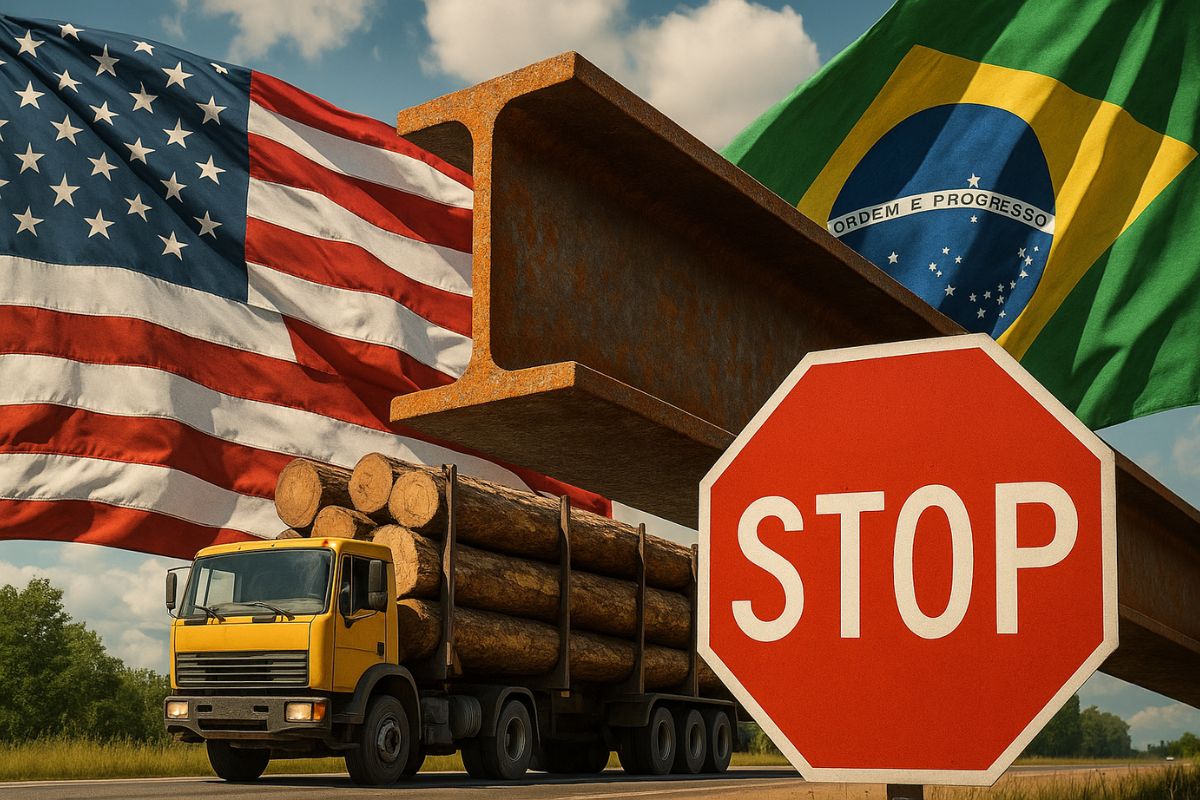
Vice President States That U.S. Tariffs Are Starting to Give Way, With Reductions on Brazilian Products and a New Round of Direct Negotiation Between the Governments of Lula and Trump
The U.S. tariffs are beginning to lose intensity after weeks of trade tensions between Brazil and the United States. Vice President Geraldo Alckmin confirmed on Saturday that the U.S. government has partially backed down on tariffs on Brazilian products, including wood, iron, and nickel, and emphasized that the recent meeting between Luiz Inácio Lula da Silva and Donald Trump in Washington opened a direct negotiation channel between the two presidents.
According to Alckmin, the gesture represents a concrete advance in curbing U.S. tariffs, which had threatened strategic sectors of the national economy. “If we add up the reductions already achieved, we’re talking about around US$ 1.7 billion in tariff relief, which means a much lower loss of competitiveness than expected,” stated the vice president, who also heads the Ministry of Development, Industry, Commerce and Services (MDIC).
Negotiations Reduced Impact on Brazilian Exports
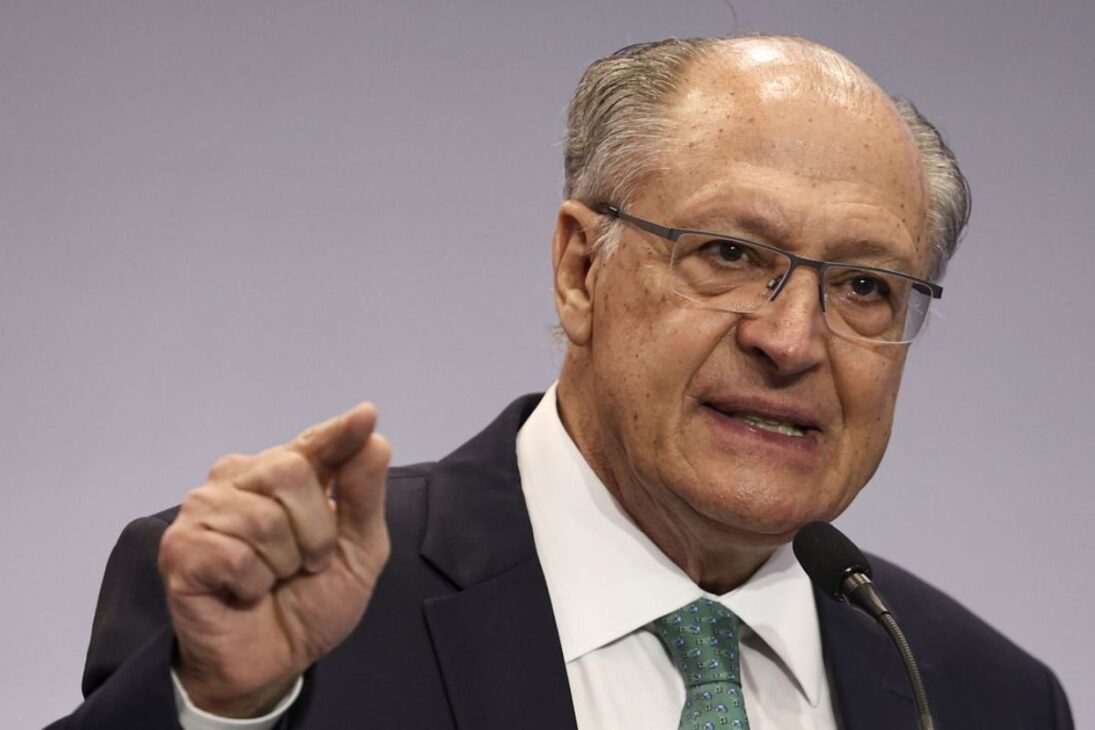
According to a report by O Globo, Alckmin reported that since the beginning of negotiations, the list of products affected by the tariffs has been significantly reduced.
-
Brazilian city bets on the business environment to generate jobs and attract investments in the energy sector — secretary reveals strategy at Macaé Energy 2026.

-
50 viaducts, 4 tunnels, 28 bridges, and 40 kilometers of bike paths: BR-262 in Espírito Santo will receive 8.6 billion reais for the largest engineering project in the state’s history, inspired by the Immigrant Highway in São Paulo.

-
Brazil produces too much clean energy and doesn’t know what to do with it: over 20% of solar and wind capacity was wasted in 2025 while investors flee and 509 renewable generation projects were abandoned in the last year.
-
Piauí will produce a new fuel that replaces diesel without needing to change anything in the truck’s engine and reduces pollutant gas emissions by half: truck drivers from all over the Northeast are already celebrating the news that will arrive later this decade.


When the tariffs were introduced, the U.S. had included pulp, iron, nickel, and herbicides among the penalized items.
After successive technical discussions, some of these products were removed from the list, and in the case of soft and sawn wood, the tariff was reduced from 12% to 10%.
For the vice president, the outcome demonstrates effectiveness in the economic diplomacy conducted by Lula. He emphasized that the dialogue with Washington has also been strengthened by the private sector, which participated in the negotiations to mitigate the effects of protective measures.
“The meeting between President Lula and President Trump was important. Things are moving forward, and our expectation is that new announcements will occur in the coming weeks,” he said.
During the event, Alckmin also joked about Trump’s saying that he had “good chemistry” with Lula at the UN General Assembly:
“I was a chemistry teacher, and chemistry is indeed a great solution.”
Brazil Uses Data Centers and Strategic Minerals as Negotiation Leverage
Among the topics under discussion, the Brazilian government seeks to exchange tariff reductions for cooperation in high-value-added sectors, such as strategic minerals, semiconductors, and data centers.
According to Alckmin, these assets reinforce Brazil’s role as a reliable supplier in global supply chains and can generate new productive investments in the country.
“Brazil has clean energy, technology, and mineral resources that interest the world. We are presenting this as part of our negotiation strategy with the U.S.,” explained the vice president.
The idea is to tie trade agreements to environmental and industrial commitments, bringing the country closer to decarbonization incentive policies that are also being debated in the U.S. government.
Sources from the MDIC confirm that the reduction of tariffs on iron and wood was treated as an initial gesture to avoid escalating tensions and open space for a wider trade agenda, which may include a sectoral agreement focused on green industry.
Domestic Support and Measures to Stimulate the Brazilian Economy
Alckmin took the opportunity to highlight the role of domestic fiscal policy in restoring consumption and compensating for any external impacts.
He cited the Income Tax reform, which expanded the exemption range and, according to him, should generate an immediate effect on the population’s purchasing power.
“With the income tax changes, families will have more disposable income, which strengthens the domestic market and helps balance our trade balance,” he stated.
The vice president also participated in an event in Brasília with the Minister of Transport, Renan Filho, focused on the Sustainable Car initiative.
At the meeting, both advocated for de-bureaucratization projects in the automotive sector, including the proposal that reduces the cost of obtaining a National Driver’s License (CNH). “A license cannot cost R$ 4,000.
This measure will ease the lives of those working in transportation and fuel the economy,” he added.
Between Diplomacy and Domestic Politics
The U.S. gesture is seen as a partial diplomatic victory for the Brazilian government, which has been facing pressure from commodity exporters.
Sources close to Itamaraty state that the direct dialogue between Lula and Trump could be crucial to contain new tariffs and consolidate a long-term bilateral agenda.
For Brazil, the challenge now will be to ensure that the initial concessions turn into a stable agreement, without setbacks in future revisions.
The industrial sector, in turn, demands predictability in negotiations to avoid price fluctuations and loss of competitiveness against Asian competitors.
The partial retreat on the U.S. tariffs is interpreted as a strategic truce, but not the end of trade disputes between Brazil and the United States.
The new phase of dialogue opens space for more balanced bilateral agreements, especially in clean energy, technology, and industrial input exports.
Do you believe that the U.S. retreat represents a lasting truce or just a temporary gesture? Leave your opinion in the comments; we want to hear from those closely following the impacts of international trade on the Brazilian economy.






Seja o primeiro a reagir!