





 Português
  Inglês
  Espanhol
  3 min de leitura
  0 comentários


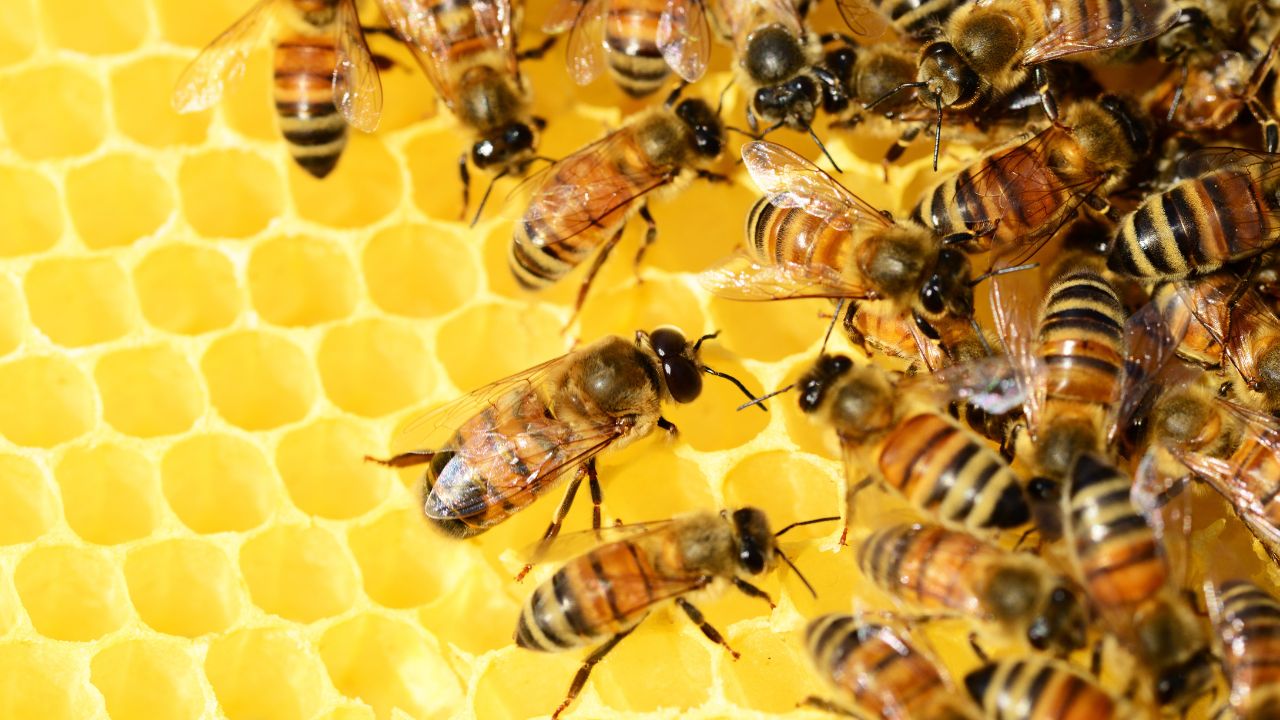
The 50% Tariff Announced By Trump Affects The Export Of Organic Honey From Piauí, Impacting Producers And The International Market!
The announcement of the “tariff” of 50% on Brazilian products made by U.S. President Donald Trump is bringing direct consequences for organic honey producers in Brazil, especially in Piauí.
The Central Cooperative of Beekeepers from the Brazilian Semi-Arid (Casa Apis) reported the cancellation of a purchase of 95 tons of organic honey destined for the U.S., due to fears that the product would arrive in the North American country already subject to the tariff.
With the measure coming into effect on August 1st, beekeepers are facing an uncertain scenario, harming both producers and consumers.
-
Middle East War Hits Fertilizers and Transportation and May Strain Brazilian Wallets
-
Russia Considers Suspending Gas to Europe After Surge in Energy Prices

-
How A War Thousands of Miles From Brazil Started Disrupting Global Shipping Routes, Raising Container Costs, and Putting Up to 40% of Brazilian Beef Exports at Risk
-
Iran-U.S. War Drives Up Oil Prices and Pressures Global Financial Markets


Brazil, internationally recognized for the quality of its organic honey, is the largest exporter of this type of product, with a particular emphasis on the Northeast, especially the state of Piauí.
In 2024, Piauí was the Brazilian state that exported the most honey to the United States, a country that consumes about 80% of all Brazilian production.
The Central Cooperative of Beekeepers from the Brazilian Semi-Arid (Casa Apis), which operates in Piauí, has been one of the main responsible parties for this export.
However, the imposition of a 50% tariff on Brazilian products, especially honey, announced by Trump, has generated significant uncertainties for beekeepers.
Sitônio Dantas, president of Casa Apis, reported that last week one of their North American clients decided to cancel an order for 95 tons of organic honey produced in southern Piauí.
The decision was motivated by the fear that the product would arrive in the United States already under the tariff, set to begin on August 1st.
“Unfortunately, we were caught by surprise with the cancellation. The relationship with that client is long-standing, and we are trying to negotiate to ensure that the shipments already at the Port of Pecém are maintained,” explained Sitônio, highlighting the logistical and financial challenges faced by local producers.
The load of organic honey was already in the dispatch process at the Port of Pecém in São Gonçalo do Amarante (CE), but the threat of increased costs due to the tariff made the North American client withdraw from the purchase.
For the beekeepers in Piauí, who face high transportation and logistics costs, the situation is even more difficult.
The Impact On The Honey Market And International Trade
The honey produced in Brazil, especially in the Northeast, has stood out in the international market for its quality and sustainable production practices.
In addition, Brazil is the largest producer and exporter of organic honey in the world, with a strong presence in the United States, which represents one of the largest consumer markets for this product.
With the imposition of the 50% tariff, many North American buyers fear that the final cost of Brazilian honey will become prohibitive, which could affect both demand and the price of the product in the market.
This has caused a direct impact on the local economy of Brazilian beekeepers, who depend on exports to ensure the profitability of their productions.
Casa Apis, which has already delivered about a thousand tons of honey so far, aimed to export the same amount by the end of 2025.
However, with the entry into force of the tariff, the cooperative is reassessing its projections and seeking alternatives to minimize the impact of the tariff on its exports.
“It will be a huge challenge for us, as we are small producers who depend on the international market. And for American consumers, it will also be difficult to find quality honey, as Brazilian products have always been well received,” said Sitônio Dantas.










Seja o primeiro a reagir!