





 Portuguese
  English
  Spanish
  5 min of reading
  0 comments


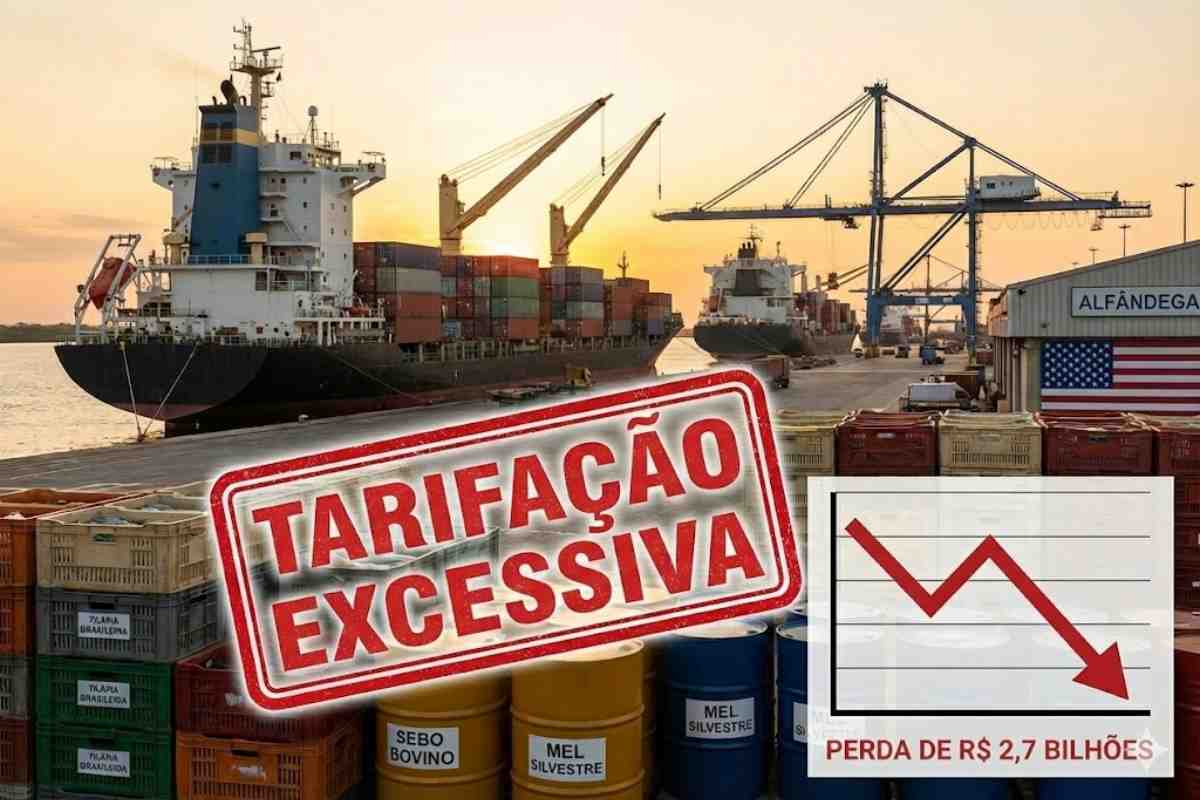
With 45% of the Export Value in 2024 Still Under the 40% Tariff, Sectors Such as Tilapia, Beef Tallow, Honey, Instant Coffee, and Grapes Face the Risk of Losing Market Share in the US and a Projected Loss of US$ 2.7 Billion for Brazilian Agribusiness Next Year if Extra Tariffs Continue to Apply.
In a press conference this Tuesday (9th), the International Relations Director of CNA, Sueme Mori, stated that Trump’s tariff keeps 45% of the value that Brazilian agribusiness exported to the United States in 2024 under a 40% surcharge, even after decisions made in April, July, and November to relieve some tariffs on certain products.
According to the entity’s calculations, if the situation does not change, the sector may incur losses of US$ 2.7 billion as soon as next year, directly impacting supply chains that are highly dependent on the American market, such as tilapia, beef tallow, honey, instant coffee, and grapes, which remain under additional taxation.
Nearly Half of Agribusiness Exports Remain Under the Tariff
According to CNA’s figures, nearly half of what Brazilian agribusiness sold to the United States in 2024 remains subject to the tariff and paying a 40% surcharge.
-
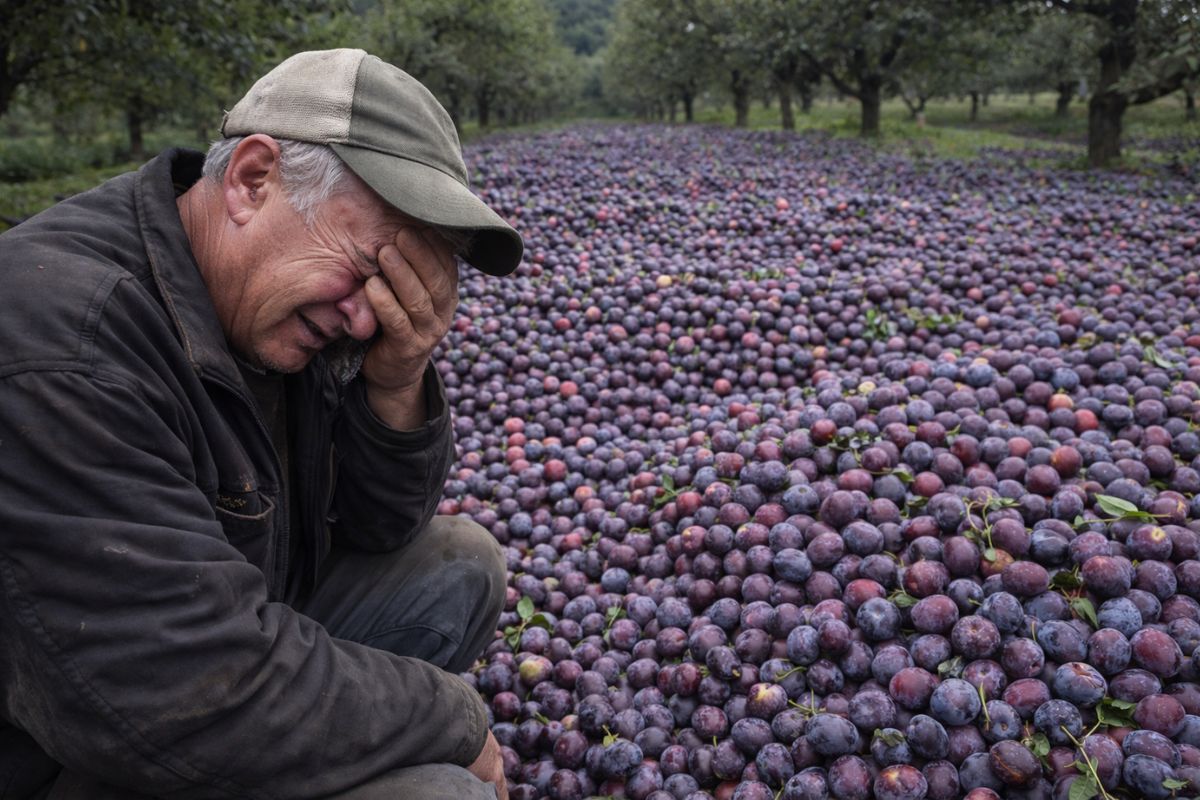
A rural producer from Urubici cries as he shows 50 tons of plums thrown on the ground because no one wanted to buy them, and in desperation, he records a video asking anyone to come to the property to pick the fruits before they rot.
-
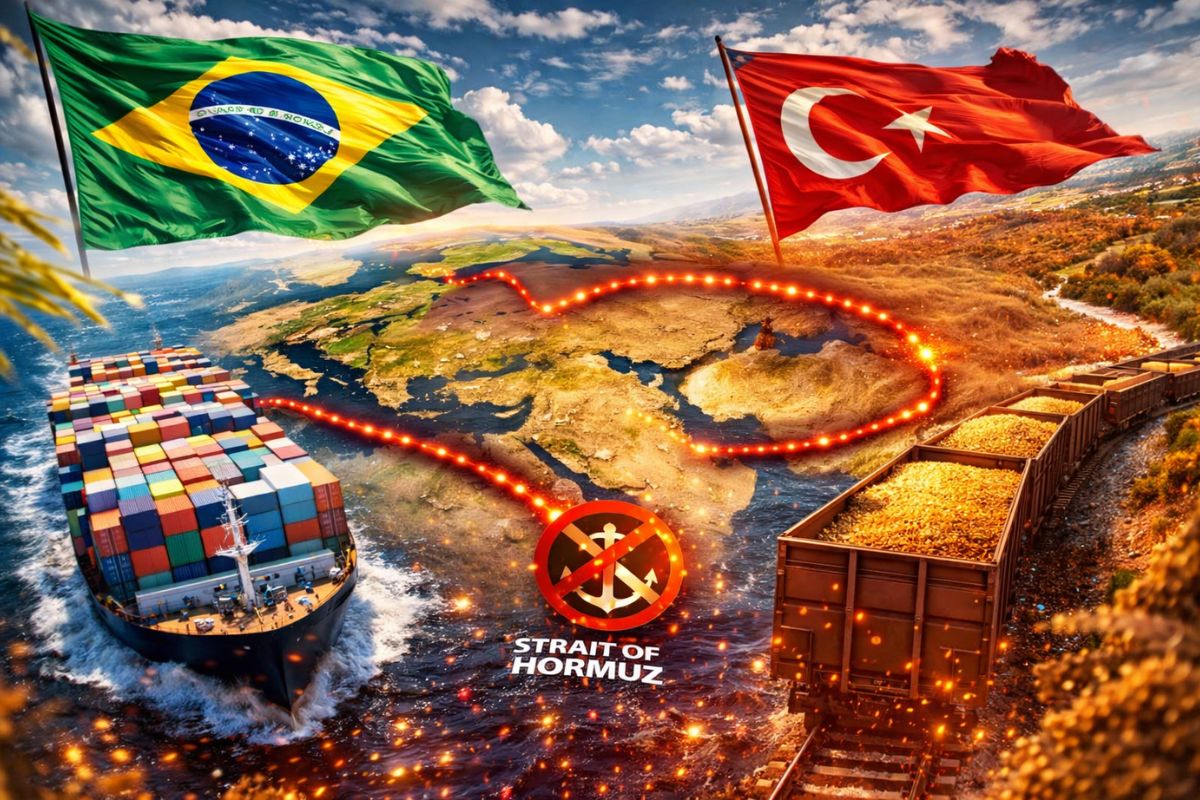
Unable to pass through Hormuz, Brazil activated a plan B that uses Turkey as a gateway to the Middle East: the route through Gibraltar and the Mediterranean is longer and more expensive but ensures that chicken, beef, and corn continue to reach Arab markets.
-
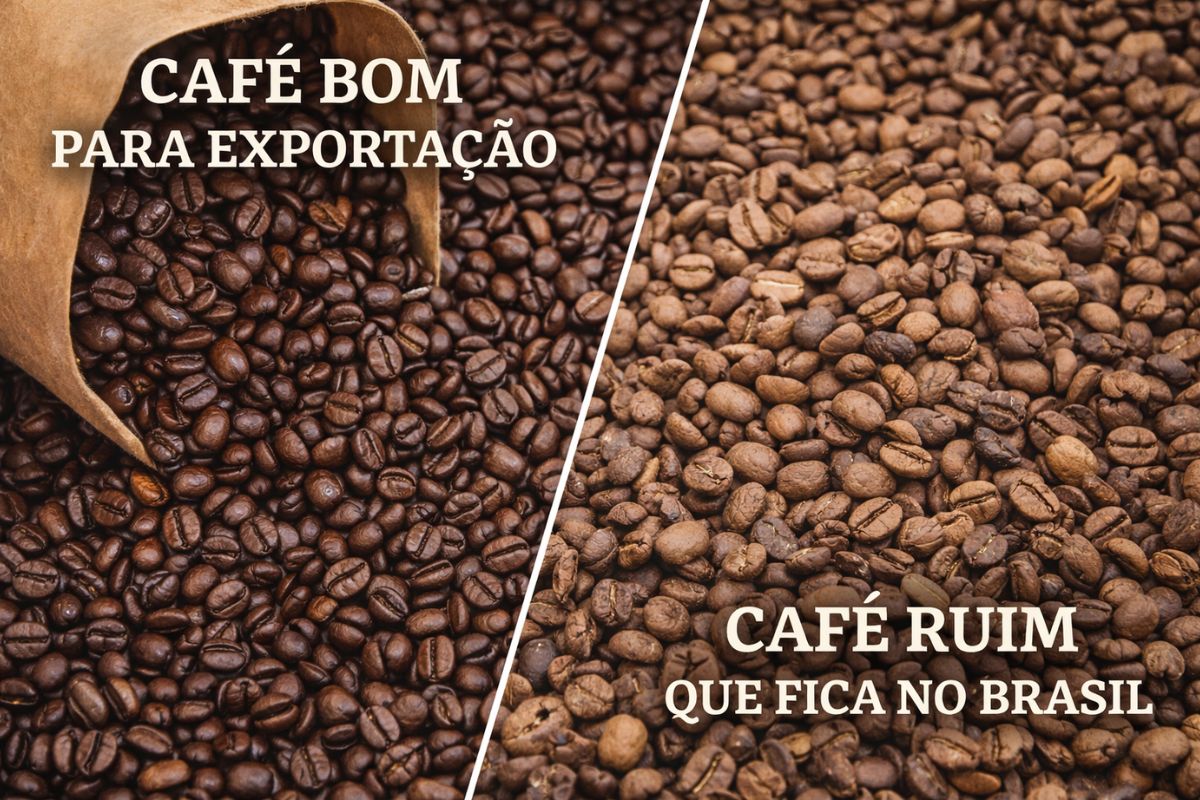
You grew up hearing that the good coffee from Brazil goes all abroad and the bad coffee stays for Brazilians, but this story has completely changed, and the numbers show that in the 1980s, thirty percent of the coffee sold here was adulterated with corn and barley.
-
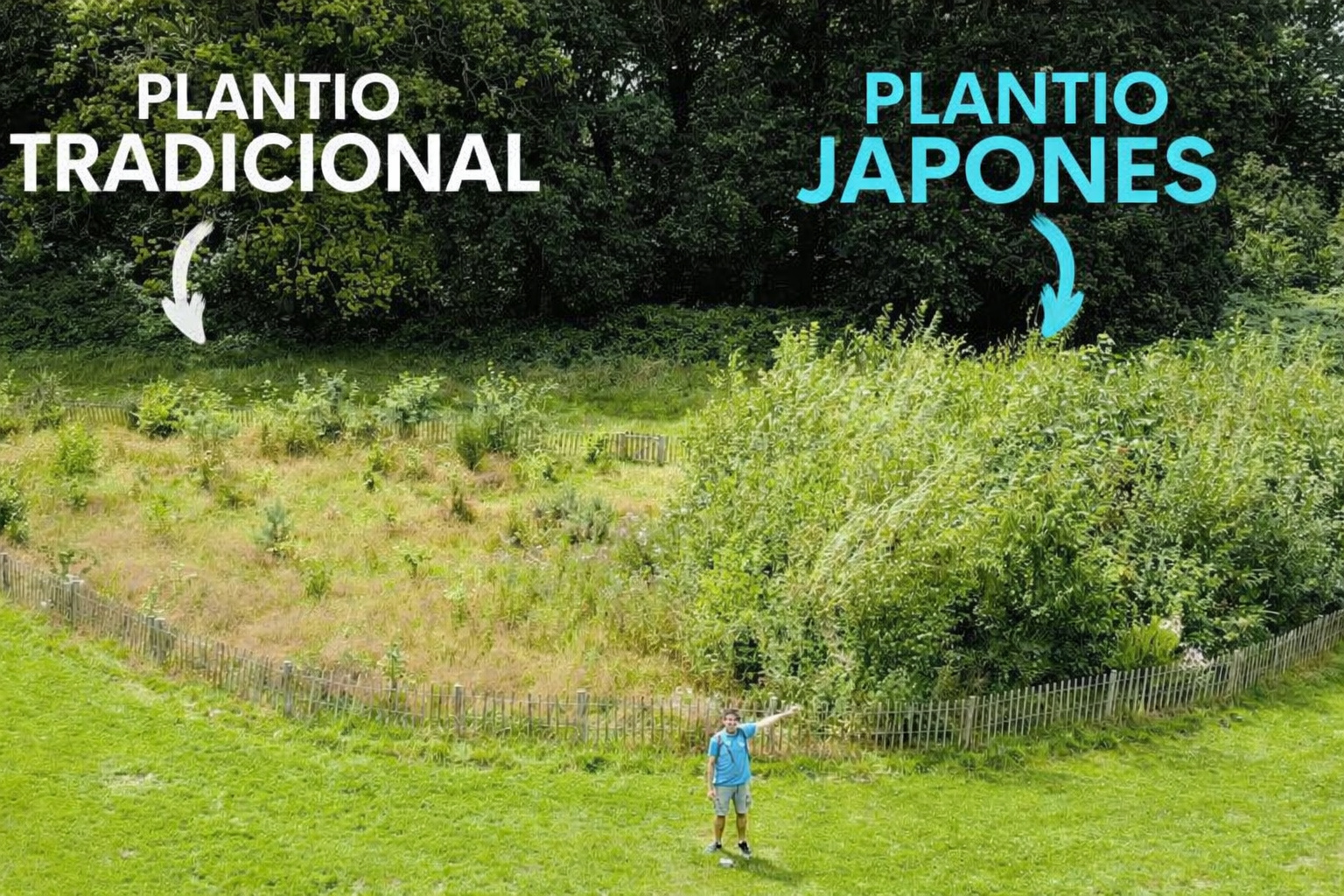
Engineer creates reforestation method that transforms small plots into dense forests in a few years using local biomass and can reduce environmental recovery costs.

The products that have not yet been included in the exemption lists comprise 45% of the export value, which explains the sector’s concern regarding next year’s sales performance.
Sueme Mori highlighted that the announcements made by the White House throughout 2024 have alleviated some pressure, but have not eliminated it.
In April, Trump announced a reciprocal tariff of 10% on about 200 food products from various countries, including Brazil, a measure that was only reversed in November.
In July, the American president imposed a new 40% surcharge on various Brazilian products, and four months later suspended the taxation for over 200 goods.
Significant items were left out of this truce, which keeps the tariff as a source of uncertainty for Brazilian agribusiness.
Although coffee beans and beef have been removed from the surcharge lists, substantial parts of the export portfolio remain exposed to additional tariffs.
Tilapia, Beef Tallow, and Honey Are Strongly Dependent on the United States
CNA’s data reveals that the tariff has a greater impact on chains where the American market is practically irreplaceable in the short term.
Last year, 97.4% of tilapia exports were destined for the United States. In the case of beef tallow, the rate was 93.6%, and for honey, it was 78.2%.
This concentration makes any change in tariffs or demand in Washington a decisive factor for Brazilian meatpackers, industries, and producers.
If the 40% surcharge is maintained, the sector fears a reduction in shipped volumes, downward renegotiation of contracts, and compression of margins, with more severe effects on small and medium-sized suppliers in these chains.
The concern is that American buyers may anticipate adjustments, reducing orders or seeking other suppliers, which could result in increased inventories in Brazil, falling internal prices, and pressure on the entire production chain of tilapia, beef tallow, and honey.
Instant Coffee Remains Under Pressure and Fears Loss of Shelf Space
In coffee, the situation is mixed. While coffee beans have been removed from the tariff list, Brazilian instant coffee remains subject to an additional 40% surcharge.
In an interview in November, the Executive Director of the Brazilian Association of Instant Coffee Industry (Abics), Aguinaldo Lima, reminded that the national product has always had a strong presence on supermarket shelves in the United States.
Last year, 38% of all instant coffee imported by Americans came from Brazil, and sales to the US represented 10% of the entire Brazilian industry’s exports of the product.
According to Lima, American partners are still “burning through remaining stocks” in the hope that the tariff will drop, but as this margin diminishes, the risk of replacement by coffee growers from countries like Mexico, Colombia, Vietnam, and European producers increases.
For the industry, the fear is that if the tariff is not reversed in time, new deals made with these competitors could establish a structural change on the shelves, making it difficult to recover lost space, even if Trump’s tariff is lifted in the future.
Grapes Relocated to Other Markets but with Less Negotiating Power
Brazilian grapes have also been excluded from the exceptions and remain under the tariff, in an even more challenging scenario.
The United States is a large producer of the fruit and is expecting a bumper crop, in addition to importing significant volumes from Chile and Peru, which further reduces the space for Brazilian grapes in the American market.
Despite the exception list published by the White House including the category “fresh fruits,” grapes were not included, according to Abrafrutas, following consultation with the embassy.
In light of this, explained the Executive Director of the entity, Eduardo Brandão, the bunches that were redirected from going to the United States were moved to countries in Europe and South America, avoiding an excess supply only in the domestic market.
However, the problem lies in the price. With less demand and greater urgency to finalize new contracts, the negotiating power of Brazilian grape exporters has decreased, leading the sector to accept lower prices, reducing the profitability of the chain even with the relocation of volumes to other destinations.
Agribusiness Pressure for Predictability and End of the Tariff
From CNA’s perspective, the lack of predictability regarding the duration of the tariff and which products may still be released in future decisions in Washington is currently the main factor of insecurity for Brazilian agribusiness.
Without a clearer outlook, companies and producers find it difficult to plan planting, investments, and contracts aimed at the US market for the upcoming cycles.
The calculation of a loss of US$ 2.7 billion is based on a scenario where the 40% surcharges remain in effect and where some US buyers permanently shift to alternative suppliers.
Each additional month of the tariff consolidates these competitors and makes it harder to regain space, even if the tariff is dismantled later on.
In light of this situation, the sector is discussing two fronts: intensifying diplomatic pressure to fully reverse Trump’s tariff on agribusiness products and, at the same time, accelerating the opening and deepening of new markets in other regions, to reduce Brazil’s dependence on purchases from the United States.
In your opinion, should Brazil prioritize diplomatic pressure to lift the tariff or invest more in diversifying destinations to protect Brazilian agribusiness in the coming years?








-

-

3 pessoas reagiram a isso.