





 Portuguese
  English
  Spanish
  4 min of reading
  0 comments


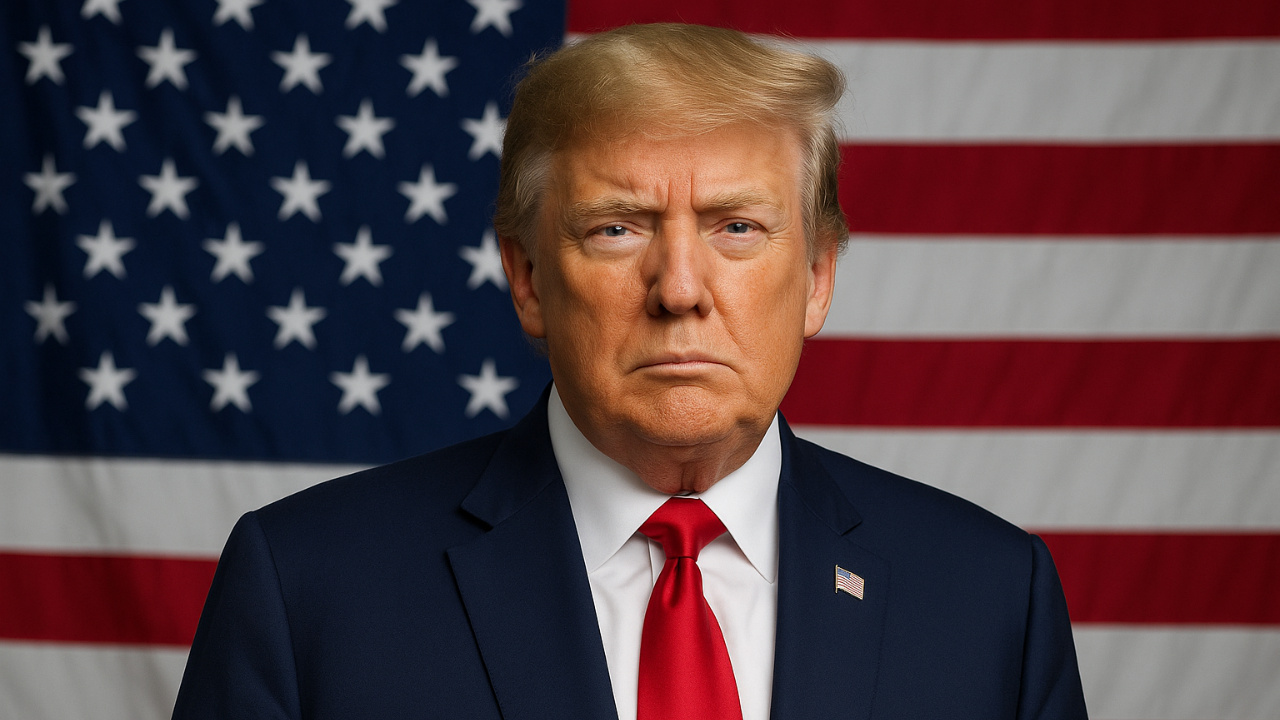
The United States Increases Pressure on the G7 to Impose Tariffs of Up to 100% on China and India for Buying Russian Oil, as Well as Proposing the Use of Frozen Assets from Moscow to Finance Ukraine.
The United States government intensified its pressure on G7 allies on Friday, September 12, 2025, to expand sanctions on Russian oil. President Donald Trump stated that his patience with Vladimir Putin is “running out quickly” and promised significant impacts on the Russian economy.
In an interview with Fox News, Trump stated: “It’s going to be a very strong impact, with sanctions against banks and also related to oil and tariffs”. The Republican’s statement reinforces the White House’s readiness to adopt secondary measures that indirectly affect countries maintaining energy trade ties with Moscow.
US Proposal: Tariffs of Up to 100% Against China and India
According to information from Bloomberg, the United States intends to propose to the G7 secondary tariffs that could range from 50% to 100% on Russian oil purchases made by China and India. The aim would be to reduce Moscow’s profit margin and pressure the Kremlin to accept peace negotiations.
-
Lula reveals a masterstroke by Petrobras to undo a deal made by Bolsonaro, which involves the return of an important refinery that currently produces less than half of what was expected and makes Brazil dependent on international diesel.
-
A study confirms that the natural gas sector will reduce greenhouse gas emissions in Brazil by 0.5% and accelerate the energy transition by 2026.

-
Petrobras implements a severe adjustment and confirms a 55% increase in the price of aviation kerosene with a proposal for installment payments for the companies.

-
The rise in oil prices could ensure an extra revenue of R$ 100 billion for the Federal Government, indicates a recent economic study.


In addition to the tariffs, Washington is also suggesting the creation of a legal pathway to seize frozen Russian sovereign assets. It is estimated that about US$ 300 billion are blocked, most of it in Europe. These funds could be redirected to finance Ukraine’s defense, which is still under intense Russian bombardment.
Europe Divides Opinions on Tightening Sanctions
The European Union, however, does not have consensus on the American initiative. Countries like Hungary have already blocked previous proposals that anticipated tougher sanctions against the Russian energy sector. Since these measures require unanimous approval, there is a risk of stalling negotiations.
Despite this, the President of the European Commission, Kaja Kallas, recently announced the extension of existing sanctions against Moscow and confirmed that new measures are under consideration, including additional restrictions on oil and the Russian banking system.
Canada, which currently presides over the G7, has called an extraordinary meeting of the group’s finance ministers. According to an official statement, the goal is to “discuss additional measures to increase pressure on Russia and limit its war machine.”
Senior US officials had already been holding parallel talks with European counterparts to explore the possibility of gradually using frozen Moscow assets. For now, the profits generated by these resources are being used to provide loans to Ukraine.
Immediate Impact on the Oil Market and the Exchange Rate
The mere disclosure of the American proposal has already caused ripples in the market. Brent oil futures contracts increased gains, reaching new highs during the session. The euro, in turn, fell to US$ 1.1703 at the start of trading in New York, reflecting risk aversion and exchange pressure due to the possibility of more aggressive sanctions.
It is worth emphasizing that Trump had already set a deadline for Vladimir Putin to meet with Ukrainian President Volodymyr Zelenskiy, but there was no progress. Instead, Moscow intensified its airstrike campaign against Ukrainian cities.
In response, Russian officials declared that peace negotiations are “on pause,” which increases uncertainty about the effectiveness of international pressure. Still, Trump insists that if Europe adopts tariffs on China and India, the US is willing to mirror those measures.
New Targets: Shadow Fleet, Regional Banks, and Technology
The American proposal to the G7 also includes sanctions against the so-called Russian shadow fleet of oil tankers, companies that facilitate the transport of Russian energy outside official channels. Additionally, Washington aims to expand restrictions against the state-owned Rosneft PJSC, regional banks, and services related to artificial intelligence and financial technology in Russia’s Special Economic Zones.
Another avenue discussed is the prohibition of maritime insurance linked to ships transporting Russian oil, which would further complicate the country’s export logistics.
As the United States escalates its rhetoric, the European Union is already working on its 19th sanctions package, which is expected to target more Russian banks and broaden the crackdown on oil trade. The impasse, however, persists: without political alignment among all members, the measures may lose strength.
Even so, the movement demonstrates that oil remains at the center of the global geopolitical and economic dispute. With each announcement of new restrictions, expectations grow regarding the direction of the war and the implications for the international energy market.







Seja o primeiro a reagir!