





 Portuguese
  English
  Spanish
  3 min of reading


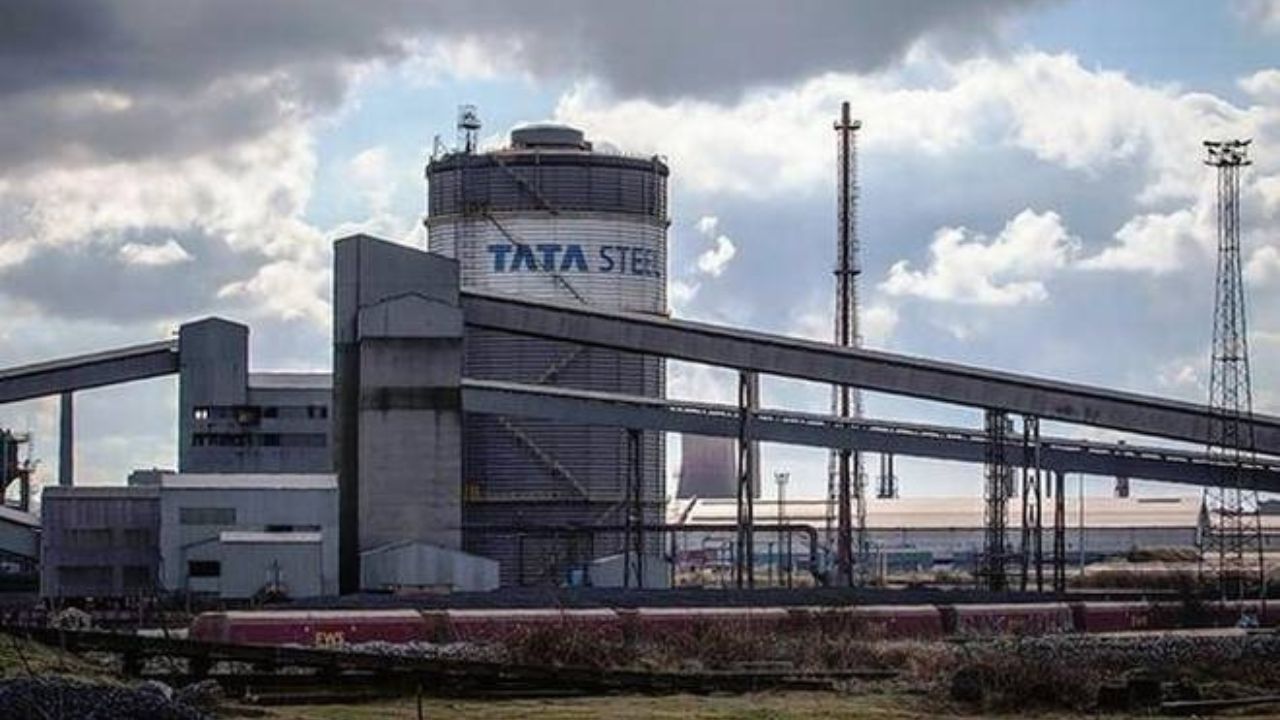
Tata Steel, An Indian Steel Giant, Recently Announced a Pioneering Test Being Conducted at Its Jamshedpur Works Facility.
Basically, they are injecting large volumes of hydrogen gas into a blast furnace continuously, in order to assess the effectiveness of this practice. The test is taking place in the context of Tata Steel’s initiatives to reduce coke consumption and decrease carbon dioxide emissions. If such initiatives succeed, coke rates could reduce by up to 10%, which would lead to a 7 to 10% reduction in CO2 emissions per ton of crude steel produced.
The Potential of Hydrogen Gas in Steel Production
This pioneering effort aligns with the environmental goals that Tata Steel has set for itself, in order to become an industry leader in sustainability and achieve the Net Zero target by 2045. In this regard, the company is extensively exploring the possibilities offered by hydrogen gas, which is a viable alternative to renewable energy sources that are still under development for steel production.
Alternatives for Green Steel Production
Steelmaking is one of the industries where emissions and the use of fossil fuels are difficult to reduce. For this reason, green steel production is an increasingly important initiative to reduce greenhouse gas emissions. Additionally, industry participants have set ambitious targets to reduce their emissions and are trying to find alternative ways to produce steel without relying on fossil fuels.
-
Lack of workers and an aging population: Japan bets on AI robots in factories, logistics, and infrastructure to keep the economy and essential services active.

-
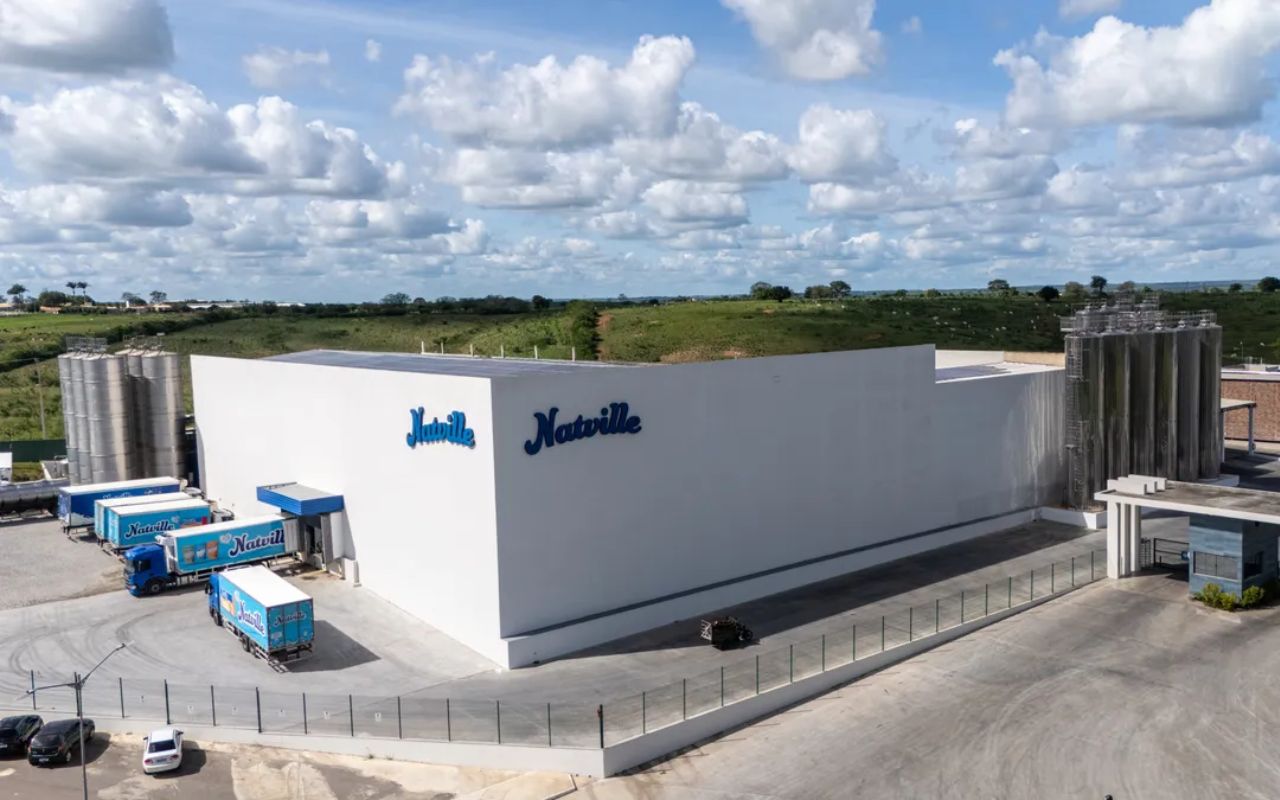
Natville puts R$ 700 million on the table for new factories in the Northeast, generating jobs and boosting the local economy.
-
With 74% of companies facing difficulties in hiring, technicians and engineers in renewable energy are becoming scarce in Brazil and are essential to support the expansion of solar, wind, and green hydrogen projects.

-
Historic bankruptcy of Centauro shocks the market, and the century-old company puts more than 500,000 products, machines, and complete infrastructure up for online auction.

The Swedish company H2 Green Steel was founded in 2020 with the ambition to accelerate the decarbonization of the steel industry using green hydrogen. Its founder and largest shareholder is Vargas, who is also a co-founder of the Swedish battery manufacturer Northvolt. H2 Green Steel is developing its first green steel plant in Boden, northern Sweden.
The plant is expected to produce five million tons of green steel – made with clean energy – by 2030. The green steel production in Boden will be powered by one of the largest green hydrogen plants in the world, operating with renewable electricity. Instead of emitting large amounts of CO2, as in traditional steelmaking processes, the main emission will be water.
Efforts to Achieve Long-Term Sustainability in the Steel Production Industry
In summary, it is important to highlight the efforts being made in the steel production industry to reduce harmful gas emissions and achieve long-term sustainability. The hydrogen usage test is an innovation that can transform the way steelmaking is produced, ensuring significant reductions in greenhouse gas emissions and contributing to achieving Net Zero targets.
In this regard, it is essential that other companies and industries also follow the example of Tata Steel and H2 Green Steel, seeking ways to produce steel more sustainably and reducing harmful gas emissions for the environment.







Seja o primeiro a reagir!