





 Portuguese
  English
  Spanish
  4 min of reading
  0 comments


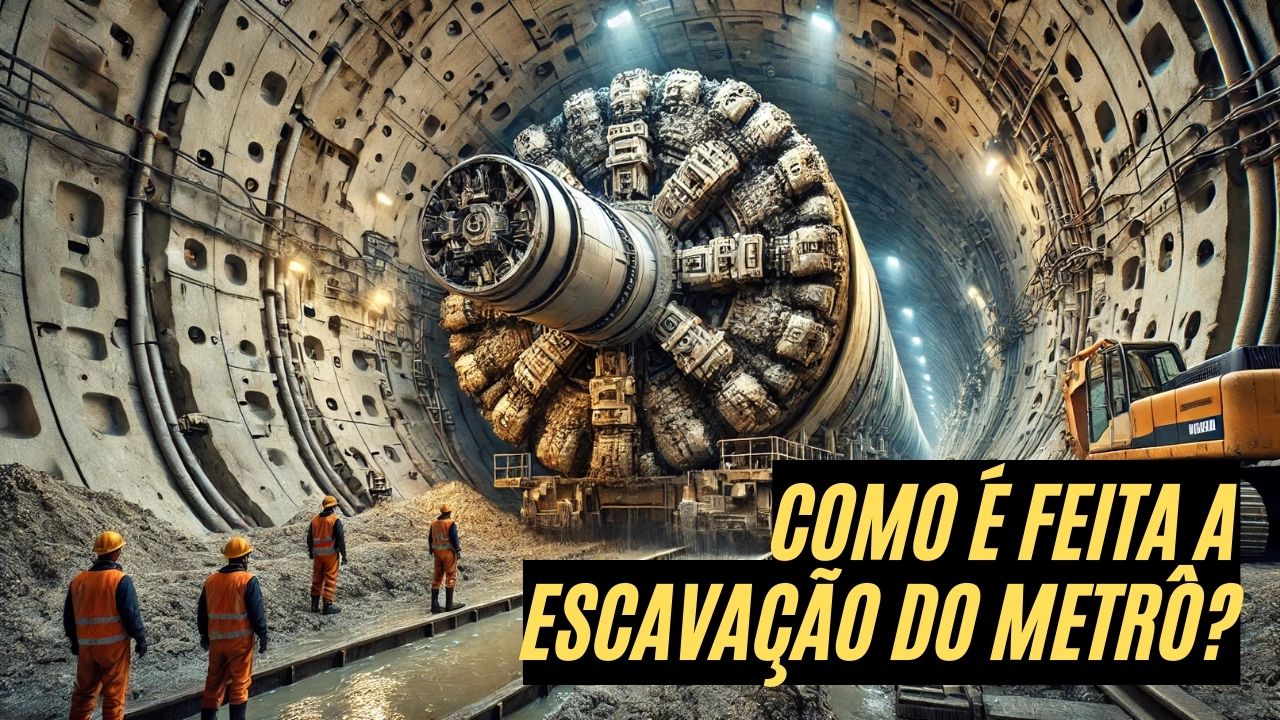
Metro Excavation Is A Monumental Task, Involving Cutting-Edge Technology And A Specialized Team To Operate The Large Underground Machines. To Better Understand This Process, Iberê Thenório, From Manual do Mundo, Visited The Construction Sites Of The New Orange Line Of The São Paulo Metro, Which Will Connect Brasilândia In The North Zone To The São Joaquim Station Near The City Center. During The Tour, He Showed How The “Tatuzão” Advances Underground, Creating The Tunnel That Will House The Metro Line, Along With The Numerous Safety And Support Operations That Ensure The Progress Of The Work.
The visit begins at a shaft located near the Pacaembu Stadium, where the future FAAP Pacaembu station will be installed. This shaft will serve as an emergency exit and ventilation system, but is currently the access point for workers and equipment. From the surface to the tunnel, it is necessary to descend by elevator to the level where the metro excavation takes place. The tunnel structure has a diameter of 10 meters and is already partially ready, taking visitors to the Renópolis McKenzie station, where there will be integration with Line 4-Yellow.
Tatuzão In Action: Technology And Precision Underground For Metro Excavation
The “Tatuzão”, technically known as Tunnel Boring Machine (TBM), is the machine responsible for metro excavation. With an impressive length of 109 meters and a height that adapts to the diameter of the tunnel, the Tatuzão operates continuously, being a true “factory in motion“.
It has 20 professionals on each shift, working 24 hours a day. Inside, there is space for technical support, a medical room, a cafeteria, and even a refuge chamber, capable of accommodating 26 people for up to two hours in emergencies, such as collapses or fires.
-
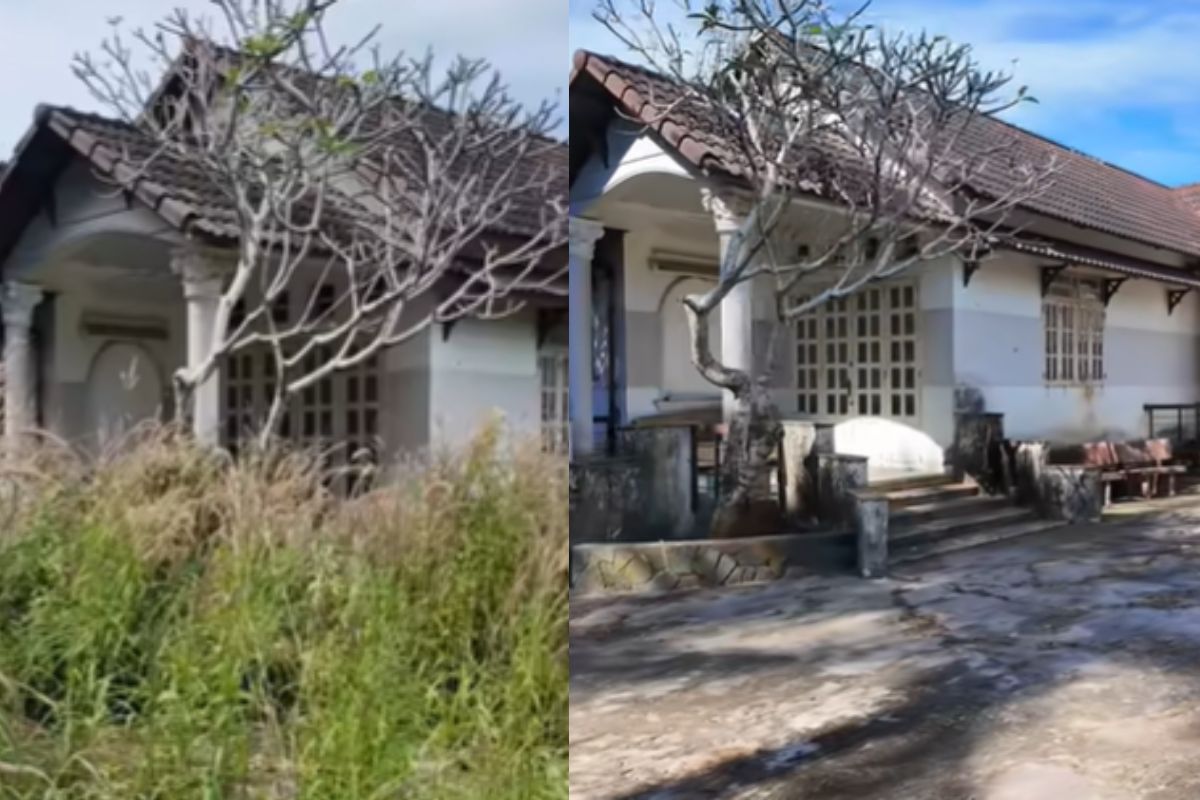
Abandoned house for 15 years disappears in the woods, shocks owner with unrecognizable scenery and is reborn in an intense transformation after almost 90 hours of work in just 10 days.
-
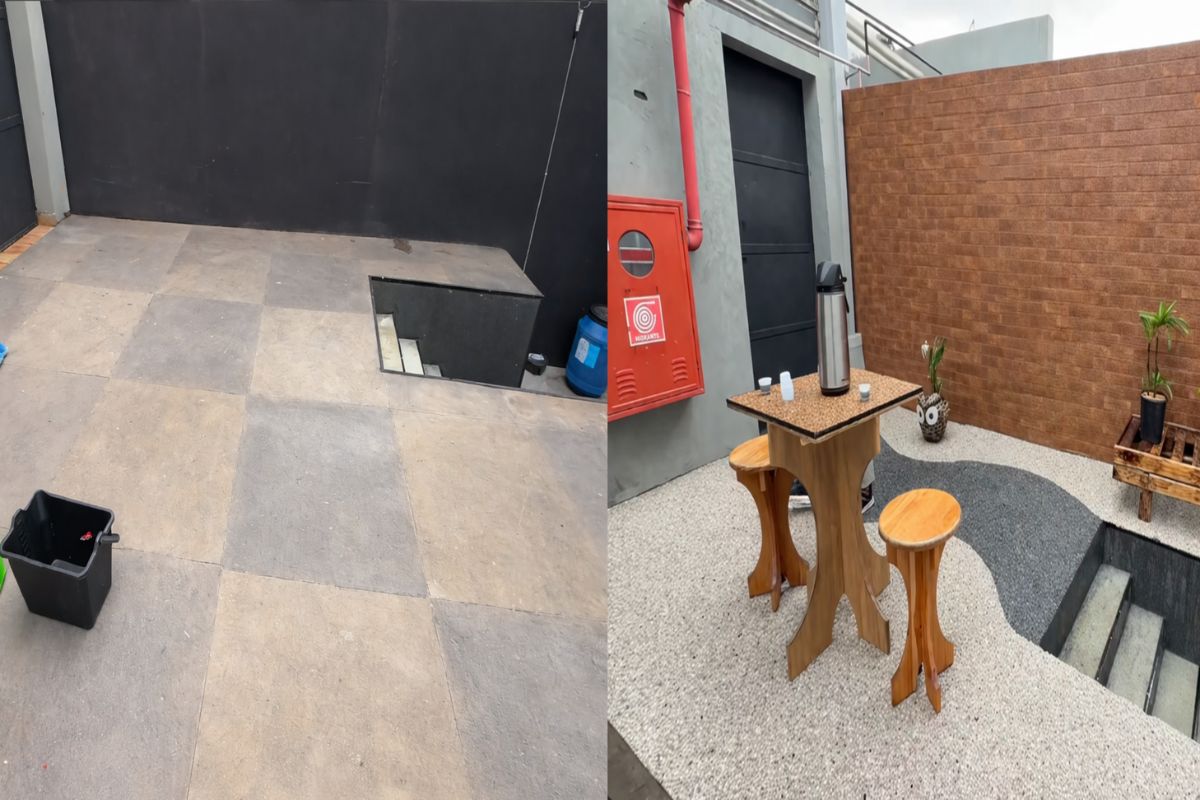
In just three hours, a natural stone floor transforms the entrance of the house with an organic effect, immediate drainage, and a sophisticated non-slip finish that doesn’t puddle water, dries quickly, and impresses with the final result.
-
‘Interlocking brick’ made of earth arrives in the construction industry with cost reductions of up to 40% on the project.

-
Espírito Santo will receive the largest engineering project in its history with the duplication of BR 262, which will have 50 viaducts, 28 bridges, and 2-kilometer tunnels cutting through the most challenging mountainous region of the entire state.


How The Tatuzão Digs The Tunnel
At the front of the machine, a giant drill, similar to a rotating grater, cuts and removes the earth for metro excavation. This process is aided by a special foam that cools and homogenizes the material, making it easier to remove. The excavated material is then transported out by a conveyor belt.
The advancement control is meticulous, with the pilot of the Tatuzão regulating pressure, speed, and direction, monitoring what happens inside and outside the tunnel. For every meter advanced, the structure requires a combination of power and precision.
Wall Assembly: The Structural Reinforcement Of The Tunnel
To ensure the tunnel’s stability, the Tatuzão installs concrete slabs, called segments, that form the reinforcement rings. For each excavated section, the machine fits these slabs, which already come with seals to prevent water entry.
At the end of each section, a layer of concrete is applied between the tunnel and the slabs to fill empty spaces. These segments are manufactured in São Paulo and transported to the construction site, where they are taken underground and positioned as the Tatuzão advances. With the capacity to install about 15 concrete rings per day, the tunnel construction follows an intense pace.
Mobility And The Advancement Of The Tatuzão
The machine does not move only on wheels: it has 50 pistons that extend to push it forward. These pistons also allow the machine to make turns, extending more on one side than the other, according to the desired direction. This sophisticated engineering allows the Tatuzão to navigate accurately through the challenges of urban undergrounds, overcoming obstacles and ensuring the structural safety of the tunnel.
Comfort And Safety For The Team
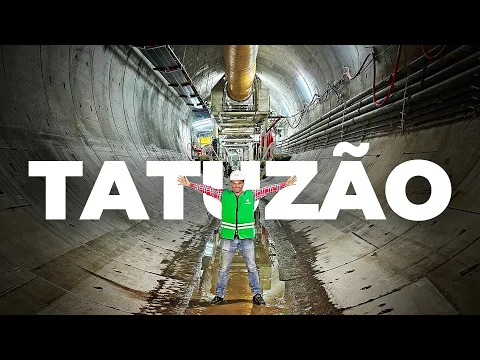

Working on metro excavation requires great care for the operators’ safety. Air circulation is guaranteed by an extensive ducting system that brings fresh air from the surface. In case of accidents, workers have access to a refuge chamber equipped with supplies and toxic gas filters, allowing them to monitor external conditions and decide on a safe exit from the location.
Metro excavation is one of the most complex and challenging phases of underground line construction. The technology of the Tatuzão, with its various functions and adaptations, is essential for the success of these projects. Each meter excavated and lined represents a step forward in public transportation in São Paulo.










Seja o primeiro a reagir!