





 Portuguese
  English
  Spanish
  3 min of reading
  0 comments


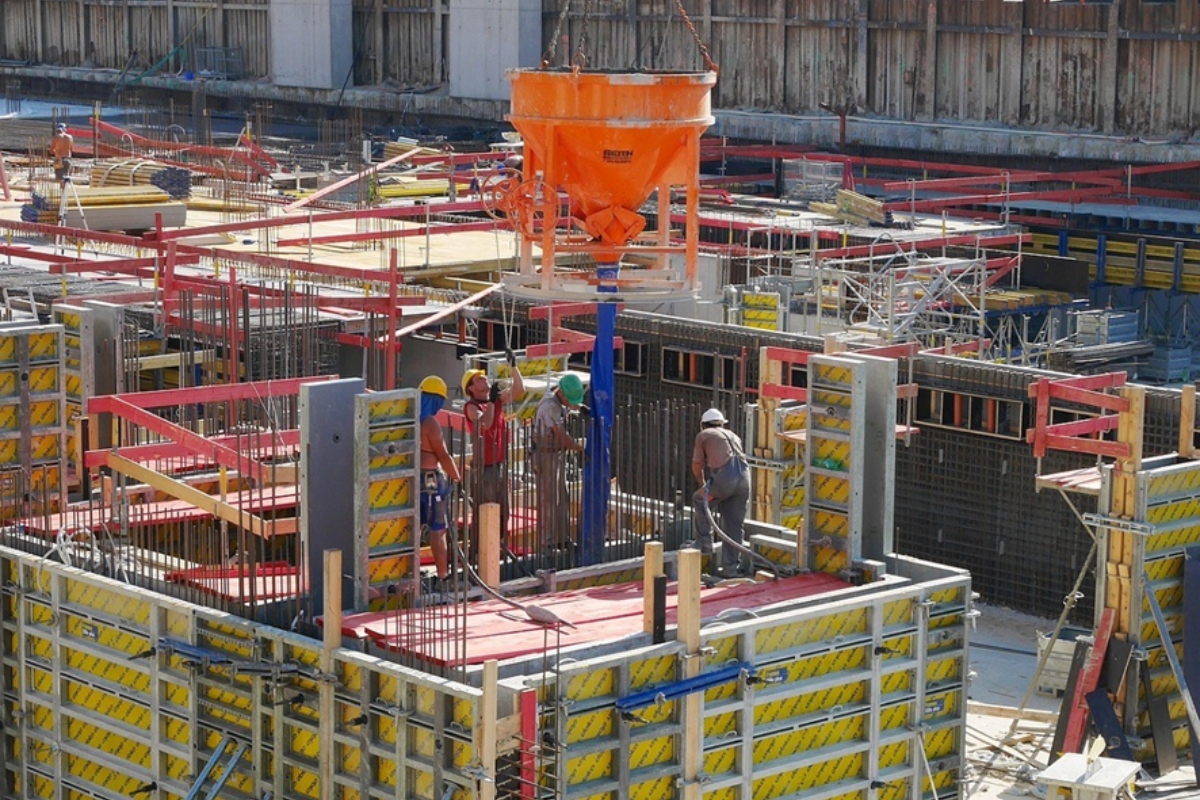
In Brazil, a Study by BSSP Consulting Indicated That the Regulation of Complementary Law 214 of 2025 May Increase Construction Costs by Up to 20 Percent, Directly Impacting Infrastructure and Drawing Attention from the Civil Construction Sector
The Tax Reform has returned to the center of discussions after a new survey indicated a possible significant increase in construction costs across the country.
According to estimates by BSSP Consulting, the regulation of Complementary Law 214 of 2025 may raise sector expenses by up to 20 percent. The impact, if confirmed, could directly affect infrastructure projects, civil construction, and public and private investments.
What seemed like a simple change in the tax structure could have significant repercussions for companies and, indirectly, for the population.
-
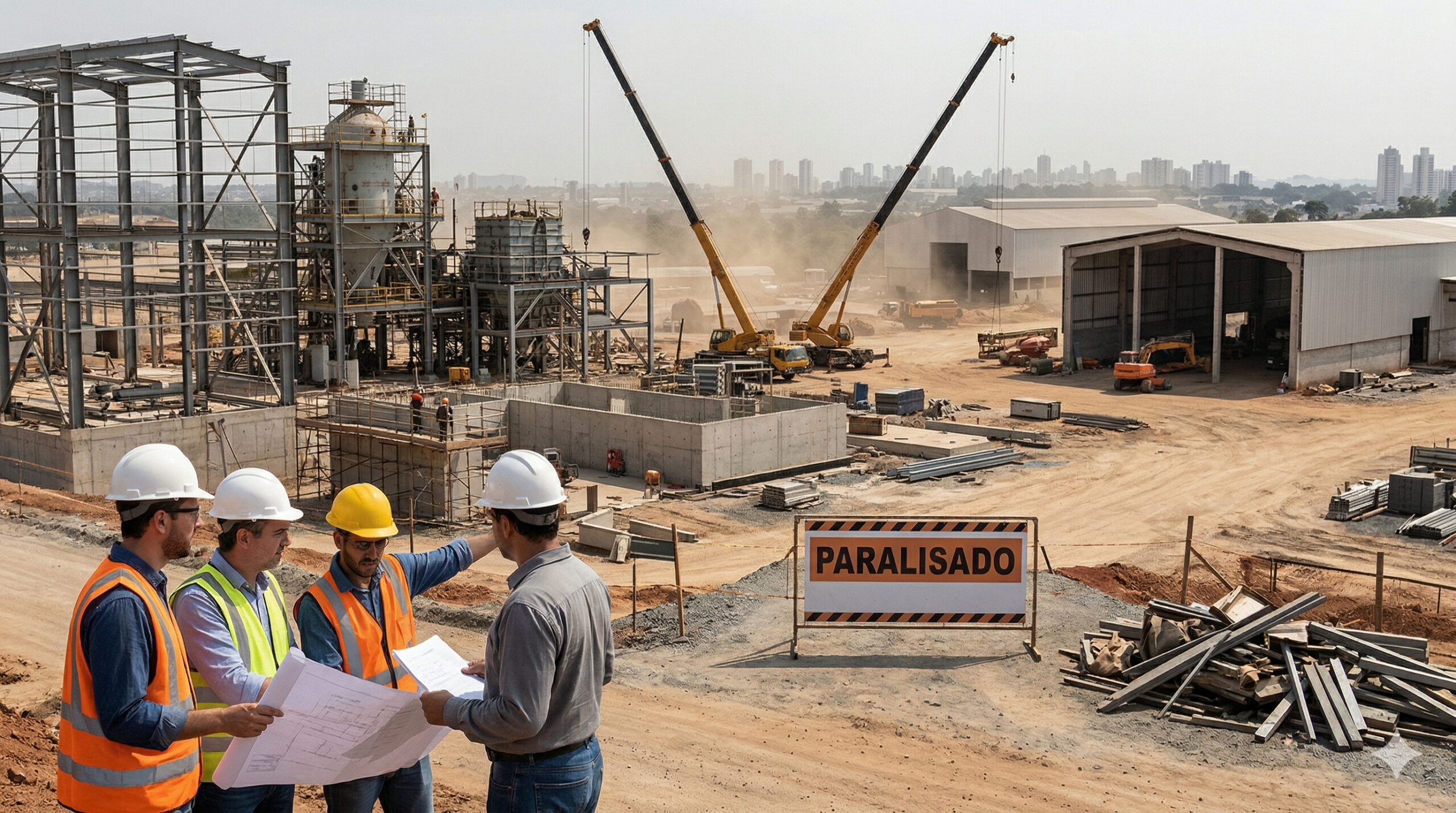
The lack of welders, electricians, and operators becomes a structural threat in 2025, with the construction industry and manufacturing already suffering from delays, cost pressures, and labor shortages in Brazil.
-
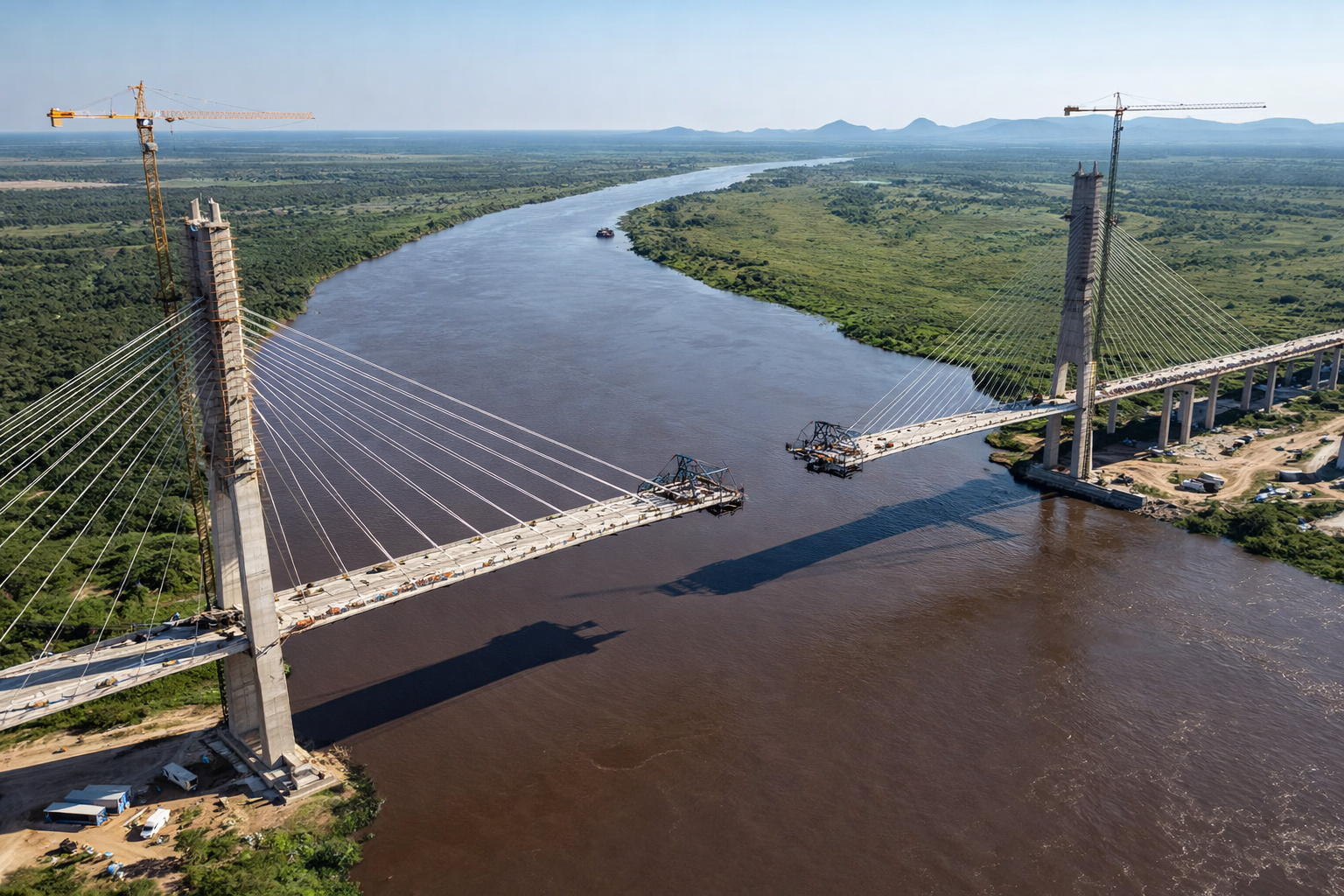
Brazil and Paraguay are just 46 meters away from a historic union on the bioceanic bridge that promises to revolutionize trade between the Atlantic and the Pacific.
-
With 55 km over the sea, a cost of US$ 20 billion, and enough steel to build 60 Eiffel Towers, China’s largest project has connected Hong Kong, Zhuhai, and Macau in a colossal bridge that defies the logic of engineering.

-
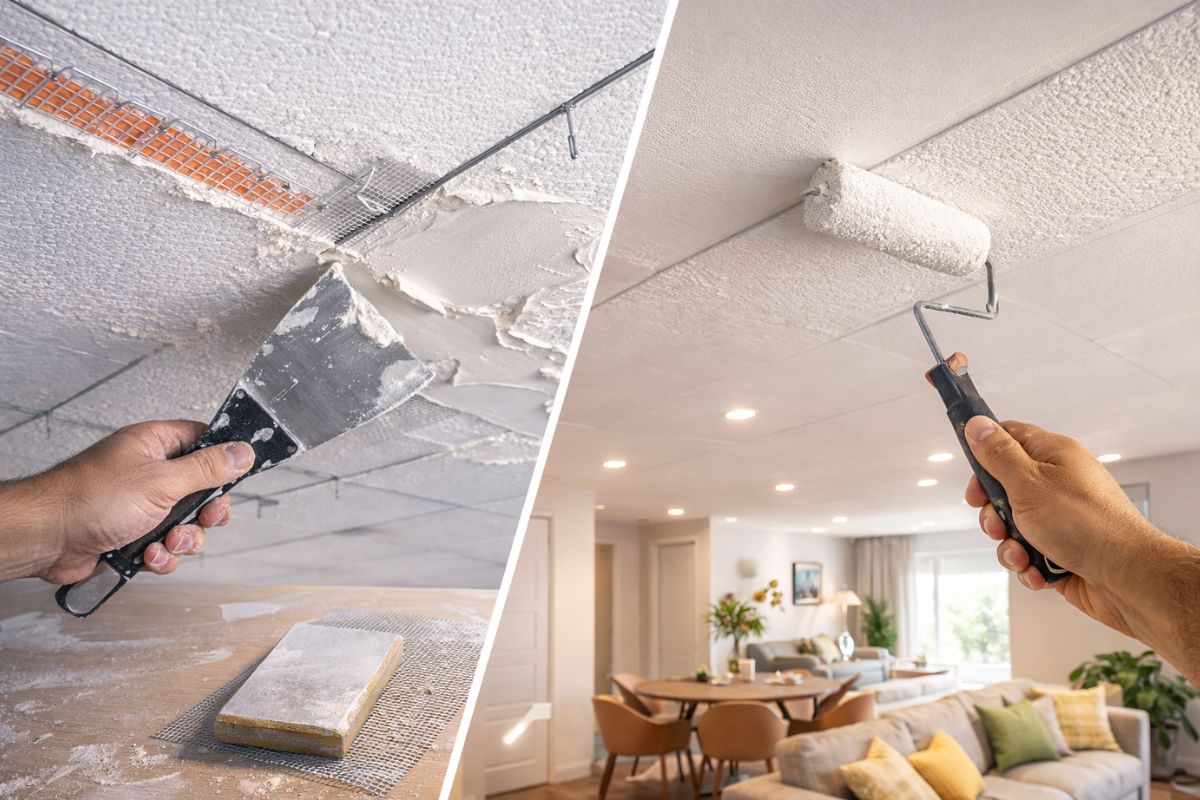
A trick with joint compound transforms a Styrofoam ceiling into a plaster-like ceiling: leveled panels, wires and mesh at the joints, sand, paint, and change the environment while spending little today.

Study Indicates Increase of Up to 20 Percent in Construction Costs
The survey released indicates that the new phase of the Tax Reform, with the regulation of Complementary Law 214 of 2025, may pressure construction sector costs by up to 20 percent.
This percentage draws attention because it involves million-dollar contracts and large-scale projects. In public and private works, any two-digit variation already represents a relevant impact on the final budget.
According to industry experts, tax changes often alter the calculation structure of taxes, which can directly reflect on the prices of materials, services, and execution.
Complementary Law 214 of 2025 Becomes Central to the Debate
The regulation of Complementary Law 214 of 2025 is considered one of the most important points in the current phase of the Tax Reform.
The new rule redefines aspects of tax collection and may change the way companies in the infrastructure sector collect taxes. This tax redesign could lead to increased operational costs, depending on the structure of each project.
The topic gained traction because the civil construction sector operates with adjusted margins and long-term contracts. Any tax change directly impacts financial planning.
Infrastructure May Feel Immediate Effects

The infrastructure sector is one of the most sensitive to tax changes. Road works, commercial buildings, industrial projects, and public projects may be affected.
The impact may appear in both new contracts and future renegotiations. In large-scale projects, an increase of up to 20 percent may represent millions of reais in additional total costs.
The detail that stood out the most was precisely the magnitude of the estimated percentage. For the market, this is a relevant index capable of altering investment decisions.
Change May Influence Investments and Planning
With the possible increase in costs, companies may review schedules, adjust budgets, and recalculate the viability of new projects.
According to estimates outlined in the study, the scenario requires strategic attention. Investors and managers need to consider the new tax environment when structuring projects.
The impact is not limited to construction companies. Entire production chains, which involve suppliers of materials and services, may feel the effects.
Debate on Competitiveness and Costs in Brazil
The Tax Reform was proposed with the aim of simplifying the tax system. However, experts assess that, depending on the regulation, there may be a specific increase in the tax burden on certain sectors.
In the case of construction, the projection of up to 20 percent increase reinforces the debate on competitiveness and the Brazilian cost.
The topic is now likely to gain even more space among entrepreneurs, investors, and authorities, especially given the importance of infrastructure for economic growth.
The possible increase of up to 20 percent in construction costs places the Tax Reform at the center of strategic decisions in the infrastructure sector, showing that fiscal changes can generate immediate and large-scale impacts on the Brazilian economy.
What do you think about this possible increase in construction costs? Could it affect investments and job creation? Leave your opinion in the comments.









-

-

-

-

6 pessoas reagiram a isso.