





 Portuguese
  English
  Spanish
  4 min of reading
  0 comments


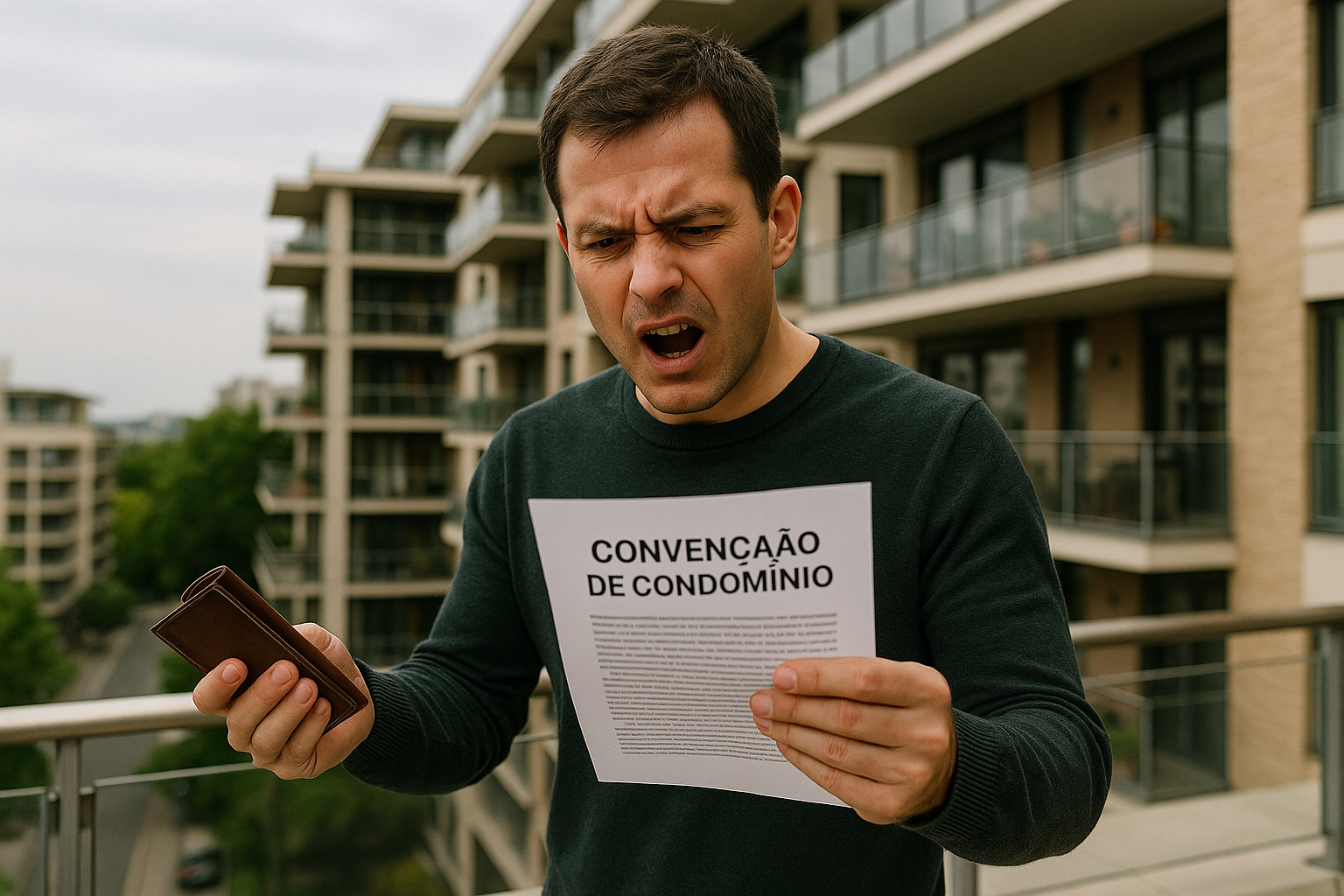
The Court Decision Redefines Allocation Criteria and Reinforces Limits for Condominium Agreements That Create Financial Imbalance Among Residents
Most recently, a decision of great legal impact was issued in 2024 by the 5th Civil Court of Belo Horizonte, attracting the attention of building managers, administrators, and real estate law specialists. According to the ruling, the court declared illegal clauses that allowed for a differentiated condominium fee for penthouses, recognizing that this model generated abusive charges and unjust enrichment for other residents.
The case originated in a building located in Bairro Lourdes, where one of the condominium owners, the penthouse owner, was incurring costs significantly higher than the others. According to data presented in the process, concluded under number 5004979-73.2021.8.13.0024, the adopted allocation model caused the resident to pay 101% more for expenses that benefited all units equally.
Technical Investigation Confirms Financial Imbalance and Proves Need for Review
The turnaround began when the condominium owner presented a request for a review of the rules in an extraordinary assembly back in 2020. However, the change was rejected by the majority, which led him to file a legal action. As he pointed out, costs such as front desk, cleaning, security, administration, and maintenance of common areas should be divided equally, as they do not depend on the size of the units.
-
The noise law will no longer be in effect at 10 PM starting in June with a new rule valid during the 2026 World Cup.

-
The Chamber opens a debate on driver’s licenses at 16 years old as part of a reform that includes around 270 proposals to change the Brazilian Traffic Code and may redesign rules for licensing, enforcement, and circulation in the country.

-
The new Civil Code could revolutionize marriages in Brazil with “express divorce” and changes that could exclude spouses from inheritance.

-
Banco do Brasil sues famous influencer for million-dollar debt and intensifies debate on delinquency, risks of seizure, and direct impact on Gkay’s credibility.


During the process, a technical appraisal conducted in 2023 analyzed the condominium’s financial documents and confirmed the imbalance. The report indicated that the penthouse contributed disproportionate amounts to ordinary expenses, even when all residents enjoyed the same services. Furthermore, according to the experts, the building’s structure did not require differentiated maintenance due to the existence of a private pool or enlarged area.
In light of the technical conclusions, Judge Cláudia Costa Cruz Teixeira Fontes stated that the autonomy of the condominium agreement does not allow for abuses. According to her, imposing excessive costs on a single condominium owner constitutes abuse of power and creates financial imbalance incompatible with the Civil Code.
Understanding of STJ Supports Change and Redefines Criteria for the Whole Country
The ruling was not limited to the specific case. As the judge highlighted, the Superior Court of Justice had already consolidated a similar understanding in AREsp 1.837.019/AL, judged in 2022, allowing for the dismissal of the ideal fraction criterion when it proves unjust, especially in expenses for cleaning, maintenance, staff, and maintenance of common areas.
Thus, the Minas Gerais ruling applied the national precedent and adopted a hybrid allocation model, ensuring greater balance. The new standard dictates:
- equal allocation for personnel expenses, administrative costs, general maintenance, and maintenance of common equipment;
- allocation by ideal fraction only for the consumption of water and gas (when there is no individual metering), structural improvements, repair fund, and building insurance.
Furthermore, the court ordered the refund of overpaid amounts since August 17, 2020, but in a straightforward manner, as the previous charge was stipulated in a regularly approved agreement.
Practical and Social Impacts of the Decision
This decision, as assessed by condominium law specialists, represents an important milestone for the internal management of buildings in large Brazilian cities. This is because many condominiums still apply old rules based solely on the ideal fraction, which often penalizes larger units without technical justification.
According to administrators consulted in the process, the decision tends to encourage reviews of agreements, increase financial transparency, and stimulate a broader discussion on condominium justice. Furthermore, as specialists point out, the understanding helps to strengthen residents’ trust in administration and prevent internal conflicts.
What Does This Precedent Represent in the National Legal Scene?
The practical application of the STJ’s understanding reinforces the trend of modernizing condominium rules in Brazil. As legal experts highlight, decisions like this help to harmonize criteria, reduce litigation, and provide more legal security to internal relationships. At the same time, they alert condominiums to the need to review their practices and avoid charges that could be legally challenged.
Meanwhile, owners of larger units gain legal support in their fight for balanced charges. In light of this scenario, an essential question arises: Are Brazilian condominiums prepared to review their agreements and adopt fairer allocation models, ensuring equity for all residents?










-

-

-

-

12 pessoas reagiram a isso.