





 English
  Francês
  Alemão
  Italiano
  Japonês
  Norueguês
  Portuguese
  Spanish
  3 min of reading


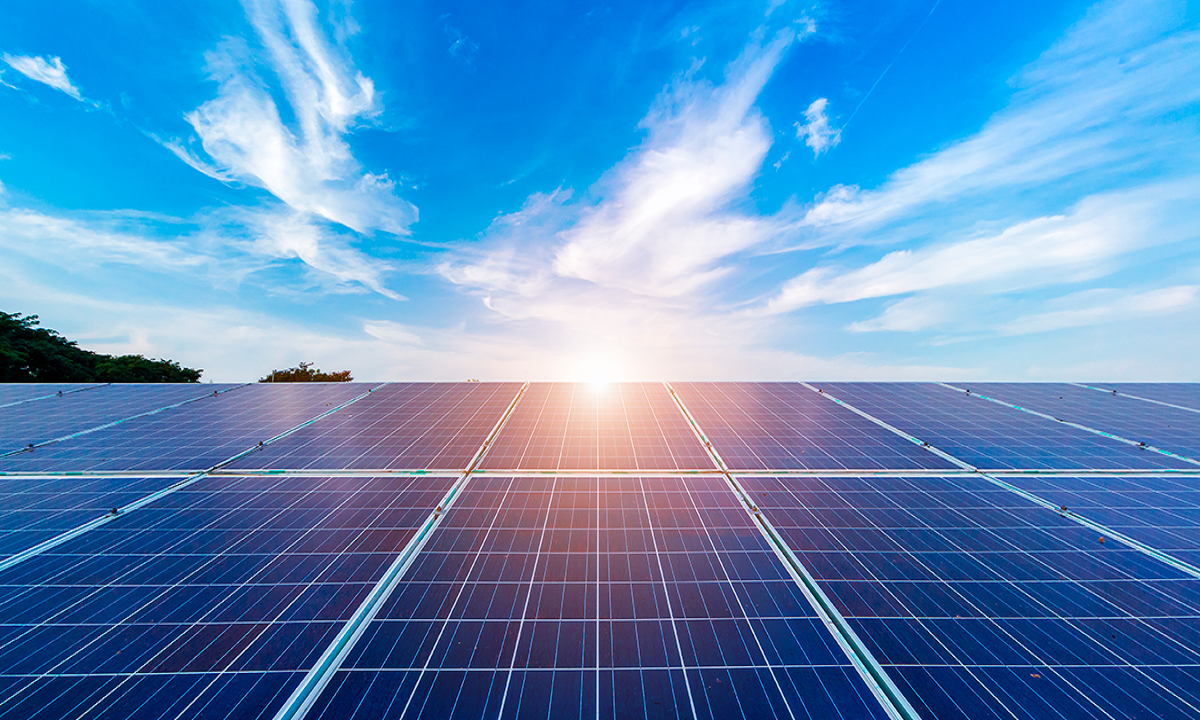
The Government Has Been Under Pressure from Companies for the Vote on the Bill Proposing Taxation on Solar Energy to Be Conducted. The Text, Referring to Solar Energy in GD, Has Been Brought to the Plenary Agenda Several Times Just Last Week
The discussion in the Government about the new bill proposing taxation on solar energy for distributed generation, where consumers install solar panels on the roofs of their homes or businesses, has led to sector pressures on deputies regarding how the subsidies benefiting the renewable energy sector should be structured. Due to the rapid expansion of solar energy in the country, this topic has quickly gained relevance.
Read Also
The Growth of GD in Brazil
The installed capacity in Brazil grew from 1,160 MW in 2017 to 8,813 MW currently. 62% of this installed capacity comes from distributed generation. The bill establishing the new regulatory framework calls for a change to eliminate the cross-subsidy under the solar energy rules established in 2012.
The deadline for the end of this subsidy varies from one to eight years, but it stipulates that projects should take effect within a year after the approval of the bill.
-
With 160,000 m² of collectors, an area larger than 20 football fields, Silkeborg, in Denmark, hosts a solar thermal plant that heats 19,500 homes and could become the largest solar heating plant in the world.

-
A study reveals the expansion of renewable energy procurement in Brazil and shows how companies are taking advantage of opportunities to reduce expenses, ensure energy efficiency, and strengthen strategic environmental commitments.

-
Mato Grosso do Sul excels in the sugar-energy sector: the state reaches a milestone of 22 operating mills and accelerates the production of clean energy in MS with a focus on sustainability.

-
National energy dilemma: Brazilians support clean energy but reject increases in tariff costs to finance the sustainable transition.

Understand Why Companies Want the Approval of the Bill Proposing Taxation on Solar Energy So Much
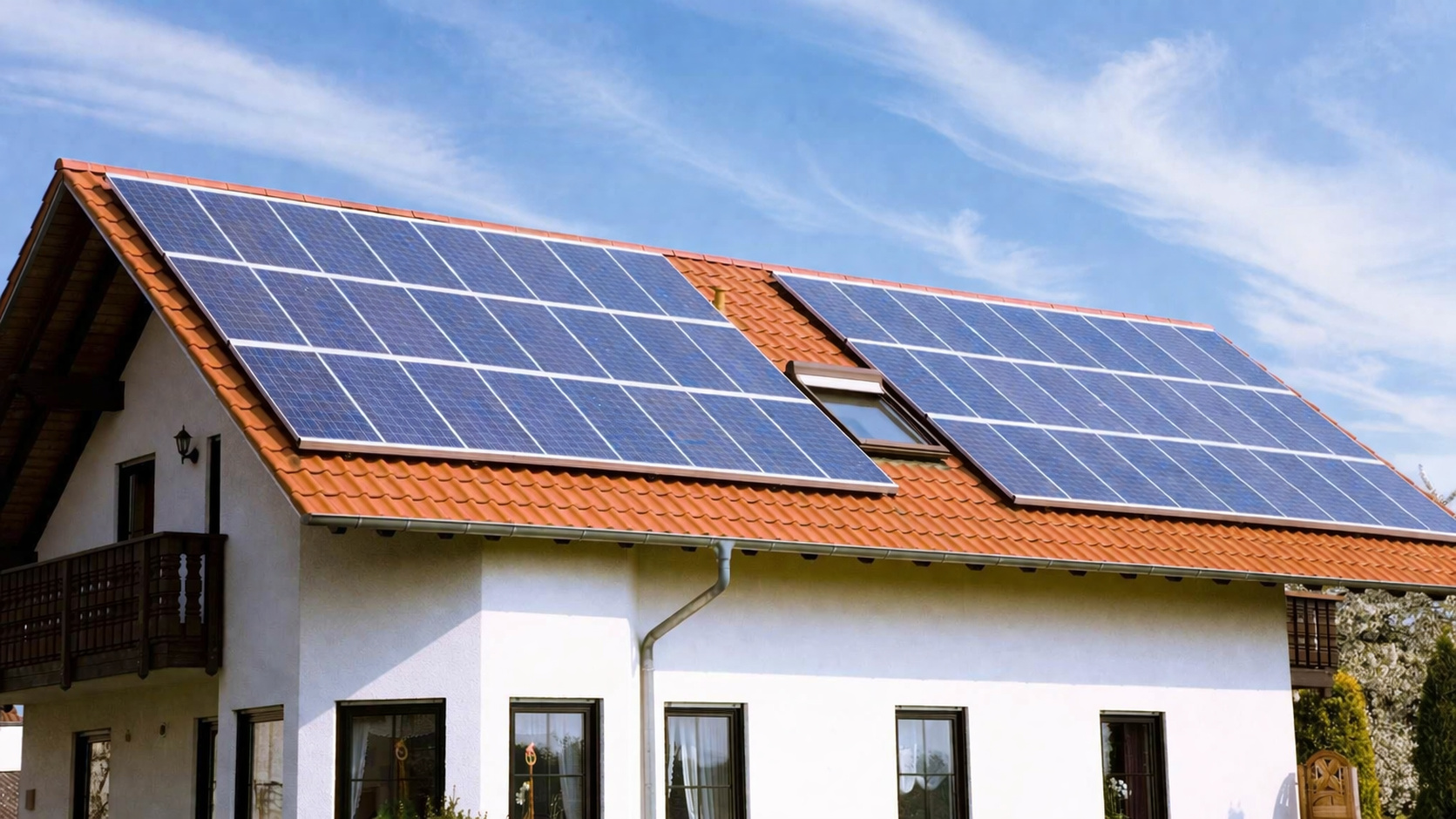
Those who adopt the GD model connect their solar panels to the system of an energy distributor. The consumer utilizes all the infrastructure of the distributor. An example is a residence with a solar energy roof, which feeds into the distributor’s network and accumulates credits for this energy for up to 60 months.
The distributor supplies energy even when there is no generation from the residence, such as at night and during rainy days. Companies are pressuring the Government for the approval of the bill proposing the taxation of the sun, or more specifically, solar energy, due to the large distributors not receiving any compensation for solar energy generators connected to their networks under the GD model.
The Pressure on the Government to Accelerate the Vote on the Bill
Investors and entrepreneurs in the distributed generation sector, who support the bill, are proposing the taxation of solar energy and are pressuring the Government to vote on the text in the coming days. The text, which is being processed with urgency, has not yet been analyzed by any committee and has already been brought to the plenary agenda several times in the last week.
If the Government approves the bill proposing the taxation of solar energy, it will go to the Senate. This discussion about ending the benefits for solar energy users in the GD segment was initiated by the National Electric Energy Agency (Aneel) in 2019. At that time, Aneel proposed a series of possibilities for reducing the benefits, estimating around R$ 55 billion between 2020 and 2035.










Seja o primeiro a reagir!