





 English
  Francês
  Alemão
  Italiano
  Japonês
  Norueguês
  Portuguese
  Spanish
 3 min of reading
  0 comments



New Municipal Regulation Redefines Maximum Age of Taxis in Rio and Establishes Transition Rules for Fleet Renewal
A regulatory change with a direct impact on urban transportation was recently announced by the City Hall of Rio de Janeiro, attracting the attention of industry professionals.
The municipal administration published, this Tuesday, a decree establishing a maximum limit of ten years of manufacture for vehicles to enter the city’s taxi system.
Additionally, the same rule also defines the maximum duration of vehicles in service, creating a gradual process for fleet replacement.
-
São Paulo surprises the world with a colossal railway network project that promises over 1,000 km of tracks, R$ 194 billion in investments, and 40 projects connecting the capital to the interior with fast and sustainable trains.

-
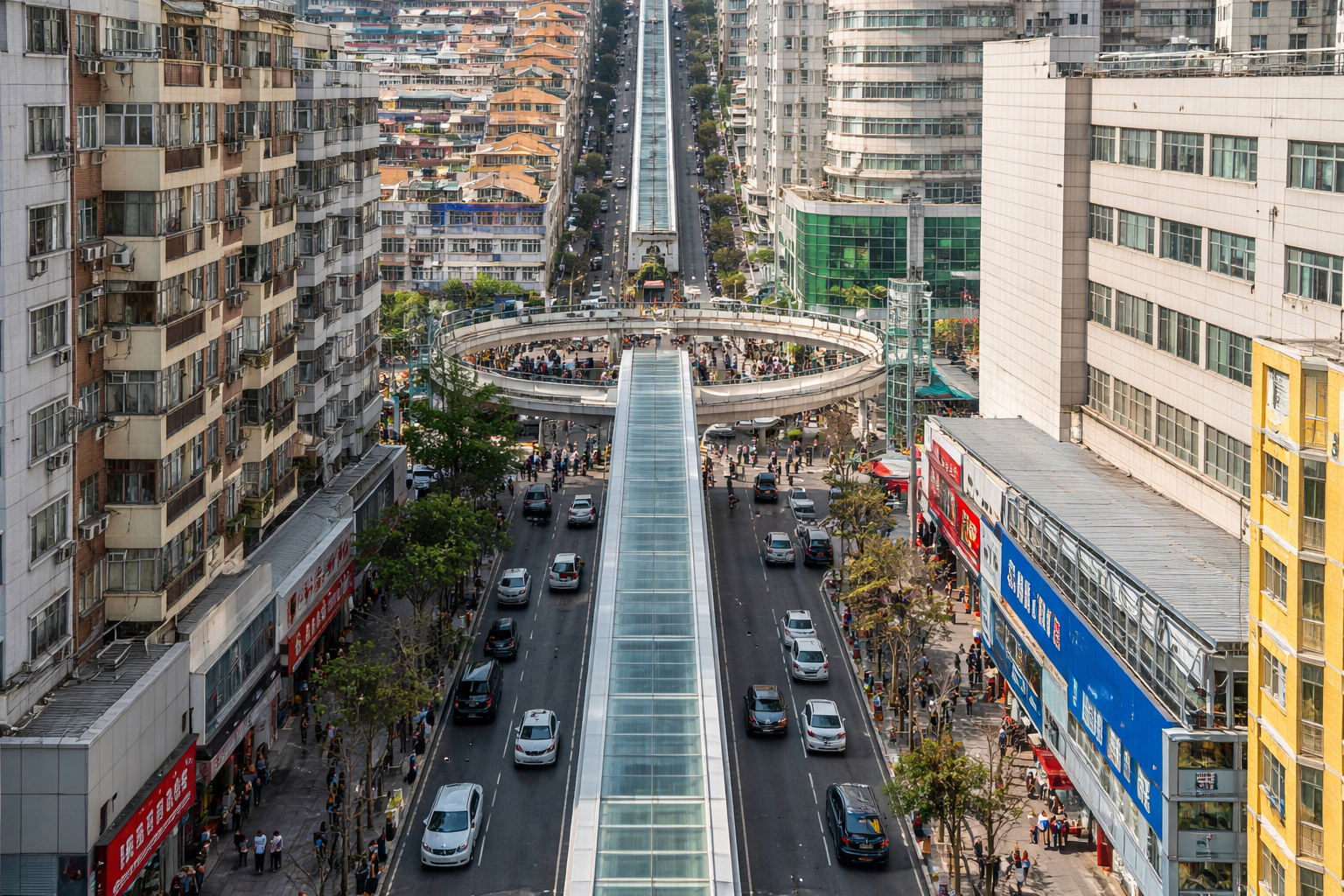
The world’s largest escalator, measuring 905 meters in China, reduces urban travel time from 1 hour to about 20 minutes and transforms mobility in mountainous regions with an engineering solution adapted to the terrain.
-
A R$ 300 million logistics giant is taking shape in Serra with over 100,000 m² and raises a question: how can this transform e-commerce and distribution in the state?

-
Could Uber Rides Lose Minimum Fare? Understand What’s Happening!


As a result, the regulation amends the Municipal Decree No. 48.072, published in 2020, reorganizing the operational criteria of the taxi service in the municipality.
At the same time, the text establishes a progressive adaptation schedule based on the lifetime of vehicles used by professionals.
Thus, the new regulation guides the renewal of the fleet in the coming years.
Legal Review Drives Change in Regulation
The new rule emerges after a judicial decision that altered the understanding of the age of authorized vehicles in service.
In January, the Court of Justice of the State of Rio de Janeiro suspended a municipal law that allowed taxis older than ten years to operate.
According to the court, older vehicles have a higher probability of mechanical failures.
Furthermore, the judges also pointed out that vehicles with more usage time tend to generate higher levels of pollutant emissions.
For this reason, the decision called for a review of the municipal standard that regulated the sector.
Thus, the new decree published by the City Hall of Rio adjusts local regulations to comply with the judicial understanding.
Schedule Establishes Deadlines for Vehicle Replacement
Although the ten-year limit will guide the system, the decree provides for an adaptation period for vehicles already operating in the service.
In this context, cars manufactured between 2010 and 2014 will be allowed to continue operating as taxis until 2030.
However, according to the text of the decree, the last licensing of these vehicles will occur in 2029.
Additionally, the regulation establishes staggered deadlines for other manufacturing years, creating a gradual transition.
Thus, vehicles produced in more recent years will progressively adhere to the ten-year limit defined by the new rule.
Consequently, models manufactured in 2025 and 2026 will already be fully subject to the new age limit.
Transition Rules Allow Temporary Entry of Vehicles
While adaptation takes place, the decree also establishes specific conditions for the entry of new vehicles into the municipal system.
In this regard, until December 31, 2026, the Municipal Department of Transport of Rio de Janeiro may authorize the entry of vehicles manufactured from 2015 onwards.
However, these authorizations must comply with the criteria defined in the transition rules established by the decree.
Thus, the measure allows for a gradual adaptation of the fleet, avoiding immediate changes in the operation of the service.
At the same time, the schedule ensures that, in the long term, the system consists only of vehicles within the defined age limit.
New Rule Restructures Operation of the Taxi System
With the publication of the decree, the municipality begins to establish more defined criteria for the renewal of the fleet used by taxi drivers.
The regulation sets age limits for entry and duration of vehicles, in addition to determining specific deadlines for gradual replacement.
This process, therefore, reorganizes the structure of the municipal taxi system over the next few years.
Thus, the regulation establishes a progressive adaptation path for industry professionals.
In light of these changes, how will the mandatory fleet renewal influence the dynamics of taxi service in Rio de Janeiro in the coming years?










-

-

3 pessoas reagiram a isso.