





 Portuguese
  English
  Spanish
  3 min of reading


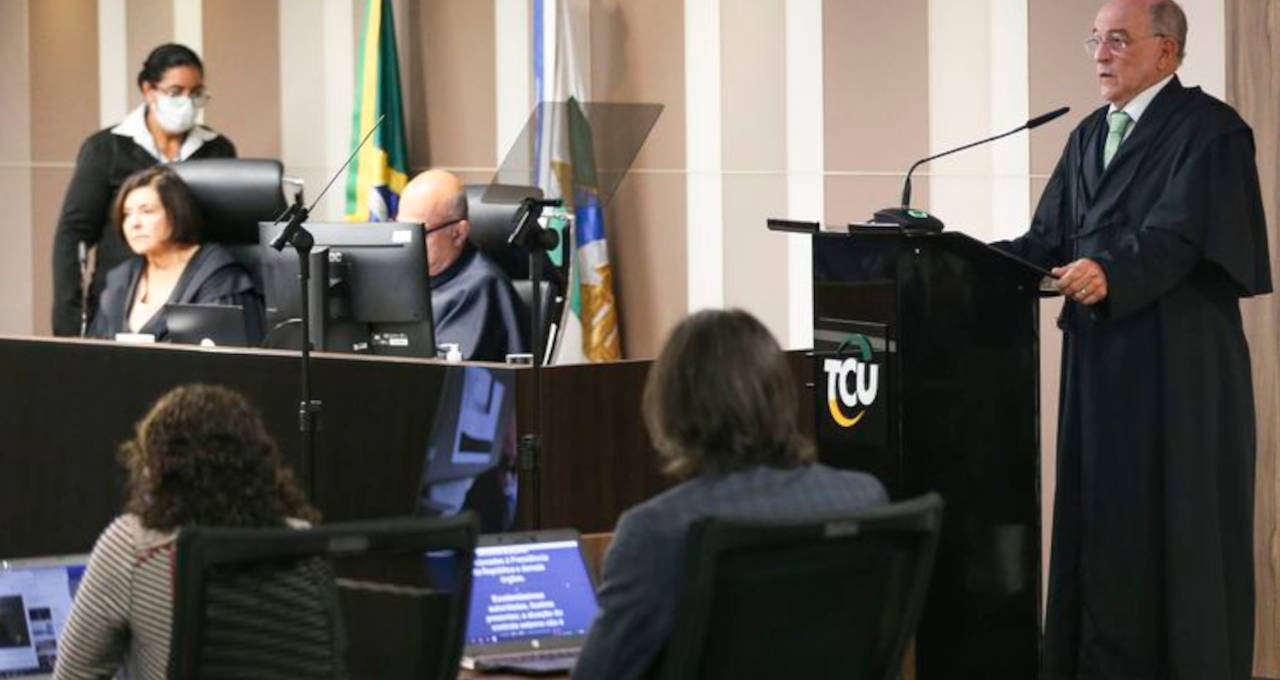
Aiming To Mitigate The Current Issue Of Railway Sections That Are Idle Or Unused In The Country, The TCU Recommended The Creation Of A Detailed Normative Act For The Return Of Railway Sections To ANTT And The Federal Government.
On Wednesday, (07/20), the Federal Court of Accounts (TCU) approved the recommendation for the National Land Transport Agency (ANTT) and the Federal Government to create a clear normative act for the return of railway sections in Brazil. Brazil has a significant portion of railway sections that are idle and unused in all regions, and this measure aims to reduce these numbers.
Creation Of Normative Act Detailing The Process Of Returning Railway Sections Is The Main Recommendation From TCU To ANTT And The Federal Government
After an audit conducted by the Court last Tuesday, (07/19), the TCU approved the recommendation process for the creation of a normative act with all necessary details for companies in the process of returning idle and unused railway sections. Thus, the Federal Government and ANTT will need to collaborate to seek ways to mitigate this issue of unused railway lines in the national territory.
The recommendation comes at a time when ANTT and the TCU itself project significant growth in requests from railway operating companies for the return of unused and idle railway sections.
-
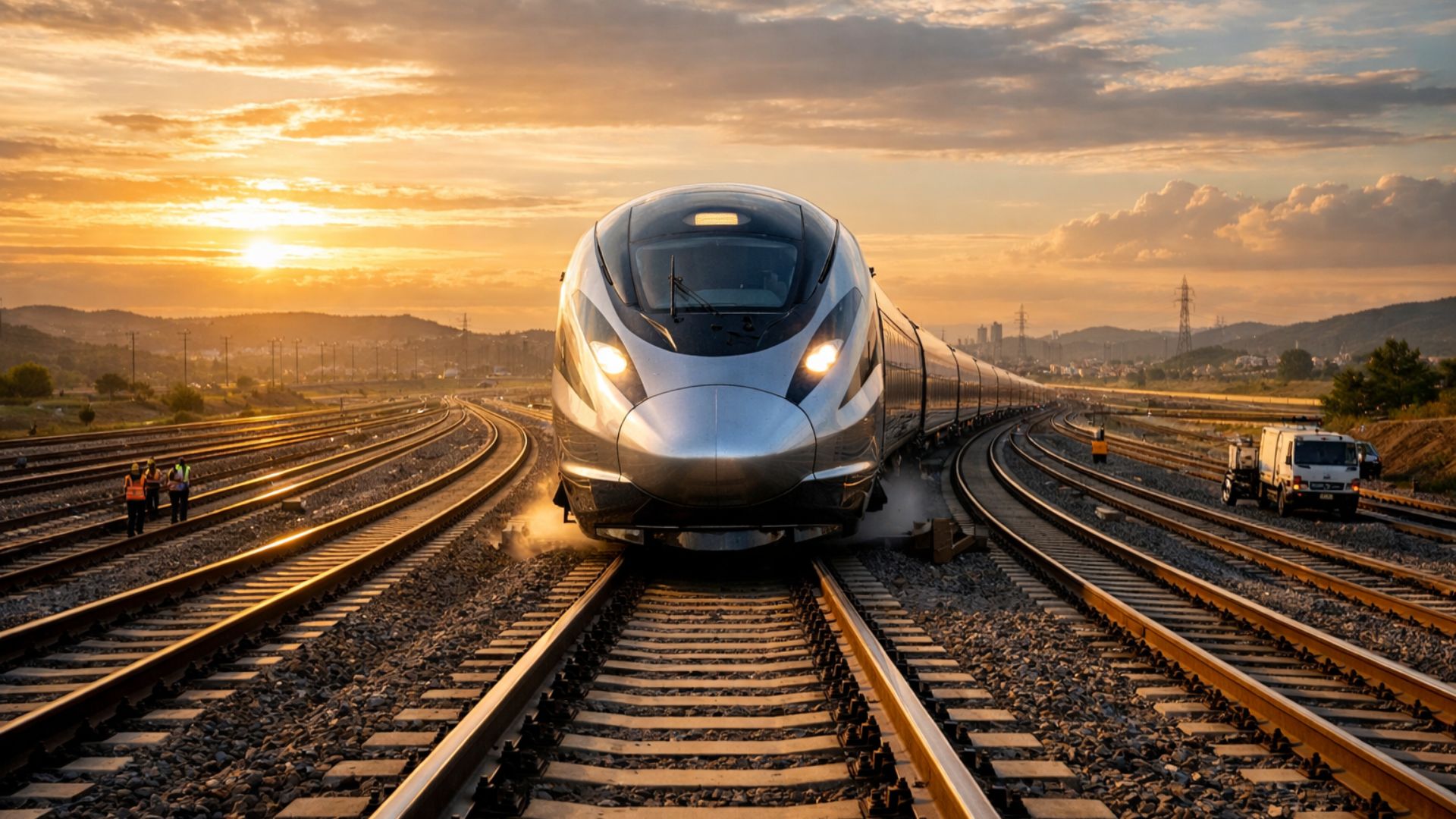
São Paulo surprises the world with a colossal railway network project that promises over 1,000 km of tracks, R$ 194 billion in investments, and 40 projects connecting the capital to the interior with fast and sustainable trains.
-
The world’s largest escalator, measuring 905 meters in China, reduces urban travel time from 1 hour to about 20 minutes and transforms mobility in mountainous regions with an engineering solution adapted to the terrain.
-
A R$ 300 million logistics giant is taking shape in Serra with over 100,000 m² and raises a question: how can this transform e-commerce and distribution in the state?
-
Could Uber Rides Lose Minimum Fare? Understand What’s Happening!


Moreover, according to ANTT’s report, the Centro-Atlântica Railways (FCA) and Malha Sul are currently showing high percentages of non-operational or idle rail networks, around 75.8% for the first, managed by VLI, and 77.1% for Malha Sul, granted to Rumo.
Additionally, amid growing projections for requests for the return of railway sections, the TCU found a number of irregularities in the current process. “The return process, as currently structured, has not proven efficient as a tool to ensure better utilization of the network granted to the private initiative,” highlights the Court’s Port Infrastructure and Railway Supervision Secretariat in the report. This was reported by Minister Bruno Danta, confirming the need for a regulatory act to make this process clearer for the operators of the sections.
Recommendation For The Creation Of The Regulatory Act For The Return Of Railway Sections Submitted To ANTT By The TCU Also Includes Changes To Payments
In addition to pointing out the need for a regulatory act for the return of railway sections in Brazil, the TCU emphasizes the need for a clause so that, during the anticipation of the return, any indemnity value is already defined before the studies are submitted to the court. Since the process of analyzing the anticipation of concessions can take quite a long time. However, this recommendation was eventually reversed in Dantas’ vote.
Furthermore, ANTT continues to warn about the high idleness scenario of national railway sections and pointed out that the problem is not limited to the FCA region. According to agency data, the federal railway network has 7,076 km of track with no traffic whatsoever, and by adopting a benchmark of up to 30% utilization of installed capacity, it reaches 18,554 km of underutilized railways, which represent 64% of the federal network, proving the high rate of idleness and disuse in the national territory.
Now, the TCU expects ANTT to meet with the Federal Government to continue the process of returning railway sections and to create a regulatory act with all the necessary specifications for this activity to occur beneficially for the State.








Seja o primeiro a reagir!