





 Portuguese
  English
  Spanish
  6 min of reading
  0 comments


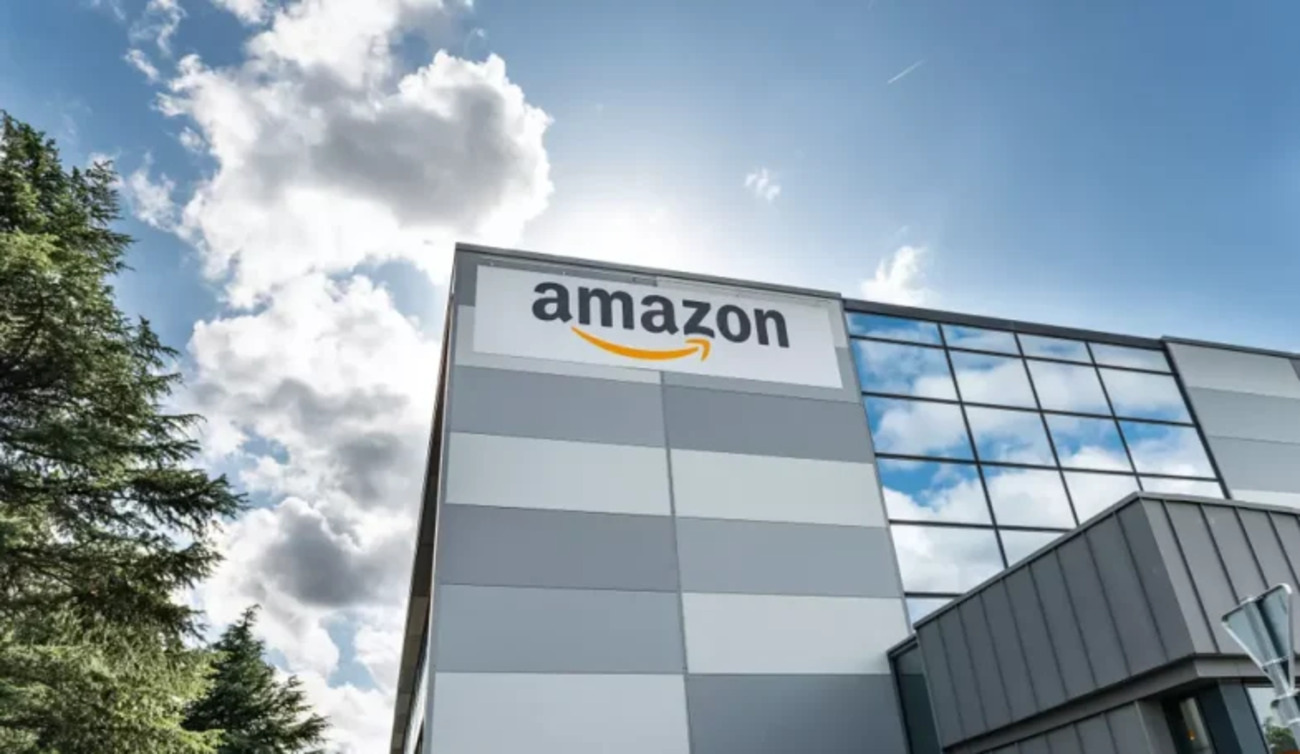
The aggressive decarbonization strategy consolidated Amazon’s leadership in the clean energy sector, surpassing all other major global corporations by contracting historic volumes of solar and wind electricity.
Amazon achieved Amazon’s leadership in the global renewable energy procurement market during the year 2025, establishing a new benchmark for technology companies.
The retail and cloud services giant (AWS) contracted projects totaling gigawatts of power across various continents, ensuring sustainable supply for its data centers and logistics centers.
This movement is part of the Climate Pledge commitment, which aims to achieve net-zero carbon emissions for the company by 2040. By investing billions of dollars in power purchase agreements (PPAs), the company not only cleans its own operations but also enables the construction of new wind and solar plants that would not have been built without this investment.
-
Alert in the electric sector: Atlas Renewable Energy confirms billion-dollar investment and Brazil risks losing a share of the new investment in Latin America to neighboring countries.
-
Billion-dollar partnership in clean energy: The advancement of decarbonization in Japan opens doors for Brazil to become the world’s largest supplier of green hydrogen and ammonia.

-
Understand how thermal security has become a key element in the energy transition by ensuring a balance between intermittent renewable energies and thermal sources capable of sustaining the electrical system during critical moments.

-
Billion-dollar investment for the forest: World Bank releases funds to expand renewable energy and create thousands of new green jobs in the Amazon region.


The energy market is observing this trend closely, as corporate demand now rivals the consumption of entire countries, forcing an acceleration in transmission and storage infrastructure on a global scale.
The real impact of Amazon’s leadership on the global energy matrix
The maintenance of Amazon’s leadership in the renewables sector generates practical effects that go far beyond sustainability reports.
When the company signs a long-term contract to acquire energy from a solar park in the interior of Brazil or a wind farm in the North Sea, it provides the necessary financial security for developers. This assurance allows banks to release financing at lower rates, reducing the final cost of clean energy for all consumers.
In 2025, Amazon’s project portfolio reached an impressive geographical diversity. The company invested in large-scale solar projects, offshore wind farms, and even emerging technologies such as green hydrogen and marine energy.
This diversification protects the company against regional climate variations, ensuring that the grid receives clean electrons 24 hours a day. The scale of this operation has transformed Amazon into the largest corporate buyer of renewable energy for the sixth consecutive year, a mark that few companies can challenge.
Data centers and the hunger for sustainable energy
The growth of artificial intelligence and massive data processing requires an unprecedented amount of electricity. Amazon Web Services (AWS) operates thousands of servers that run continuously.
To prevent this technological growth from increasing the carbon footprint, Amazon’s leadership focuses on the complete electrification of its digital infrastructure. In 2025, the company achieved the goal of using 100% renewable energy in its global operations, thus anticipating the original target by five years.
The technical challenge lies in intermittency. The sun does not shine at night, and the wind does not always blow with the same intensity. To address this issue, Amazon is heavily investing in battery energy storage systems (BESS).

Thus, these systems store the excess generated during the day to power the data centers at night. This approach creates a more resilient electrical grid that is less dependent on fossil sources, such as coal and natural gas, which traditionally serve as the backbone of the system.
Solar and wind projects: The engine of corporate innovation
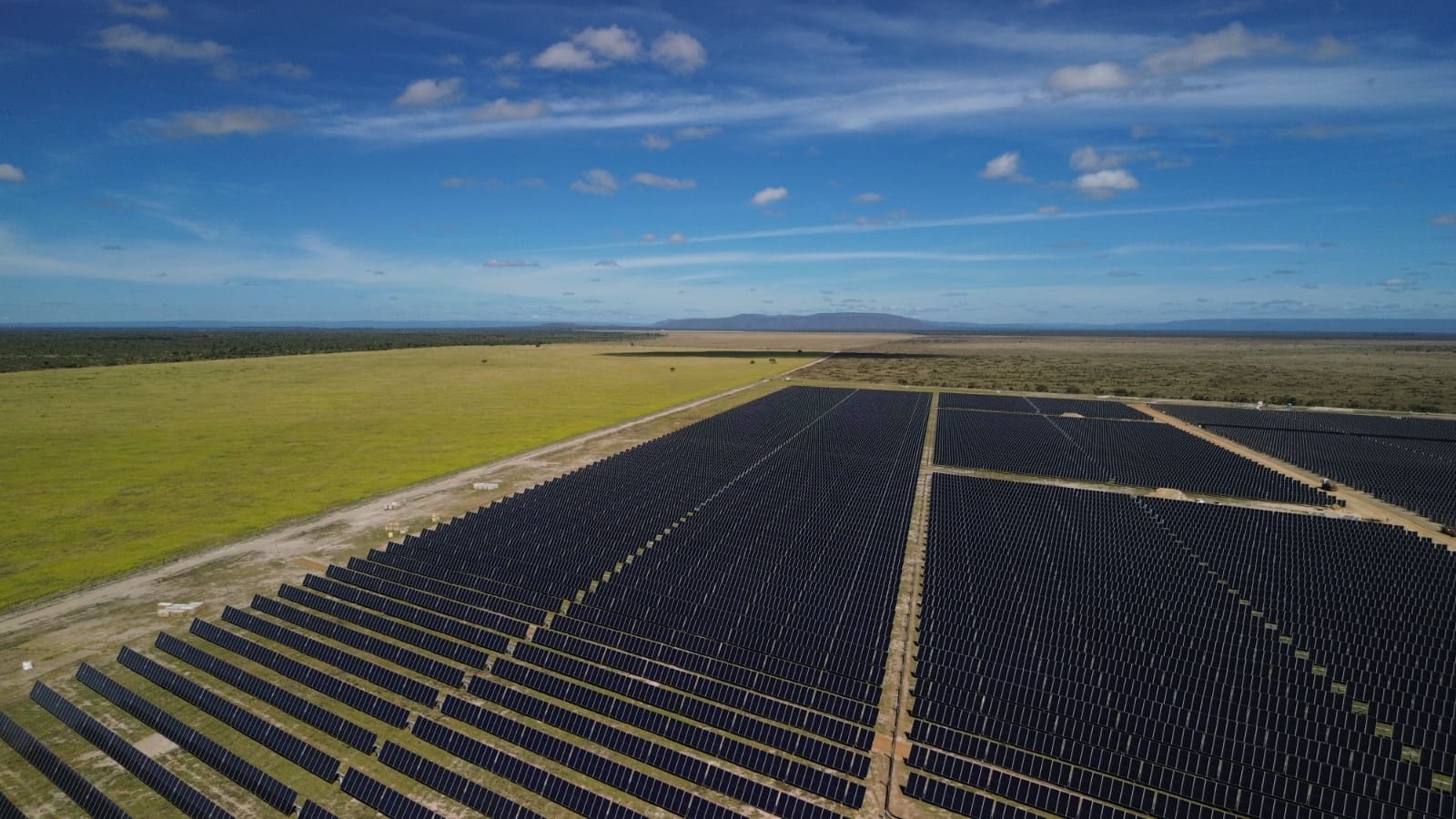
Amazon’s leadership drives innovations in energy project design. In the past year, the company inaugurated solar complexes that use bifacial panels, capable of capturing light from both the front and back, reflected by the ground. Additionally, the company has invested in floating solar plants in reservoirs, optimizing space usage and reducing water evaporation.
In the wind sector, Amazon prioritizes state-of-the-art turbines with greater aerodynamic efficiency. These devices generate more energy with lower wind speeds, thus increasing the viability of wind farms in regions previously considered unproductive.
By adopting these technologies early on, Amazon acts as a market catalyst, reducing manufacturing costs for the rest of the industry through economies of scale.
Amazon’s role in regional development and job creation
The expansion of investments in clean energy generates direct economic impacts on local communities. The construction of a large solar park contracted by Amazon requires hundreds of workers, from engineers and technicians to logistics and assembly teams.
Amazon’s leadership in financing these projects stimulates rural economies, thereby creating jobs in areas that previously suffered from a lack of industrial opportunities.
In addition to construction, the long-term operation of these plants requires specialized maintenance. Amazon collaborates with technical training programs to empower the local workforce.
This ensures that the community reaps the benefits of the energy transition through skilled and stable jobs. The social impact becomes a fundamental pillar of the company’s ESG strategy, strengthening its social license to operate in different territories.


Logistical challenges and integration with the national electric grid
Maintaining Amazon’s leadership as the largest buyer of renewable energy requires impeccable logistical coordination with grid operators. Often, the location with the best wind or solar potential is far from consumption centers. This necessitates investments in high-voltage transmission lines to transport electricity efficiently and without excessive losses.
Amazon works together with governments and regulators to modernize the electrical grids. The company supports policies that facilitate renewable sources’ access to the grid and encourages the creation of free energy markets.
In Brazil, for example, the opening of the free market allowed Amazon to contract energy directly from wind farms in the Northeast to supply its operations in the Southeast, a model that serves as an example for other developing countries.
The monumental scale of Amazon’s energy
To understand the magnitude of Amazon’s leadership, one only needs to look at the numbers from 2025. The total energy contracted by the company would be enough to power millions of homes in a medium-sized country. Thus, if all the solar panels financed by the company were placed side by side, they would cover an area equivalent to thousands of football fields.
Another curiosity is the use of artificial intelligence to manage this energy portfolio. Amazon uses advanced algorithms to predict the production of its plants and optimize consumption in real-time.
If the sensors indicate a drop in wind generation in a region, the system automatically redirects the load or activates battery reserves, maintaining operational efficiency without resorting to dirty energy from the common grid.
The future of Amazon’s leadership and the path to zero carbon
The company’s journey does not end with the title of largest buyer in 2025. Amazon’s leadership now aims at decarbonizing long-distance transportation and aviation. The company invests in startups that develop sustainable aviation fuels (SAF) and heavy electric trucks.

The renewable energy contracted today will serve to power the delivery fleets of the future, closing the sustainability cycle from the customer’s click to delivery at the doorstep.
The market expects other tech giants, such as Google and Microsoft, to increase their investments to try to reach the level set by Amazon. This healthy competition benefits the planet, as it accelerates the global replacement of fossil sources with clean energy.
Amazon proves that sustainability and profit can go hand in hand, transforming environmental responsibility into a crucial competitive differentiator in the 21st century.
An example for the global corporate sector
Amazon’s leadership in renewable energy purchasing in 2025 redefines the role of large corporations in the fight against climate change.
By using its purchasing power to transform global energy infrastructure, the company demonstrates that the private sector has the necessary tools to lead the energy transition. The success of this strategy ensures a cleaner future and offers a practical model for other companies to follow.
The global energy transition depends on courageous long-term investors. By taking on this leadership role, Amazon ensures that the technology of the future does not cost the future of the planet.
With continuous investments in innovation, storage, and new renewable frontiers, the company solidifies its position as a transformative force in the energy market, proving that the path to economic success necessarily involves environmental preservation and energy intelligence.







Seja o primeiro a reagir!