





 English
  Francês
  Alemão
  Italiano
  Japonês
  Norueguês
  Portuguese
  Spanish
  4 min of reading
  0 comments


Thais Utilize Traditional Technique With Banana Leaves to Replace Disposable Packaging and Reignite the Global Debate on Ending Plastics.
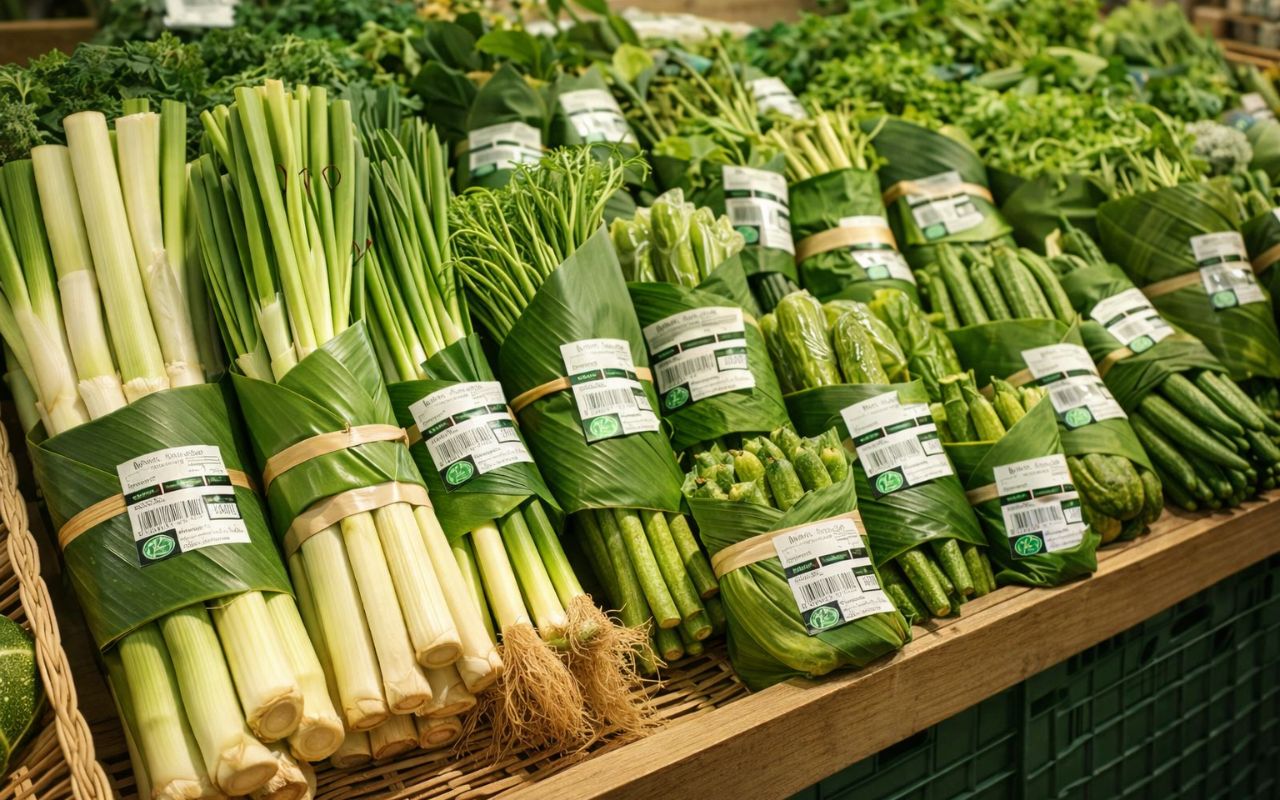
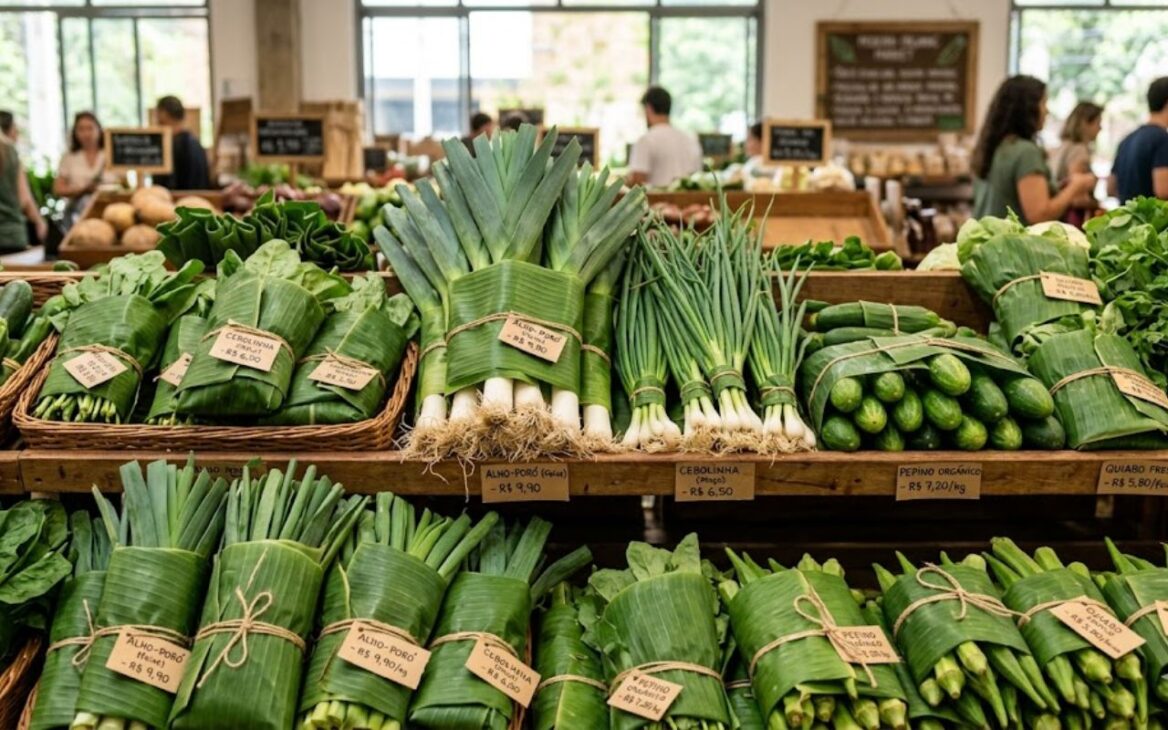
A simple solution, inspired by traditional practices, has regained global attention by pointing to a possible path to the end of disposable plastics. In supermarkets in Thailand, Thais have begun to replace plastic packaging with banana leaves to wrap fruits, vegetables, and other foods.
The initiative emerged in commercial establishments in the city of Chiang Mai and quickly caught attention on social media and in environmental discussions around the world.
The change gained visibility after photos of the natural packaging circulated online. The images showed vegetables and legumes carefully wrapped in green leaves, secured with strips of bamboo or natural fibers.
-
Seen from space, a colossal ‘Y’ cuts through the largest desert in China, blending a jade-filled river, red and white mountains, and revealing the absurd scale of the transformation of the Taklamakan surrounded by a green wall with billions of trees.

-
The Pacific Ocean reveals what the cliffs of Big Sur have hidden for millennia: Pfeiffer Beach, in California, features swirling purple sand formed by garnet crystals and displays a stone arch that is illuminated by the sun in winter for just a few days each year.

-
Aursjøvegen in Norway is a 100-kilometer gravel road that crosses chasms and dark tunnels carved into the rock at an altitude of 947 meters in the fjords and is only open for four months a year.

-
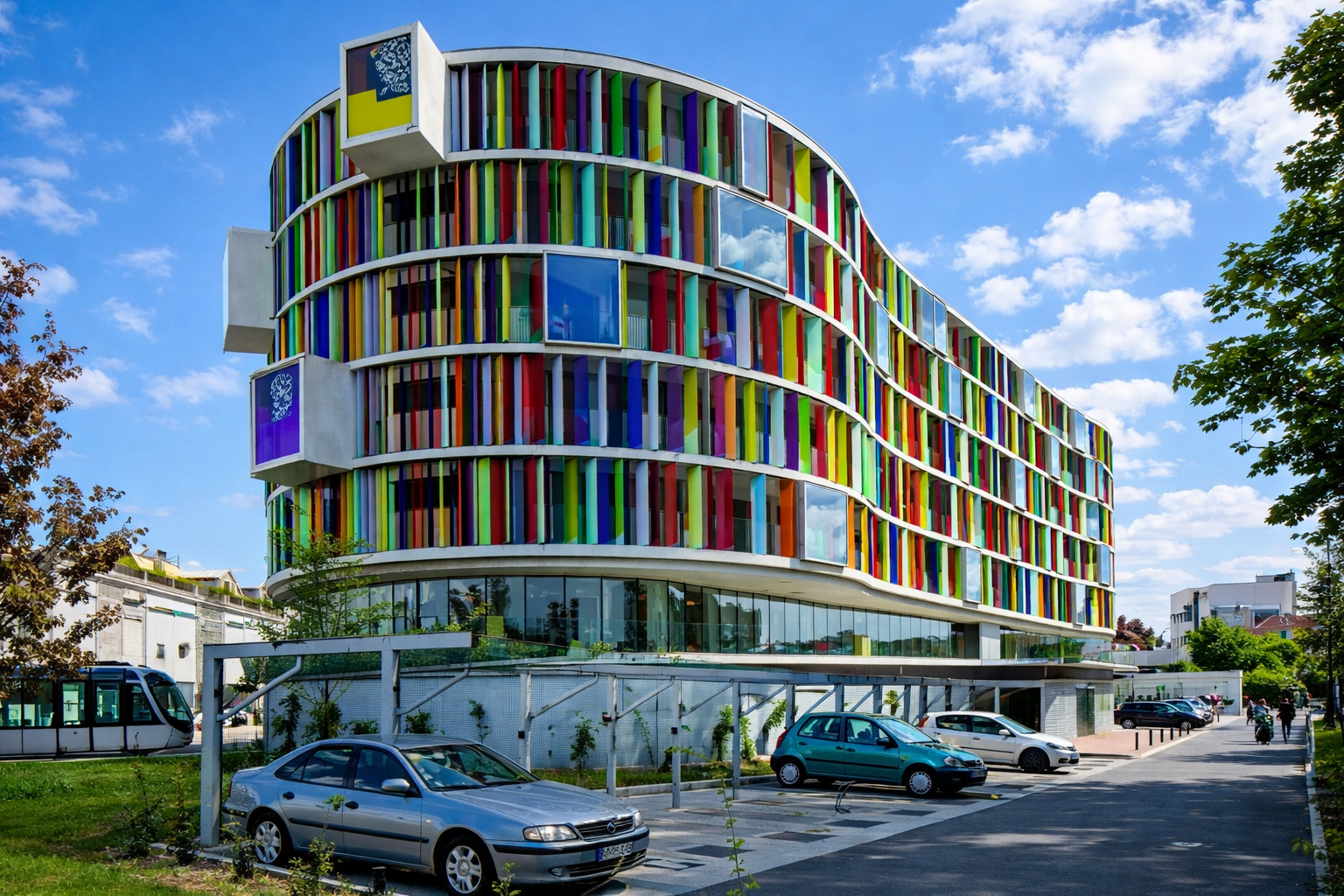
With about 4,000 m², the building constructed in a traditional neighborhood in France looks like a rainbow, has a colorful facade, mixes vibrant glass, and creates one of the most unusual visuals in Bordeaux.
The goal of the technique is to reduce the use of disposable plastic in grocery retail, one of the main contributors to the increase in waste on the planet.
In addition to being simple, the proposal has a strong environmental impact. This is because the leaves used are completely biodegradable and can decompose naturally after use.
Traditional Technique Used by Thais Inspires Debate About Ending Plastics
What impresses the most about the initiative is that it does not rely on advanced technology. In practice, Thais only adapted an ancient technique that has long been part of the local culture.
Banana leaves have been used for centuries in various regions of Asia to cook, serve, or package food.
In some countries, traditional dishes are prepared and transported using this natural material.
However, with the advancement of industrialization, plastic has replaced these natural solutions by offering practicality and low cost.
Now, in the face of the global environmental crisis, the ancient technique is once again being seen as a viable alternative to reduce the consumption of disposable packaging.
This rediscovery reinforces an idea that is gaining traction among experts: many sustainable solutions may be found in forgotten traditional practices.
How the Thai Technique That Replaces Plastic Packaging Works?
In the supermarkets where the initiative has been implemented, fresh products are wrapped in banana leaves and held together with an elastic band.
The technique is simple yet effective. The leaves are large and sturdy, which helps protect the food.
Moreover, the material is flexible and strong enough to be folded without tearing.
These characteristics make the leaves a functional alternative to the plastic traditionally used to package vegetables.
Another important point is the availability of the material. In tropical regions, the banana plant is abundant, making the solution even more practical and sustainable.
Why Did the Thai Initiative Gain Global Attention?
The international impact of the initiative did not happen by chance. The world is facing a continuous increase in pollution caused by plastic waste.
It is estimated that billions of tons of this material have been produced over the past decades. However, only a small fraction has been effectively recycled.
Given this scenario, any solution capable of reducing the use of disposable plastic stands out.
And that is exactly what happened with the technique adopted by the Thais.
Images of the natural packaging went viral on social media and were shared by users from various countries.
For many, the initiative showed that simple solutions can lead to significant environmental impacts.
Technique With Natural Leaves Can Inspire Alternatives to Plastic
Although the solution originated in Thailand, experts point out that the idea can be adapted in different regions around the world.
Even in places where the banana plant is not common, other types of leaves or plant fibers could serve a similar purpose.
This type of adaptation can help accelerate the global debate on the end of disposable plastics.
Moreover, initiatives like this emphasize the importance of a circular economy, a model in which materials return to nature without causing negative impacts.
Ending Plastics May Depend on Simple Solutions
The story of the technique used by the Thais offers an important lesson: not always are the answers to major environmental problems dependent on complex technology.
In many cases, ancient and sustainable practices can provide efficient solutions to current challenges.
By reviving traditional methods, communities demonstrate that it is possible to rethink consumption habits and reduce environmental impact in daily life.
Thus, although the end of plastics remains a global challenge, initiatives like this show that simple changes can make a significant difference when adopted on a large scale.
Source: Xataka









Seja o primeiro a reagir!