





 Portuguese
  English
  Spanish
 3 min of reading
  0 comments



UFRN Researchers Created a Low-Cost Chemical Sensor That Can Change Oil Production Control, Reducing Failures, Waste, and Costs in the Industry.
The oil sector may be close to a significant turnaround in Brazil. Researchers from the Federal University of Rio Grande do Norte (UFRN) developed a low-cost chemical sensor that allows monitoring, almost in real time, substances used to keep wells and pipelines operational.
This advancement comes at a time when the industry is seeking to cut expenses, avoid shutdowns, and maintain high production levels. Today, any failure in this control can lead to million-dollar losses and even interrupt the flow of oil.
Scale Buildups Threaten Wells and Increase Production Costs
Inside the oil wells and pipelines, mineral deposits form over time. These scale buildups act as crusts that block the flow of fluids.
-
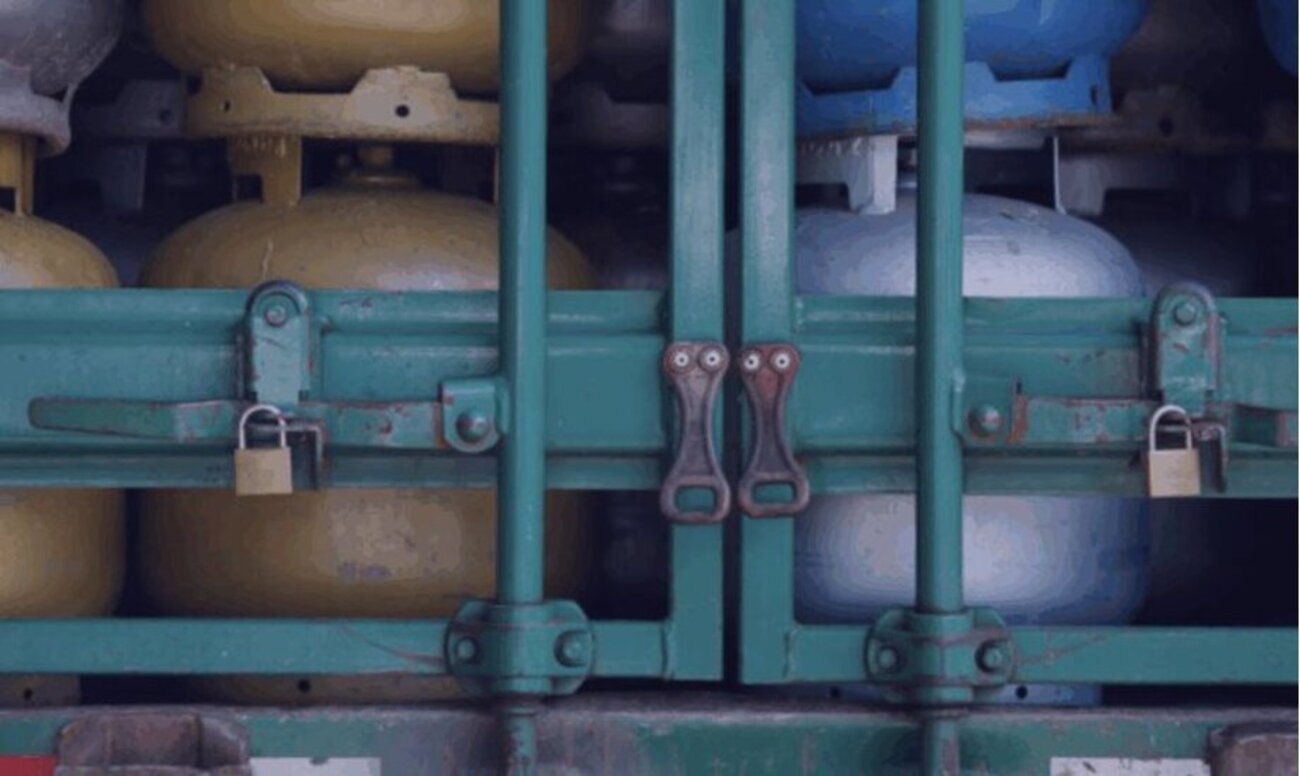
Petrobras evaluates suspension of sales to distributors and considers canceling the cooking gas auction following guidelines from the Federal Government.
-
Lula reveals a masterstroke by Petrobras to undo a deal made by Bolsonaro, which involves the return of an important refinery that currently produces less than half of what was expected and makes Brazil dependent on international diesel.

-
A study confirms that the natural gas sector will reduce greenhouse gas emissions in Brazil by 0.5% and accelerate the energy transition by 2026.

-
Petrobras implements a severe adjustment and confirms a 55% increase in the price of aviation kerosene with a proposal for installment payments for the companies.


When this happens, production drops and costs rise.
To prevent the problem, companies use chemical products called scale inhibitors. The challenge, however, lies in controlling the dosage. If the product runs low, scale buildups appear. If there’s too much, there is waste and extra spending.
Currently, monitoring these substances relies on time-consuming, expensive analyses that require laboratories and complex equipment.
New Sensor Changes the Way Oil is Monitored
This is precisely where UFRN’s innovation comes in. The team created a chemical sensor that can detect the inhibitors used in oil more rapidly and economically.
The device employs a technique called Surface-Enhanced Raman Spectroscopy (SERS). It is made with a glass substrate coated with four layers of silver nanoparticles, which enhances the detection signal by up to seven times.
This allows for the identification of small quantities of the inhibitor ATMP (Amino Trimethylene Phosphonic Acid), even at very low levels, such as those found in operational oil wells.
According to Professor Rafael Fernandes from the UFRN Chemistry Institute, the new method offers clear advantages. It proves to be more agile, cost-effective, and less dependent on infrastructure compared to techniques like ICP-OES and ion chromatography, in addition to enabling continuous monitoring of the inhibitors.
This means oil companies can act more quickly. If the product level drops, corrective action is immediate. Thus, the risk of clogging decreases, and production remains stable.
Calculations Confirm the Sensor Works
The study had support from the High-Performance Computing Center (NPAD). The group conducted theoretical calculations that confirmed the chemical affinity between the ATMP and the silver used in the sensor.

These results reinforced the reliability of the technology. The data was published in an international journal from Elsevier, which adds scientific weight to the innovation.
Now, the researchers aim to take the next step. The goal is to create portable SERS sensors that can be used directly in oil wells.
This would enable analyses to be conducted on-site. This would reduce costs, avoid delays, and increase control over production, helping to prevent failures and interruptions.
Do you believe that low-cost technologies like this sensor can make oil production safer and less expensive in Brazil? What is needed for initiatives like this to become popular?









-

-

-

-

15 pessoas reagiram a isso.