





 English
  Francês
  Alemão
  Italiano
  Japonês
  Norueguês
  Portuguese
  Spanish
 3 min of reading


Tool Was Essential to Maintain the Standard of Ocyan’s Operations During the Pandemic
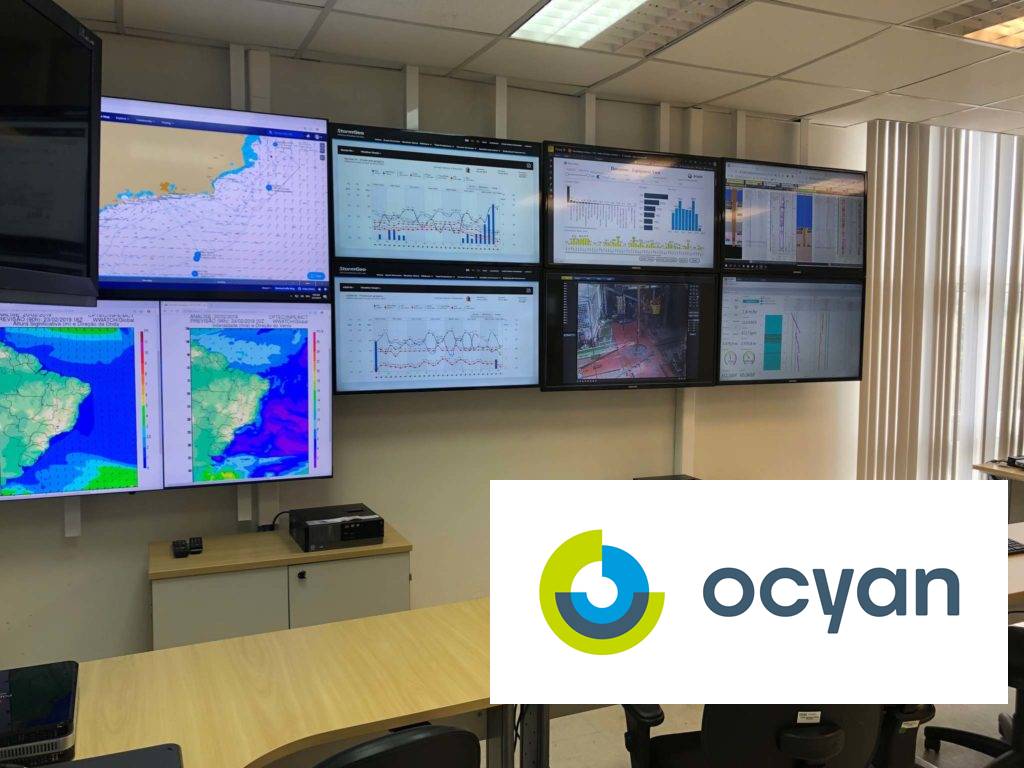
Rio de Janeiro, August 4, 2020 –With the implementation of remote work for all onshore members during the COVID-19 pandemic, Ocyan maintained real-time monitoring of its fleet of assets through SMART technology (Advanced Real-Time Monitoring System). The system, which provides for the intensive use of artificial intelligence through the monitoring of integrated data and images generated by cameras, was already available in its digital version with computer access even before this period, but became essential in times of social distancing and the possibility of remote monitoring of the company’s drilling asset operations.
The great advantage of the tool is that the data can be accessed on portable computers, not requiring the physical presence of the member in the control rooms at the company’s base in Macaé (RJ). To give an idea, Ocyan SMART tripled its number of accesses since mid-March and is already preparing a version available for smartphones. The use of technology reinforces safety for our members while maintaining the standard of our operations.
Other News About Ocyan
- Macaé Has Job Openings for Instrumentation Professionals in Ocyan’s Offshore Contracts on June 17
- Ocyan Acquired 100 Inclusive Masks to Facilitate Operations and Communication with Hearing Impaired Individuals
- Ocyan Drill Completes Operation That Could Open a New Market for the Oil and Gas Company
“Before the social isolation, remote access to the data generated by the Decision Support Center (CSD) was already possible, but it was only truly tested now that the operators are working from home. And the program passed the test, including with all information security rules preserved. The company will emerge strengthened from this pandemic period because all activities continue normally – from the operation of the drills and platforms to the support activities on land,” explains Rodrigo Chamusca, responsible for Technology and Innovation in Ocyan’s Drilling Business Unit.
-
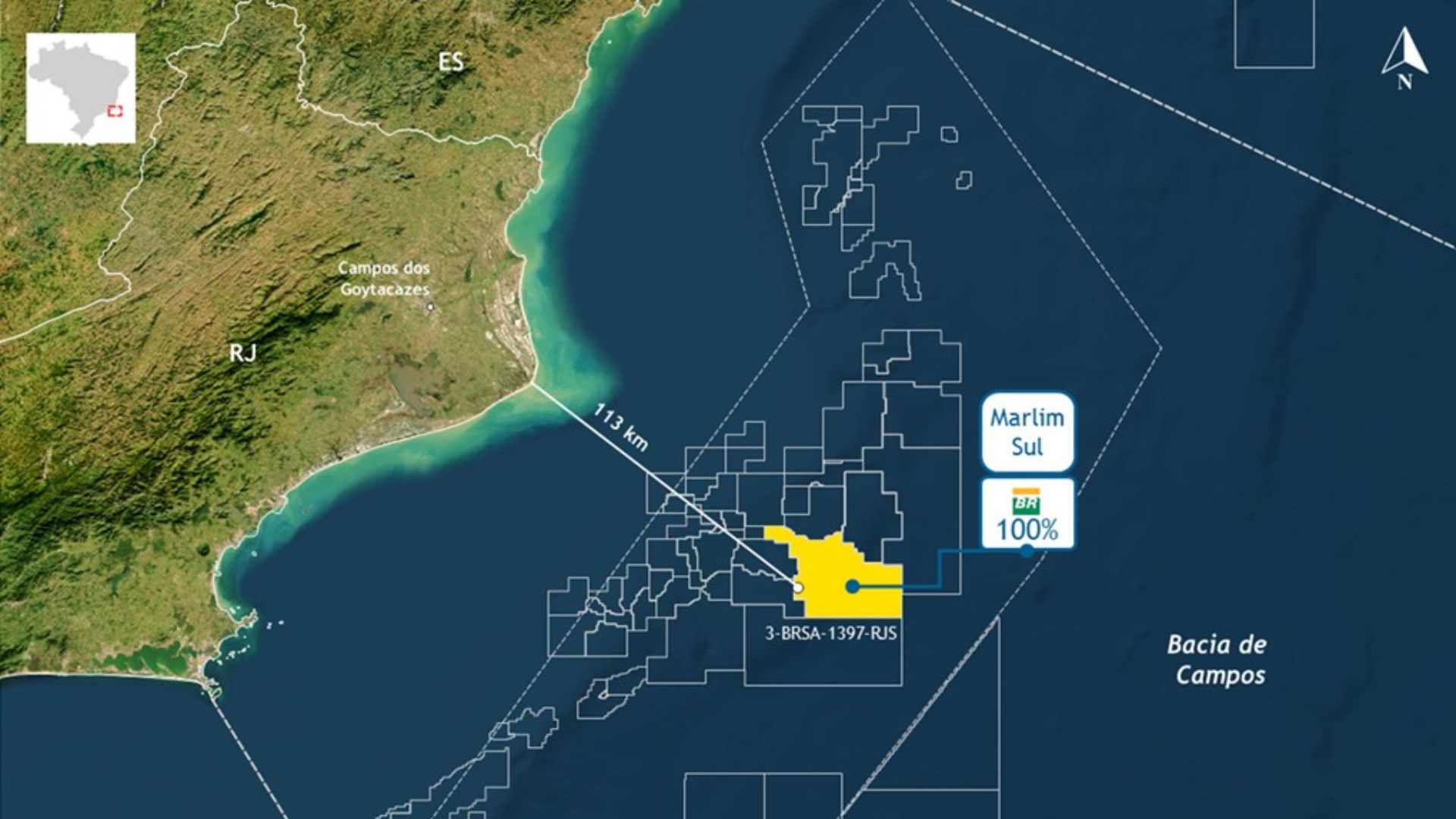
Petrobras finds high-quality oil in the pre-salt at 113 km from RJ and reignites expectations about strategic reserves in the Campos Basin.

-
Ocyan opens registrations for startups focused on innovation in the oil and gas sector and will select projects for Innovation Day with the support of Nexio.
-
Petrobras announces new oil discovery in the pre-salt of the Campos Basin and reinforces Brazil’s prominence with high-quality reserves that can increase production and energy revenues.
-
Alert in the fuel market: Analysts and a former director of ANP warn that oil prices may worsen in the coming months due to global instability.


Ocyan SMART is the first integrated system for monitoring drilling activities in Brazil to cover the six planned dimensions, allowing the aggregation of data that was previously scattered across separate supervisory systems. Today, the company integrates and provides data related to drilling, well control, power management, dynamic positioning, as well as the cameras from the internal TV circuit of the platforms. The Monitoring of the BOP (Blowout Preventer) is expected to be added to the scope of Ocyan SMART in August of this year, demonstrating the company’s pioneering spirit in seeking innovative technological solutions.
The work of SMART, even with remote access, also helped to increase the overall productivity of operations. The company has also maintained a zero recordable incident rate so far in 2020.
Access Increased
Access to SMART tripled during this period of social isolation, further expanding the application of data to enhance operational uptime. “Before the pandemic, an average of 100 people accessed the information each week. Now, the number has jumped to 300. And no extra investment was necessary, as Ocyan was already planning this leap since the project’s inception. Later this year, we intend to allow access via mobile phone,” Chamusca explains. According to him, the crisis room will remain active even with the conveniences of remote access. “We find it important to keep the crisis room for future decision-making,” he concludes.









Seja o primeiro a reagir!