





 Portuguese
  English
  Spanish
  4 min of reading
  0 comments



New Battery Developed in Japan Stands Out for Exploring the Electrochemical Properties of Depleted Uranium, a Highly Dense Element with Unique Characteristics.
Scientists from the Japan Atomic Energy Agency (JAEA) announced the development of the world’s first rechargeable uranium battery, marking an unprecedented advance in the use of nuclear waste for energy purposes. The innovative project is pioneering in utilizing depleted uranium (DU) — a material considered nuclear waste — as an active element in a rechargeable battery, opening new possibilities for the reuse of waste from the nuclear industry.
Uranium as an Alternative to Traditional Battery Materials
Currently, most rechargeable batteries use lithium, lead, or other metals that facilitate electron movement and electricity generation. However, the new prototype developed in Japan stands out for exploring the electrochemical properties of depleted uranium, a highly dense element with unique characteristics.
The uranium battery developed measures 10 centimeters in width and 5 centimeters in height and uses a uranium-based electrolyte in the negative electrode and another iron-based in the positive electrode. Initial tests showed that the unit is capable of generating a voltage of 1.3 volts, a value close to the 1.5 volts of conventional alkaline batteries.
-
With a cost per shot close to zero, the DragonFire laser could change naval warfare in 2027 and provide British ships with nearly unlimited defense against drones.

-
A British startup creates tires that generate electricity in electric vehicles when passing over potholes, speed bumps, and cracks.

-
Scientists have created robots made with living cells that have their own nervous system, swim on their own, explore the environment, and self-organize without any genetic engineering, and now they want to do the same with human cells.

-
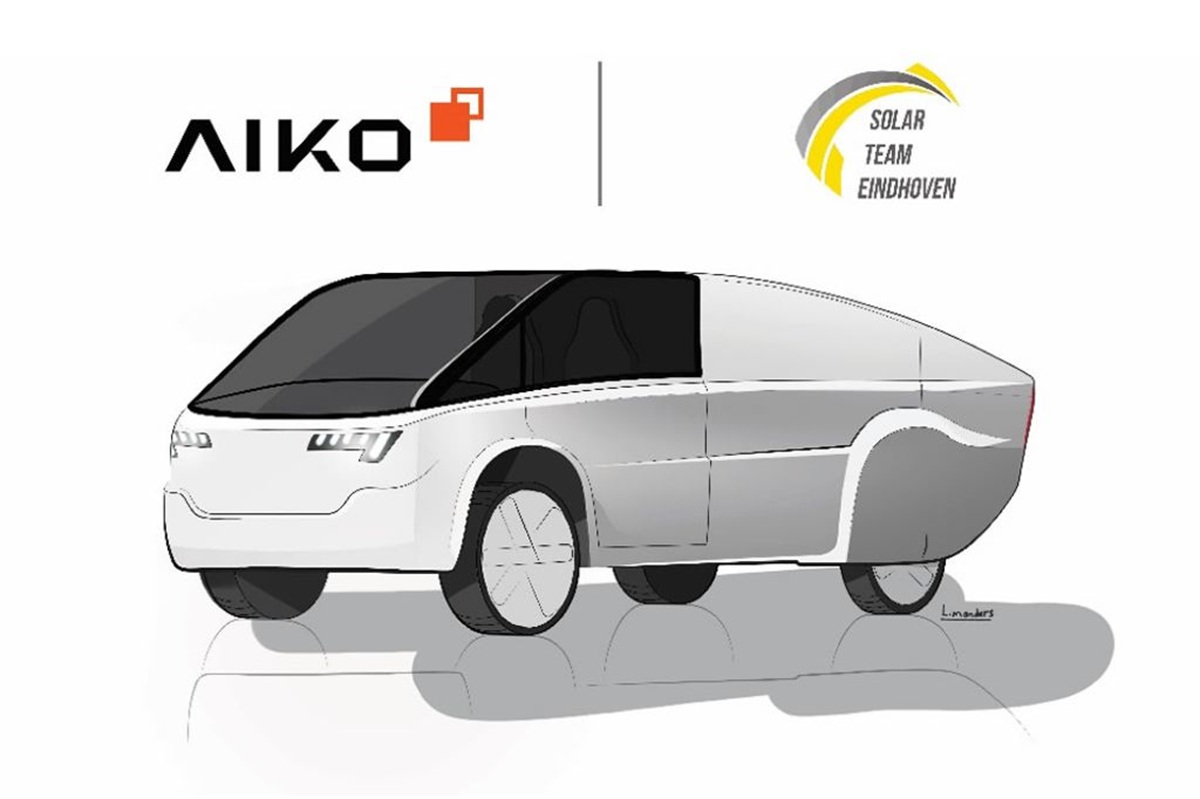
Students create a solar-powered ambulance that operates without a plug, without fuel, and still keeps medical equipment running in remote areas.

Promising Performance and Durability
The new rechargeable uranium battery underwent 10 charge and discharge cycles, maintaining stable performance throughout the process. According to researchers from JAEA, the results indicate potential durability and reliability of the component, fundamental characteristics for its practical use in energy systems.
The key difference lies not only in the technological innovation but also in the solution it offers to one of the most challenging problems in the nuclear industry: the accumulation of depleted uranium, a material that remains after uranium enrichment for use in reactors and is not utilized in modern nuclear models.
Depleted Uranium: From Nuclear Waste to Energy Source
The depleted uranium (DU) used in the project is a byproduct of the enrichment of natural uranium, and although it has low radioactivity compared to original uranium, it presents an environmental and safety challenge. It is estimated that Japan currently stores about 16,000 tons of DU, while the global stockpile exceeds 1.6 million tons.
Until today, its applications were mostly limited to the production of military munitions, particularly due to its high penetration power. However, this use is controversial due to the potential toxic and environmental risks associated with the material.
With the new application in rechargeable batteries, DU can gain a peaceful, controlled, and useful purpose, contributing not only to the reduction of nuclear waste but also to advancements in energy storage technologies.
Future Applications and Use in Controlled Environments
Although promising, the uranium battery is still in the early stages and should have its application restricted to locations with strict radiation control, such as nuclear power plants or specialized industrial facilities. This is because, even though depleted, uranium requires technical handling and specific safety protocols. Possible practical applications include:
- Control of electrical systems in controlled radiation environments;
- Support for the electrical grid powered by renewable sources, such as solar or wind energy;
- Stabilization of energy supply in isolated or strategic locations.
Next Steps in Research: More Power and Efficiency
To expand potential uses, JAEA scientists are already working on the development of redox flow cells based on uranium, which promise greater energy storage capacity and efficiency in electrical transfer.
This type of battery operates through electrochemical reactions in separate compartments, making it ideal for large-scale stationary systems such as smart electrical grids, renewable energy storage, and critical infrastructures.
An Innovative Solution Towards a Decarbonized Society
The creation of the rechargeable uranium battery also fits into a global context of energy transition and decarbonization. By utilizing a nuclear waste that is difficult to dispose of, the Japanese technology offers an intelligent way to reuse it, combining energy efficiency, scientific innovation, and environmental impact reduction.
As highlighted by the Japan Atomic Energy Agency itself, the goal is to use this solution as an ally to clean energy generation, contributing to a more balanced and sustainable system, especially in light of the growing demand for storage solutions that keep pace with the intermittent production of renewable sources.
Source: TecMundo










Seja o primeiro a reagir!