





 Portuguese
  English
  Spanish
  4 min of reading
  0 comments


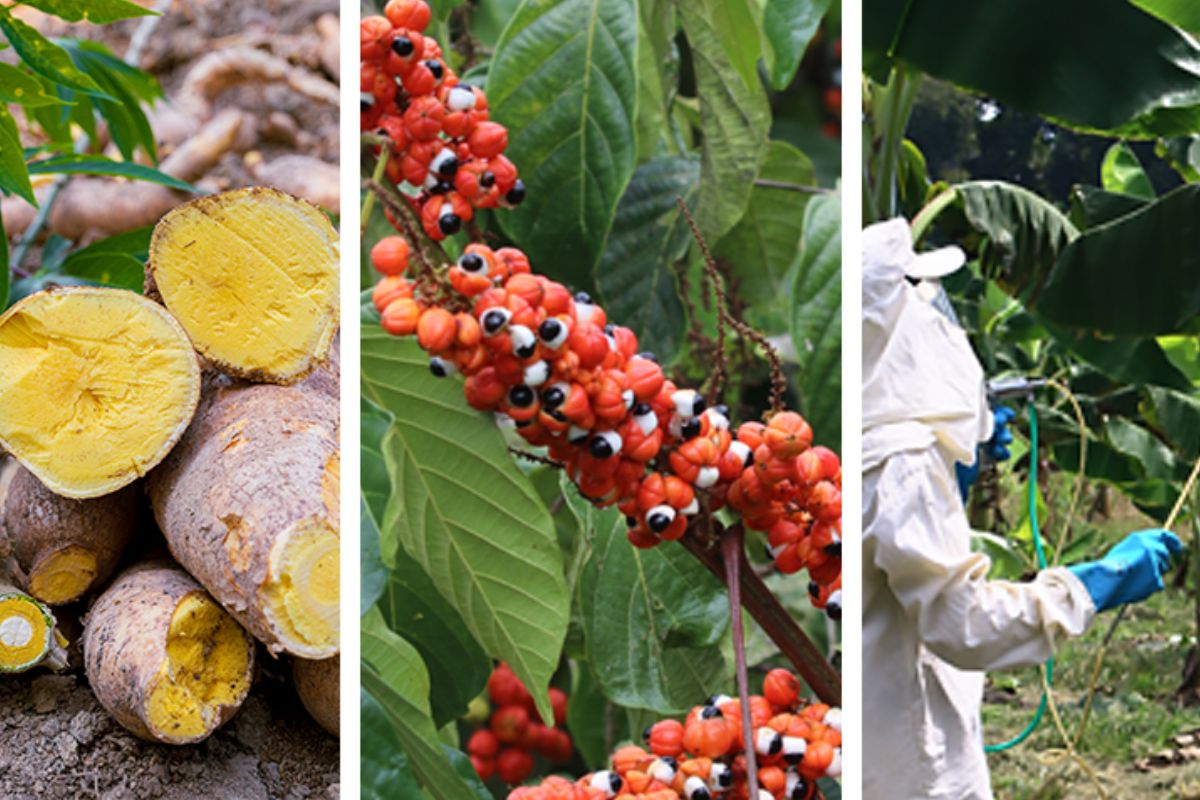
The Sustainable Technology Presented by Embrapa at the Agrizone of COP30 Focused on the Innovative Cultivation of Cassava, Banana, and Guarana in Amazonian Productive Systems
The adoption of sustainable technology in Amazonian agricultural systems gained prominence at the Agrizone space of COP30 in Belém, bringing together producers, researchers, and institutions interested in efficient practices for cassava, banana, and guarana, according to a report published.
The demonstrations presented by Embrapa Western Amazon showed alternatives capable of increasing food security, reducing production risks, and increasing income in areas where family farming plays a decisive role.
Among more resistant cultivars, simple management methods, and solutions adapted to regional climate, the program provided practical information for farmers dealing daily with challenges such as genetic erosion, recurring diseases, and climatic fluctuations that directly affect productivity.
-
While Russia dominates the global wheat market, Brazil emerges as an unexpected competitor in the Cerrado, offering grain available in July and August when stocks in the Northern Hemisphere are at their lowest point of the year.

-
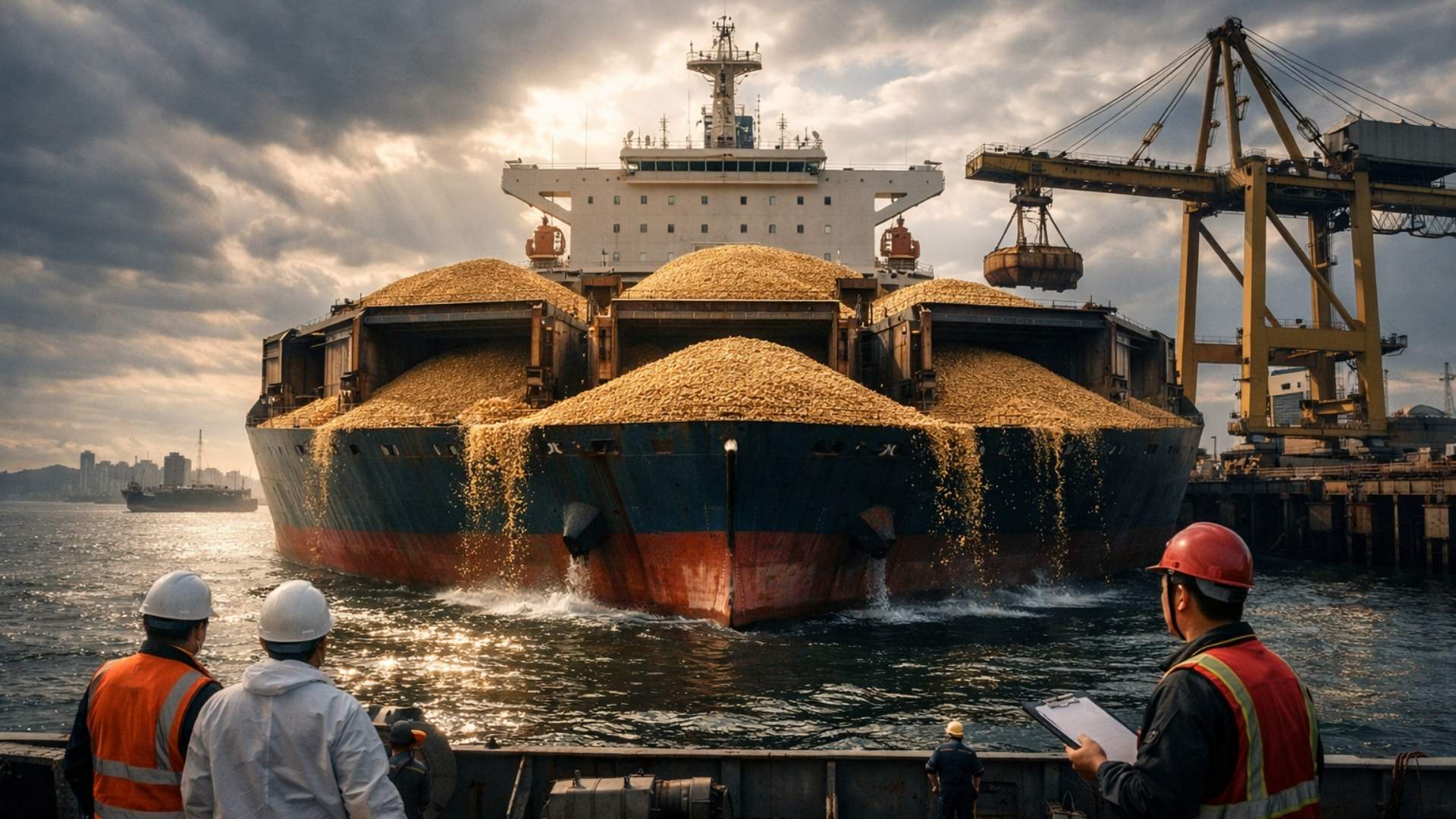
China returned almost 20 Brazilian ships with soybeans, but now everything could change: the country that buys 80% of the grain is considering relaxing regulations after impurities held up shipments of thousands of tons and caused million-dollar losses.
-
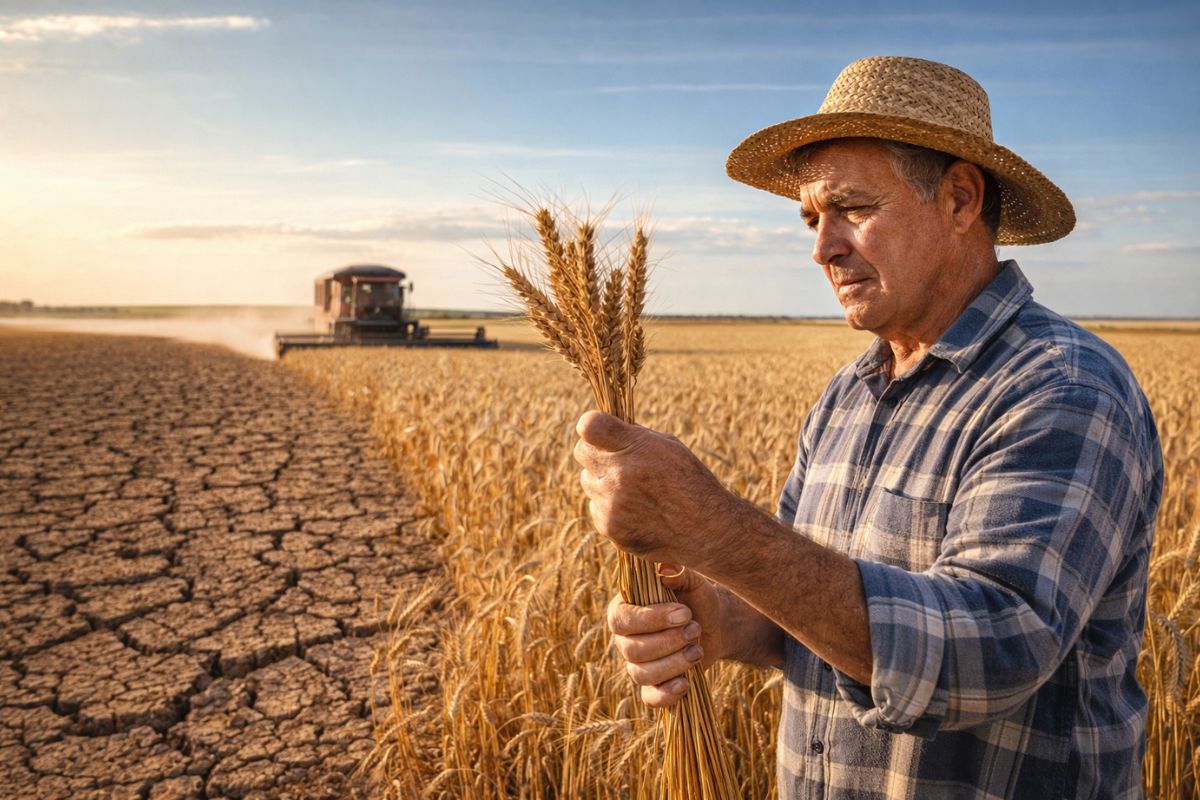
The drought of the cerrado was considered an enemy of wheat, but Brazilian scientists turned the lack of rain into a competitive advantage by creating a grain with quality that is already attracting the attention of international mills around the world.
-
THE OWNER of Brazil: a farmer who came from laundries, created an ’empire’ and today runs a company valued at R$ 42 billion after tripling its value in less than a year and receiving a billion-dollar investment from the USA.


The event also highlighted how the diversification of varieties and the use of accessible techniques can help communities face severe droughts, heavy rains, and high temperatures, conditions common in Amazonas.
The participation of municipalities in the micro-region of Médio Solimões, where cassava is the economic base, demonstrated the growing interest in technologies that maintain productive stability.
Furthermore, researchers explained how the continuous use of only one variety increases the vulnerability of crops, reinforcing the need for new alternatives to prevent losses and ensure the functioning of local supply chains.
Agricultural Innovations for Amazonian Cassava
The new cultivar BRS Jacundá is among the launches from Embrapa on November 16, at 4:30 PM, in the Agrizone AgriTalks Arena.
Developed for terra firme areas in Amazonas, it seeks to reduce risks associated with the dependence on the “Catombo” variety, predominant in municipalities like Tefé, Uarini, and Alvarães.
With a productivity of over 30 thousand kilograms per hectare, while the current state average is 10,560 kg/ha, the material stands out due to its yellow pulp color, resistance to pests and diseases, and good acceptance for flour and tucupi.
Researchers such as Ferdinando Barreto emphasize that the introduction of new cultivars can prevent genetic erosion and enhance productive stability in regions that directly depend on cassava cultivation.
In this first session, the presence of sustainable technology is associated with the ability to offer cultivars adapted to Amazonian conditions, reducing risks of loss and promoting practices suited to local realities.
By meeting traditional demands, such as yellow flour, the innovation preserves the regional culture while enhancing productive performance, one of the most discussed factors among farmers during COP30.
Sustainable Technology in the Control of Black Sigatoka and Sustainable Banana Cultivation
The fight against Black Sigatoka, the main disease affecting banana plants, received special attention through a simple solution adopted by family farmers in the states of Amazonas, Acre, and Rondônia.
The localized application of fungicide in the axil of the second leaf, done with an adapted veterinary syringe, hose, and bent pipe, reduced spraying and decreased the use of pesticides.
According to researcher Luadir Gasparotto, only three applications per cycle are sufficient to recover traditional varieties such as Prata Comum, Maçã, and Pacovan.
Data from IBGE in 2023 indicate that between 2013 and 2022, there was significant growth in banana production and productivity in the three states, a result attributed to the adoption of the method.
This progress has reinforced farmers’ confidence in low-cost solutions, especially in regions where environmental variations directly affect management.
In the third segment, sustainable technology is linked to the targeted control of diseases, providing rural families with a practical way to keep banana plantations active without increasing input costs.
The flexibility of this method became a topic of discussion among Agrizone participants, who seek affordable alternatives to ensure the continuity of production.
Productivity of Guarana and Embrapa Technologies at COP30
The launch of BRS Noçoquém also attracted significant interest. Part of Embrapa’s Genetic Improvement Program, the cultivar has an average productivity of 2.3 kg of dry seeds per plant per year, a figure more than seven times higher than the regional average.
Its resistance to anthracnose and superbudding, along with the ability to propagate by seeds, facilitates the establishment of licensed nurseries and allows producers to expand cultivations autonomously.
Researcher André Atroch highlights that the material maintains genetic variability even with high productivity, contributing to more balanced systems.
Sustainable technology, in this case, is associated with genetic improvement that prioritizes resistance, safety, and autonomy for producers.
The ease of seed multiplication has spurred discussions about the organization of community nurseries, a recurring theme among COP30 participants.
The use of sustainable technology permeated the discussions led by Everton Cordeiro, general head of Embrapa Western Amazon, reinforcing the institution’s commitment to practices that integrate economic viability, environmental conservation, and support for family farming.








-

-

-

6 pessoas reagiram a isso.