





 Portuguese
  English
  Spanish
 4 min of reading
  1 comment


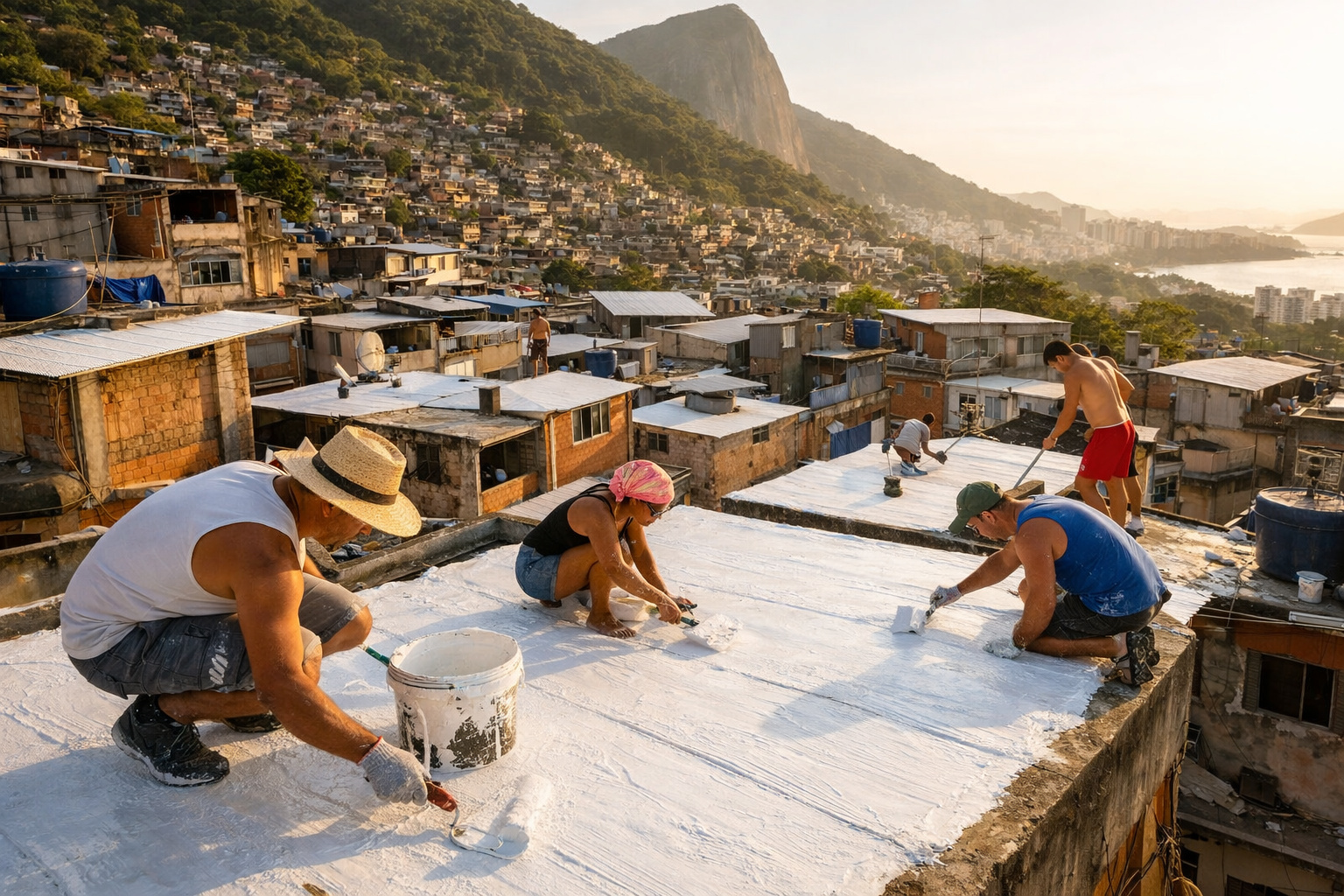


Workshops at Morro do Turano Teach Low-Cost Technologies That Combat Climate Crisis and Enhance Thermal Comfort in the Peripheries of Rio de Janeiro
At the top of Morro do Turano, in the northern zone of Rio de Janeiro, the climate crisis has stopped being an abstract concept and has become an everyday challenge. However, instead of waiting for external solutions, residents transformed their own rooftops into true laboratories of sustainable technology. With homemade thermal paint, cooling with PET bottles, and artisanal rain gauges, the community develops creative, efficient, and low-cost responses to face rising temperatures.
The initiative gained momentum during the 1st Turano Climate Week of Responsibility, held in the territory with the support of the international sailing championship SailGP and the project We Are Not in the Same Boat, by the Mubadala Brazil SailGP Team. In addition, organizations such as Nas Marés and Favela Radical actively participated in the mobilization.
The information was reported by the portal Terra, in a piece by Marcos Zibordi, which details how practical workshops taught residents to apply accessible and proven sustainable technologies.
-
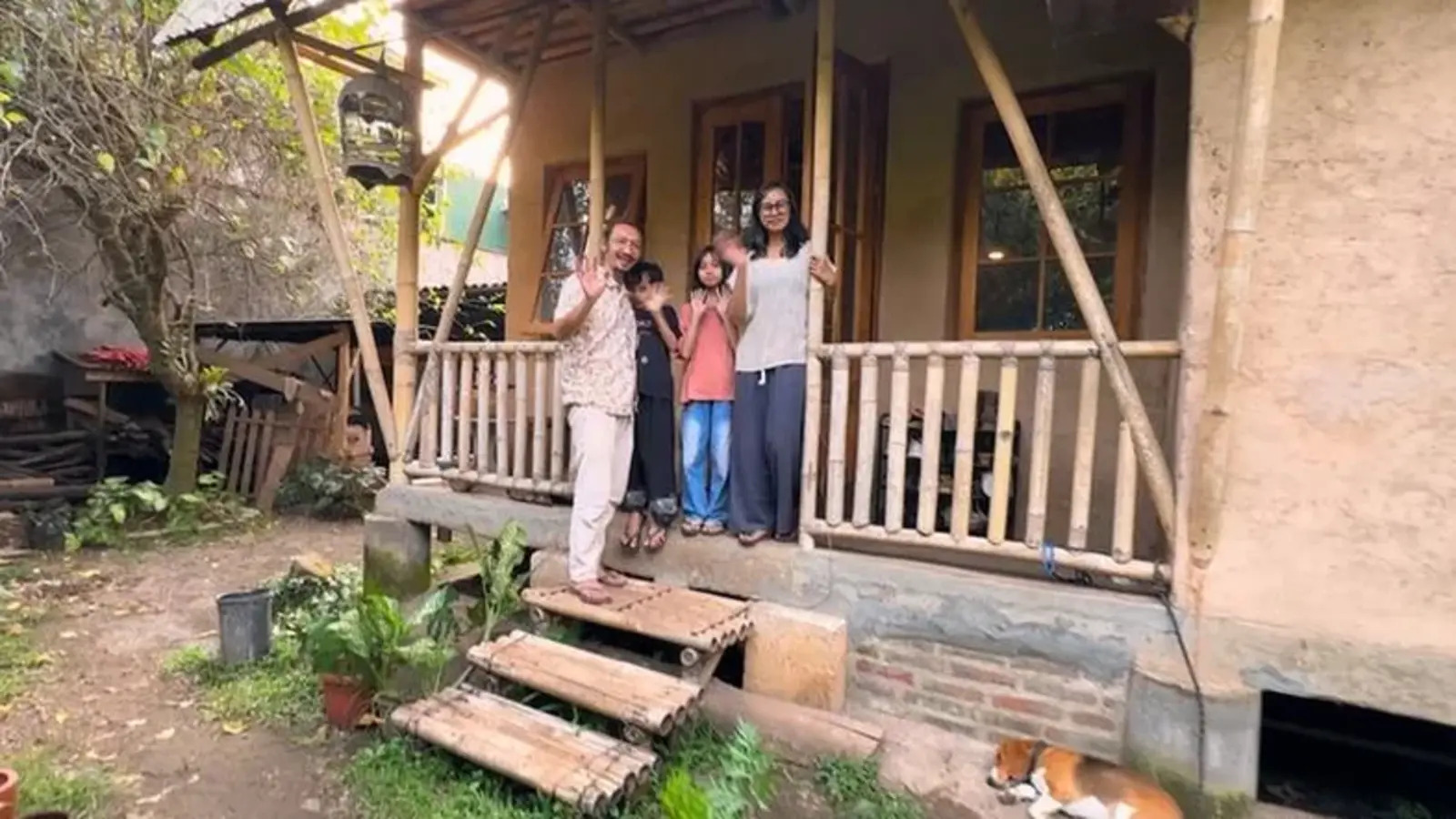
With earth, bamboo, straw, and lime mortar, a specialist builds a house for just over $460 and draws attention for its cost being much lower than traditional construction.
-
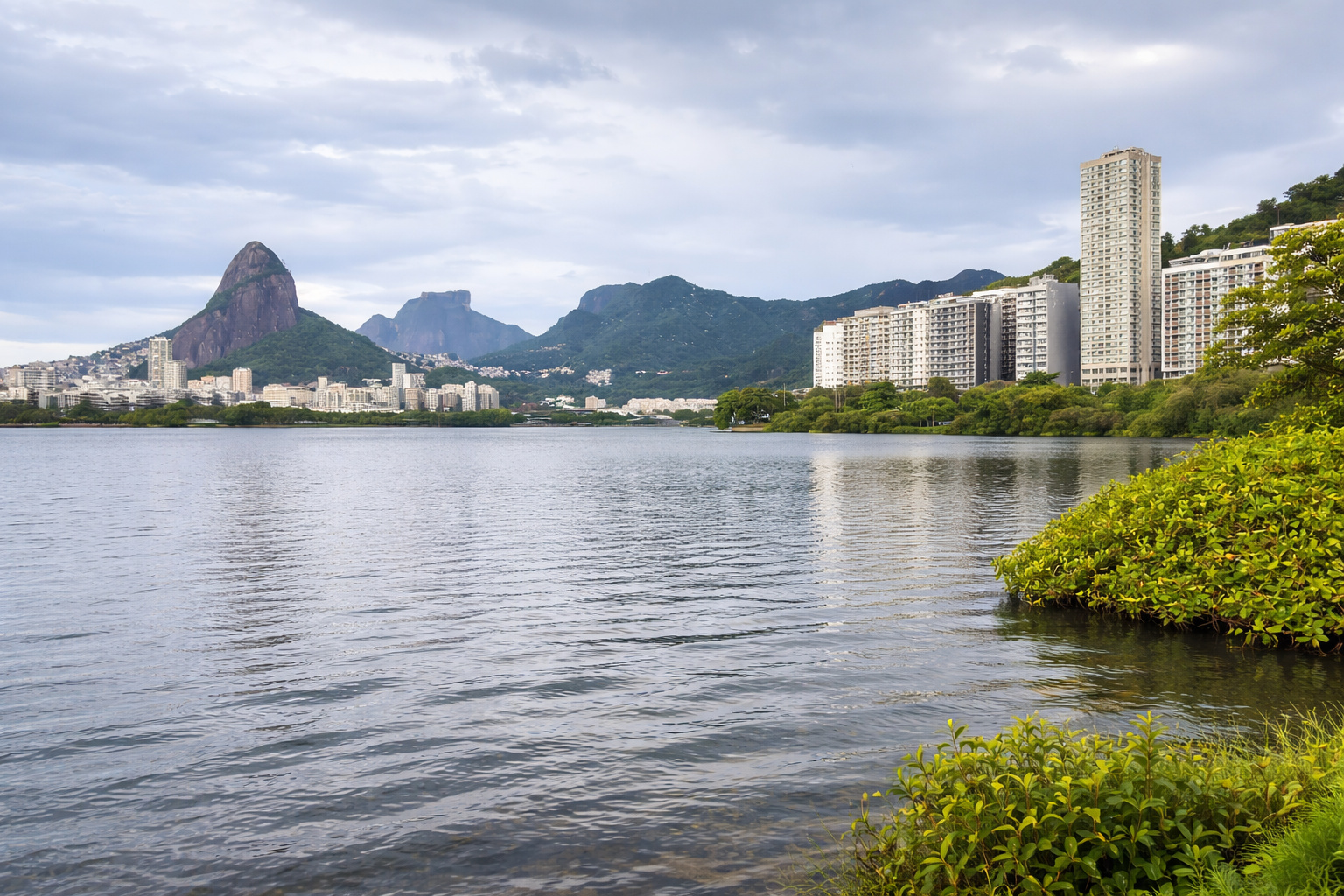
Rodrigo de Freitas Lagoon advances in environmental recovery with sanitation, elimination of irregular sewage, and the resumption of water sports in Rio de Janeiro.
-
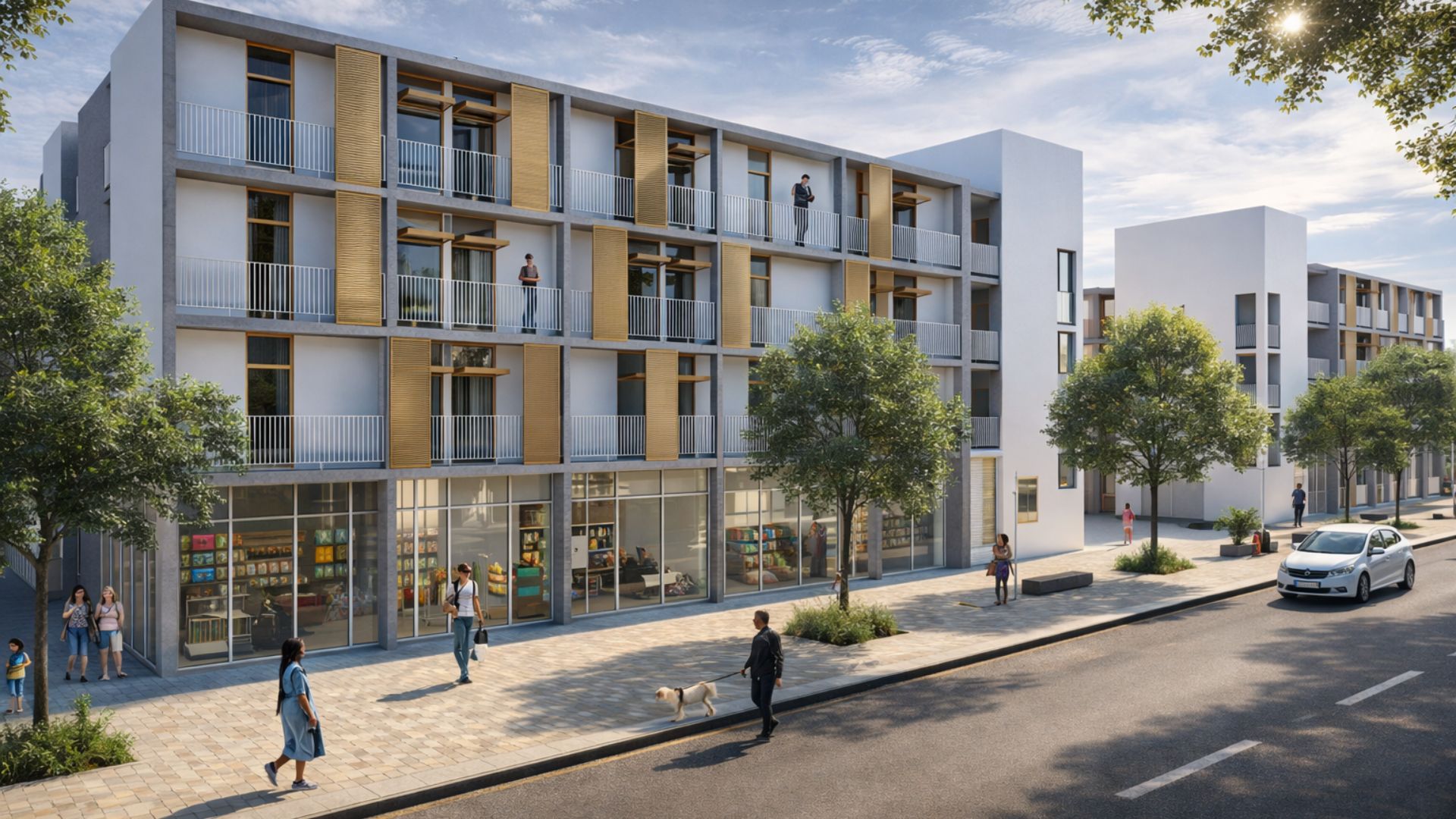
Sustainable housing gains strength with a nationally awarded project in Campo Grande, highlighting innovative solutions that combine sustainability, urban integration, and efficiency in the use of natural resources.
-
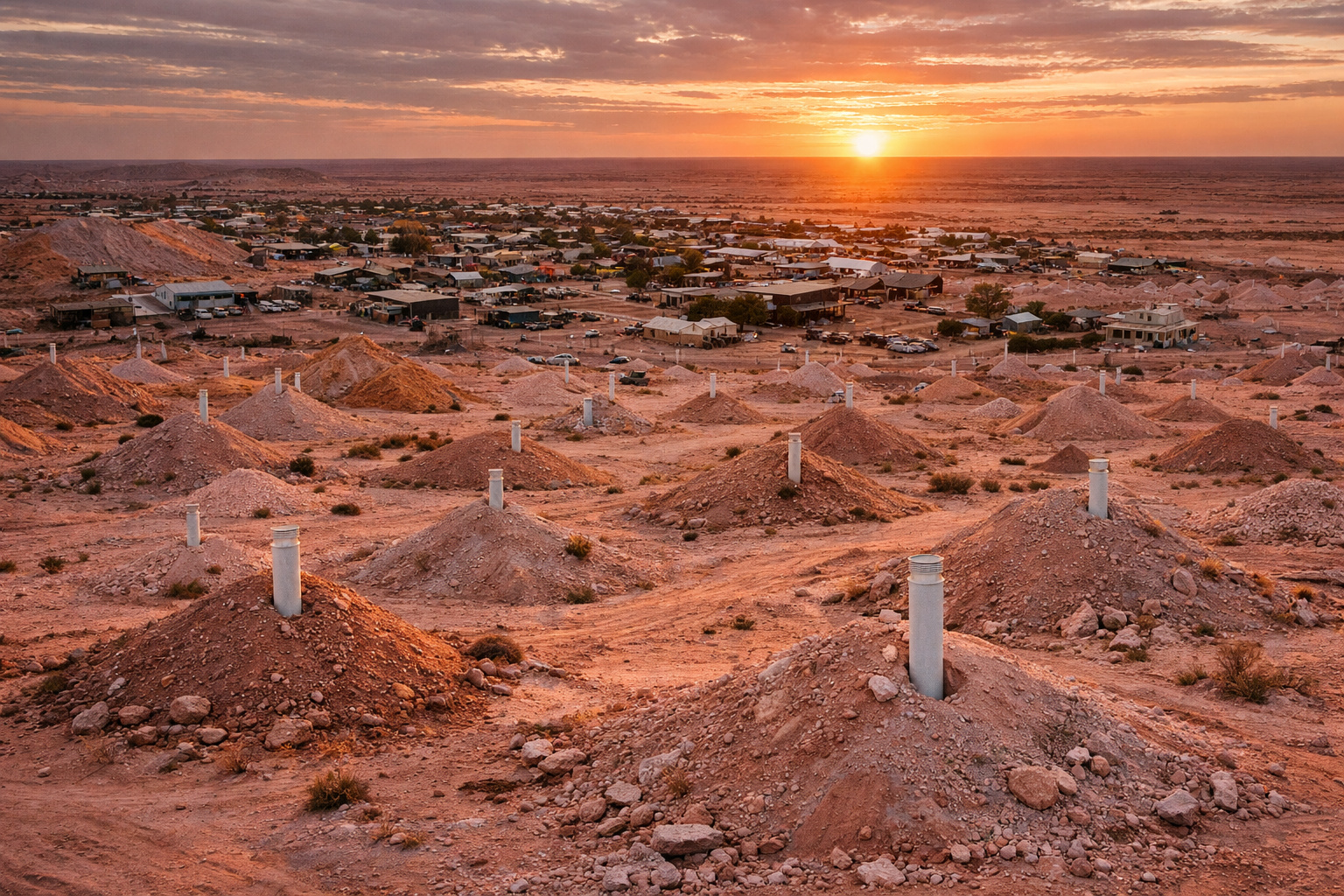
City Where Residents Live Underground to Escape 52°C May Be a Picture of the Future on an Increasingly Hot Planet

Homemade Thermal Paint Reduces Temperature by Up to 25%


Among the solutions presented, the artisanal thermal paint stood out for its immediate impact. According to Juliana Poncioni, founder of the organization Nas Marés, properly applied white paint can reduce the indoor temperature by up to 25%.
The recipe is simple:
- 2 kg of cement
- 8 kg of lime
- 500 ml of Cascorez glue
- 10 liters of water
The mixture yields approximately 12 square meters and costs up to ten times less than similar commercial products. Additionally, after two coats, it creates an effective layer of thermal insulation on rooftops exposed to intense sunlight.
For many families in the community, this solution represents more than comfort. As highlighted by Nancy Regina Rios Lucas, a resident of Turano, not everyone can afford an air conditioner. Therefore, sustainable and economical alternatives become essential to face increasingly frequent heatwaves.
Eco Cooler with PET Bottle: Passive Cooling and Popular Creativity
Another sustainable technology taught in the workshops was the so-called “eco cooler.” Inspired by models used in regions of Africa and India, the system utilizes the principle of passive cooling.
Traditionally, the method employs ceramic cones installed in walls. However, in Turano, the solution gained an even more accessible version: cut PET bottles.
The process works as follows:
- The tips of the bottles are fixed to a board.
- The wider part faces outward.
- The narrow part, without a cap, faces inward toward the residence.
When the wind passes through the neck, its velocity increases, reducing the temperature of the air entering the environment. Consequently, the indoor space becomes cooler without consuming electricity.
Besides reducing costs, this sustainable technology strengthens the community’s autonomy. Residents learn, apply, and replicate the knowledge, multiplying the benefits.
Artisanal Rain Gauge Improves Flood Prevention

Photo: Disclosure/Nas Marés
The climate crisis is also manifested in heavy rains. Therefore, during the Turano Climate Week of Responsibility, residents built rain gauges using PET bottles to measure the intensity of precipitation.
The result surprised them. While the Rio Operations Center (COR) conducts monitoring by radar, there is no specific measurement within the communities. Thus, official data often do not reflect local reality.
On the day of the workshop, it rained. And, thanks to the artisanal rain gauge, residents quickly realized that the volume of water indicated a greater risk than predicted. As a result, they took immediate actions: they protected appliances, stored food, and avoided unnecessary travel. Soon after, electricity was interrupted.
According to Juliana Poncioni, local monitoring transforms perception into concrete data and strengthens the community’s capacity to respond.
Favela and Climate Innovation: Technology Born from Necessity

Historically, Brazilian peripheries face the impacts of climate change more intensely. Houses with little ventilation, exposed roofs, and limited infrastructure amplify the effects of extreme heat and heavy rains.
However, in face of this scenario, innovative solutions emerge. Instead of solely relying on external public policies, communities develop low-complexity and high-social-impact technologies.
Moreover, community mobilization generates engagement, collective learning, and appreciation of popular knowledge. As Antônio Marcos and other local agents involved emphasize, each artisanal object also carries memory, culture, and belonging.
Accessible Sustainability Can Reduce Climate Inequalities
The actions at Morro do Turano demonstrate that sustainable technology does not have to be expensive or sophisticated. On the contrary: when technical knowledge meets popular creativity, scalable and replicable solutions emerge.
In a global context of accelerated warming, initiatives like this point to possible pathways for other urban communities. Therefore, investing in practical environmental education and low-cost technology can become a central strategy to reduce climate inequalities in Brazil.
More than just adapting houses, the project strengthens autonomy, collective awareness, and community resilience.
Do you believe that low-cost sustainable solutions like these could be implemented in your city to tackle extreme heat?










Es importante que divulguen las caracteristicas especificas del producto final para poder tomar la decisión de utilizarlo en las viviendas que posean cubiertas de diferentes materiales como zinc, eternit, yesocarton, etc… la ficha tecnica del producto. Formula, peso por cm2, humedo y seco; metodos de aplicacion, tiempo de secado o fragtado, ,