





 English
  Francês
  Alemão
  Italiano
  Japonês
  Norueguês
  Portuguese
  Spanish
  3 min of reading
  0 comments



The Automotive Industry Is Going Through Transformations That Promise to Eliminate Various Old Car Technologies, Replacing Them With More Advanced and Efficient Solutions.
The automotive industry is in constant evolution, driven by technological advancement that redefines the driving experience and expands the possibilities for innovation. In recent years, previously indispensable car technologies, such as cassette tape radios and manual transmissions, have given way to more modern and practical options. Although some of these changes are still timid in markets like Brazil, the expectation is that, in the coming years, the landscape will change definitively, aligning with global preferences for safer, more efficient, and connected cars.
Car technologies are undergoing a profound transformation, including the replacement of components and devices that no longer meet modern standards for efficiency and usability. From visible antennas to manual transmissions, the list of items that should disappear is extensive, indicating a new era of design and functionality in vehicles.
Car Technologies That Are Disappearing
Manual Transmission: The End of an Era?
-
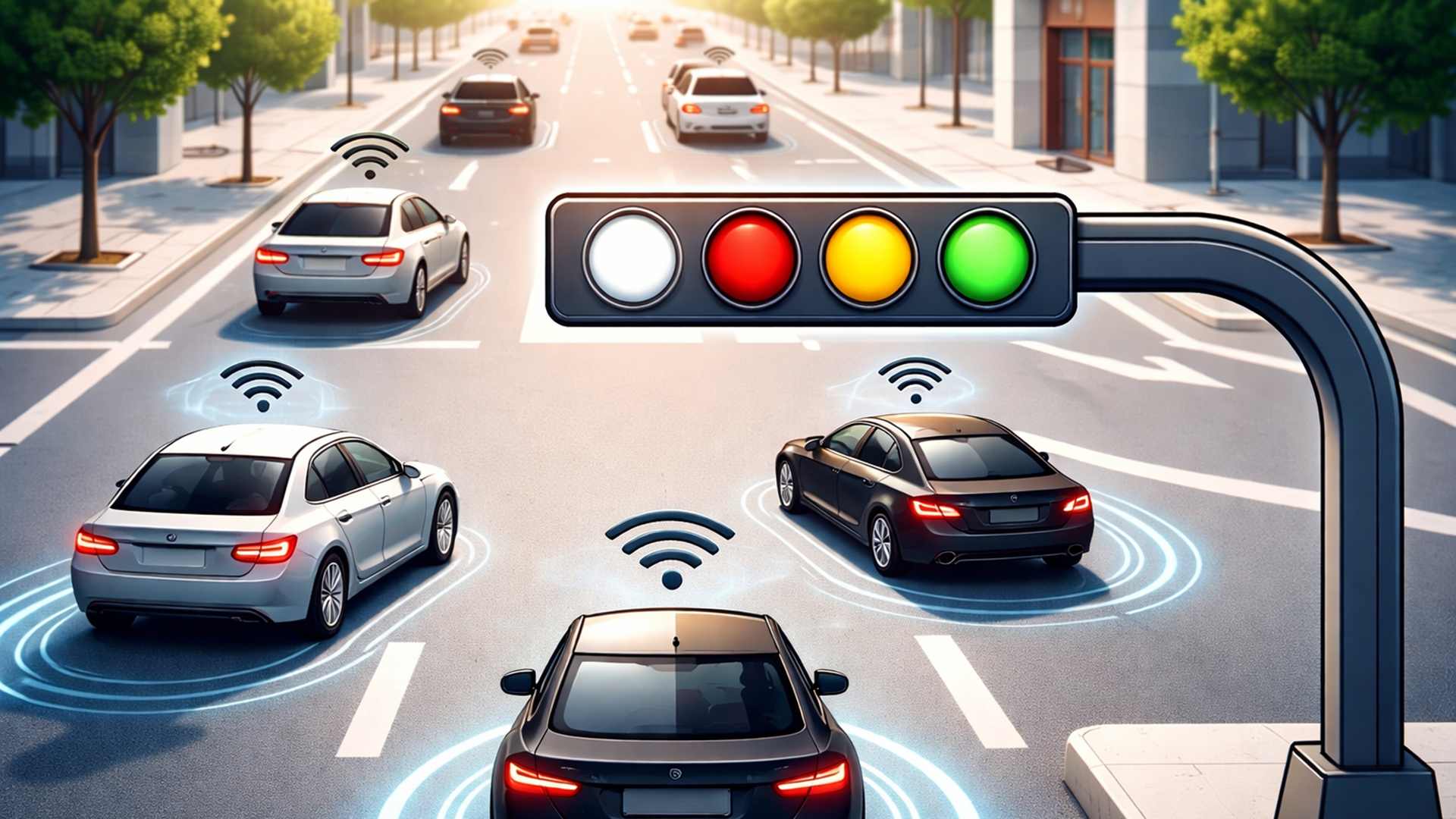
Engineers propose a fourth traffic light for intersections – the change promises to affect crossings, queues, and waiting times.
-
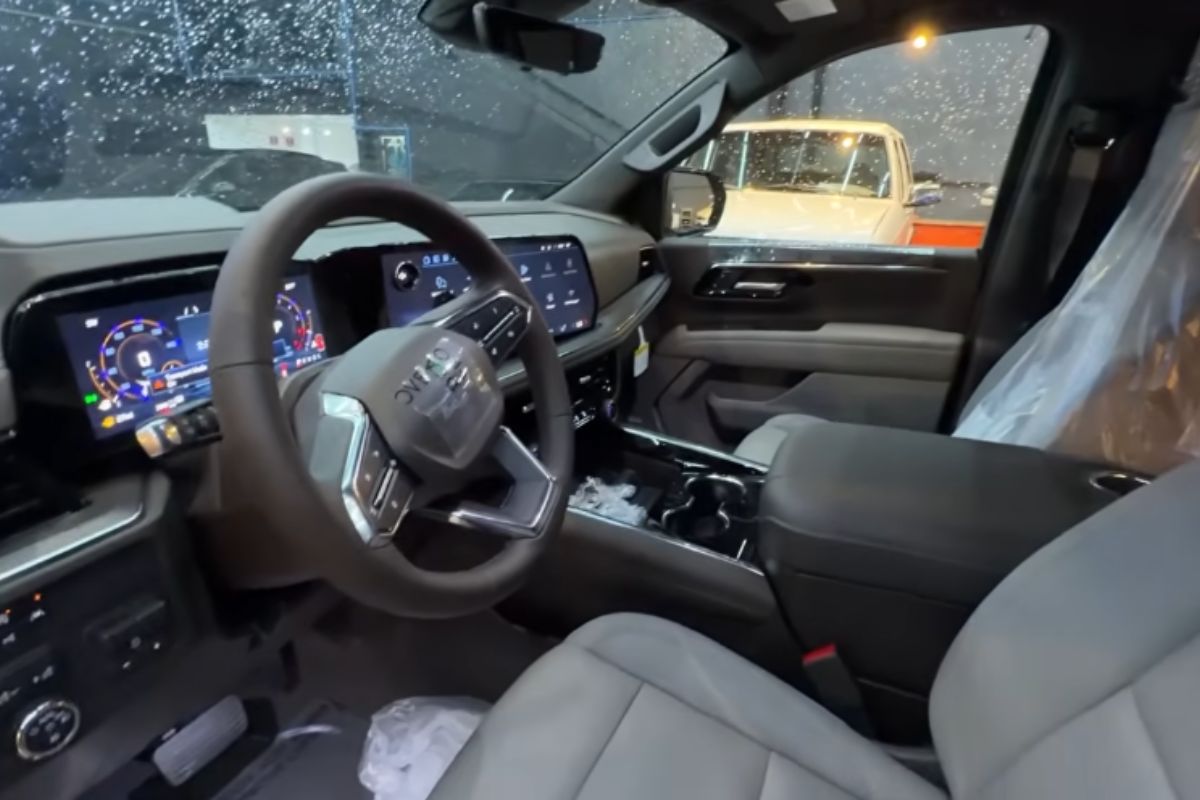
Chevrolet Suburban Z71 lands in Brazil with a V8 engine, off-road design, air suspension, seven seats, and colossal size, a rare version imported for around R$ 1.3 million with luxury and exclusivity.
-
The Chevrolet Onix 1.0 turbo achieves 17.7 km per liter on the highway and ranks among the three most economical cars in Brazil in 2026, alongside two more expensive Toyota hybrids available at dealerships.

-
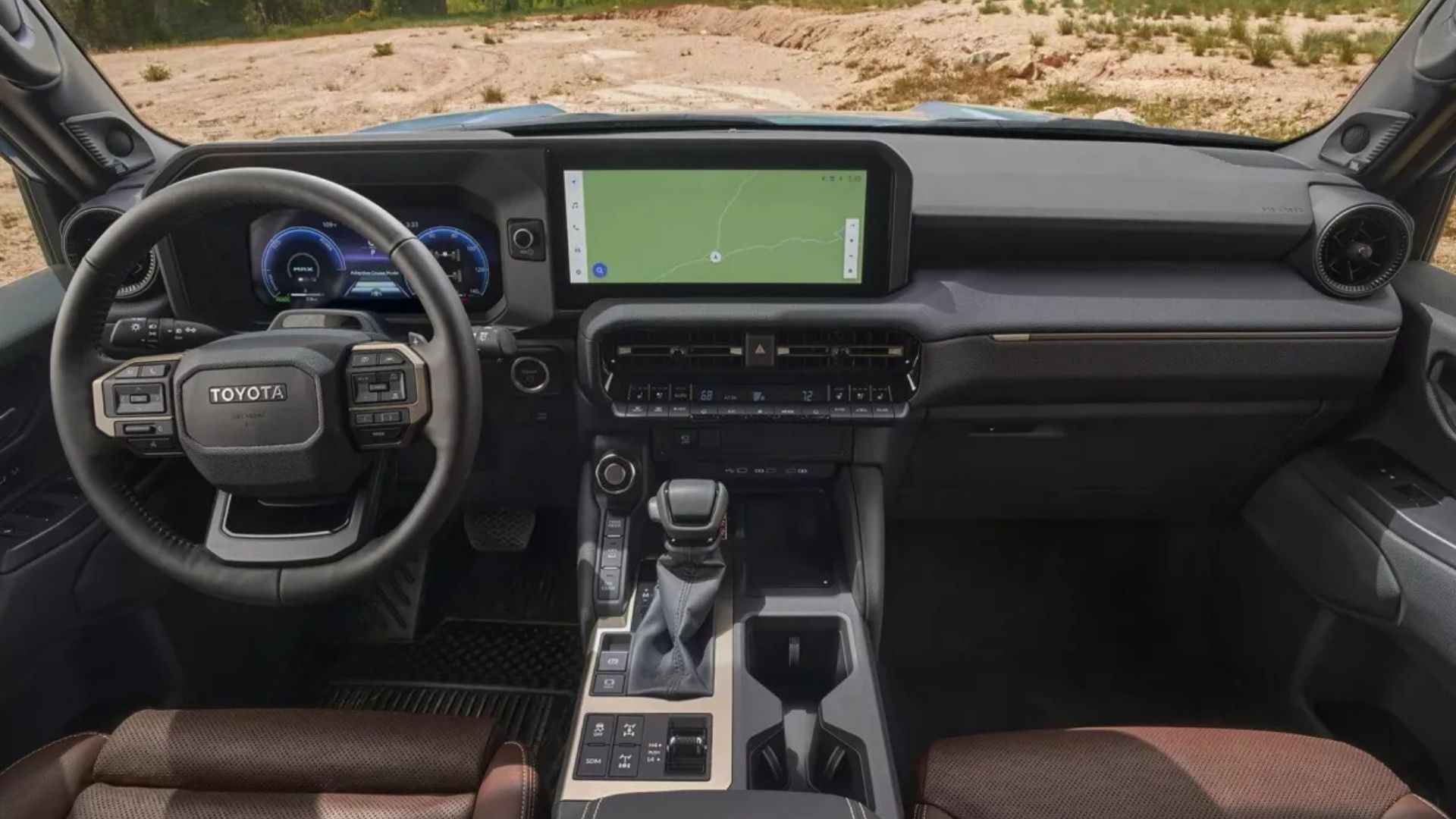
Little sister of the Hilux: Toyota launches Land Cruiser FJ with 4 radical versions, 2.7 engine with 166 hp and 4×4 traction with locking.
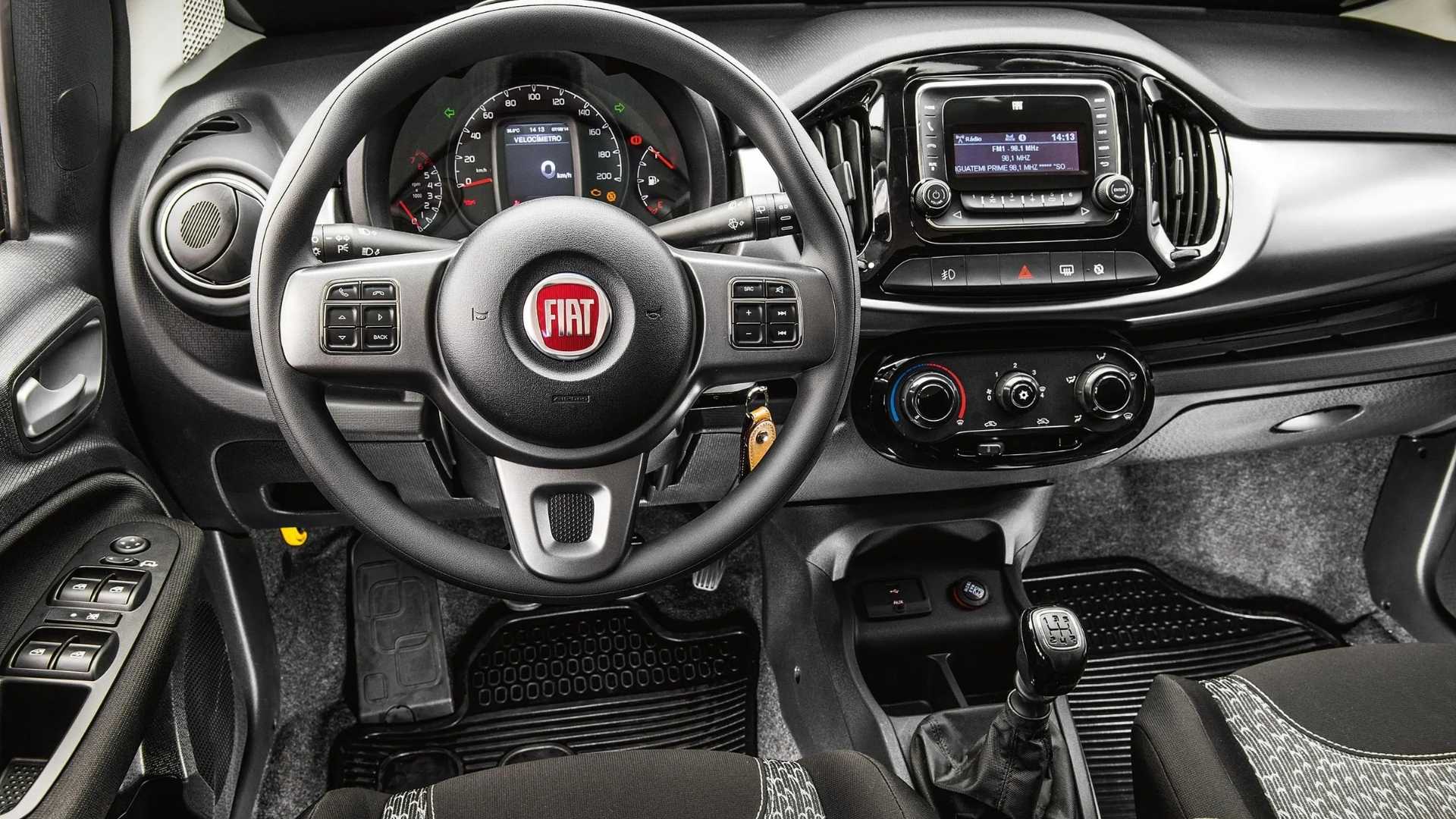
One of the most significant changes that is shaping up for the near future is the disappearance of manual transmissions. In various countries, the preference for automatic transmissions is already predominant, and although Brazil still maintains a considerable share of vehicles with manual transmission, the trend points towards complete replacement in the coming years. The comfort and ease offered by automatic transmissions better meet modern demands, making manual transmissions a rarity in new cars.
On-Board Computers: Replaced by Smartphones
Another innovation that promises to transform the automotive industry is the use of smartphones as substitutes for on-board computers. Instead of investing in panels and embedded systems, manufacturers are exploring the possibility of including specific docks for smartphones, allowing drivers’ own devices to function as a navigation hub. This technology would bring savings and ease of use, given that most people already own a modern smartphone with advanced features.
Disappearance of Visible Antennas
The aesthetics of vehicles are also expected to become more refined with the disappearance of visible antennas. Inspired by the design of electronic devices, such as cell phones and televisions, these antennas are increasingly hidden within the structures of cars. The expectation is that soon these components will be fully integrated into the design, providing a cleaner and more aerodynamic appearance to vehicles.
Drum Brakes: Disc Brakes Dominating
The replacement of drum brakes with disc brakes is already a reality in many smaller vehicles, which adopt the more efficient and safer alternative of disc brakes. In passenger cars, this type of brake offers better response and durability, as well as greater practicality in terms of maintenance. In larger vehicles, such as trucks, the transition is still slower, but the outlook is that eventually, drum brakes will be phased out even in these cases.
Cigarette Lighters: From Essential Item to Obsolescence
The cigarette lighter is another item whose functionality has drastically changed. Today, these devices serve more to power USB adapters than for their original purpose. The automotive industry has already begun replacing these connection points with direct USB ports, catering to the new needs of drivers and passengers who frequently use electronic devices.
Halogen Bulbs: Replaced by LED and Xenon
In terms of lighting, halogen bulbs are becoming increasingly obsolete, making way for alternatives like LED and xenon, which offer better light quality and greater durability. LED bulbs, in particular, have become a preferred choice in modern vehicles, both for their energy efficiency and extended lifespan. The automotive industry, therefore, is moving towards a future where halogen bulbs are merely a memory of the past.
The Future of the Automotive Industry
Transformations in the automotive industry reflect a continuous quest for innovation and efficiency. With each new technology implemented, the driving experience becomes safer and more enjoyable. The car technologies that will disappear in the future are part of an inevitable transition, aimed not only at adapting vehicles to the demands of modern consumers but also at enhancing performance and reducing environmental impacts.









Seja o primeiro a reagir!